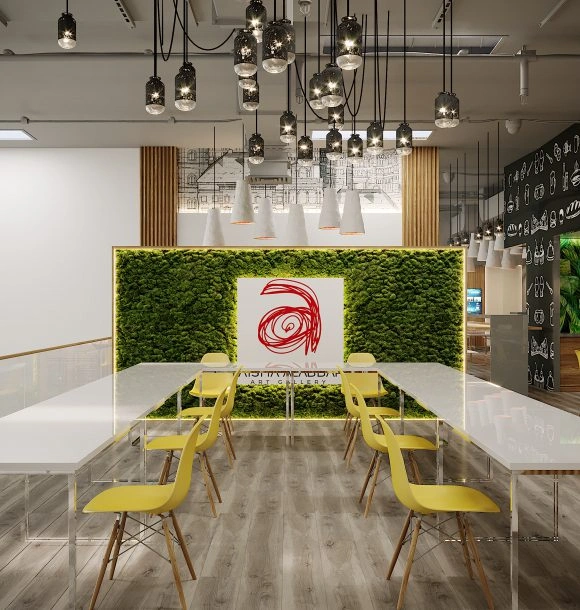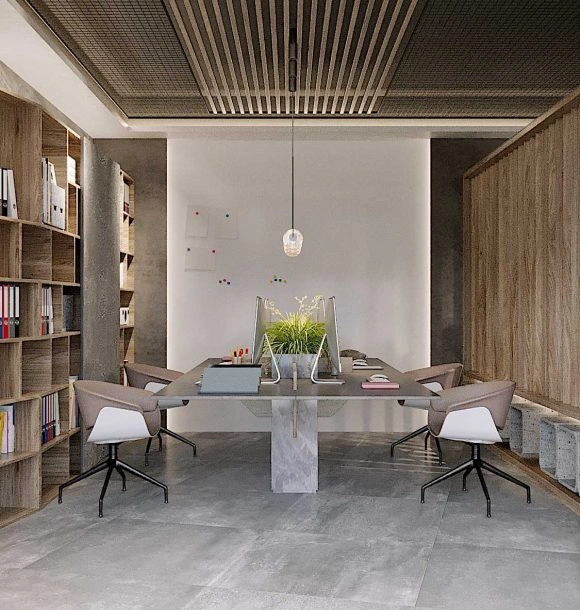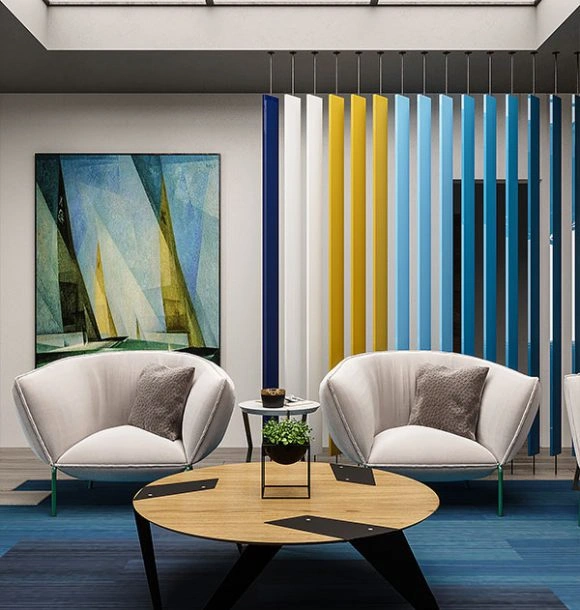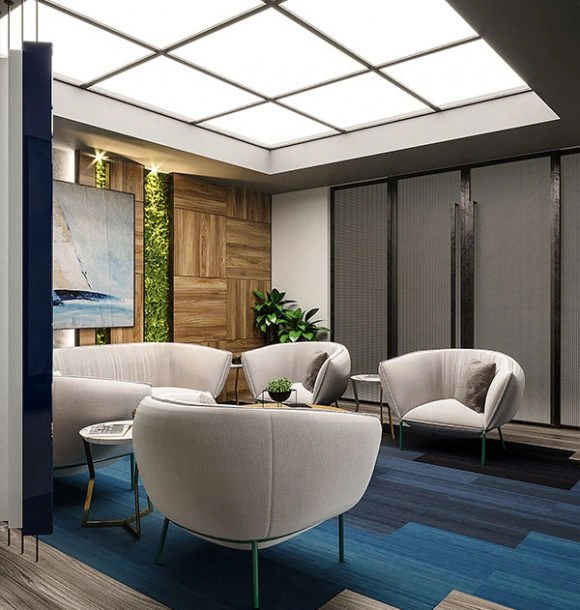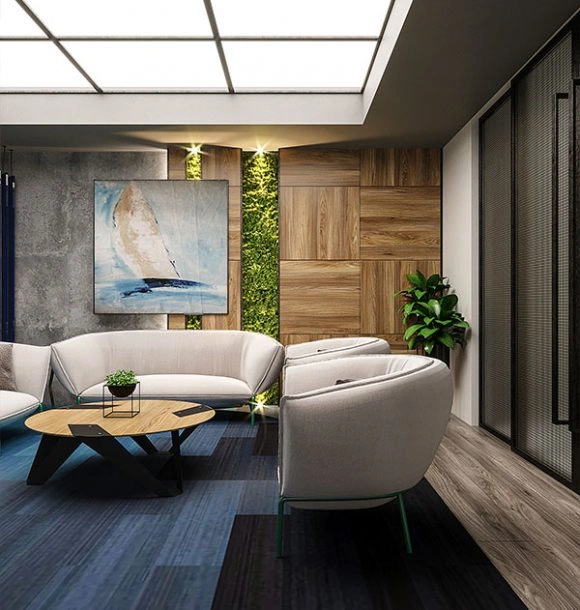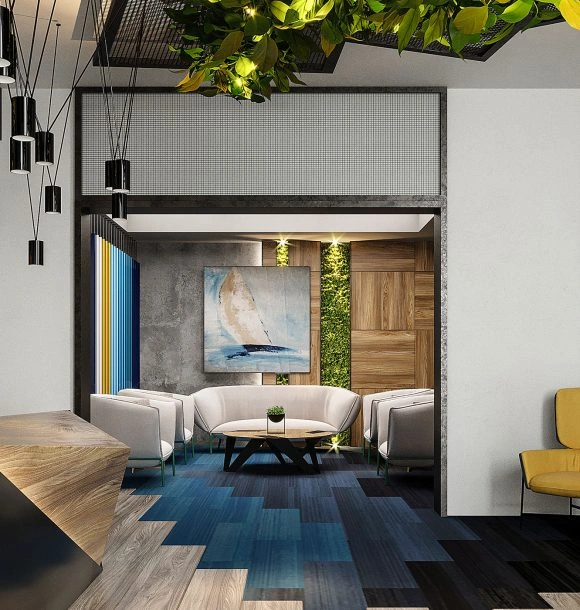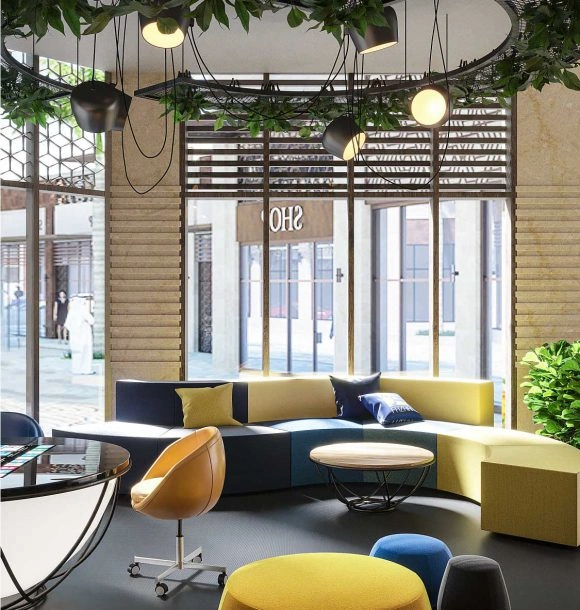
The best interior design style in Dubai depends on your light, climate, property type and how often you host. Warm minimalism and contemporary luxury suit most Dubai apartments, while modern Arabic and neoclassical suit villas. La Firma can match the style to your space.
Most people choose an interior design style in Dubai the way they choose a holiday: from photographs. Then the sofa arrives, the afternoon sun hits it at 3 pm, and the room feels less dreamy than the picture.
Interior design in Dubai is different because the city sets the rules before your taste does. Strong light, long summers, handover apartments with fixed layouts, and villas built for hosting all decide which styles succeed and which only look good on screen.
This guide works the other way round. We start with how Dubai homes actually function, then match seven popular interior design styles in Dubai to that reality. By the end, you will know which style suits your property, which materials last, and which mistakes to avoid before you spend a dirham.
Five Dubai Filters to Apply Before You Choose a Style
Run every style through these five filters. If it fails two or more, keep looking.
- Light. Dubai sunlight is strong and direct. West-facing rooms turn golden in the afternoon and can overheat, while north-facing rooms stay cooler but may look flat. Good natural light design helps, but dark, saturated walls still need careful lighting, while warm neutrals are more forgiving.
- Heat and humidity. Coastal communities such as Dubai Marina and Palm Jumeirah are more humid than inland areas. Wood, leather and upholstery all react to air-conditioned rooms that open onto hot balconies, which is why the UAE climate should guide every material choice.
- Hosting. Many households here entertain often and in large numbers. If you do, seating capacity, durable surfaces and an easy flow between majlis, dining room and kitchen matter more than one statement piece.
- Handover. New apartments usually arrive with fixed ceiling heights, standard finishes and limited room for structural change. Villas offer more freedom, as our guide to villa vs apartment interior design explains, but community guidelines and approvals can still apply.
- Horizon. Will you live here for ten years, or rent the home out in three? A bold style suits a forever home. An investment unit benefits from a flexible base that tenants and buyers can easily imagine themselves in.
Seven Interior Design Styles in Dubai and Who They Suit
Each style below includes a plain verdict, so you can see where it works and where it struggles.
1. Contemporary Luxury
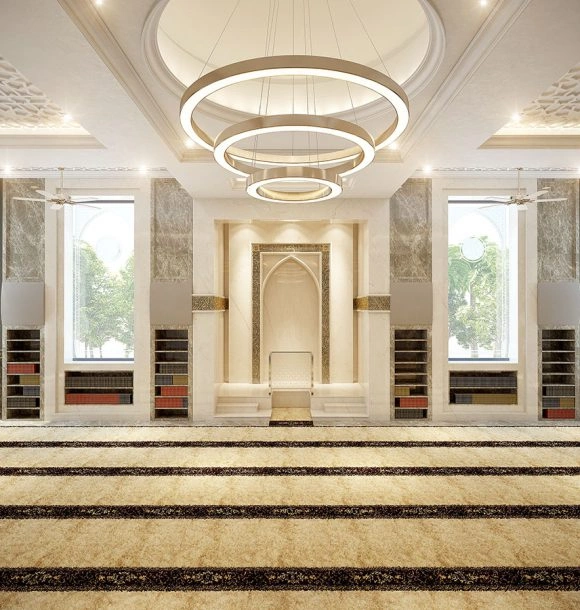
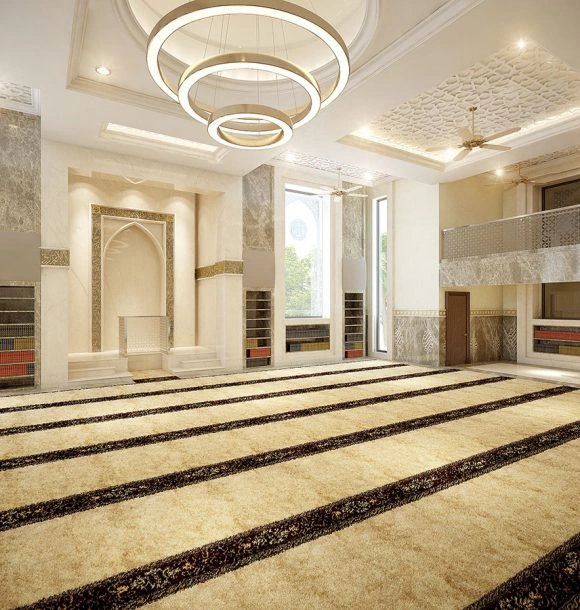
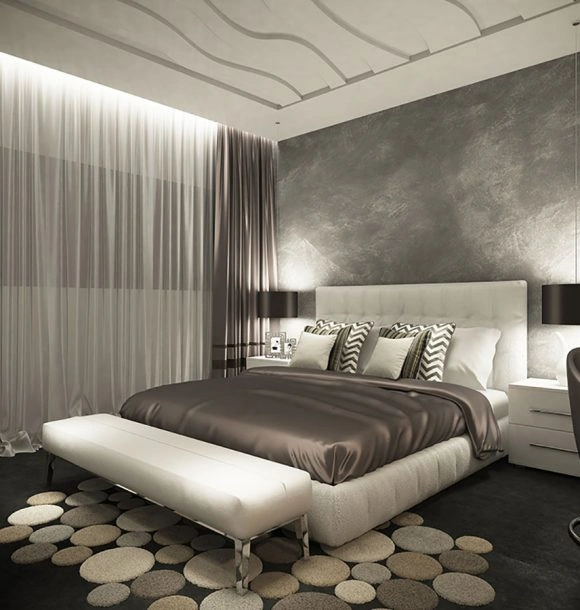
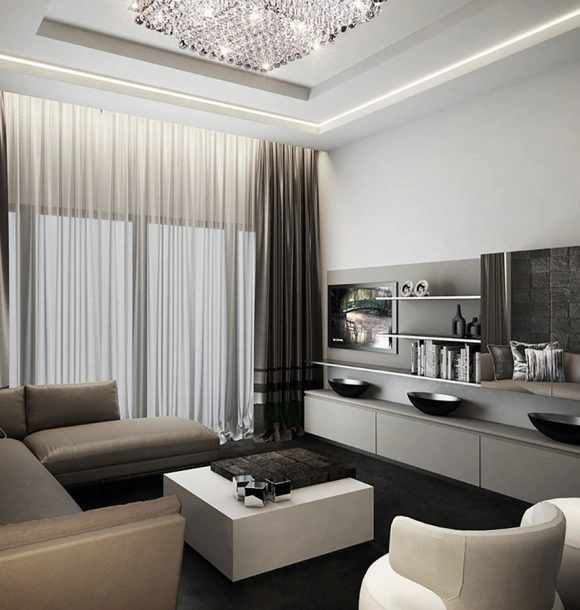
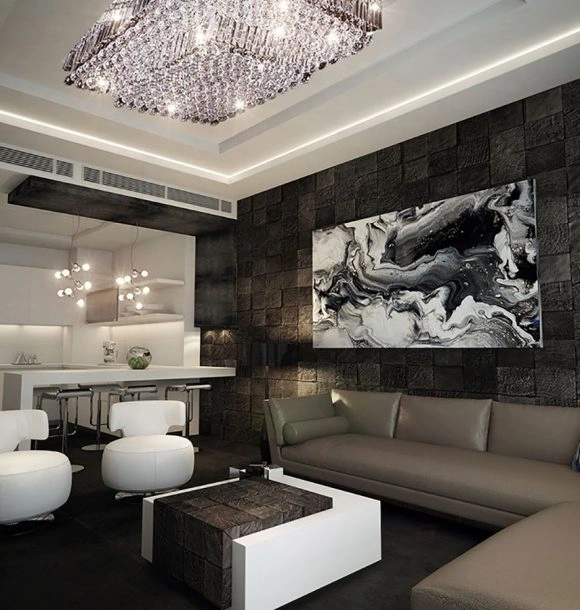
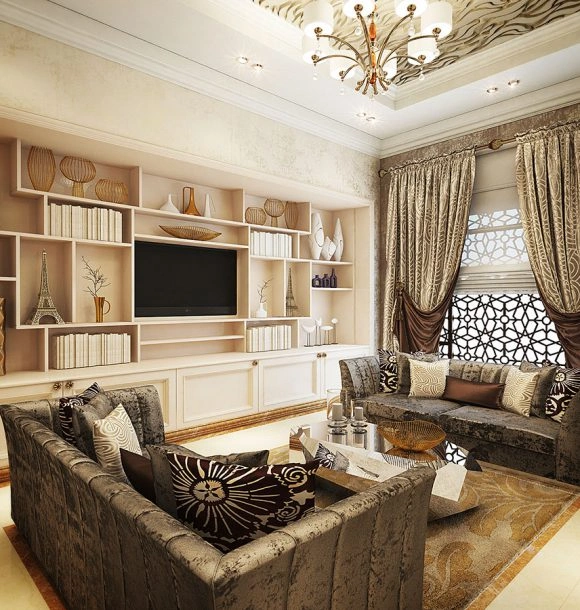
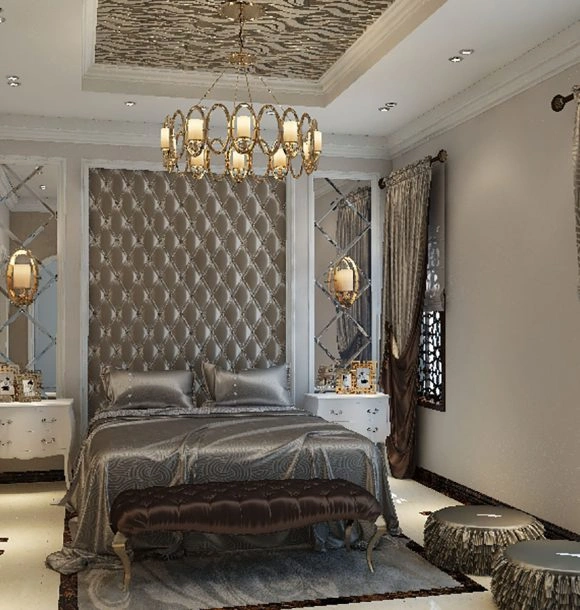
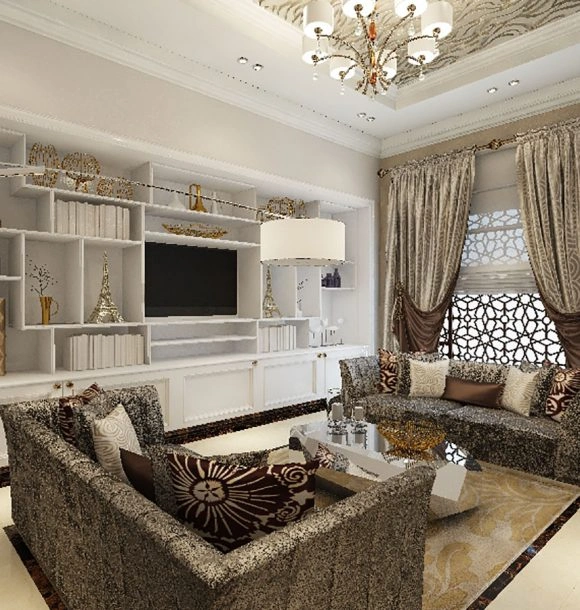
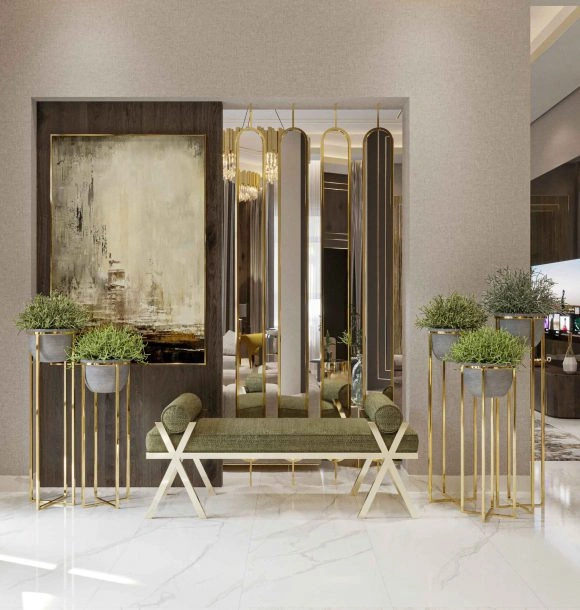
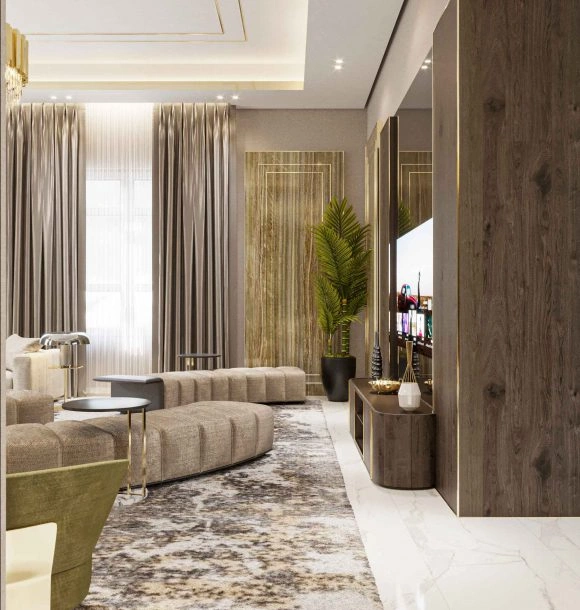
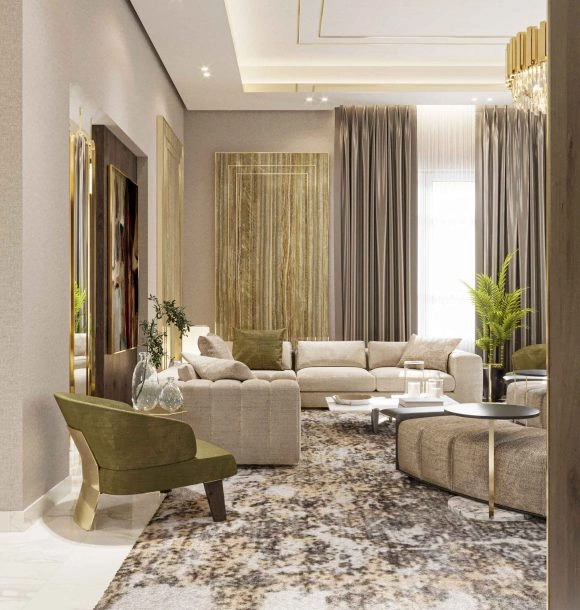
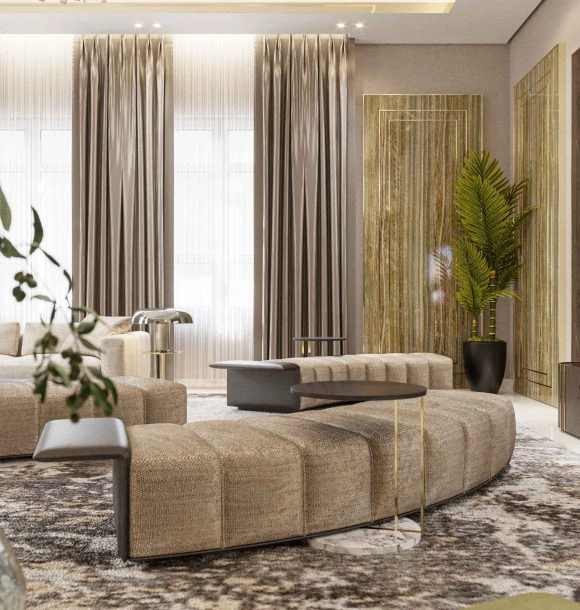
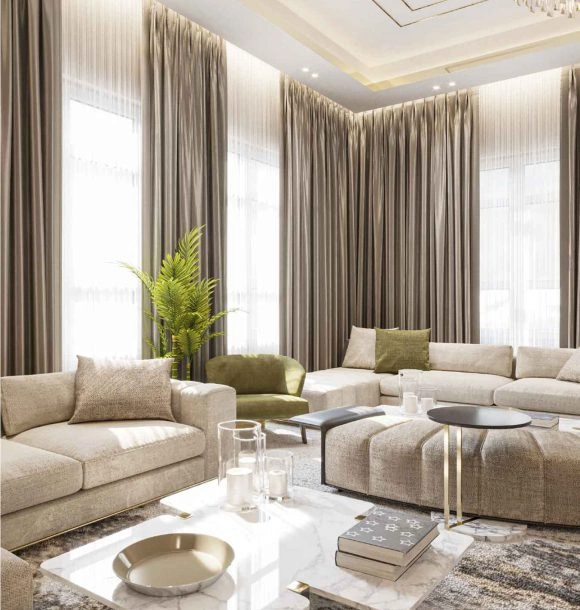
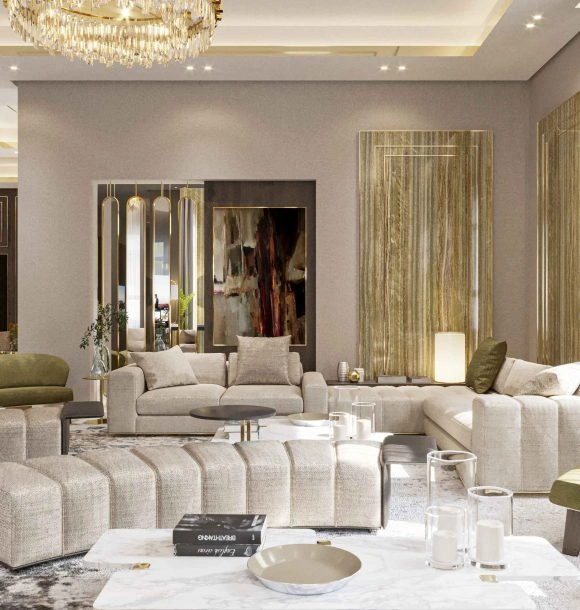
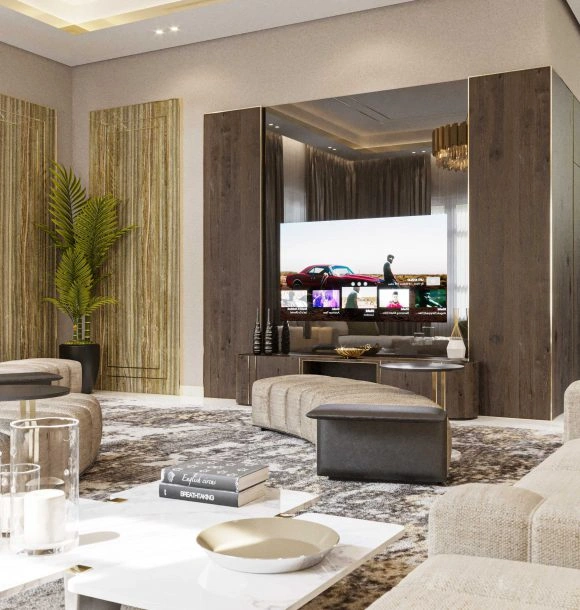
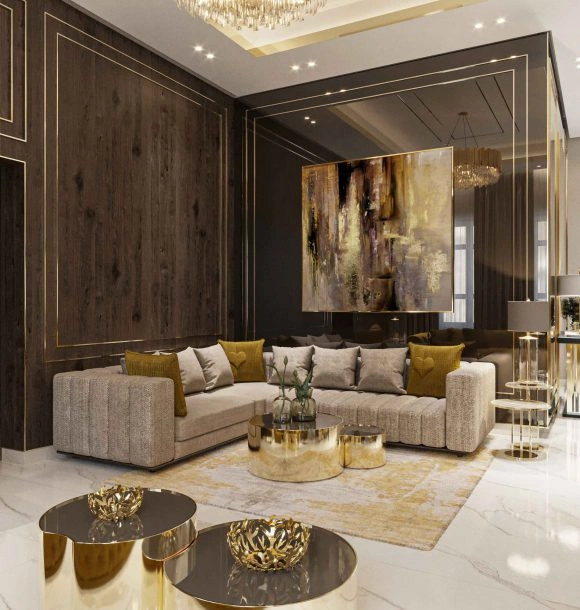
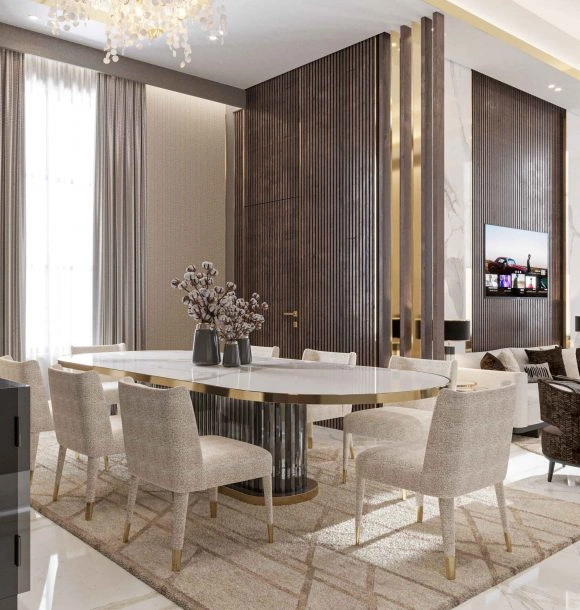
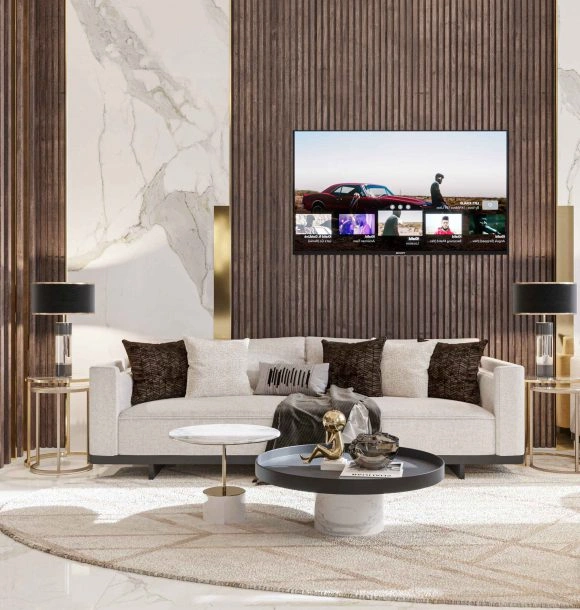
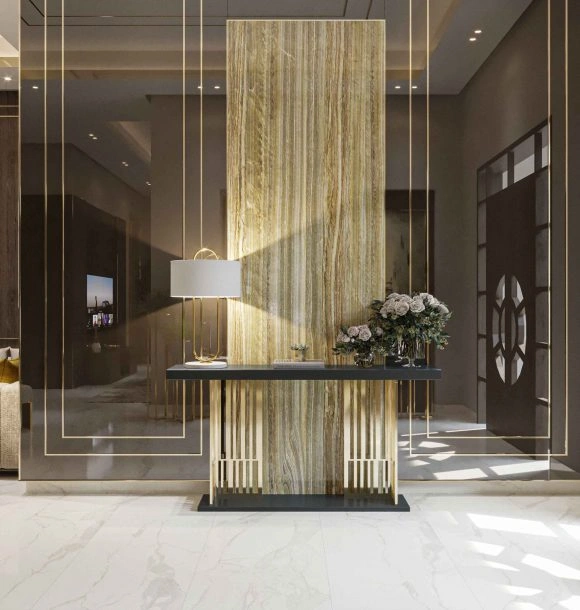
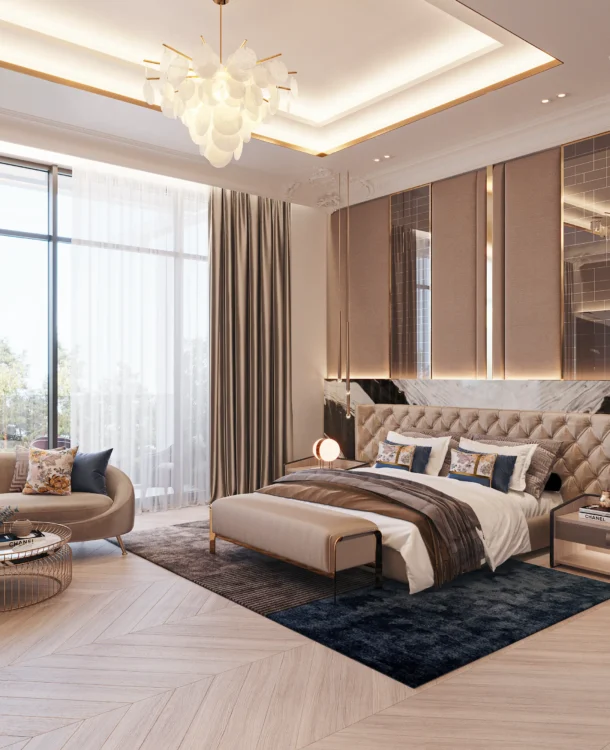
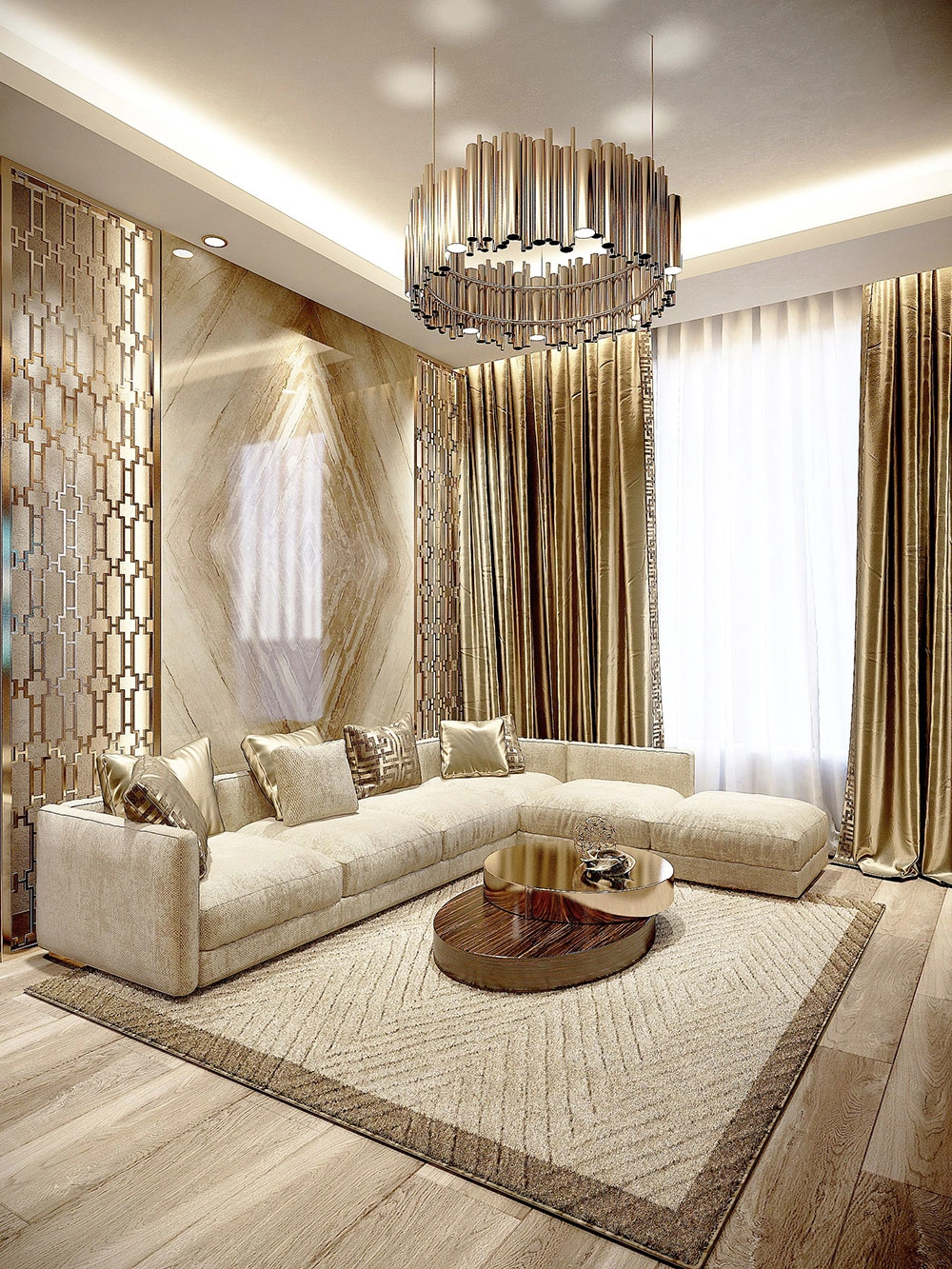
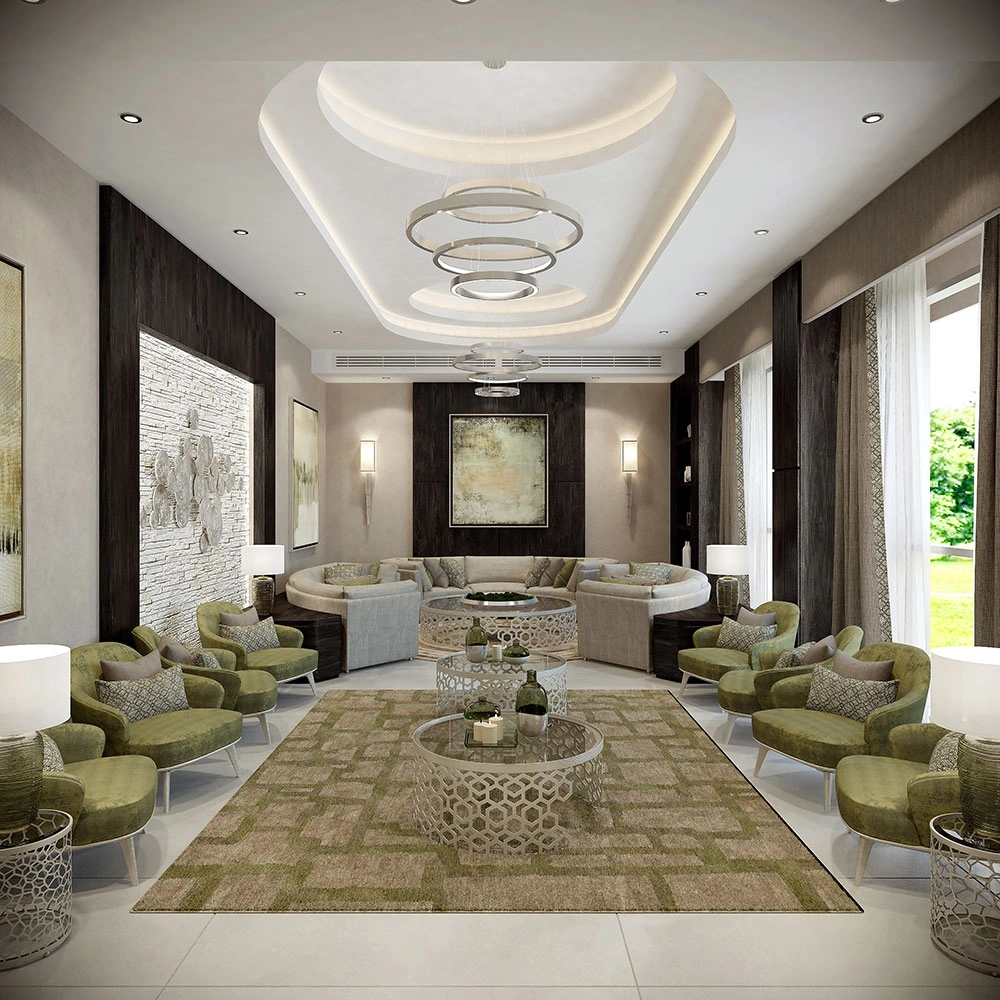
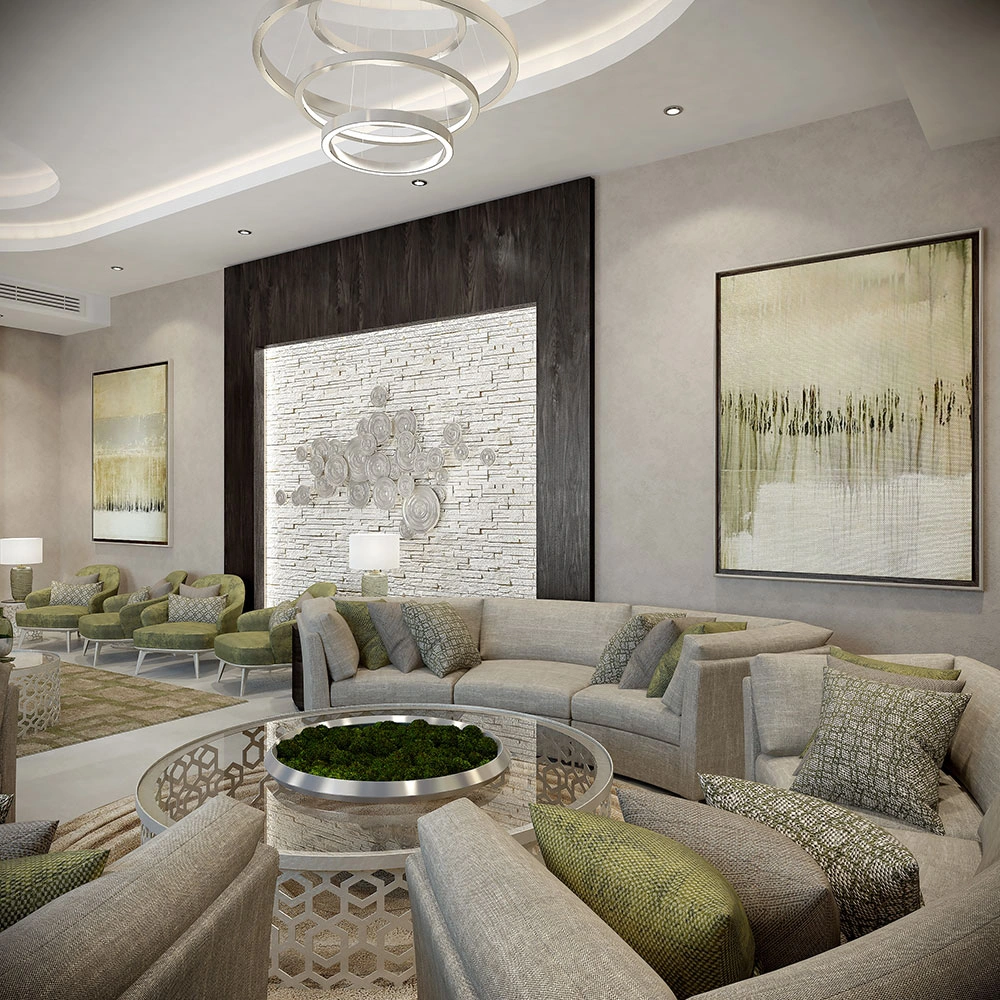
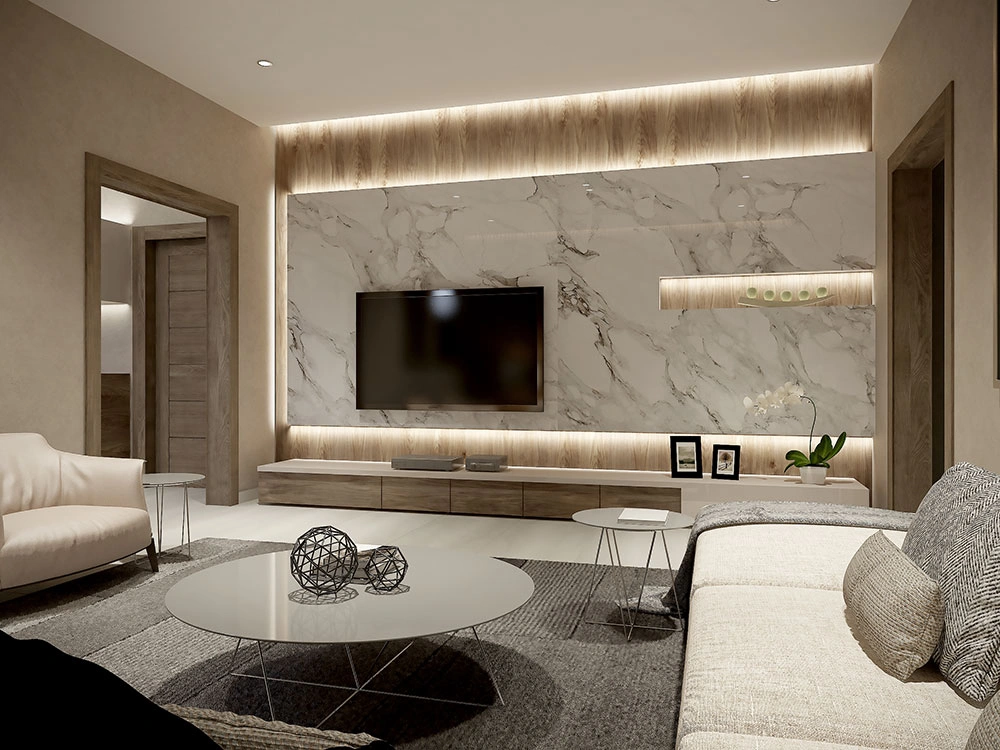
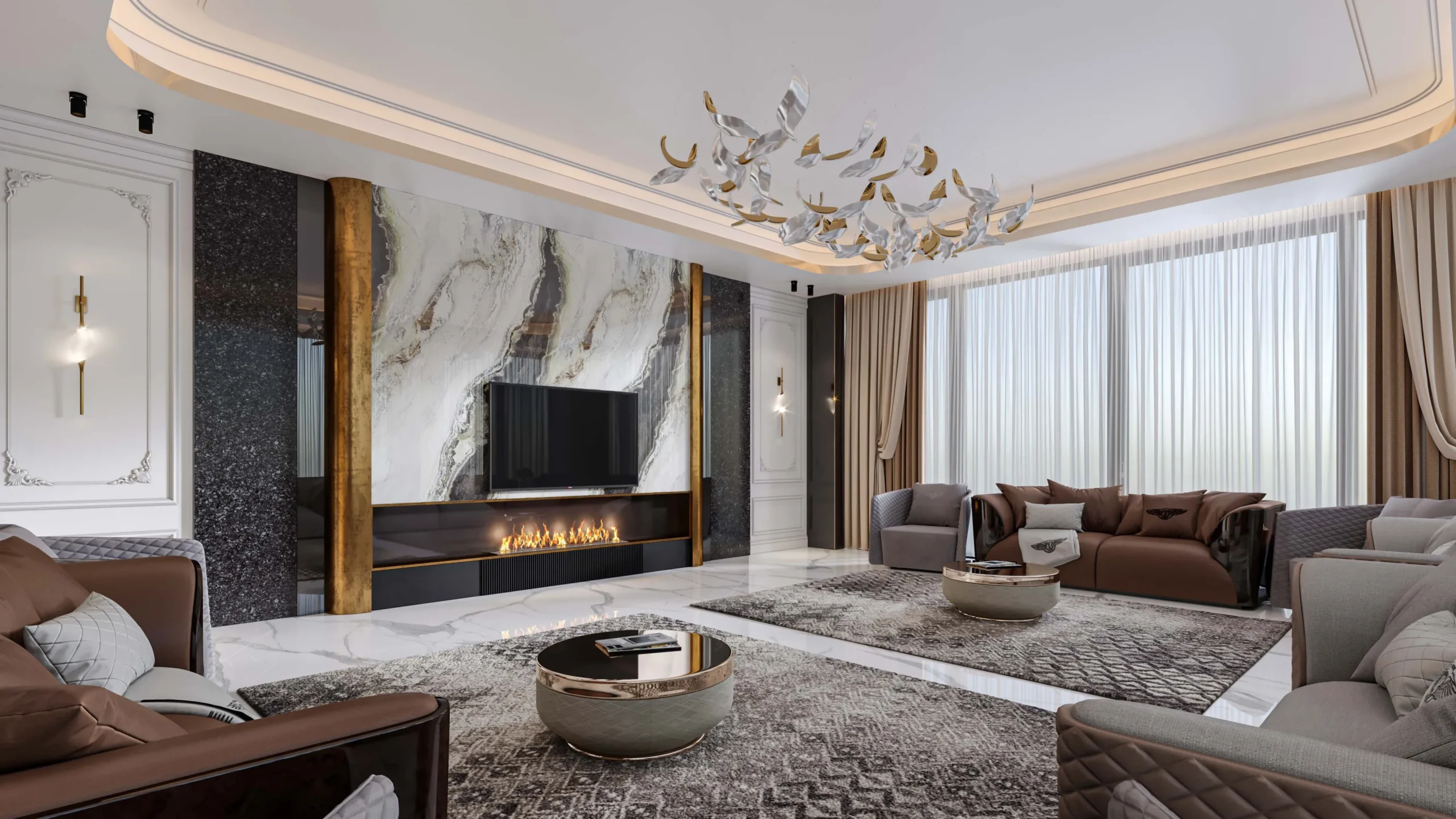
This is the contemporary interior design most people associate with Dubai: polished stone, brass or bronze accents, sculptural lighting and deep, plush seating. It shines in high-floor apartments in Downtown and Dubai Marina, where the view does half the work. The risk is excess. Too many reflective surfaces create glare in strong sun and feel cold at night, so pair marble with timber or textured fabric and keep one hero element per room.
Palette: ivory, champagne and charcoal with brass accents. Best for: apartments with large windows, penthouses and frequent hosts.
2. Warm Minimalism
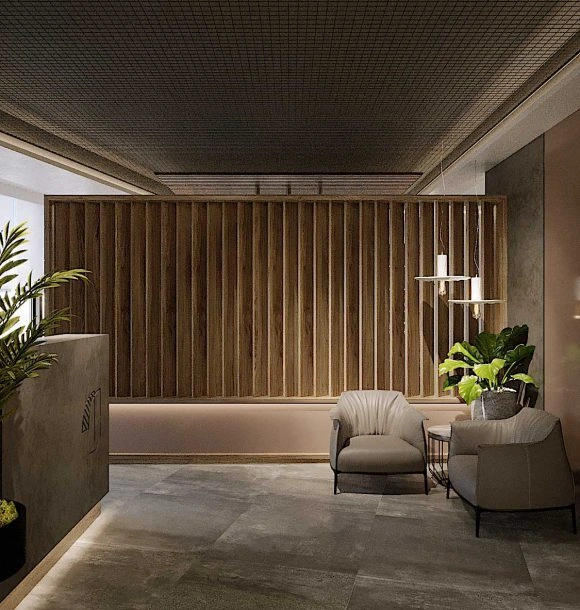
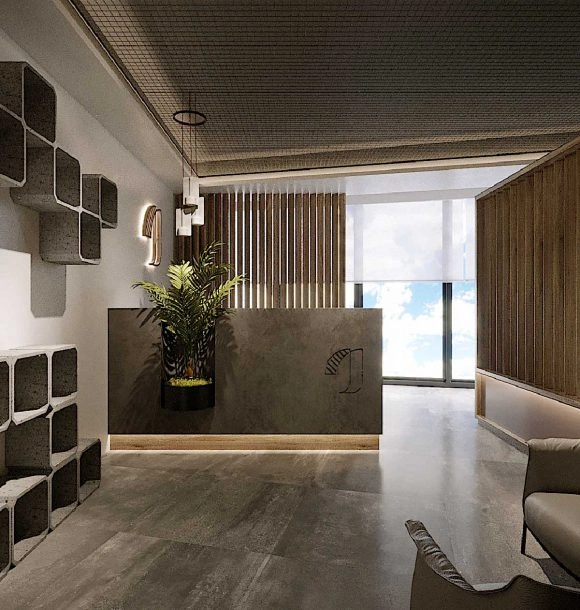
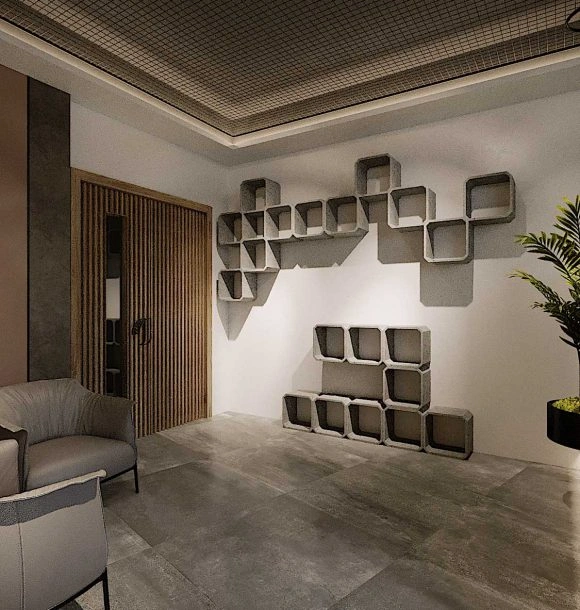
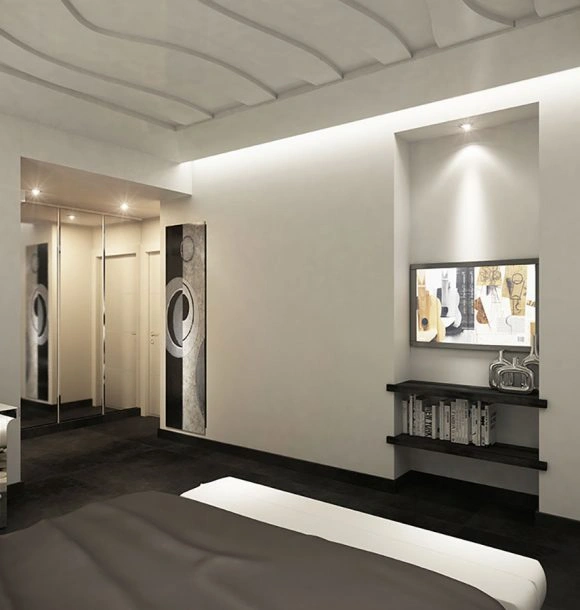
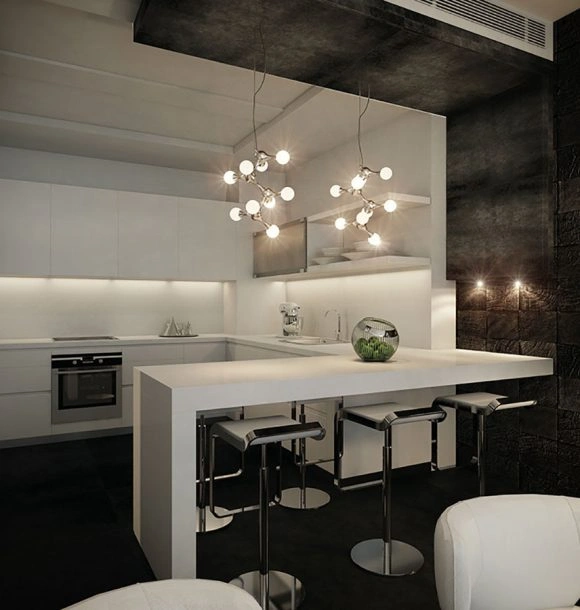
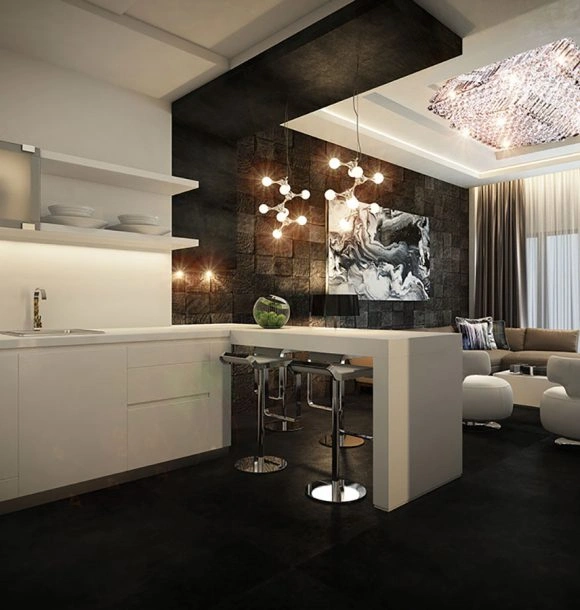
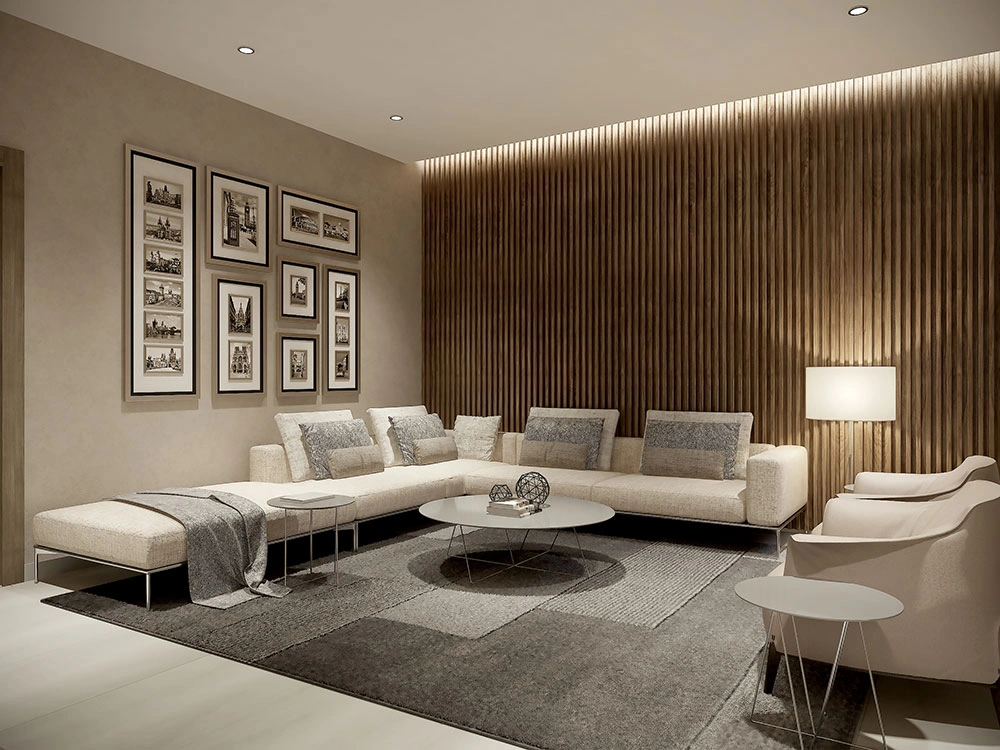
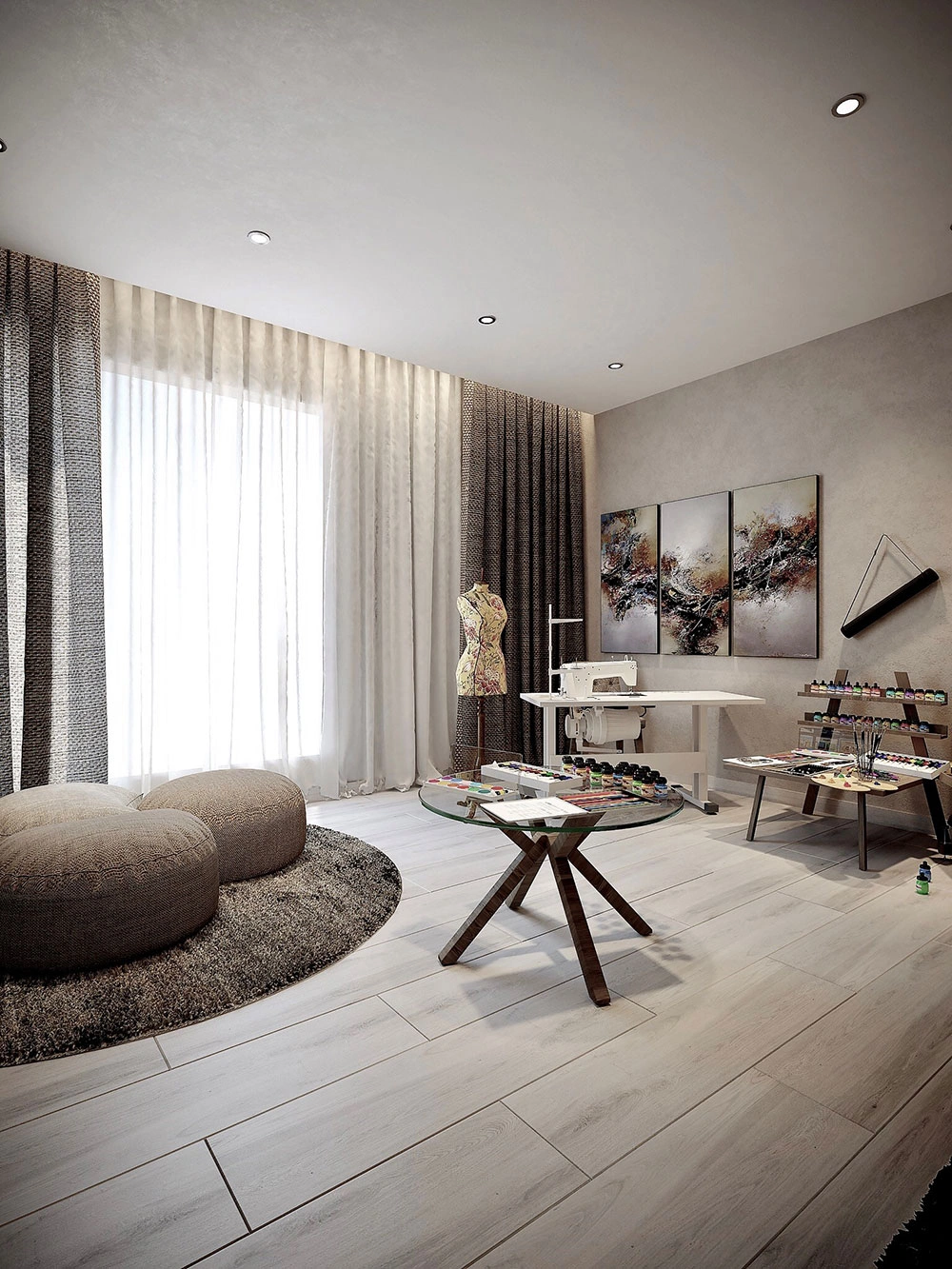
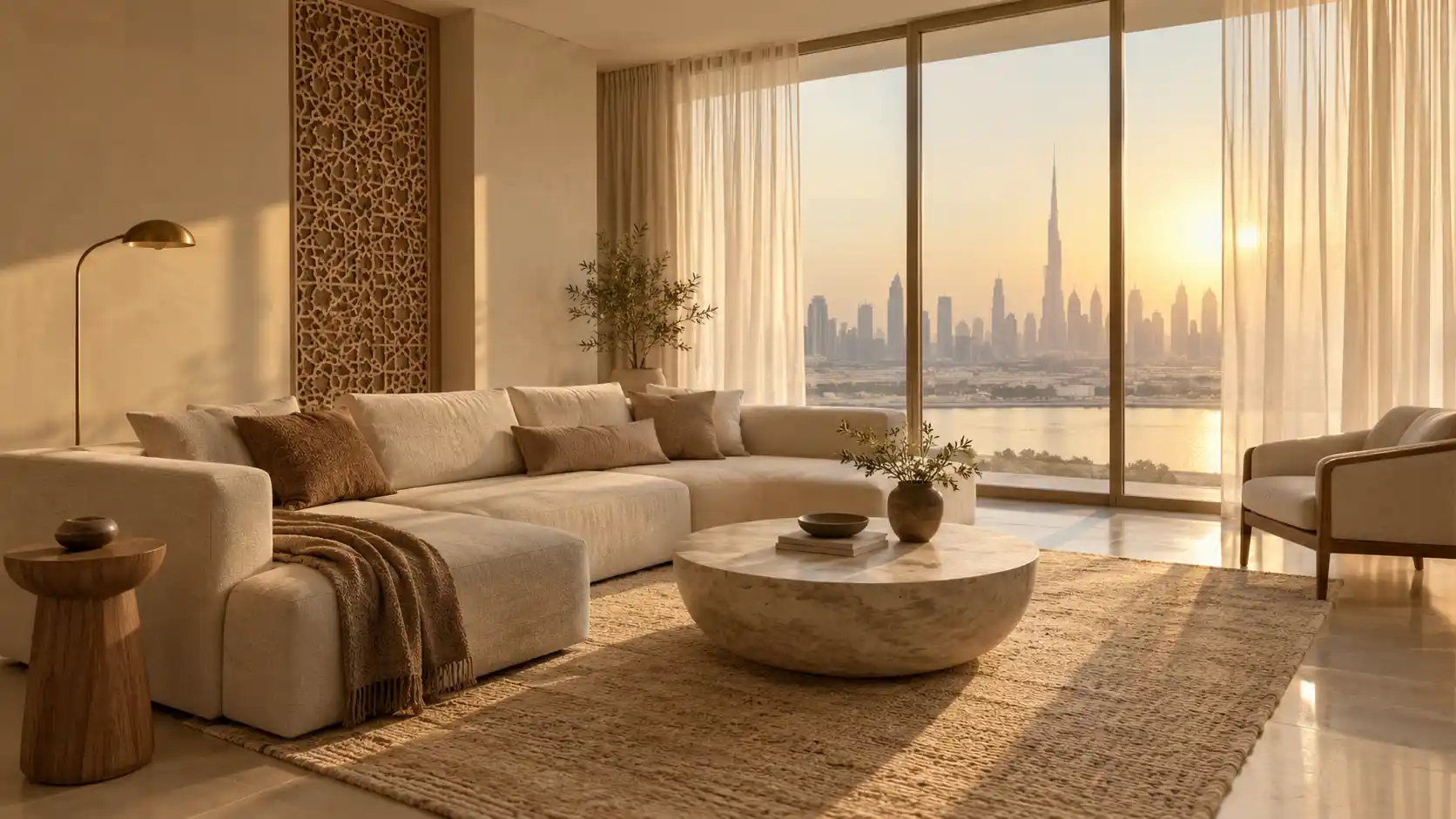
Calm, uncluttered and quietly expensive. Think sand, oat and stone tones, concealed storage and a few beautifully made pieces. It appeals because Dubai life is fast, and a restful home feels like a reset. The catch is that minimalism is unforgiving. Poor joinery, uneven paint and cheap switches show immediately, and without real storage the clutter simply moves onto the surfaces.
Palette: sand, oat, soft stone and warm white. Best for: compact apartments and anyone who wants a restful base.
3. Modern Arabic
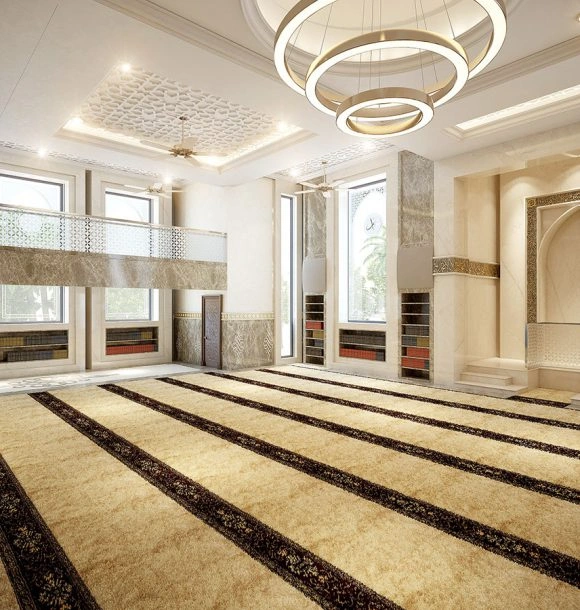
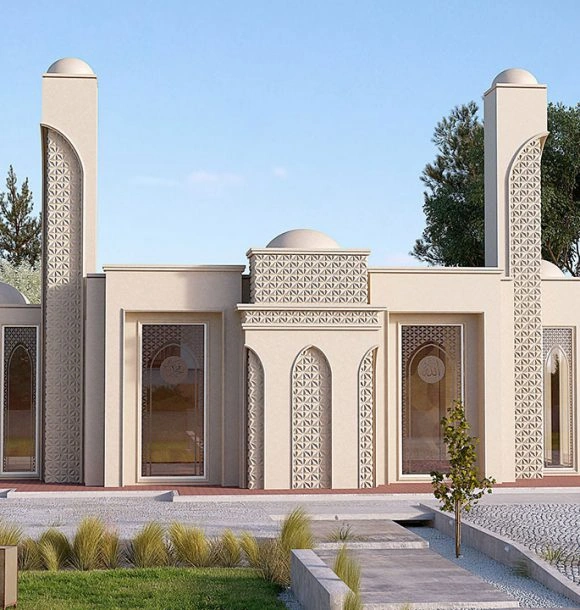
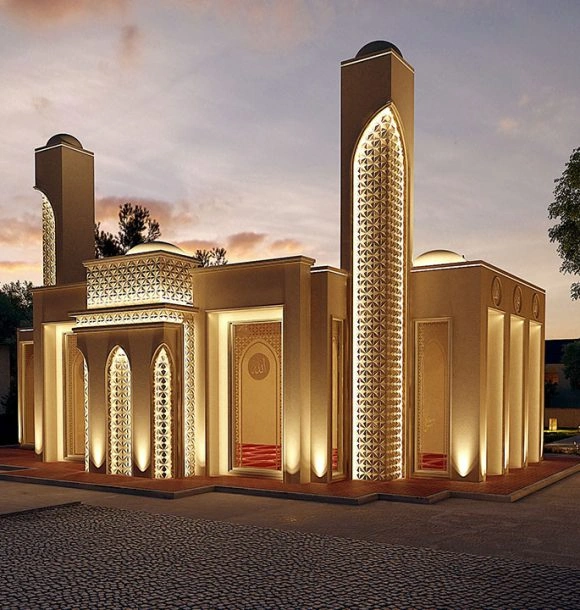
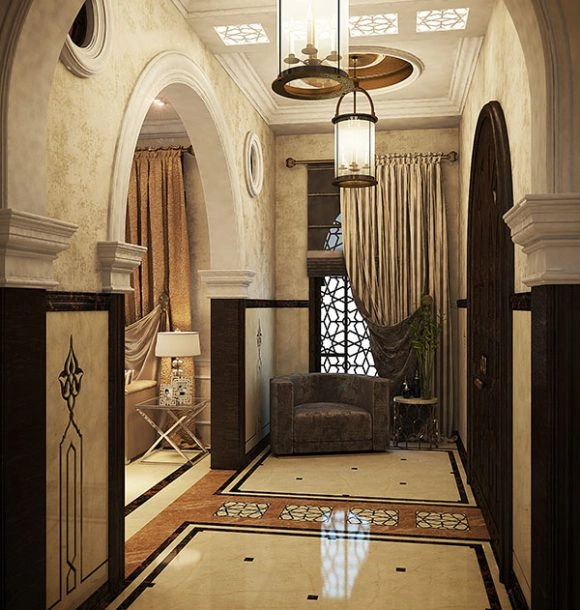
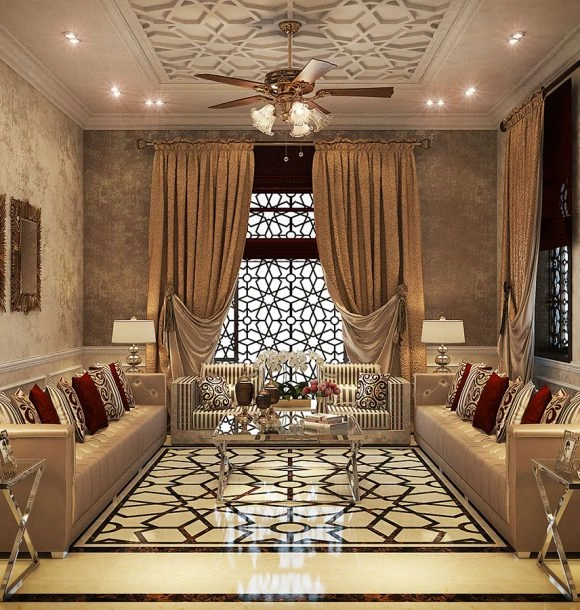
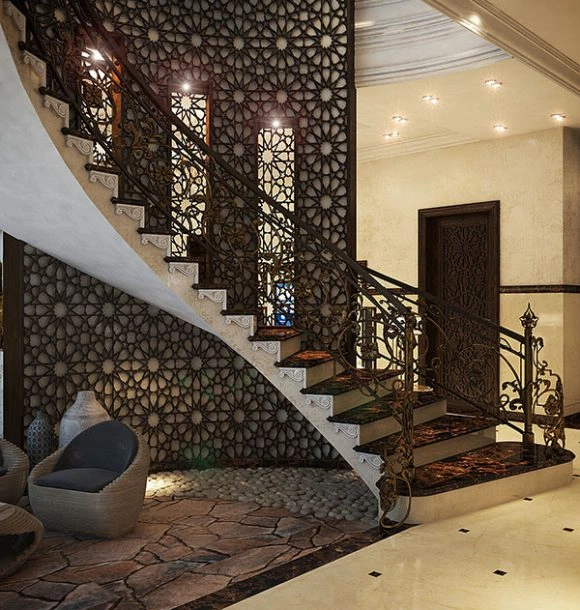
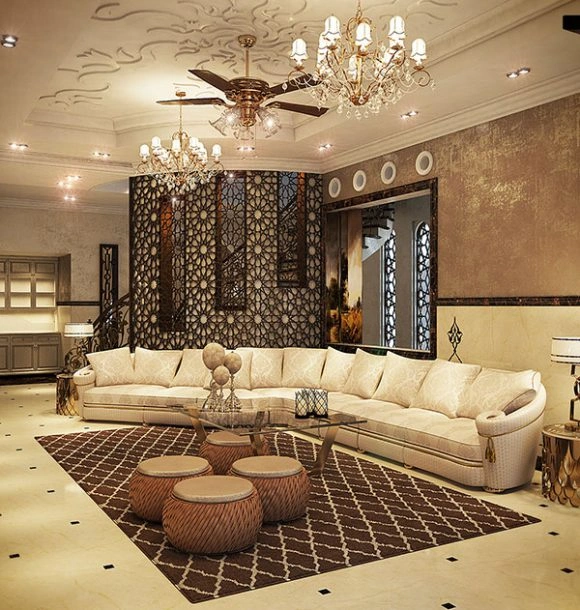
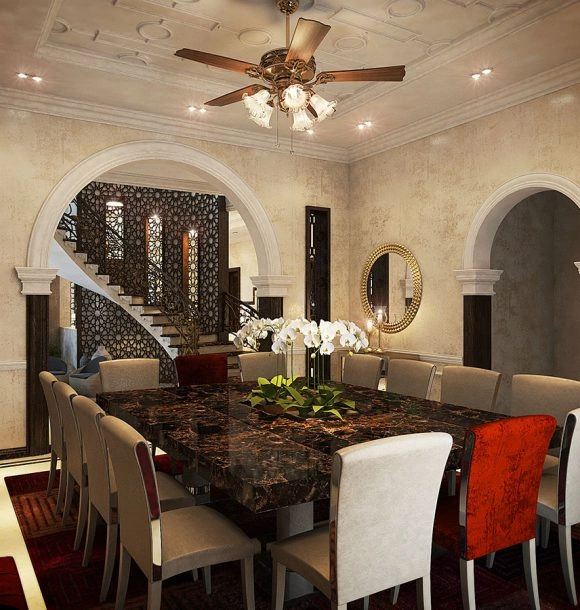
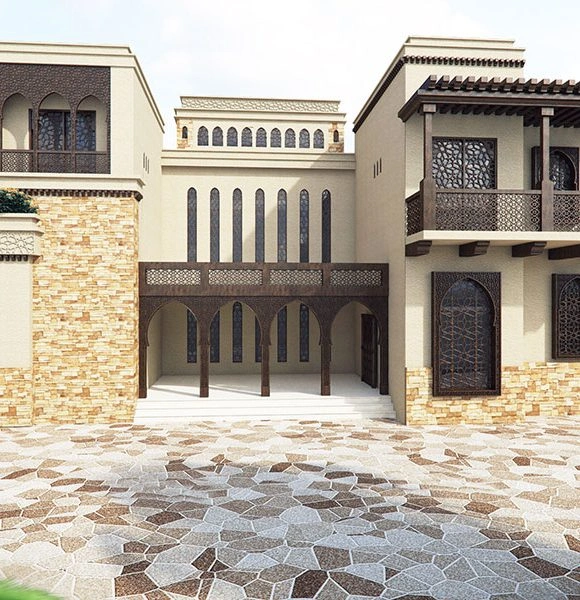
This is a design language rather than a theme: layered geometry, arches, carved screens, rich textiles and a majlis that welcomes guests properly. Modern Arabic interior design in Dubai keeps these cues and simplifies everything else, so a patterned ceiling detail or a screen-inspired partition speaks for the room. Commit to one approach, either restrained or richly ornamented, instead of mixing both.
Palette: deep teal, terracotta, ivory and gold, or a calm neutral version. Best for: villas, family homes and any space where hospitality comes first.
4. Neoclassical
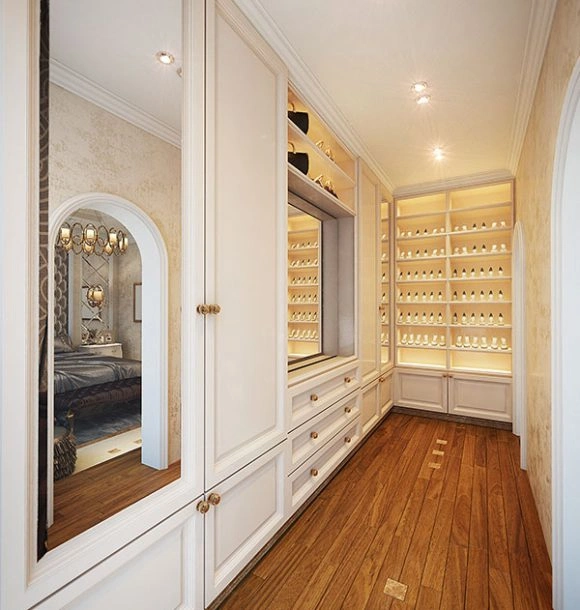
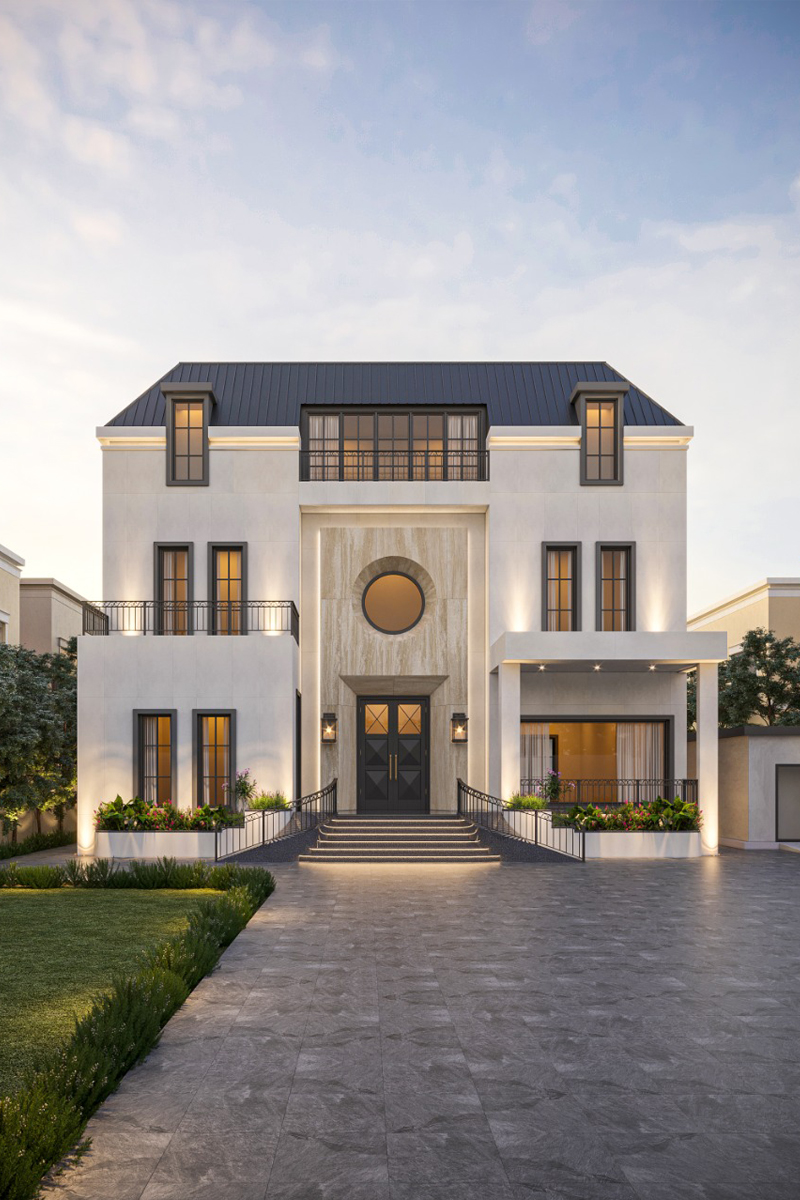
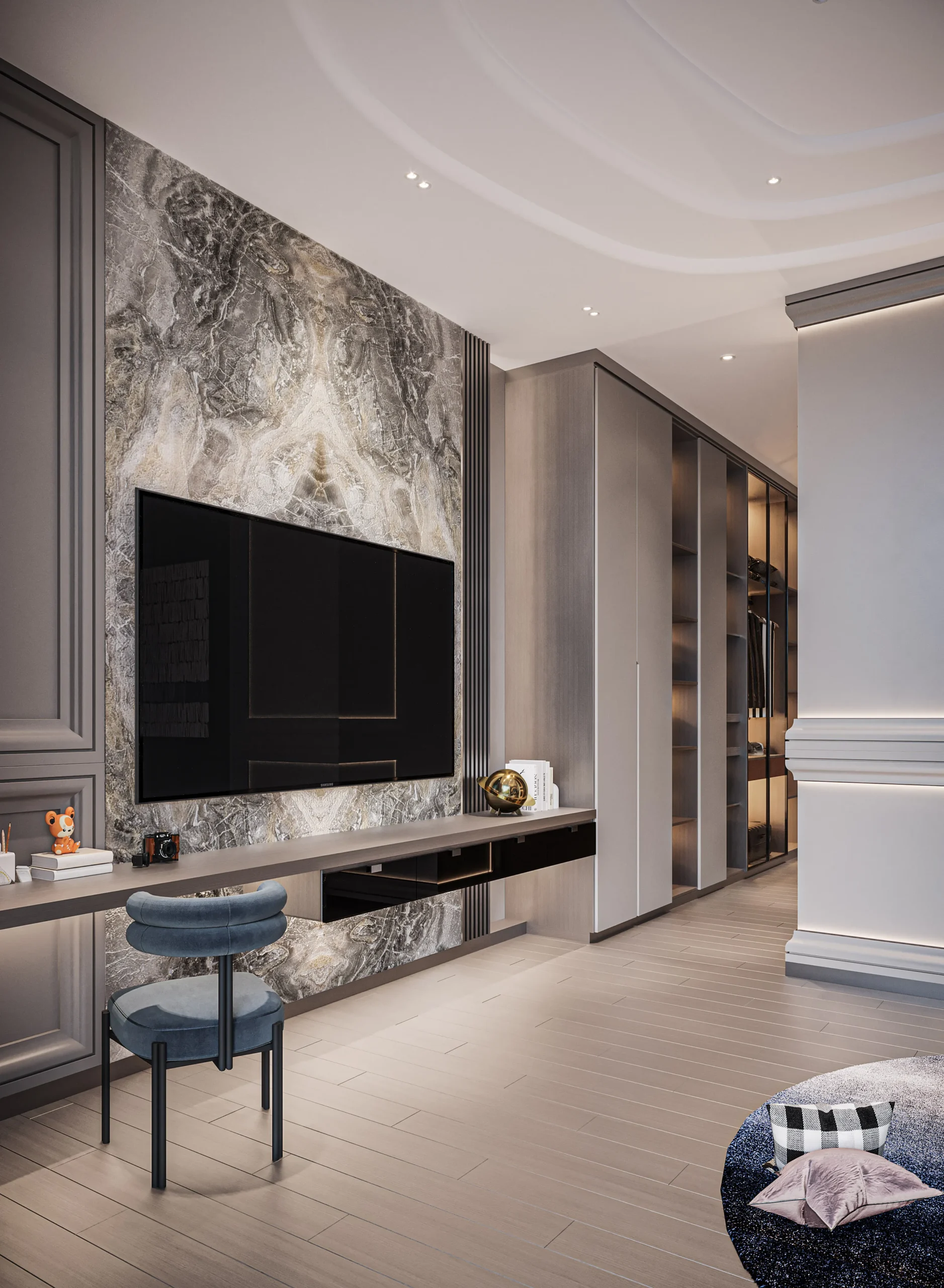
Symmetry, cornices, wall mouldings and chandeliers with real presence. This style needs scale, so it suits large villas with generous ceiling heights. In a standard apartment it can feel crowded. It also depends on craftsmanship: well-cut mouldings look timeless, while cheap ones look like stage scenery.
Palette: white, cream, grey-blue and antique gold. Best for: large villas and formal living areas.
5. Coastal
Dubai coastal is not about seashells and rope. It is pale, airy and textural, with linen, rattan, soft blues and warm whites, and natural light as the main feature. It works beautifully when the sea becomes the artwork. Choose sun-tolerant fabrics and keep the palette light so rooms feel cool.
Palette: warm white, sea blue, sand and natural fibres. Best for: waterfront apartments, beach-side villas and holiday homes.
6. Japandi
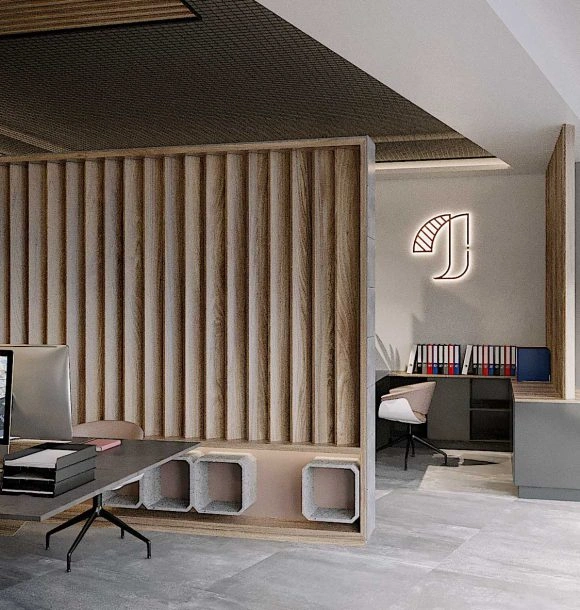
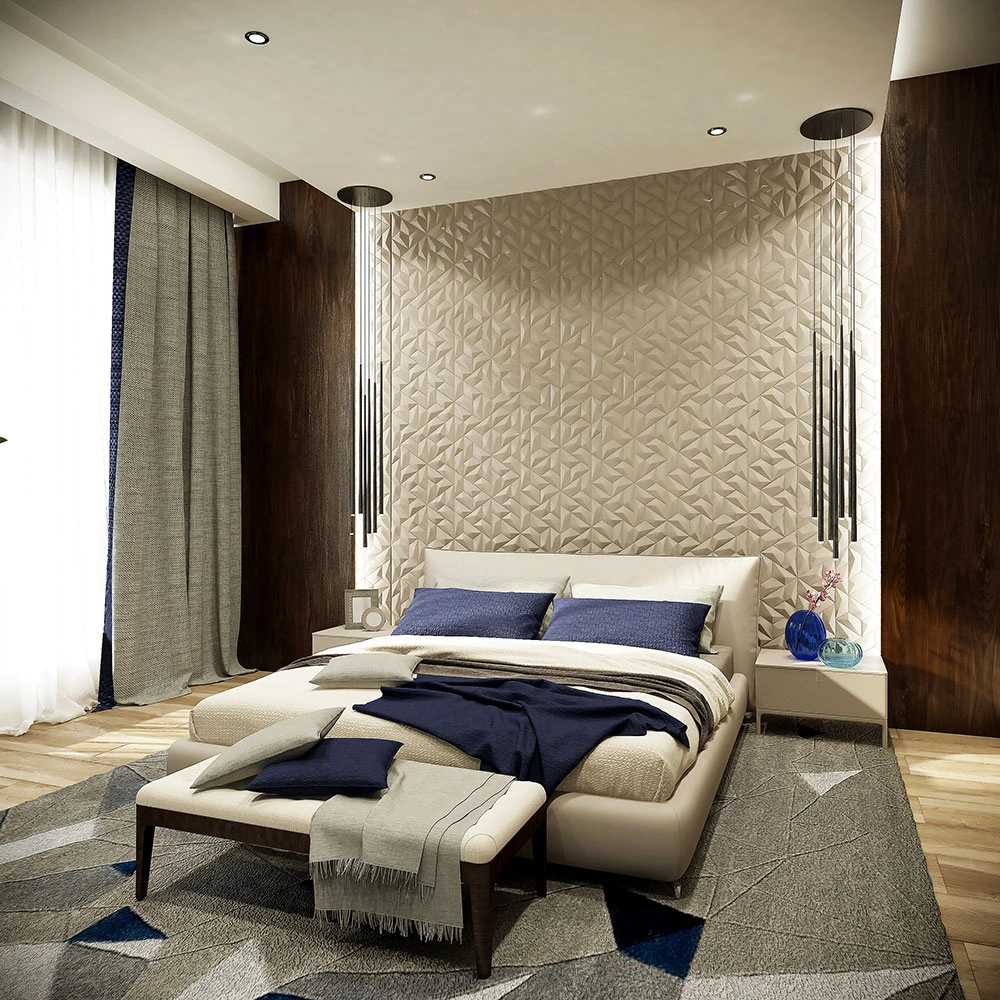
Japanese restraint meets Scandinavian warmth: low furniture, pale oak, soft lighting and a few meaningful objects. It suits Dubai because its calm, natural materials balance the city’s pace. Be careful with timber, though. Our guide to engineered wood flooring in Dubai explains how the climate affects real wood.
Palette: pale oak, stone grey, off-white and charcoal accents. Best for: bedrooms, small families and apartments.
7. Industrial Loft
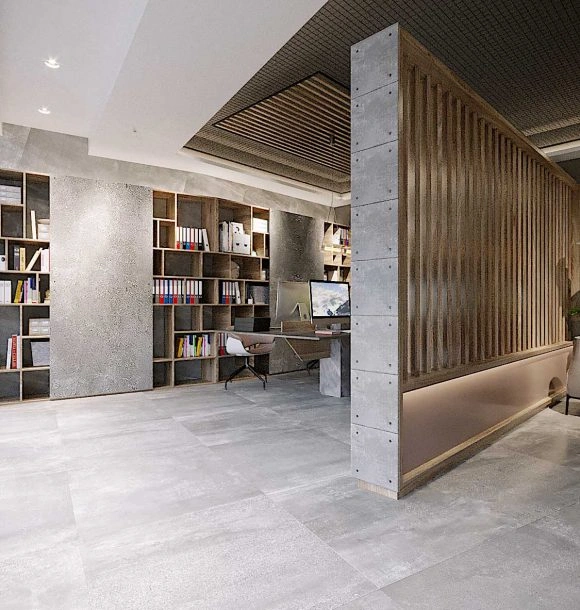
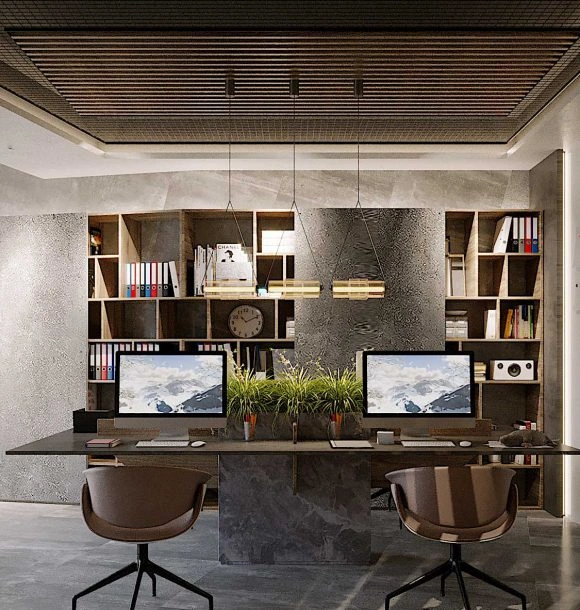
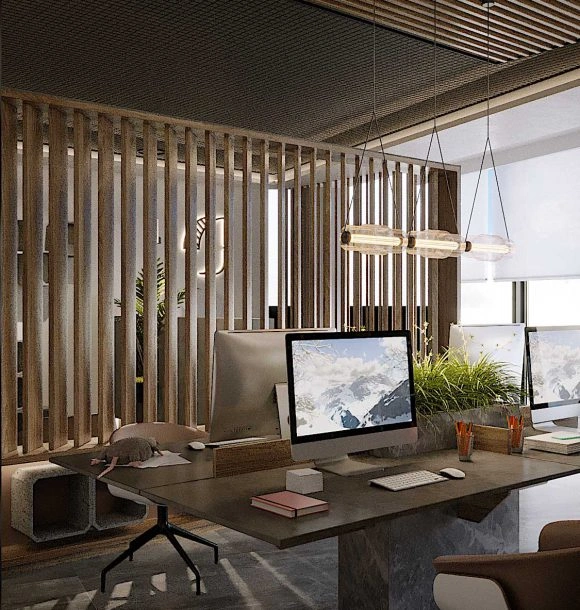
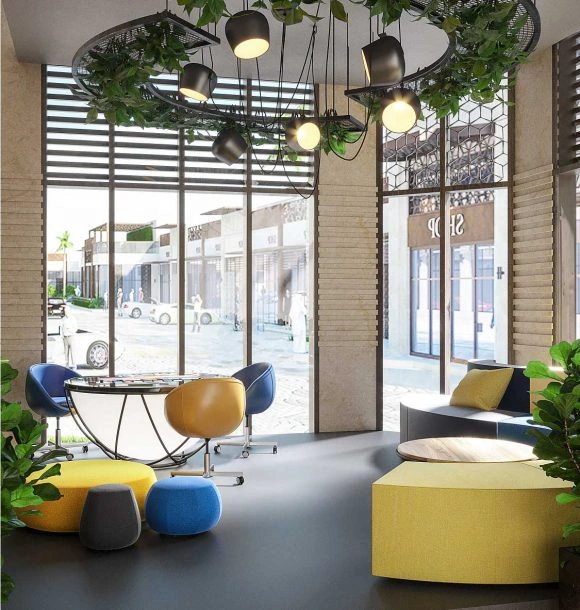
Exposed concrete textures, black metal, leather and warm bulbs. It is less common here, but it works in loft-style units, studios and home offices. Soften it with timber, rugs and layered lighting so the space feels lived in rather than harsh.
Palette: charcoal, tobacco leather, black metal and warm timber. Best for: lofts, studios and creative workspaces.
Match Your Style to Your Property Type
| Property | Styles that work | Watch out for |
|---|---|---|
| Apartment (Marina, Downtown, JLT) | Warm minimalism, contemporary luxury, coastal, Japandi | Fixed layouts, building rules, limited storage |
| Townhouse | Contemporary, Japandi, modern Arabic | Narrow plans and stairs that limit furniture size |
| Villa (Arabian Ranches, Emirates Hills, Palm Jumeirah) | Modern Arabic, neoclassical, contemporary luxury | Scale, double-height spaces, indoor-outdoor flow |
| Penthouse | Contemporary luxury, warm minimalism | Glare and heat on terraces and glazed walls |
| Rental or investment unit | Warm minimalism, light coastal | Over-personalised choices that narrow your tenant pool |
A table only goes so far. Two apartments in the same tower can feel completely different because one faces the sea and the other faces a service road. That is why a site visit matters before any style is confirmed. If you are renovating, read our guide to apartment renovation approvals in Dubai before you commit to a layout change, since building NOCs can decide what is possible. Villa owners can follow our villa interior designer planning process, and residents of Dubai Hills can see our interior design in Dubai Hills page, while our home renovation in Dubai service covers the build.
Materials That Behave Well in Dubai
A style is only as good as the materials behind it. These choices tend to age best here.
- Flooring. Porcelain and natural stone handle heat and foot traffic well. Polished marble looks superb but can be slippery, so consider a honed or matt finish near entrances, bathrooms and kitchens. Engineered wood is usually more stable than solid wood in air-conditioned homes.
- Fabrics. Direct sun fades dyes and weakens fibres. Choose performance linen, treated cotton or fabrics rated for light-fastness, and combine sheer layers with blackout curtains to manage glare.
- Joinery. Kitchens and wardrobes should use moisture-resistant boards with well-sealed edges, particularly near wet areas. Even a detail such as MDF skirting in Dubai varies widely in moisture resistance. Our custom furniture materials guide goes deeper.
- Metal finishes. Brass and bronze with a protective coating hold their colour better than untreated metal, especially near the coast.
- Outdoor areas. Choose aluminium, teak or powder-coated frames with UV-resistant cushions. For terraces, compare WPC decking options.
Colour and Lighting: Where Dubai Rooms Succeed or Fail
Colour behaves differently under Dubai’s light. A grey that looks soft in a showroom can turn cold, or even green, in bright sun. Always test paint samples on the actual wall and view them in the morning, at midday and in the evening. Our living room colour palette guide is a helpful starting point.
Lighting does the heavy lifting after sunset. Plan three layers: ambient light for general use, task light for kitchens and desks, and accent light for art and joinery. Warm white bulbs, around 2700 to 3000 kelvin, create the welcoming feel most Dubai homes aim for. Add dimmers in living rooms and bedrooms so the same space can feel bright at noon and intimate at night.
A Simple Weekend Test Before You Commit
Before you spend anything, try this:
- Collect ten images of rooms you love and look for the pattern. Colour, texture or layout usually repeats.
- Place fabric and paint samples near your window at 4 pm, when the light is harshest.
- Sit in the room after sunset and notice how it feels with only lamps on.
- List what you must store and where it will live. A style that has no answer for your storage will not last.
- Ask for a 3D interior rendering to judge proportions before anything is built.
Six Mistakes to Avoid When Choosing a Style in Dubai
- Copying a showroom. Showrooms have perfect lighting and no daily life. Test every idea against your own rooms.
- Ignoring orientation. The direction your windows face changes colour, temperature and fabric life.
- Mixing too many styles. One main style plus one supporting influence is enough.
- Underbudgeting joinery and lighting. They shape a room more than furniture does, so protect that budget first, and consider custom furniture where standard sizes fail.
- Forgetting approvals. Moving walls, wet areas or electrical points may need building permission. Our home renovation checklist is a useful place to start.
- Buying everything at once. Live in the space for a few weeks, then add accessories. When you do buy, see our guide to buying furniture in Dubai.
How a Designer Turns Style into a Finished Home
A good designer translates your taste into decisions that survive real life. A typical interior design process starts with a brief and site visit, then moves through concept and mood boards, technical drawings and material selection, a clearly costed scope, and supervised delivery by an interior project manager. Each stage reduces surprises, because choices are tested on paper before they are built in your home.
Our home interior design service covers concept through handover, our fit-out team manages the build, and our bespoke furniture is made to suit the room. Larger projects can use our project management team, design-build or turnkey fit-out approach, and villa owners can explore our villa makeover options. You can see the results in our residential portfolio, including the Palm Jumeirah villa.
Frequently Asked Questions
Q1: What is the most popular interior design style in Dubai?
A: Contemporary luxury and warm minimalism are the most common choices in new apartments, while modern Arabic and neoclassical remain popular in villas.
Q2: Which style works best for a rented apartment?
A: Choose a flexible base such as warm minimalism or light coastal. Keep permanent finishes neutral and add personality through pieces you can take with you.
Q3: How do I choose a style for a villa?
A: Start with scale, how you host, and how indoor spaces connect to outdoor areas. Then choose one main style and one supporting influence.
Q4: Can I mix interior design styles?
A: Yes, but keep a clear hierarchy. One dominant style with a small supporting influence looks intentional, while three or four equal styles look confused.
Q5: Does interior work in Dubai need approvals?
A: Often, yes. Structural, plumbing, electrical and façade-related work usually needs permission, so check with your building management or community developer before starting.
Choose the Style That Fits the Life You Actually Live
The best interior design in Dubai is not the most dramatic. It is the one that respects the light, handles the climate, welcomes your guests and still feels like you in five years. Use the five filters, test your favourite style honestly, and invest first in joinery, lighting and materials.
If you would like help turning a style into a plan, book a free consultation with La Firma, a Dubai interior design company, or message us on WhatsApp at +971 50 393 0668.