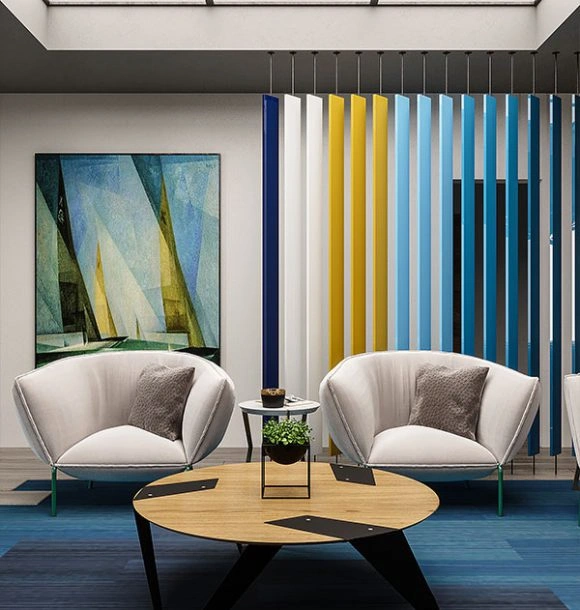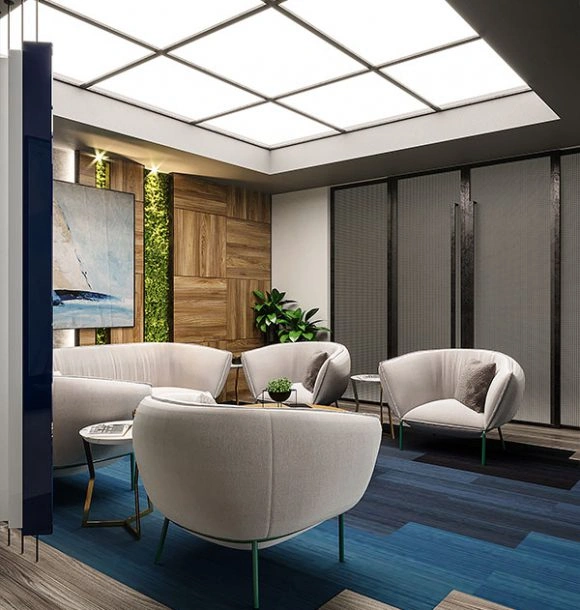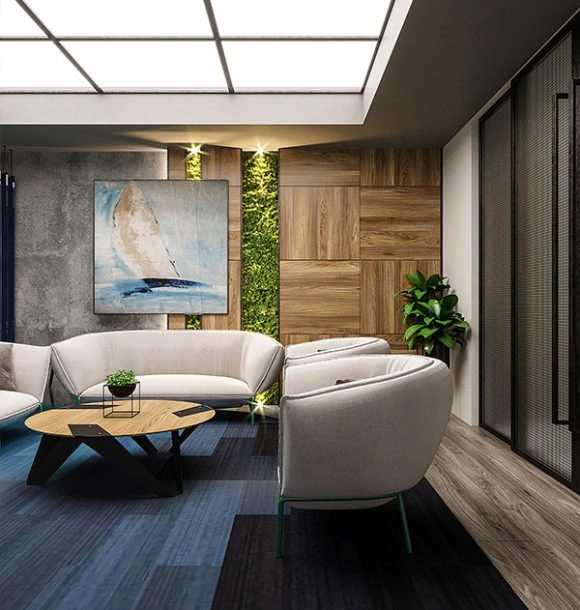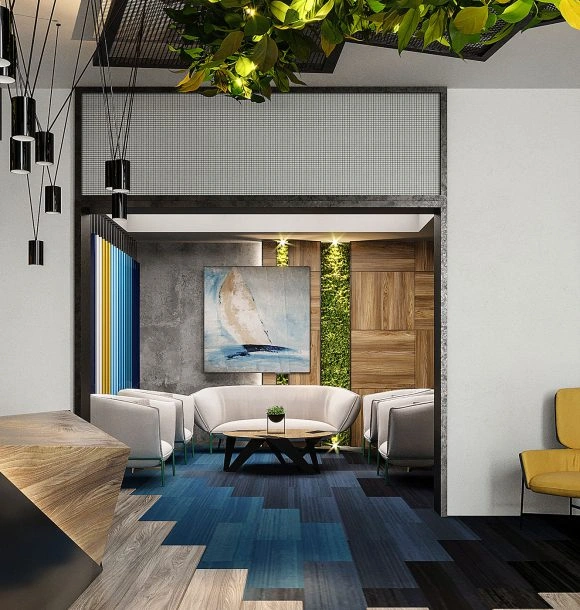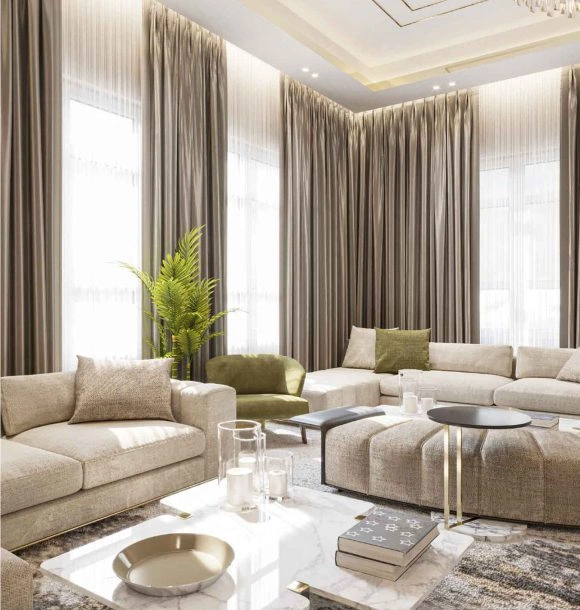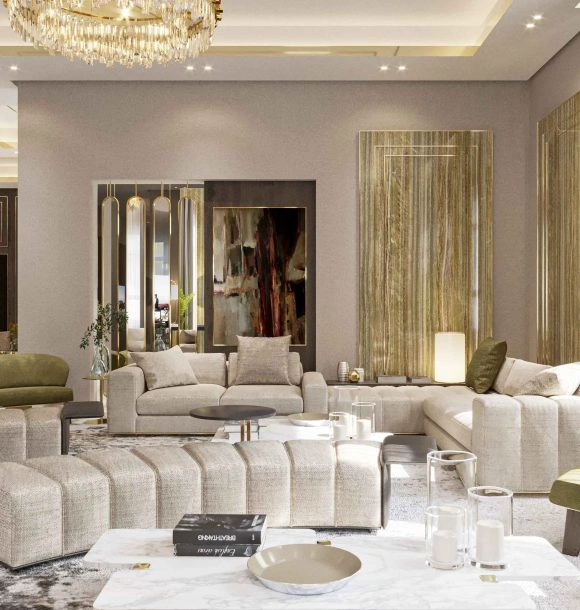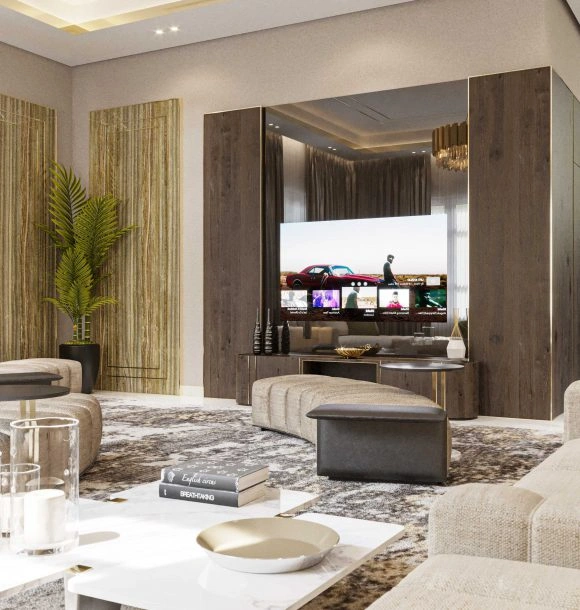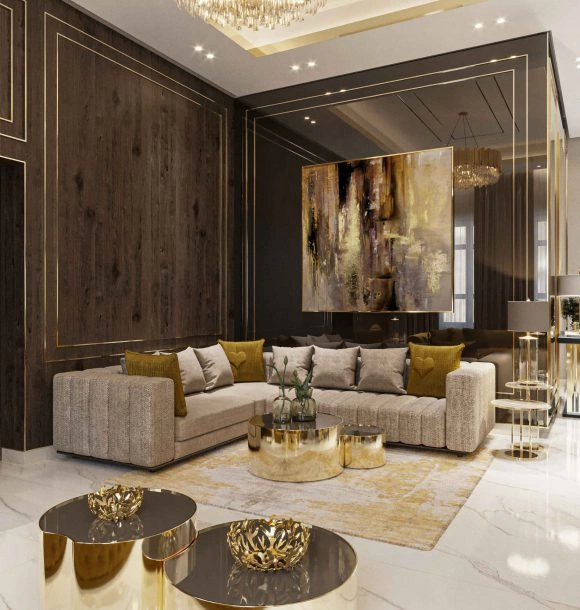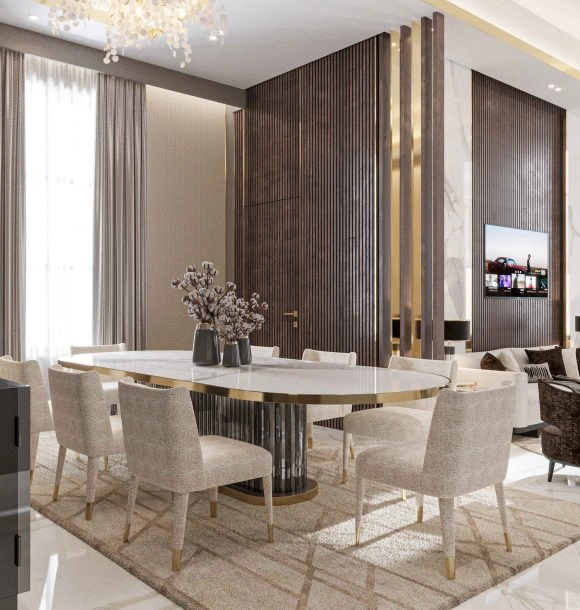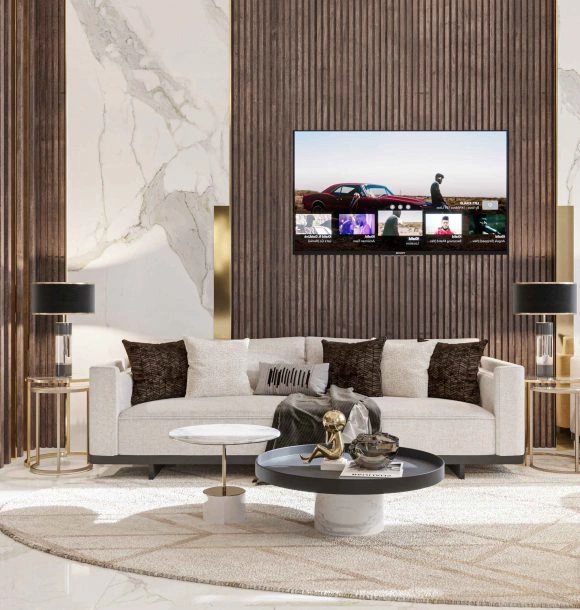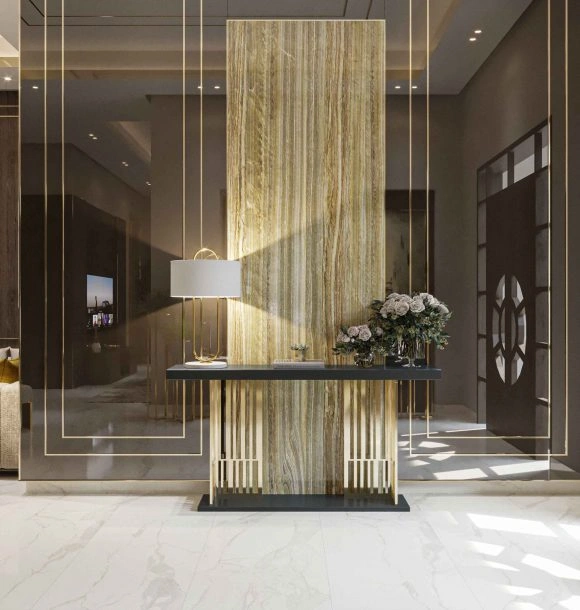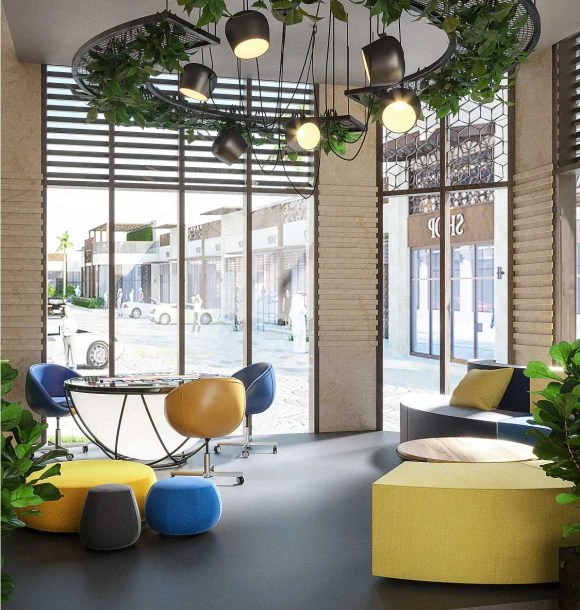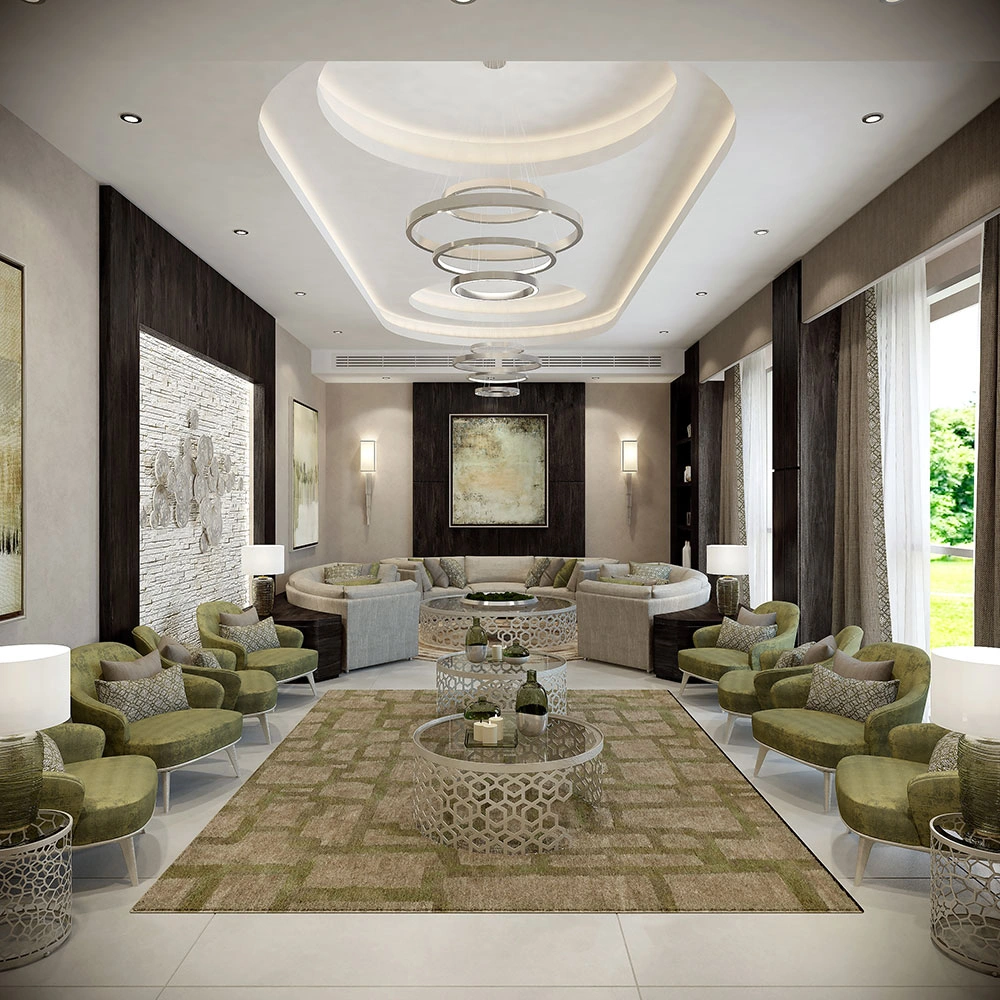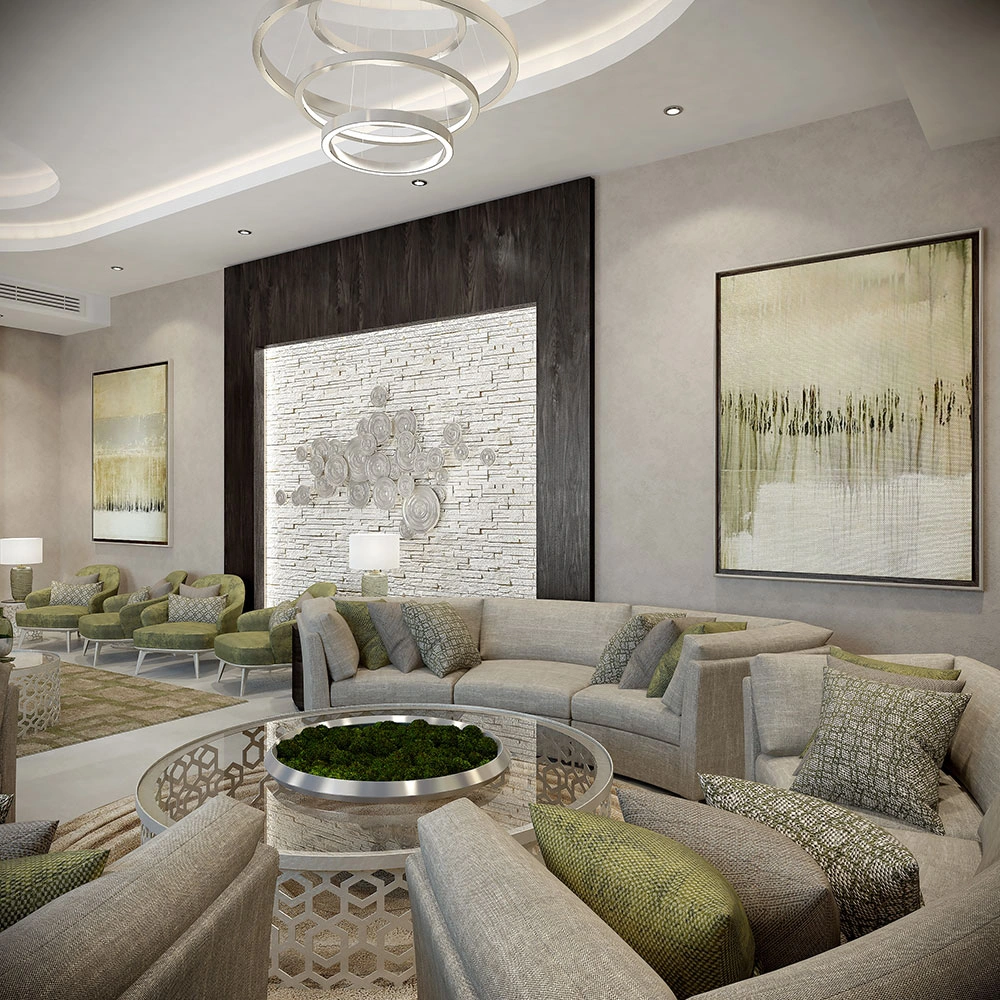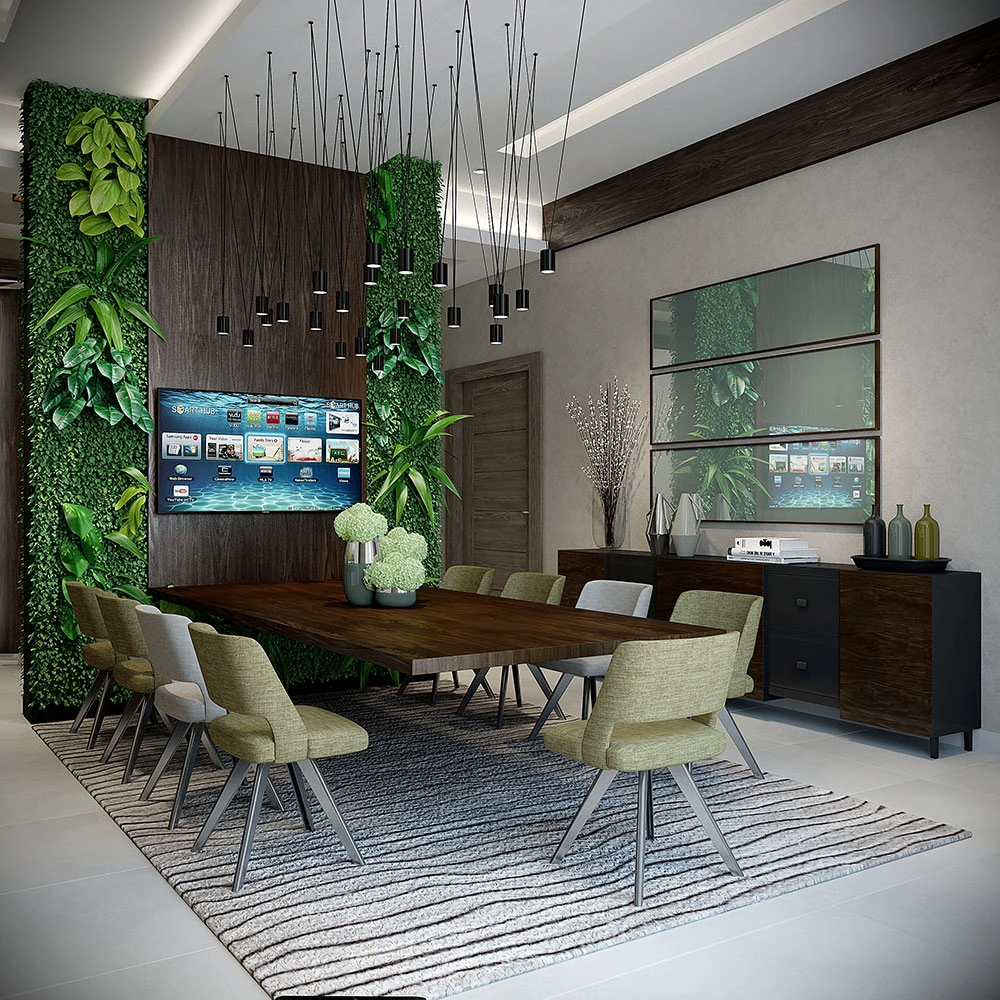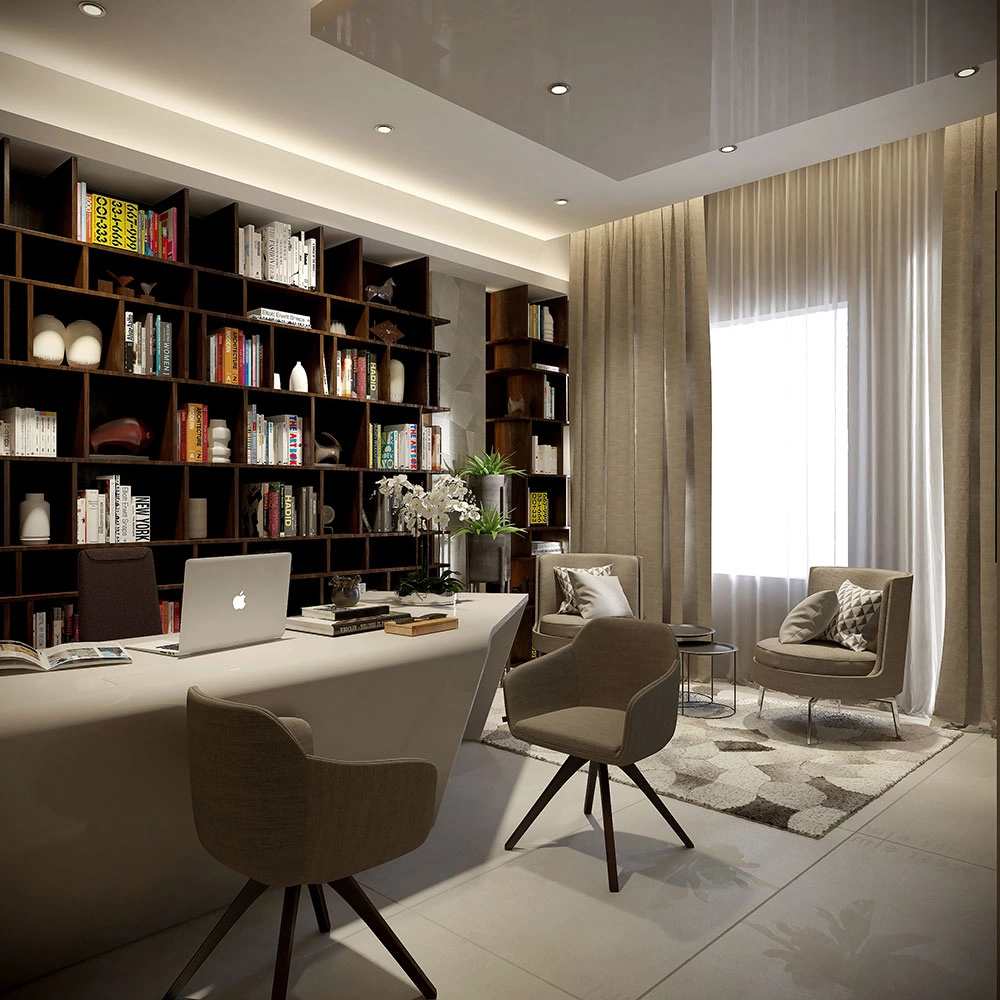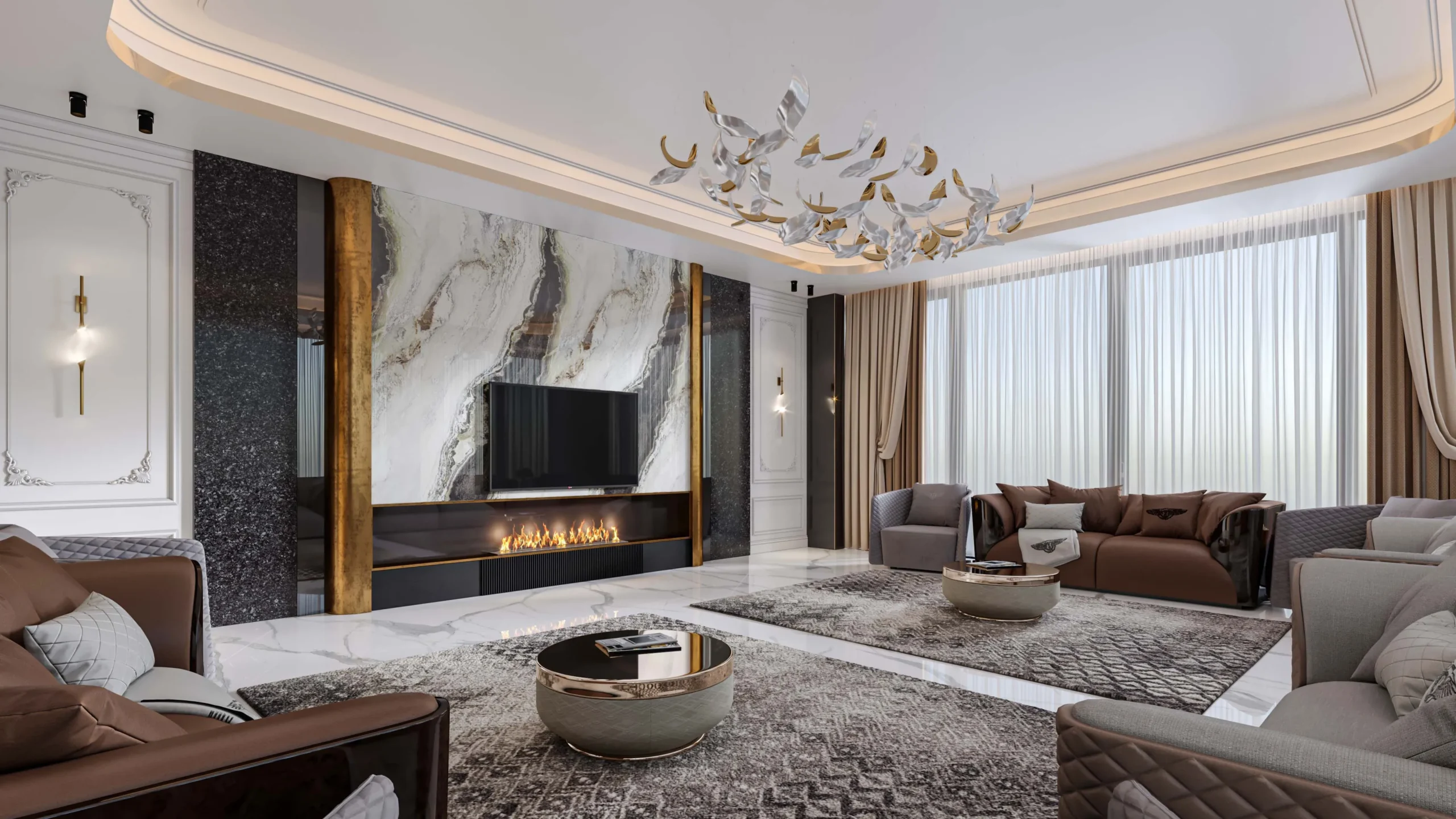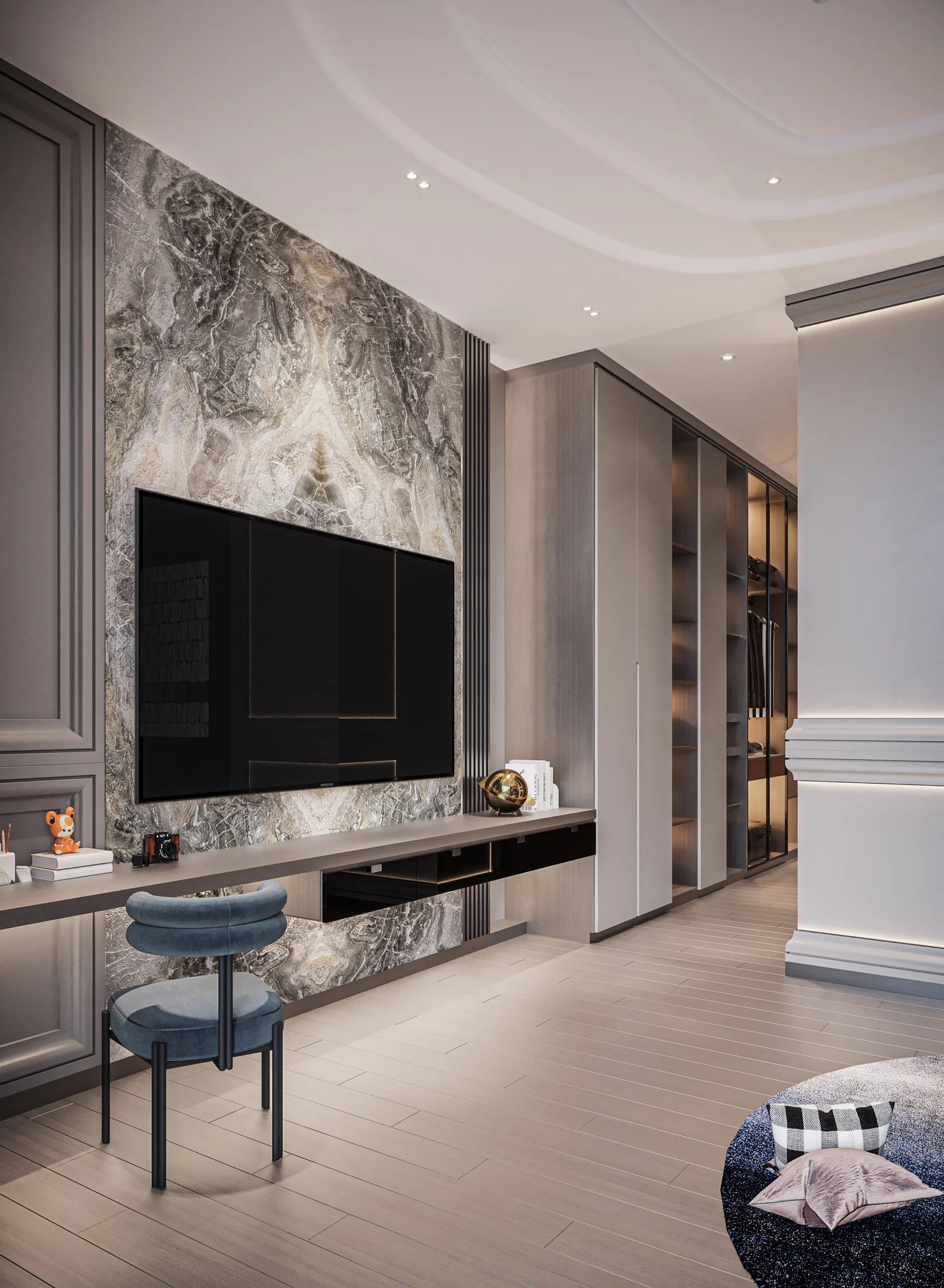
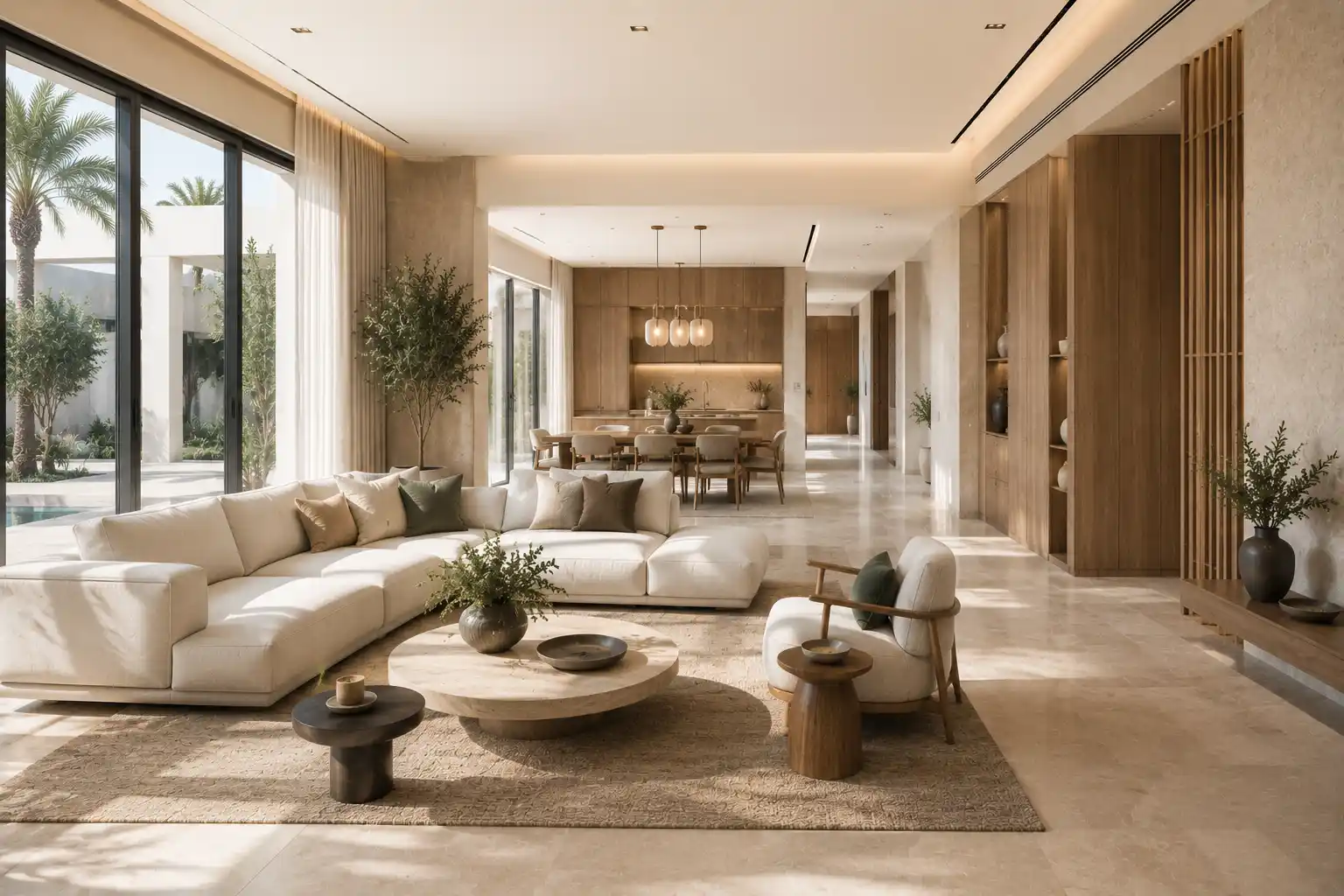
UAE climate interior design means choosing materials, colours and layout for real conditions, not just for looks. Sustained heat, high humidity and constant AC use all affect how a home performs. Sun fades and warps certain finishes. Humidity works into grout and timber joints. Airflow from central AC changes where you place furniture and textiles. Planning around these factors early costs far less than repairing the results later.
Key takeaway:
A home built without the UAE climate in mind looks fine on day one. Problems usually show up within a year. Materials, ventilation and layout decisions carry more long-term weight here than almost anywhere else.
UAE climate interior design isn’t a trend category. It’s a set of physical realities that decide whether your finishes last five years or fifteen. Heat, humidity, dust and constant air conditioning all leave a mark on a home. That happens whether or not anyone planned for it.
This becomes most visible during peak summer months, when many residents plan renovations around travel schedules. It shows up again straight after a new villa handover, when every material choice is still reversible.
Getting this right from the start beats repairing it later. A home interior design plan that accounts for climate pays for itself over time.
This guide breaks down how UAE conditions should shape material, colour, layout and ventilation decisions, factor by factor.
Why UAE Climate Interior Design Isn’t Optional
UAE climate interior design means treating heat, humidity and airflow as design inputs from the start. They aren’t problems to patch after the fact. Choosing a finish purely for its looks often backfires once UAE conditions test it.
What many UAE homeowners don’t realise is that the same material can behave very differently from room to room. It depends on which direction a room faces, or how close the property sits to the coast. A finish can hold up well in an inland Dubai villa. The same finish can fail within two years in a coastal home in Abu Dhabi or Ras Al Khaimah.
Heat and Direct Sun: What It Does to Materials and Colour
Direct sun regularly pushes surface temperatures on UAE facades well above ambient air temperature. West-facing walls and windows feel this most during peak summer afternoons. Indoors, that heat transfers into flooring, furniture and fabric near glazing, even with strong AC running.
Materials That Hold Up Under Constant Sun Exposure
Solid timber, certain leathers and unlined fabrics fade or warp faster near south- and west-facing windows. Engineered timber, UV-stable fabrics, and stone or large-format tiles generally keep their look far longer under daily sun.
Colour Choices That Don’t Fight the Light
Strong, direct light changes how colour reads indoors, sometimes dramatically. Natural light design principles for UAE homes generally favour warmer, muted tones in rooms with intense sun. Bright whites and cool tones can look harsh rather than crisp under this kind of light.
Getting the palette right also means testing swatches in the actual room at different times of day. Colour behaves differently at 10am than it does at 4pm. A well-planned luxury interior colour palette for UAE homes accounts for that shift, not just gallery lighting.
Humidity: The Quiet Problem Behind Many UAE Renovations
Humidity causes damage more slowly than heat, which is exactly why it catches so many homeowners off guard. Moisture works into grout, timber joints and paint long before any visible sign appears.
Where Humidity Damage Shows Up First
Bathrooms and kitchens absorb the most humidity-related wear, since both combine water use with heat. Bathroom tiles suited to Dubai’s humid climate need to resist moisture and the mineral buildup common in UAE water.
Kitchens face a similar challenge with cabinetry. Kitchen cabinet materials chosen for the UAE climate need moisture-resistant cores and proper edge sealing. Without that, doors and drawer fronts start swelling within the first year or two.
Designing Around Central AC and Airflow
Central AC systems create their own micro-climate inside a UAE home. That needs to factor into layout decisions as much as heat from outside does. Cold air near vents, condensation on cool surfaces, and uneven temperature zones affect where you place furniture, textiles and artwork.
Condensation forms wherever a cool, AC-conditioned surface meets warm, humid outside air. It’s the same principle behind a cold glass sweating on a summer afternoon. Window frames, cold water pipework and poorly insulated ceiling voids show this most often in a UAE home.
Open-plan layouts are especially sensitive to this, since one AC zone often has to cool a much larger space. Open-plan living design in the UAE works best when you map airflow before finalising the furniture layout, not after.
Dust and Air Quality: A UAE-Specific Design Factor
Fine desert dust finds its way into UAE homes, no matter how well-sealed a property is. It settles differently depending on material choice. Heavy-pile carpets and deeply textured fabrics trap dust and need far more maintenance than smooth or low-pile alternatives.
Flooring and upholstery chosen for easy cleaning tend to age better here. That’s not because dust disappears, but because it’s easier to manage day to day.
Coastal vs Inland: Does Location Change the Approach?
UAE humidity levels vary significantly between coastal and inland areas. That difference should influence material choice as much as room type does. Coastal properties in Dubai Marina, Abu Dhabi’s waterfront districts or Fujairah generally see higher humidity year-round than inland communities.
Villa interiors along the UAE coast typically need more aggressive moisture-resistant specifications throughout, not just in bathrooms and kitchens. Salt-laden air affects metal fittings and certain fabrics faster than it does further inland.
| Factor | Coastal Properties | Inland Properties |
|---|---|---|
| Ambient humidity | Higher year-round, especially in summer | Lower, with sharper day-to-night swings |
| Metal fittings | Need corrosion-resistant finishes | Standard finishes generally hold up longer |
| Ventilation priority | Extraction and dehumidification throughout | Extraction focused mainly on kitchens and bathrooms |
| Fabric choice | Moisture- and mildew-resistant fabrics recommended broadly | Wider range of fabrics performs acceptably |
A UAE Scenario: When Climate Gets Ignored
Picture a villa in a Dubai Marina-adjacent community. The owners chose solid timber flooring and standard-grade cabinetry hardware purely for their look. Within eighteen months, the timber had started cupping near the balcony doors. The kitchen’s cabinet hinges were showing early corrosion too.
A second phase of work replaced the timber with a humidity-rated alternative, and swapped the hardware for corrosion-resistant fittings. The homeowners ended up paying for parts of the same rooms twice. The right material choices from the start would have avoided that cost entirely.
Common Climate-Related Design Mistakes
A few patterns show up repeatedly in UAE homes when climate wasn’t part of the plan:
- Choosing solid timber or leather for rooms with heavy direct sun exposure
- Skipping extraction fans or dehumidification in humid coastal properties
- Testing paint colours under artificial light instead of the room’s actual sunlight
- Using heavy-pile carpet or deep upholstery in high-dust areas
- Treating AC airflow as a furniture-arrangement afterthought instead of a layout input
A broader look at interior design challenges specific to the UAE covers more of these patterns, beyond climate alone.
How Climate-Smart Choices Affect Renovation Cost
Specifying climate-appropriate materials from the outset usually costs more upfront than standard alternatives. It costs far less than replacing failed finishes within the first few years. Understanding what typically drives interior design costs in the UAE helps homeowners see where extra spend on materials pays off.
This overlaps closely with sustainable interior design approaches in the UAE. Materials that withstand heat and humidity also need less frequent replacement, which is its own form of sustainability.
FAQ
Why does UAE climate matter so much for interior design? Sustained heat, high humidity and constant AC use affect materials, colour and layout more aggressively than in milder climates. Choices that ignore these factors often show visible wear, warping or fading within one to two years. That happens even with an otherwise well-planned design.
What materials handle UAE heat and humidity best? Engineered timber, UV-stable fabrics, moisture-resistant cabinetry cores and large-format tiles generally outperform solid timber, unlined fabrics and standard hardware. The right choice also depends on how much direct sun or coastal humidity a specific room deals with.
Do coastal UAE homes need different materials than inland homes? Generally yes. Coastal properties deal with higher year-round humidity and salt air, which affects metal fittings and fabrics faster than inland areas. A coastal home usually needs broader ventilation and moisture resistance throughout.
How does AC affect interior design choices in the UAE? Central AC creates uneven temperature zones and condensation risks that should factor into layout, not just comfort. Furniture, artwork and textiles near vents or cold surfaces age differently than pieces further away. It’s worth planning for this before you install the finishes.
Is it worth paying more for climate-appropriate materials in a UAE renovation? Usually yes, especially in humid or heavily sun-exposed rooms. The upfront cost is typically lower than replacing finishes that fail within a few years. That’s a common outcome when a project ignores climate during material selection.
CONCLUSION
Ready to Design a UAE Home That’s Built for the Climate?
A home that looks right on day one isn’t the same as one built for UAE conditions. It needs to handle heat, humidity and dust over years of daily use. Materials, colours and layout choices that account for climate upfront are almost always cheaper than fixing the ones that don’t.
La Firma’s fit-out team specifies materials and systems with UAE conditions in mind from the first conversation. That means your home’s finishes last, not just photograph well.