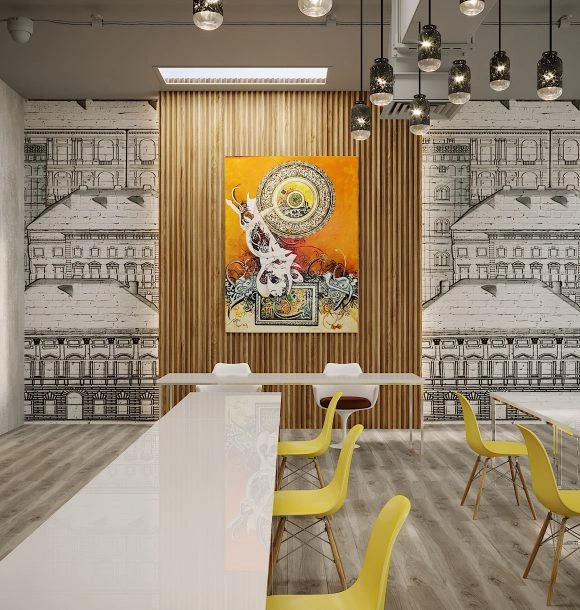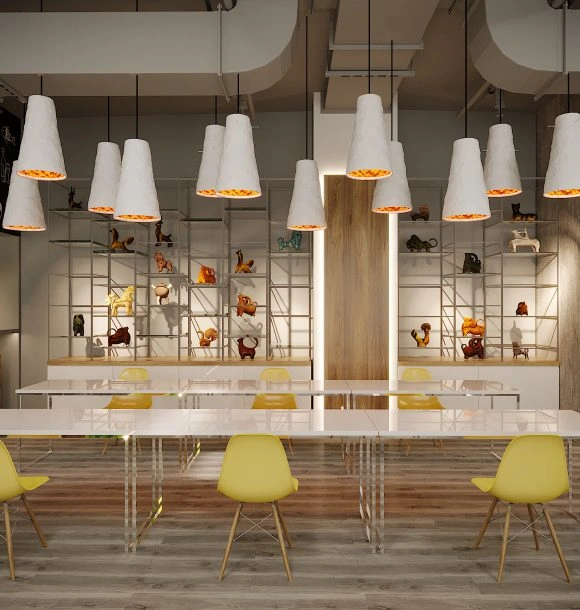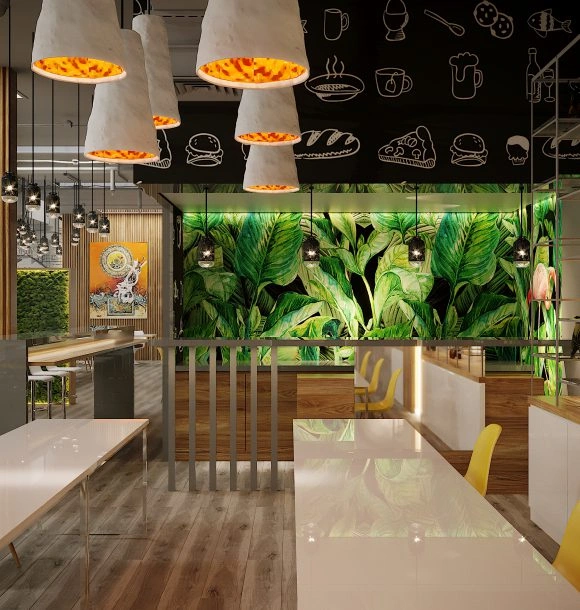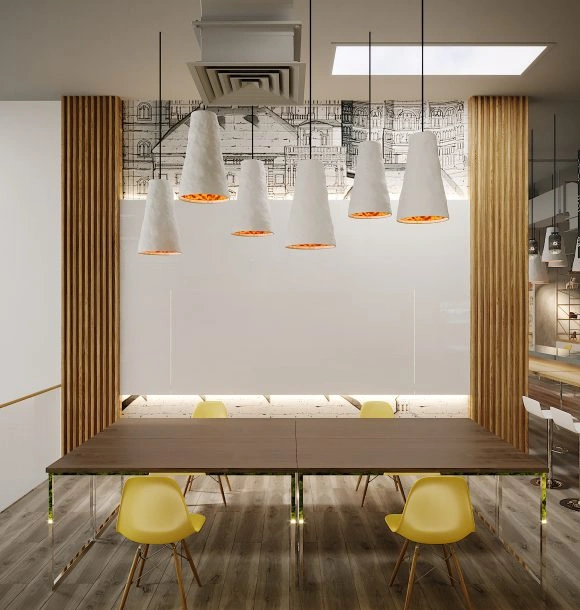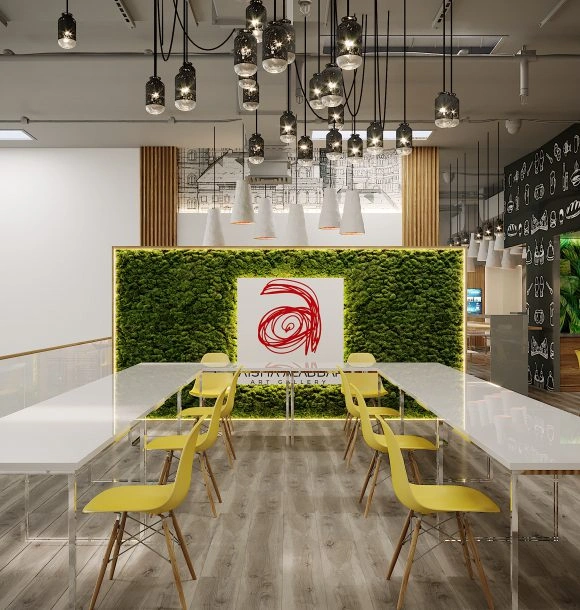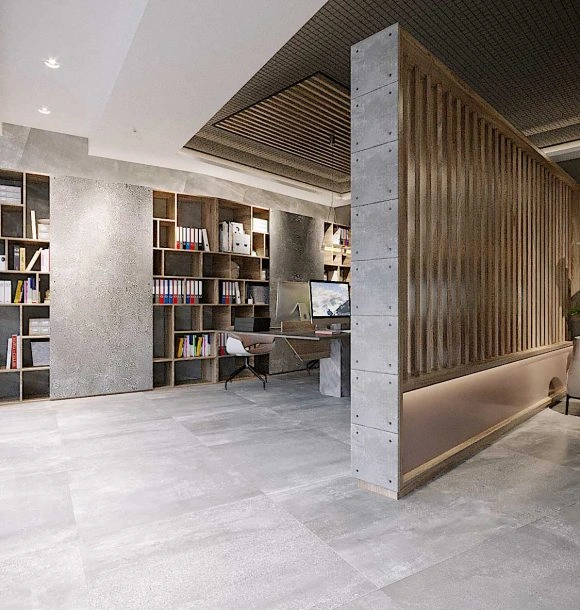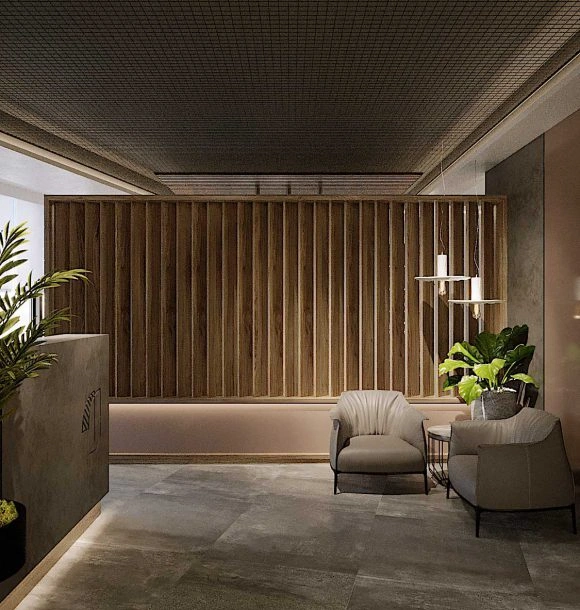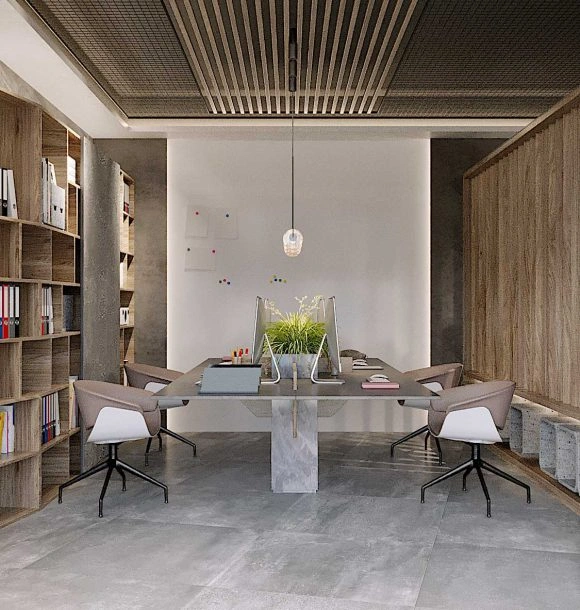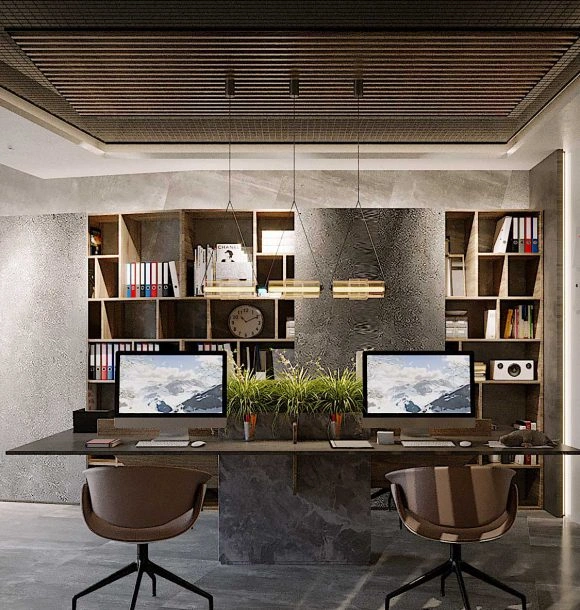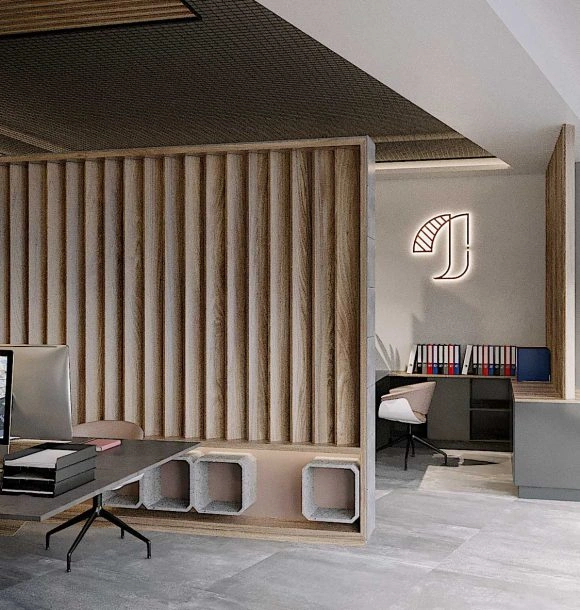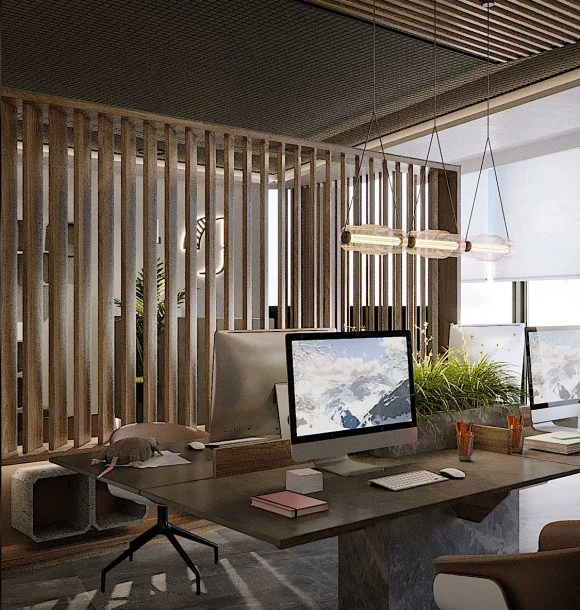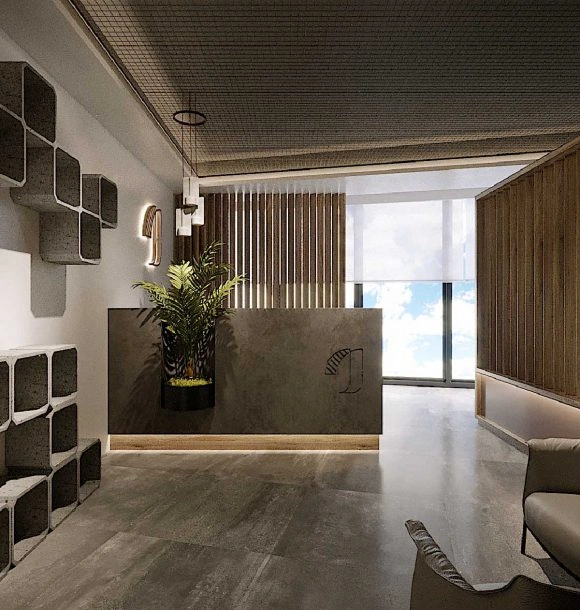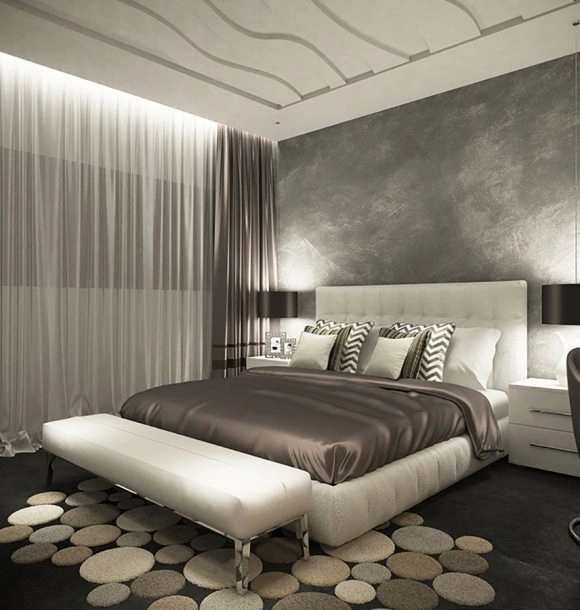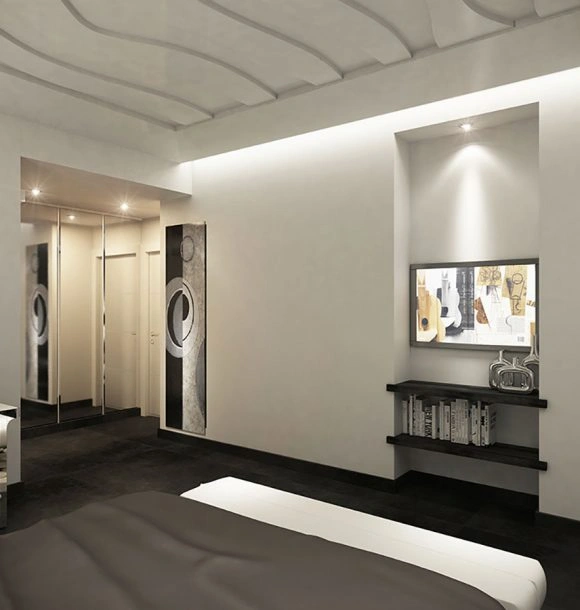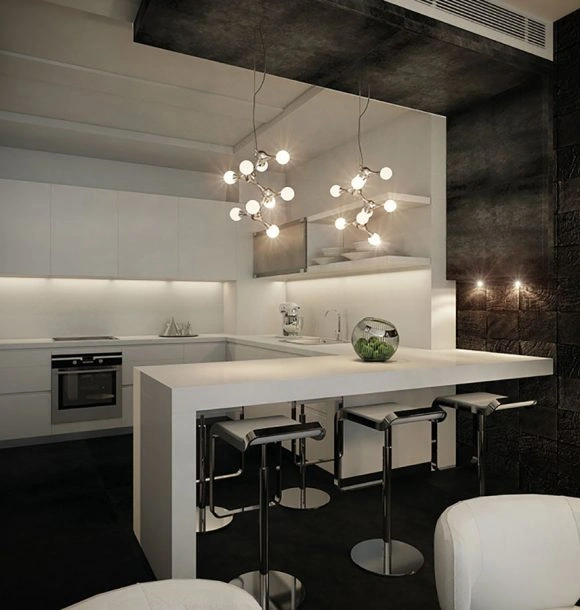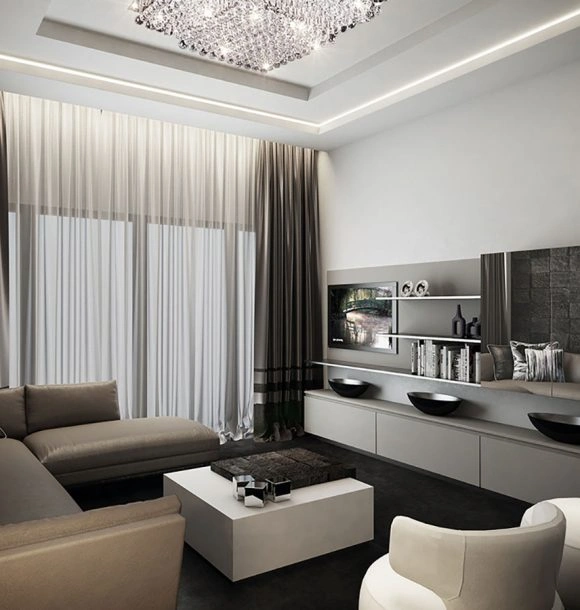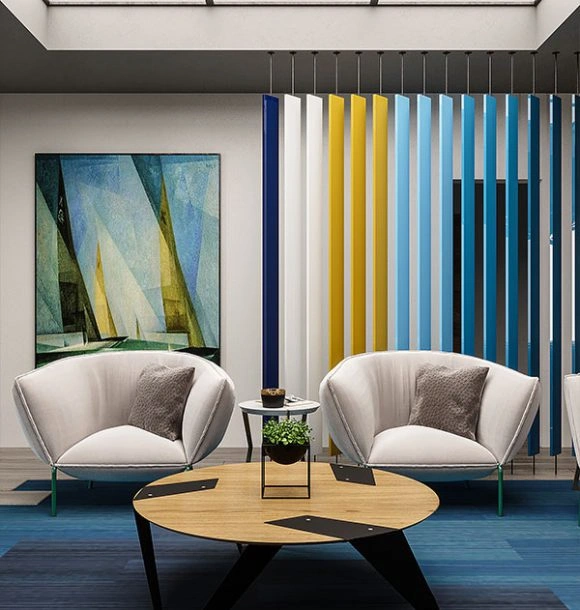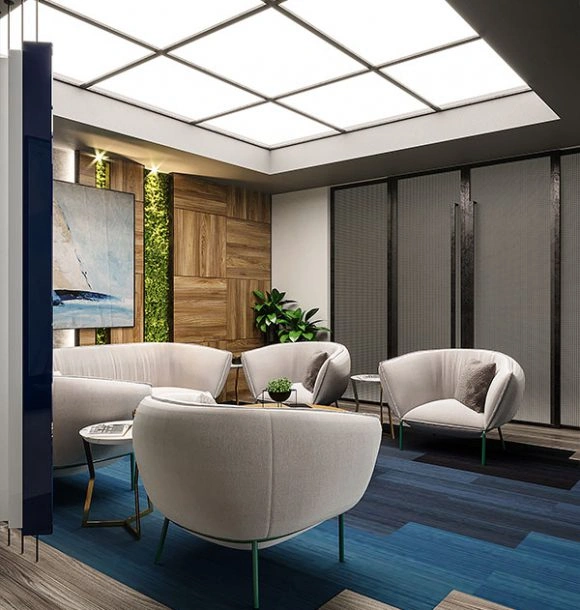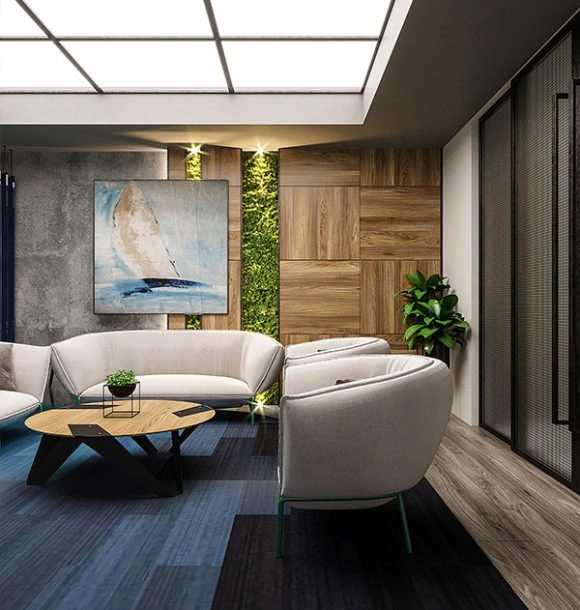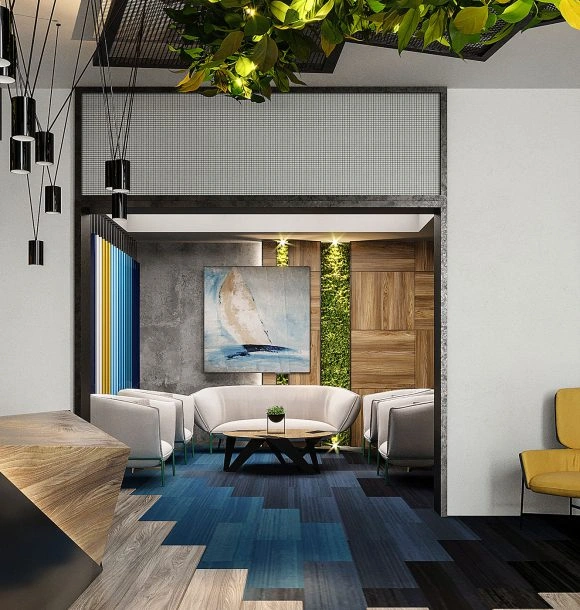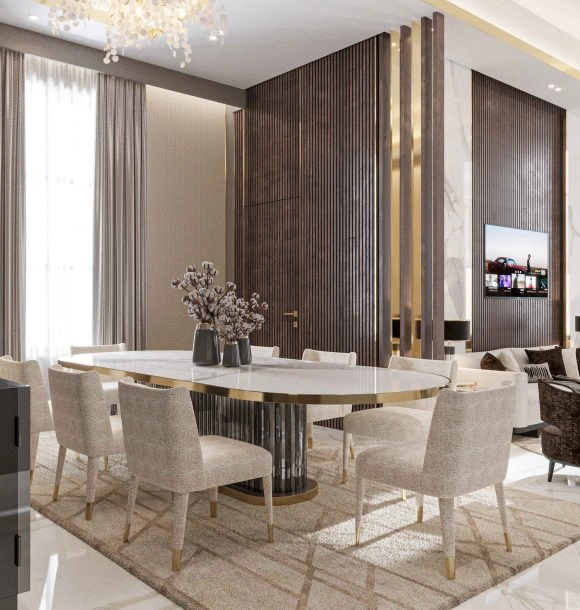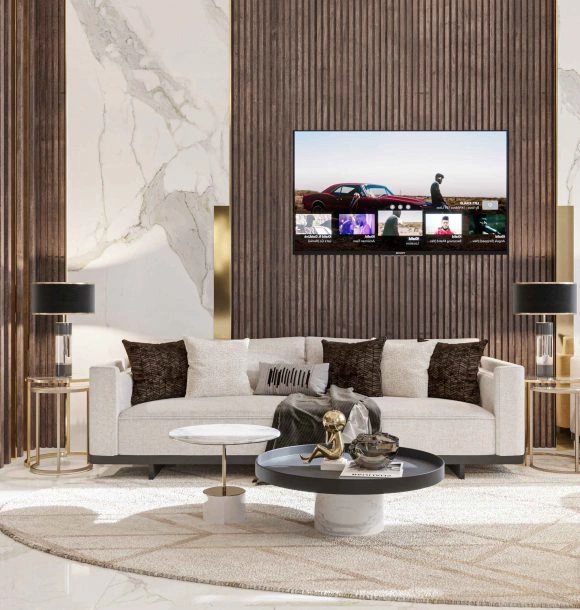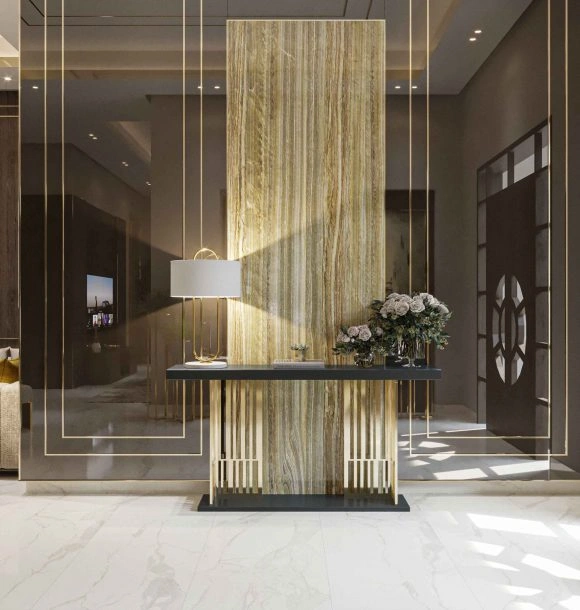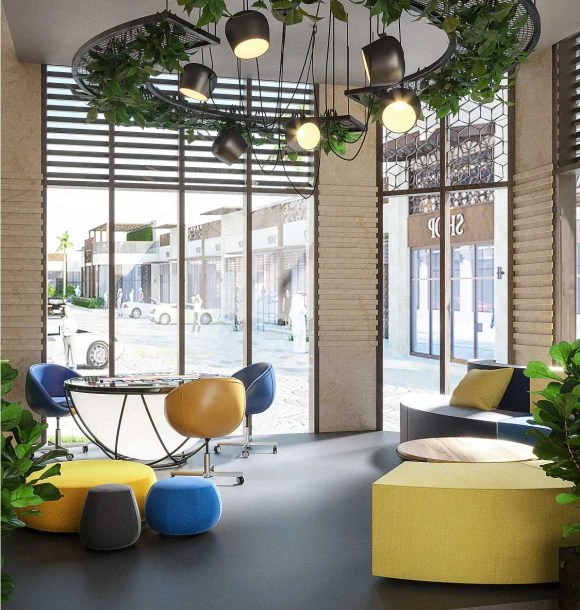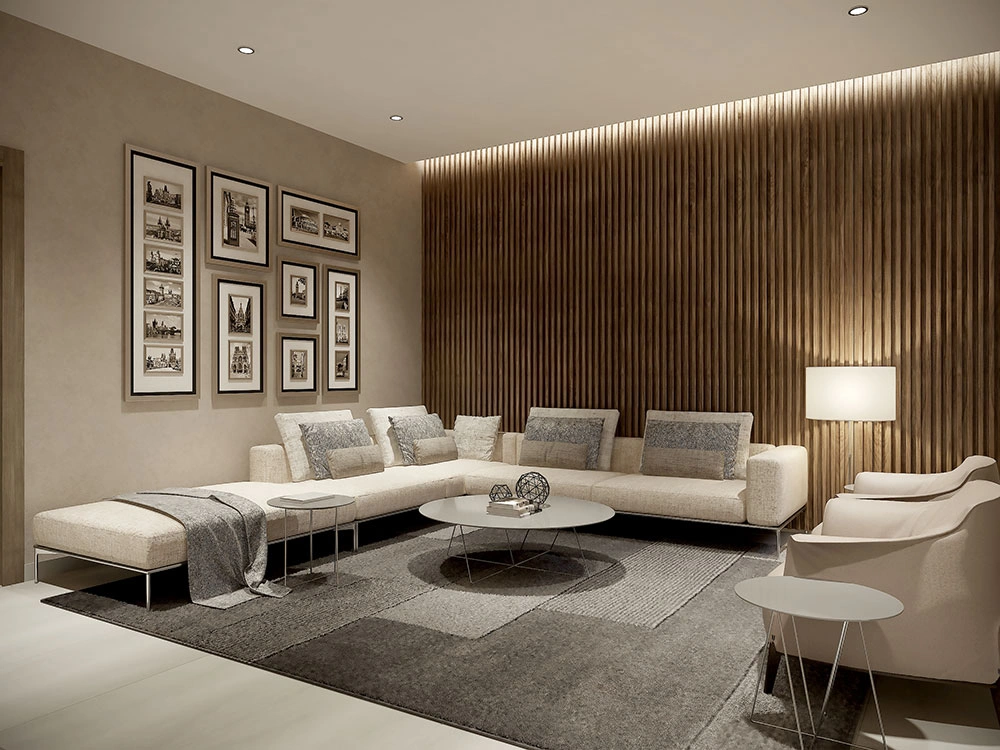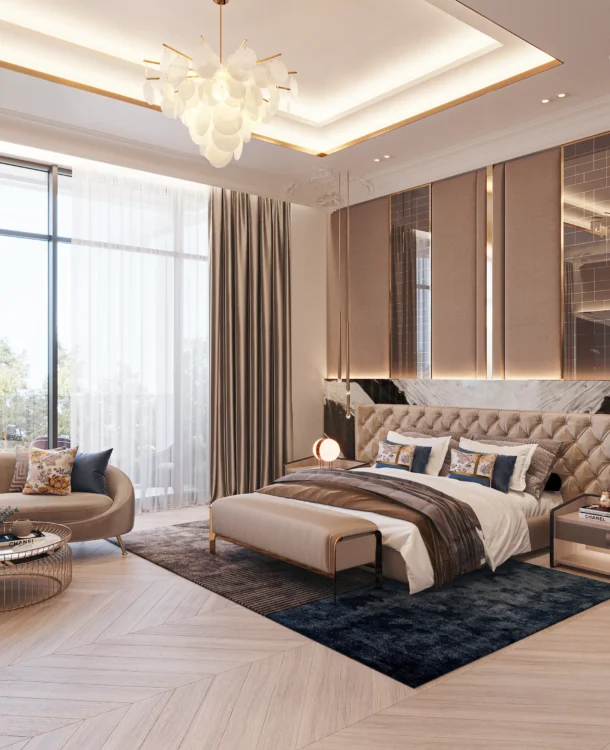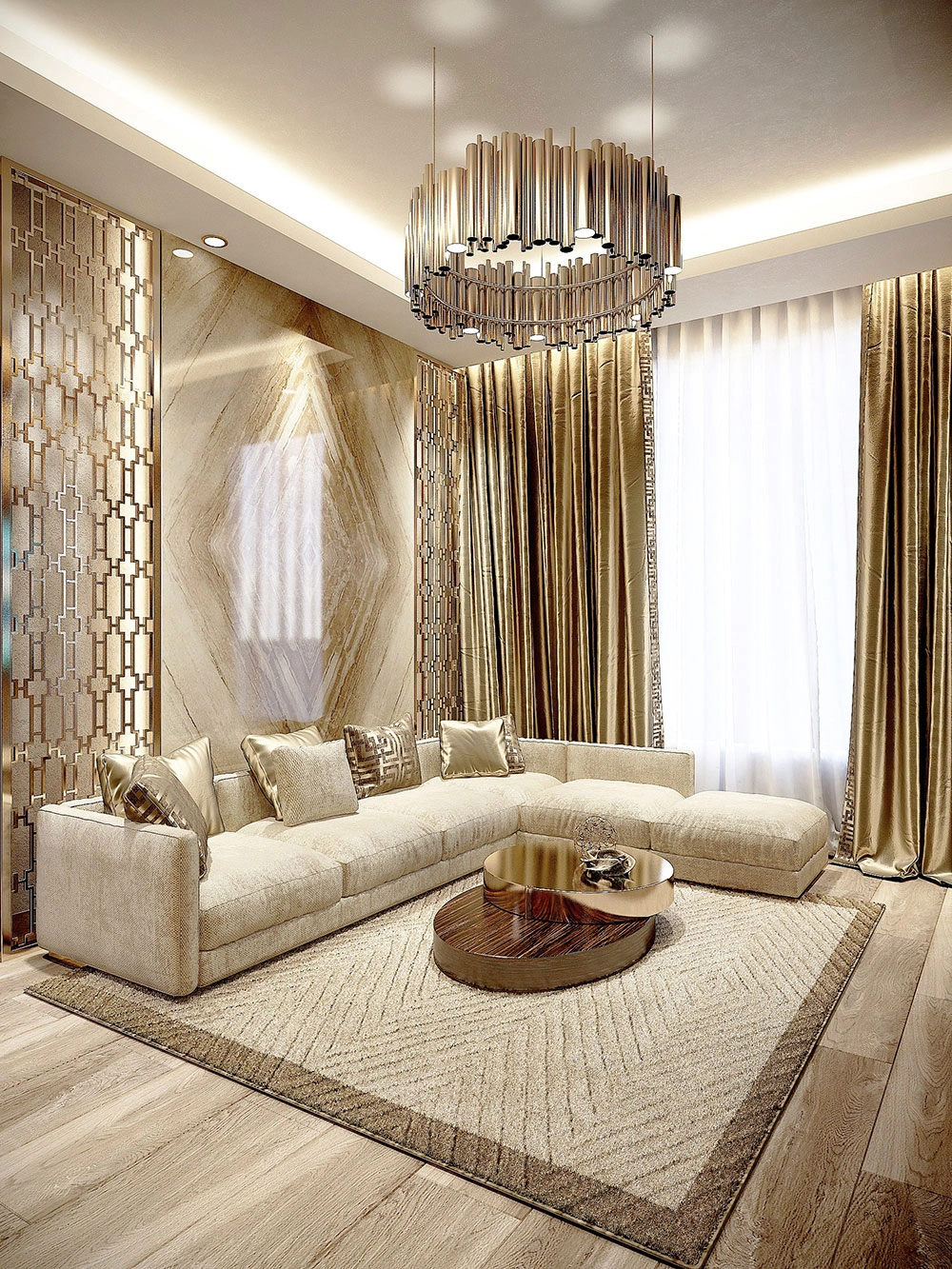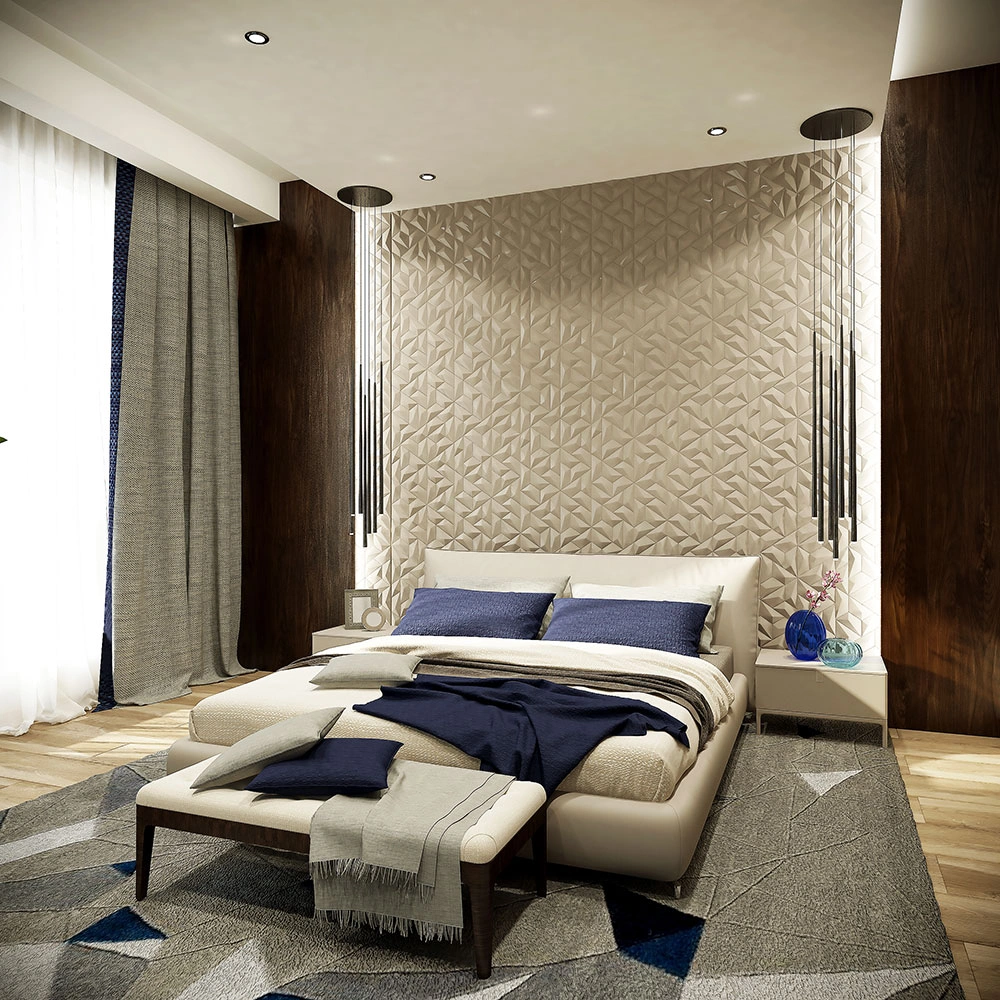
Office aesthetics and productivity get balanced by designing for how teams actually work first, then layering visual identity on top of that foundation. Designers treat acoustics, ergonomics, and focus zones as part of the aesthetic itself, not a trade-off against it. For general evidence on how design affects performance, our guide on how office interior design boosts productivity in Dubai covers that separately. This article focuses on where the two priorities actually conflict and how that gets resolved.
This guide is written for UAE business owners, office managers, and HR leaders planning a new office or renovation, specifically those weighing how much to prioritize visual brand impact against everyday employee focus and comfort. Use it while developing a design brief or reviewing a designer’s proposal. Main takeaway: office aesthetics and productivity aren’t opposing goals. The offices that get both right treat visual identity and daily function as one design problem, not two separate ones.
A striking office looks great in photos. It doesn’t always help someone concentrate for six hours straight. Balancing office aesthetics and productivity means designing for both realities at once, not choosing one over the other.
- Office aesthetics and productivity conflict most often around open visual drama, statement furniture, and minimalist storage, not randomly.
- Designers resolve this by starting with how teams actually work, then building the look around that foundation.
- Acoustics and ergonomics function as part of the aesthetic when designed in from the start, not layered on afterward.
- UAE’s growing office market, with high demand for quality space, is raising the stakes on getting this balance right.
- This guide supports UAE businesses at the brief-writing or proposal-comparison stage of an office design project.
What Is the Real Tension Between Office Aesthetics and Productivity?
The tension shows up when a visually striking choice makes daily work harder, most often through noise, poor ergonomics, or lost storage.
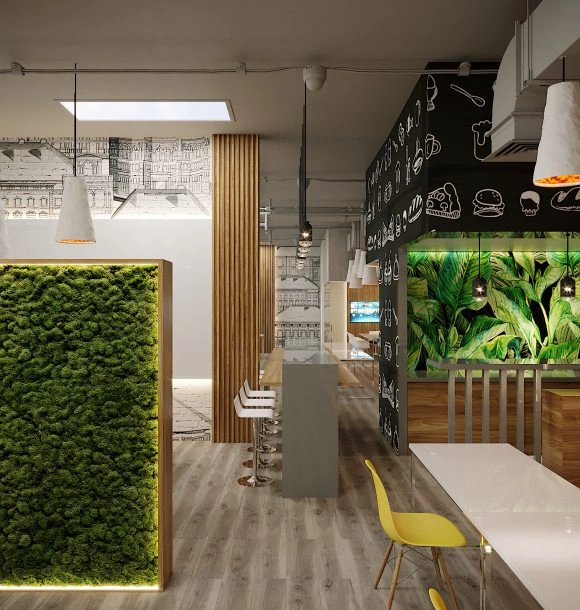
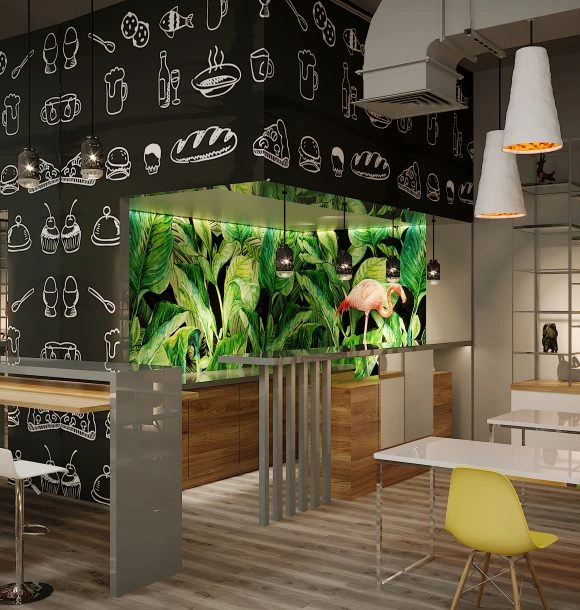
An open, dramatic floor plan photographs beautifully but can flood a space with noise that breaks concentration. A sculptural chair might anchor a reception area perfectly while failing anyone who sits in it for a full workday. Office aesthetics and productivity aren’t naturally opposed, but treating them as separate decisions, style first, function later, is exactly where they start to conflict.
Where Do Aesthetics and Productivity Actually Conflict in Office Design?
They conflict in a few predictable places: acoustics, furniture ergonomics, storage, and how visual “wow” spaces get used day to day.
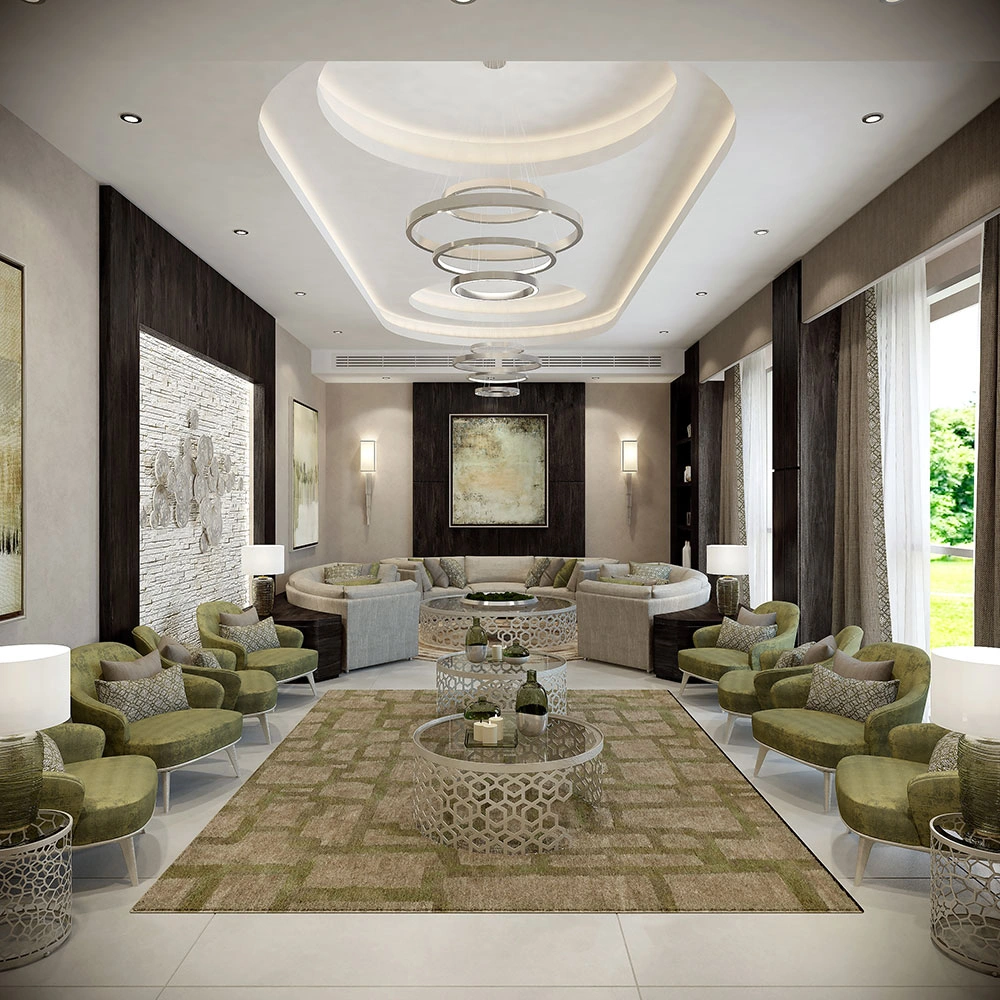
- Open, dramatic layouts vs. focus work. Soaring ceilings and open sightlines look impressive but can carry sound across the whole floor, making concentration harder.
- Statement furniture vs. ergonomics. A visually bold chair or desk doesn’t always support long hours of real use.
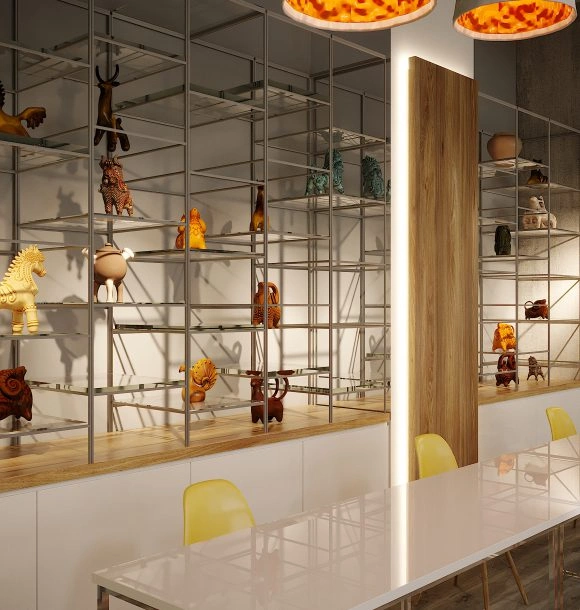
- Minimalist aesthetics vs. storage needs. A clean, uncluttered look often hides a real challenge: finding enough storage without cluttering the space.
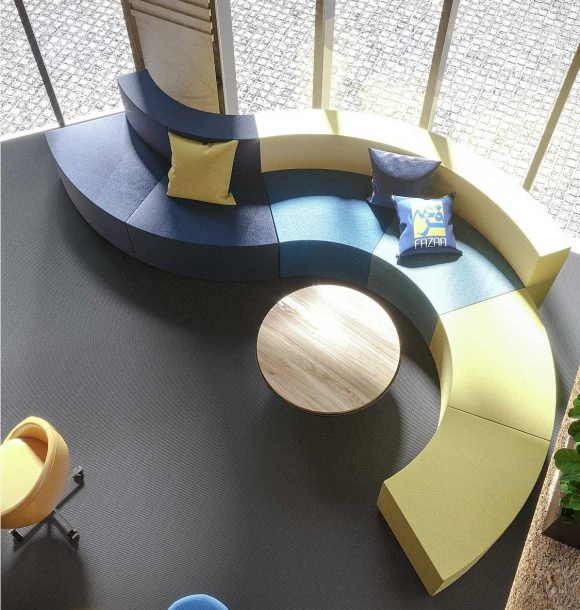
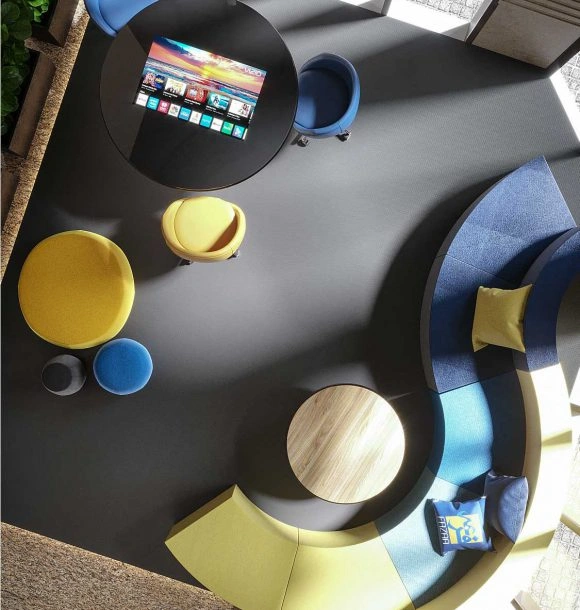
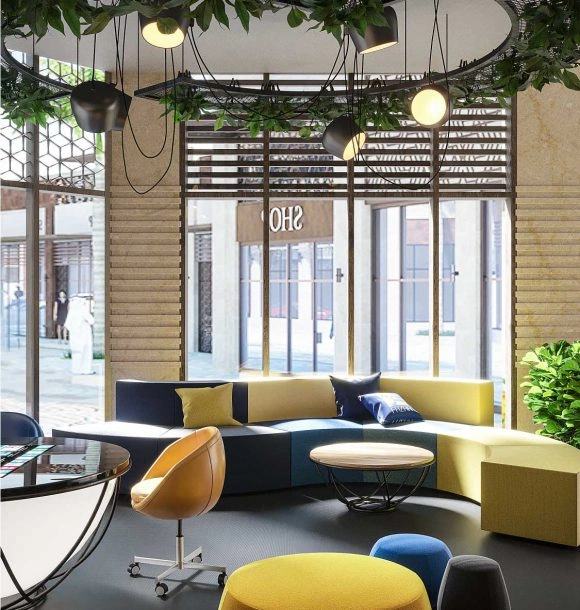
- Instagram-worthy breakout areas vs. desk-time reality. Striking lounge or collaboration zones can sit empty if most work still happens at a desk, wasting both space and budget.
None of these conflicts are inevitable. They show up when style gets decided before function does.
How Do Designers Balance Office Aesthetics and Productivity in Practice?
Designers balance office aesthetics and productivity by starting with real work patterns, then building acoustics, ergonomics, and visual identity into the same decisions, not separate ones.
Start With How Teams Actually Work, Not How the Office Should Look
Before any material or layout gets chosen, a good designer studies how the team actually spends its day. Focused solo work, frequent calls, and constant collaboration all call for different environments. This single starting point prevents most conflicts before they happen.
Treat Acoustics as Part of the Aesthetic, Not an Afterthought
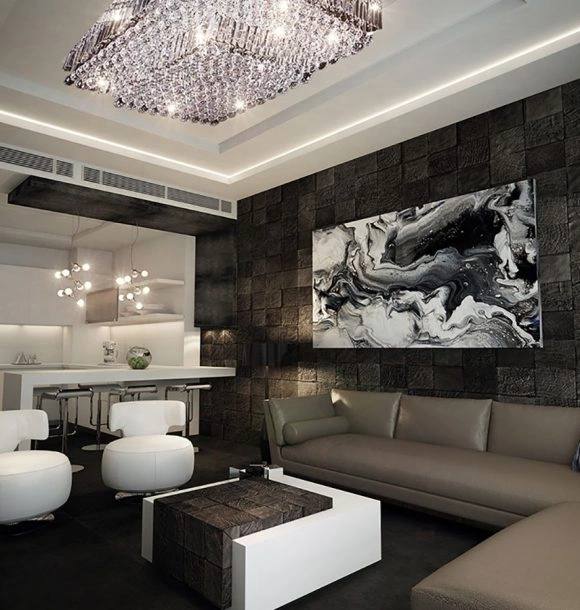
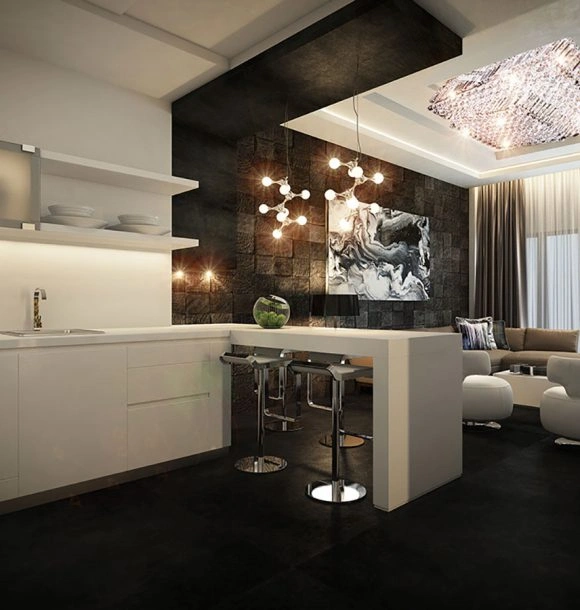
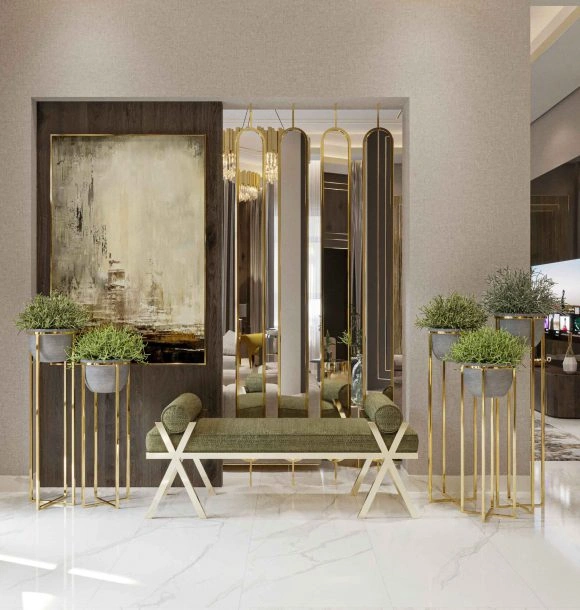
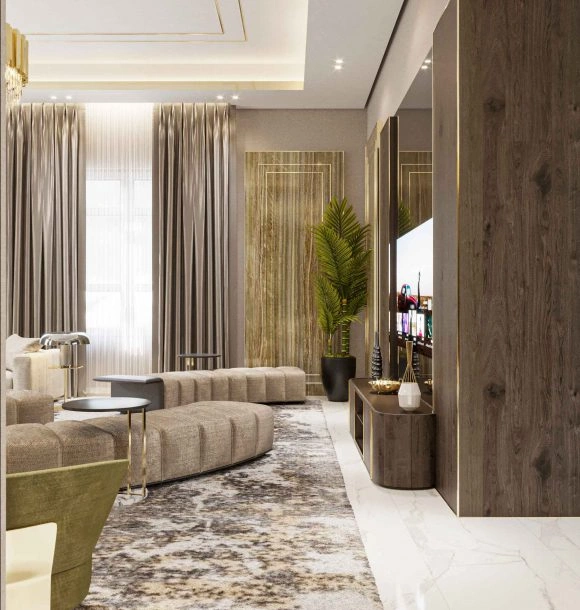
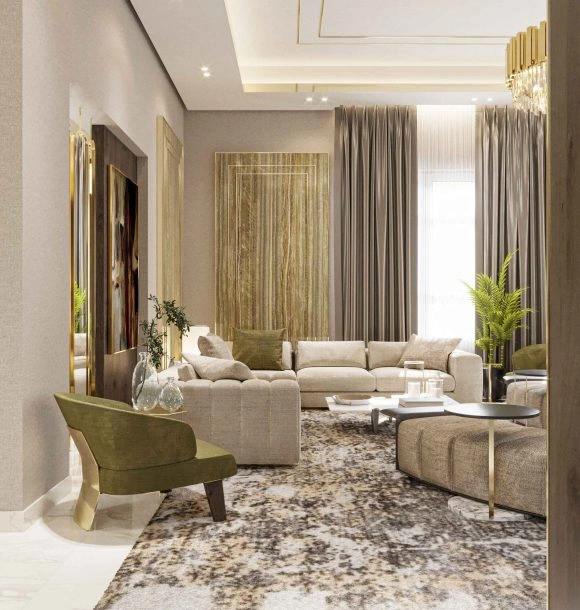
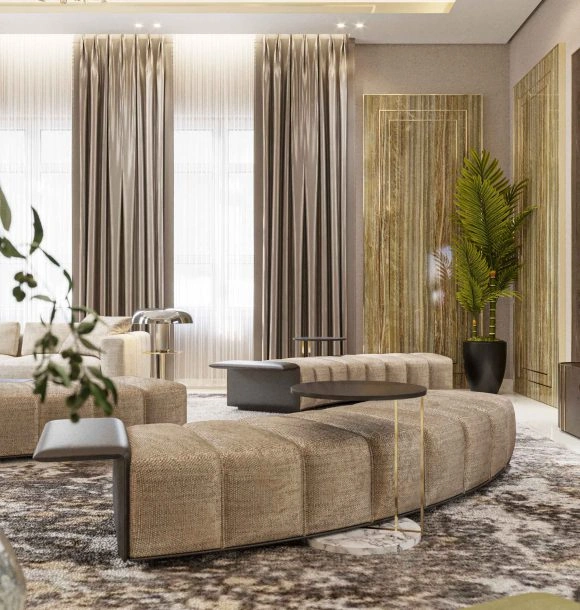
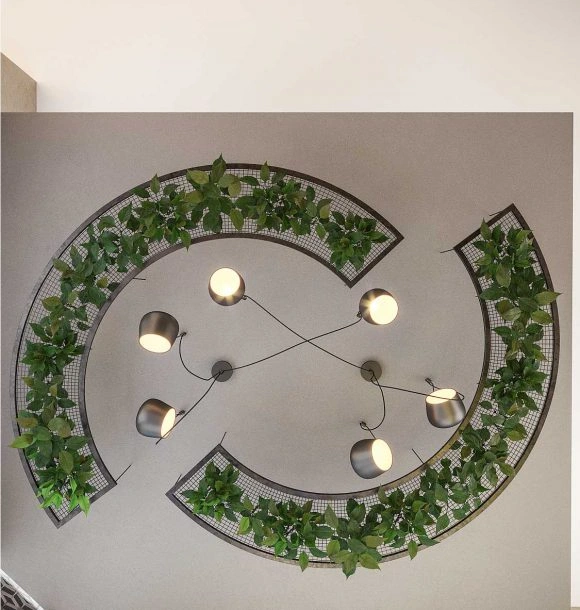
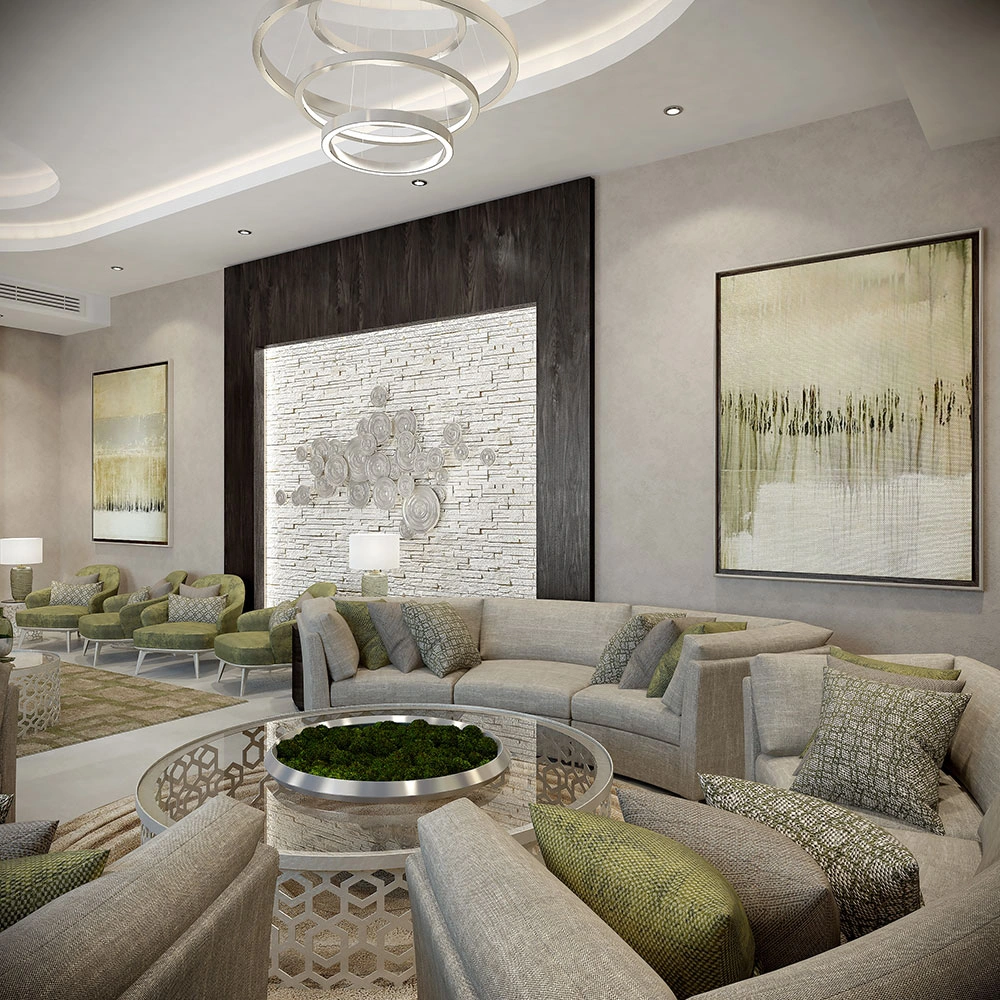
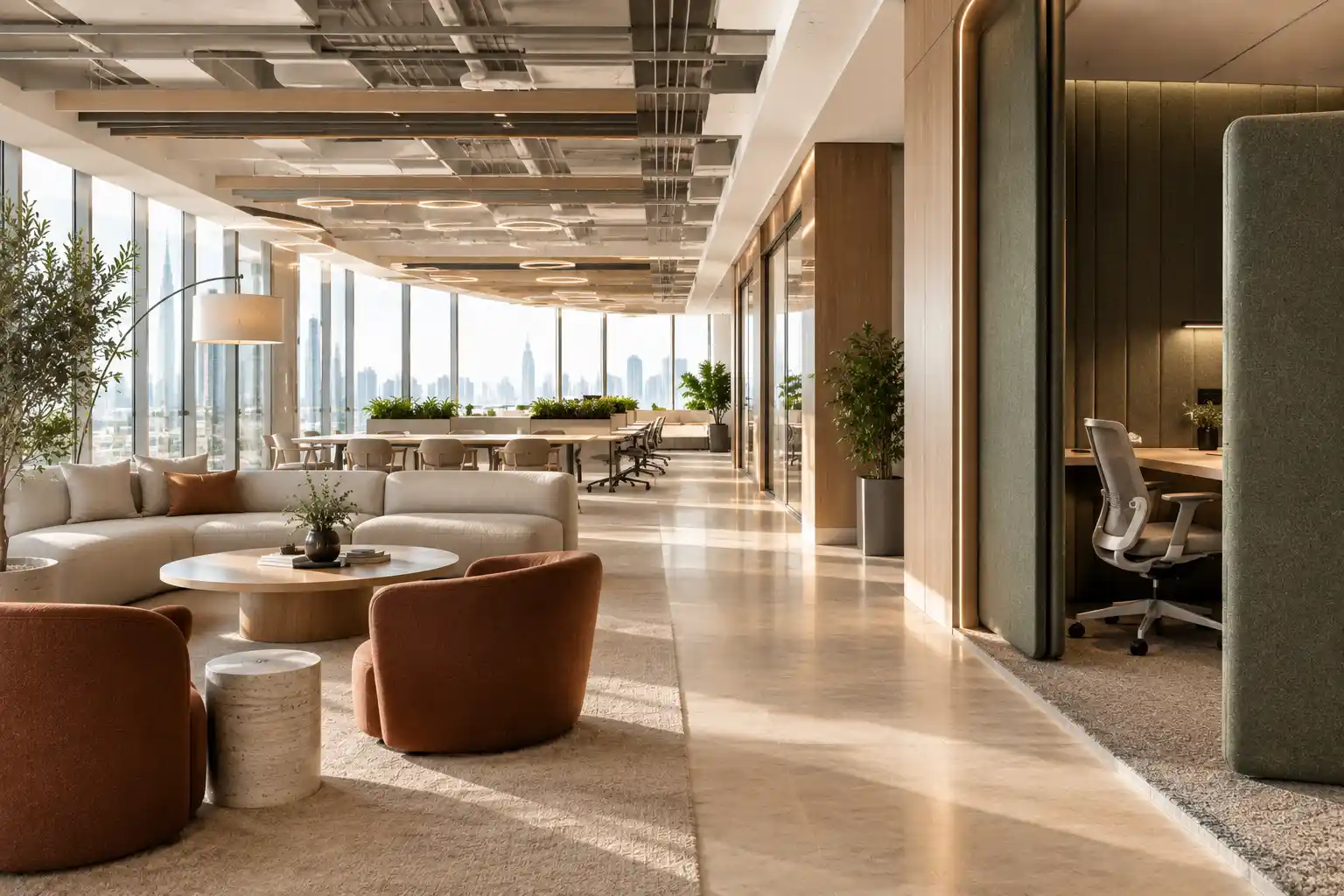
Acoustic panels and soft materials don’t have to look like an add-on. Textured wall finishes, upholstered furniture, and layered ceiling treatments can control sound while still contributing to the overall look. Our guide on smart office interior design covers how these choices work together in practice.
Choose Statement Pieces That Also Perform Ergonomically
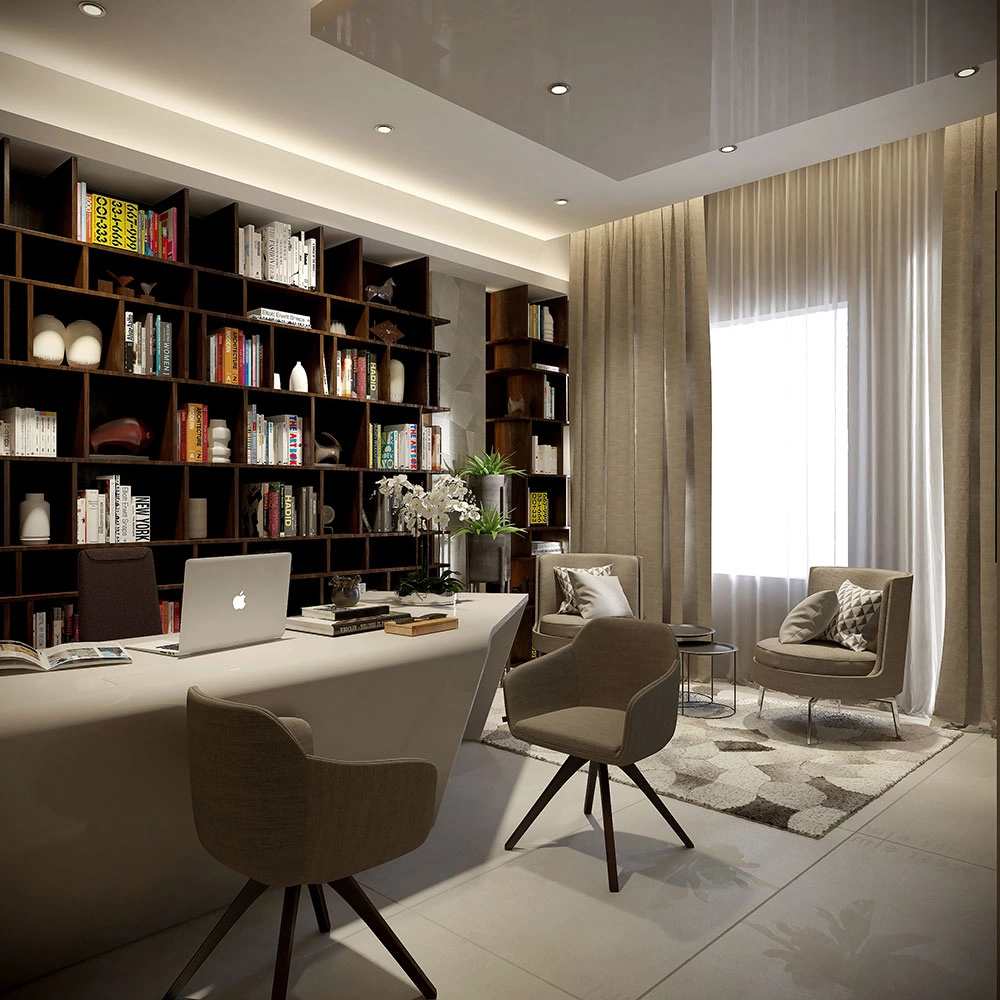
A reception area or executive space can absolutely carry visual weight, as long as the pieces used there also hold up structurally and ergonomically for anyone who spends real time in them. Our guide on office furniture ideas for UAE workplaces explains how to choose pieces that do both.
Zone the Office So Visual Drama and Focus Work Don’t Compete
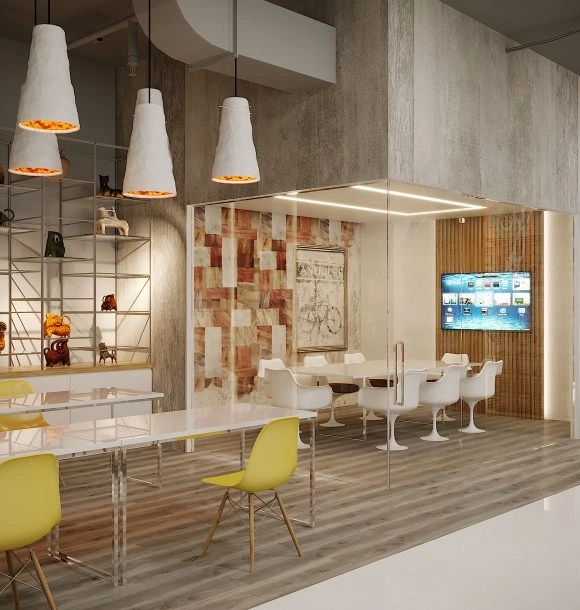
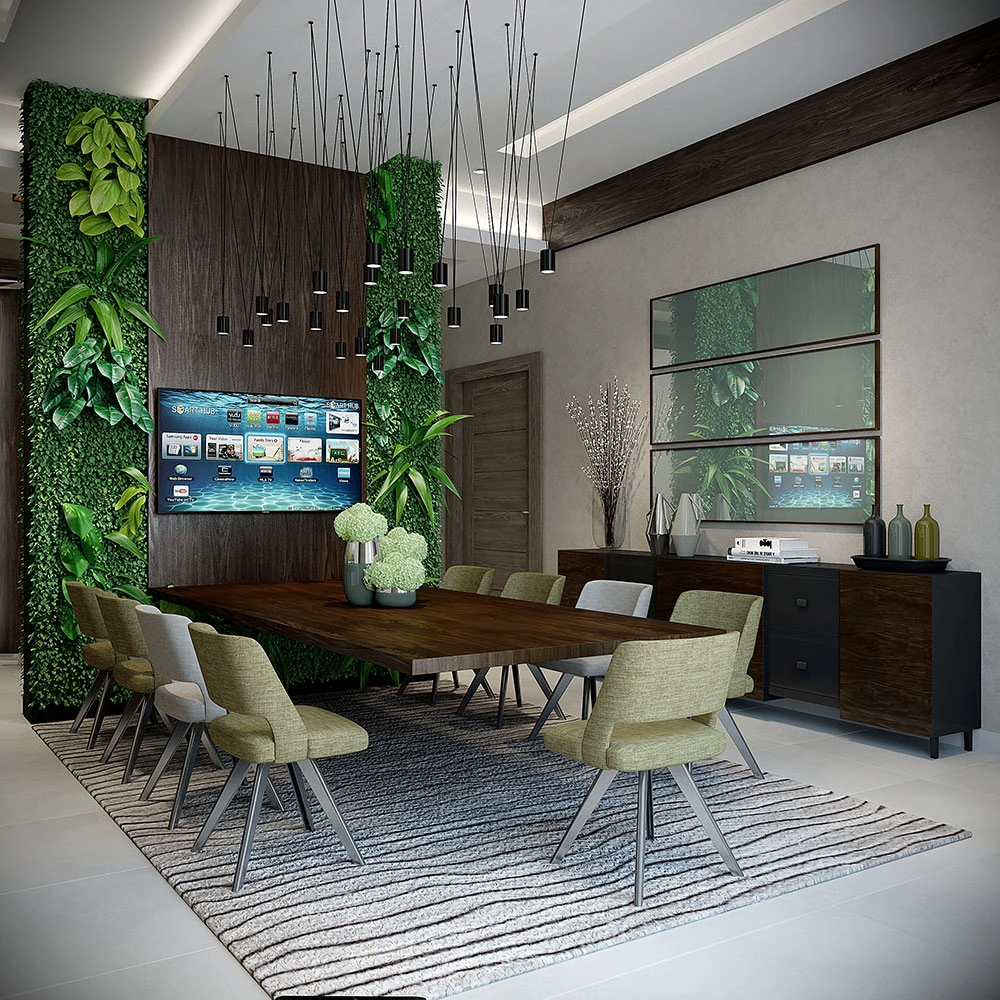
Dramatic, open spaces and quiet focus areas can both exist in the same office, as long as they’re physically separated. Placing a striking collaboration zone next to a quiet workspace usually undermines both.
Let Branding Show Up in Materials and Color, Not Just Decoration
Brand identity doesn’t need a dedicated feature wall to come through. Consistent material choices, color palettes, and finishes can carry a company’s identity throughout the office without competing with how each space actually functions.
Style-First vs. Balanced Office Design: What’s the Difference?
Style-first design prioritizes visual impact and often creates friction in daily use. Balanced office aesthetics and productivity treat both as equally important from the start.
| Style-First Design | Balanced Design | |
|---|---|---|
| Layout | Open and dramatic throughout | Zoned for both energy and focus |
| Furniture | Chosen for visual impact | Chosen for impact and ergonomics |
| Acoustics | Addressed after complaints arise | Designed in from the start |
| Storage | Minimized for a clean look | Built in, kept visually calm |
| Long-term result | Impressive but hard to work in daily | Impressive and genuinely functional |
If a proposal only shows striking renderings without explaining acoustics, ergonomics, or storage, that’s worth asking about directly before moving forward.
How Is UAE Office Design Balancing This in 2026?
As demand for quality office space in the UAE keeps growing, offices need to look strong enough to draw people in and function well enough to keep them productive once they arrive.
Current UAE workplace research shows employees still spend roughly half of their working week in the office, even with hybrid schedules now common. At the same time, Dubai’s Grade A office towers are running at very high occupancy, which points to strong demand for quality space. That combination raises the stakes on office aesthetics and productivity together: a striking office that doesn’t function well won’t hold its appeal once the daily reality sets in, and a purely functional one won’t do much to draw people back in.
What Mistakes Break the Balance Between Aesthetics and Productivity?
A handful of recurring mistakes tip office design too far toward appearance, usually at the team’s expense.
- Choosing an open, dramatic layout without addressing how sound travels across it
- Selecting statement furniture without testing it for real daily use
- Designing a minimalist look without solving where storage actually goes
- Building striking breakout spaces that don’t match how the team really works
- Treating branding as decoration instead of building it into materials and finishes
Our broader guide to office design mistakes to avoid covers several related patterns worth reviewing before finalizing a brief.
Frequently Asked Questions
Q1: Who is this guide for, and when should I use it?
A: UAE business owners and office managers planning a new office or renovation should read this while developing a design brief or comparing designer proposals, especially when weighing brand impact against daily employee focus.
Q2: Does a more productive office have to look less impressive?
A: No. The office design mistakes usually come from treating style and function as separate decisions, not from productivity itself limiting aesthetics.
Q3: Can an open, visually dramatic layout still support focused work?
A: Yes, with the right acoustic planning and zoning. Sound control and clear separation between energetic and quiet areas make this possible.
Q4: Does furniture that looks impressive automatically compromise comfort?
A: Not necessarily. It depends on whether ergonomics gets considered during selection, not just visual impact.
Q5: How much should branding influence office design decisions?
A: Enough to be present throughout materials, colors, and finishes, without overriding decisions about acoustics, layout, or furniture function.
Q6: How can I tell if a design proposal actually balances both priorities?
A: Ask directly how the design addresses noise, ergonomics, and storage, not just how it looks in renderings. A vague answer is worth a follow-up question.
Conclusion
Office aesthetics and productivity were never meant to compete. The offices that get both right treat visual identity and daily function as one decision from the start, not a trade-off made room by room. In a UAE market where quality office space is in high demand, that balance matters more than ever, not just to impress visitors, but to keep the team that works there every day genuinely productive.
Ready for an Office That Looks and Works Beautifully?
Our modern office interior design team in Dubai at La Firma designs workspaces where aesthetics and productivity get solved together, not traded off. Start the conversation with a free consultation.