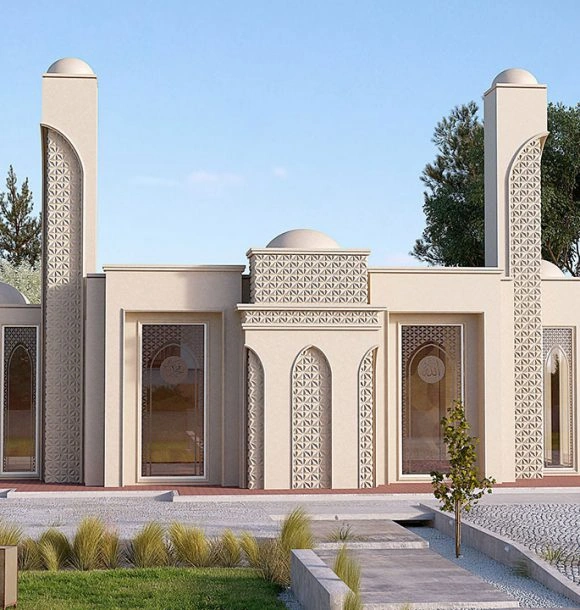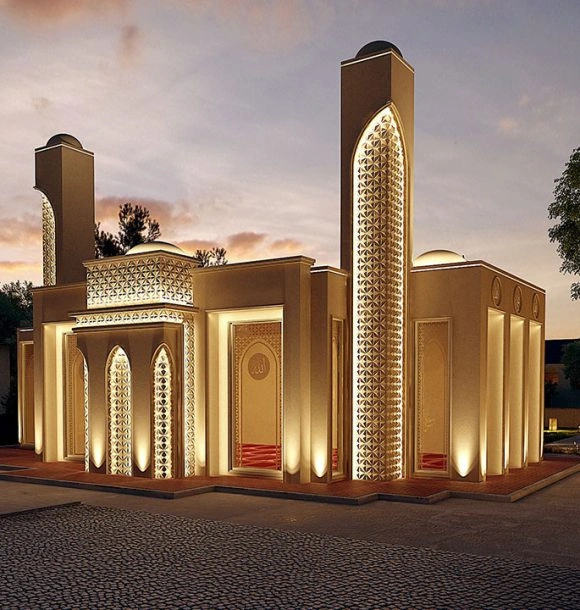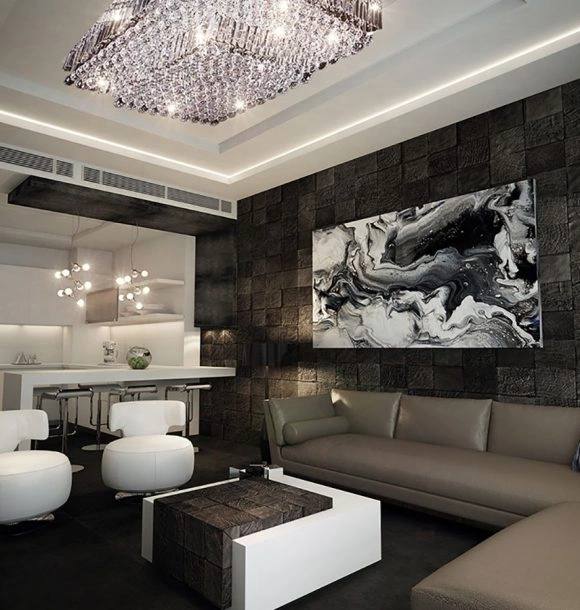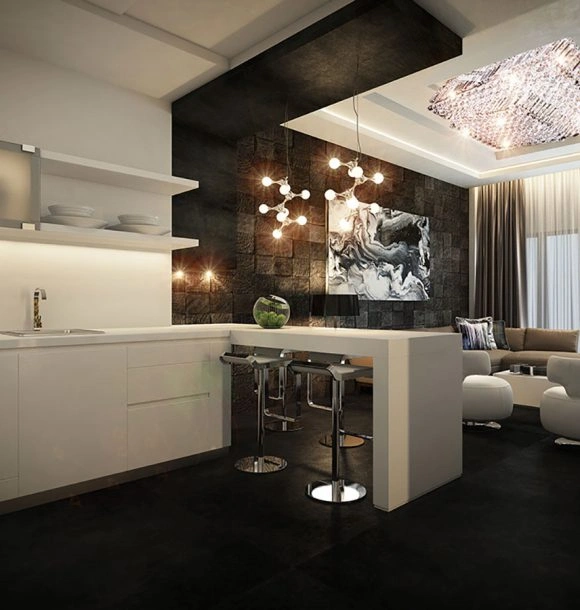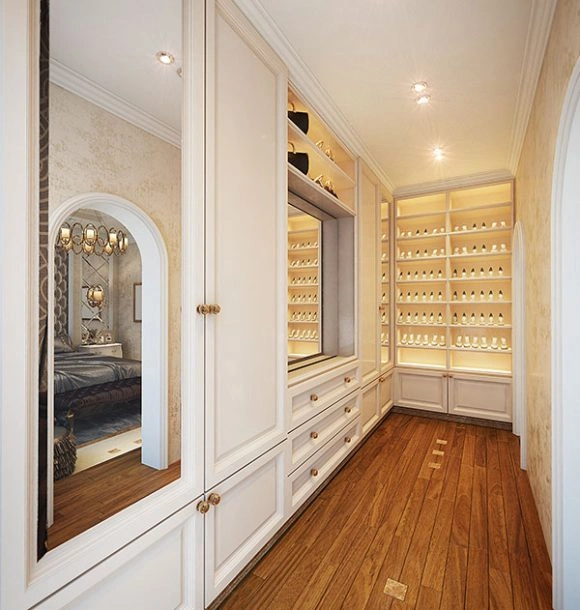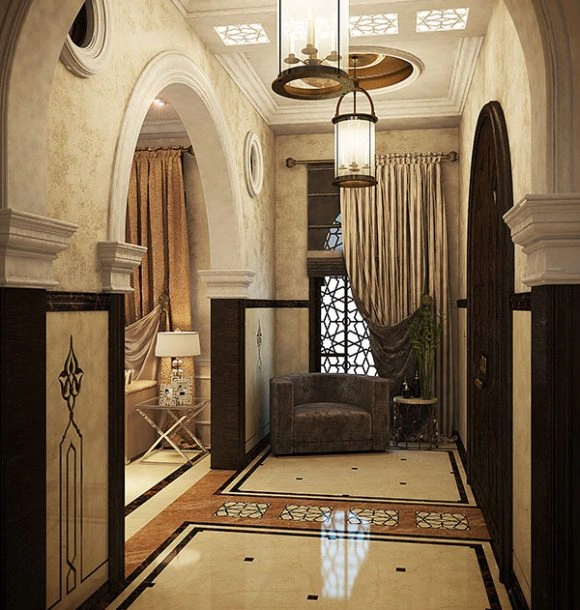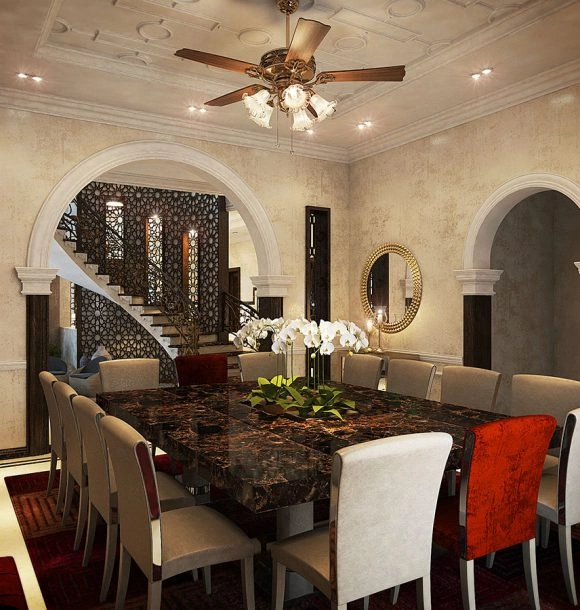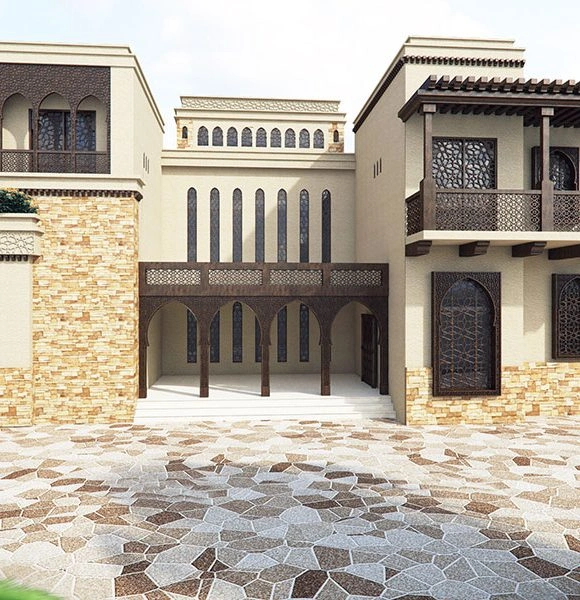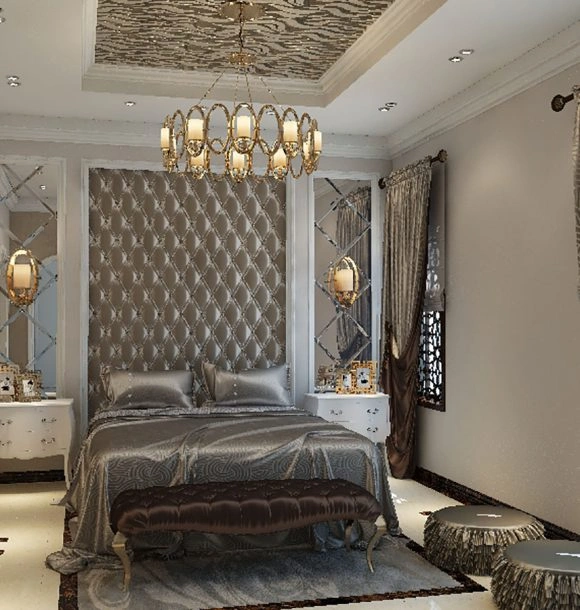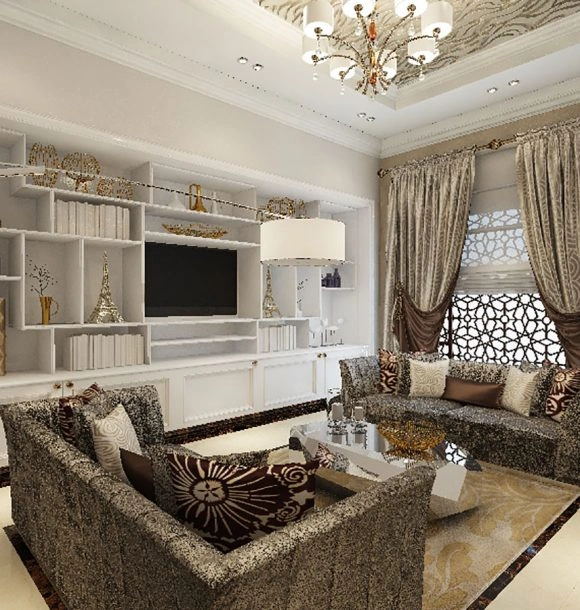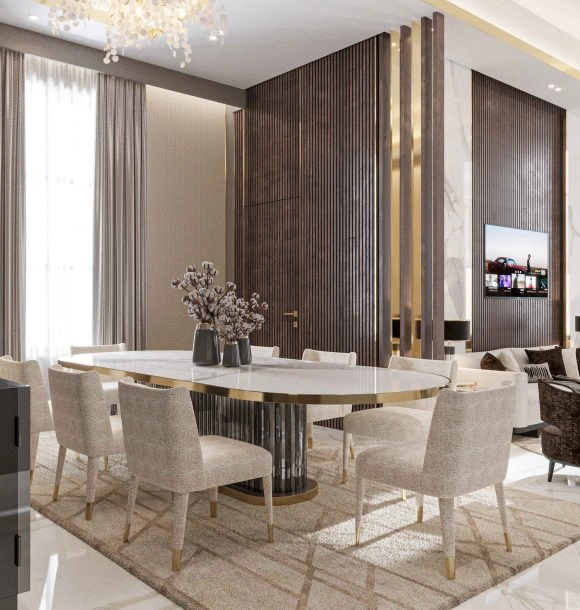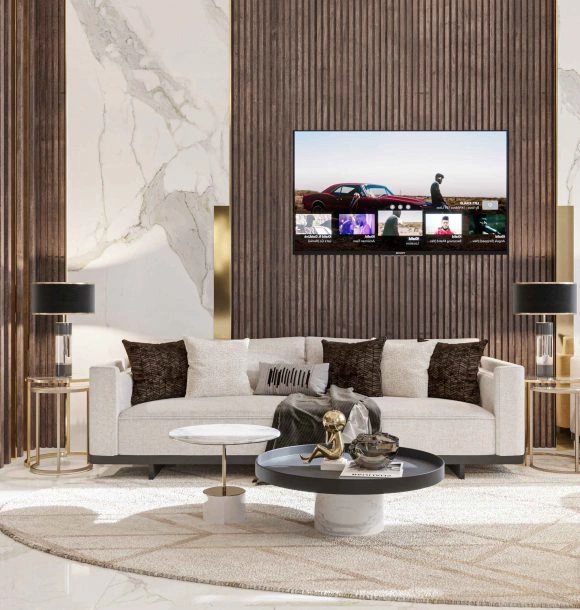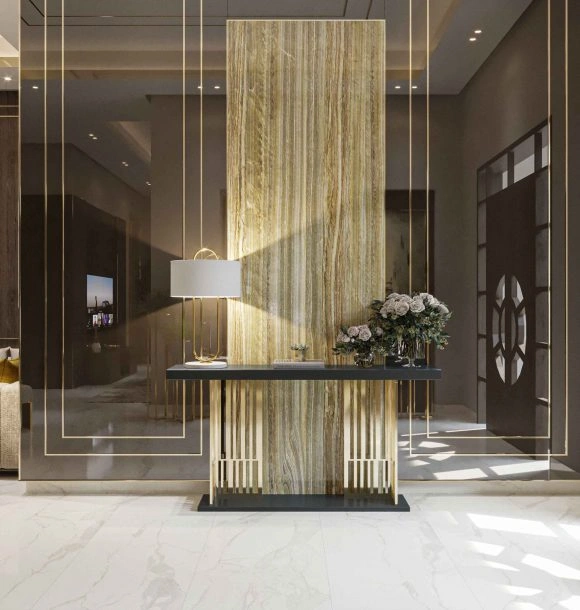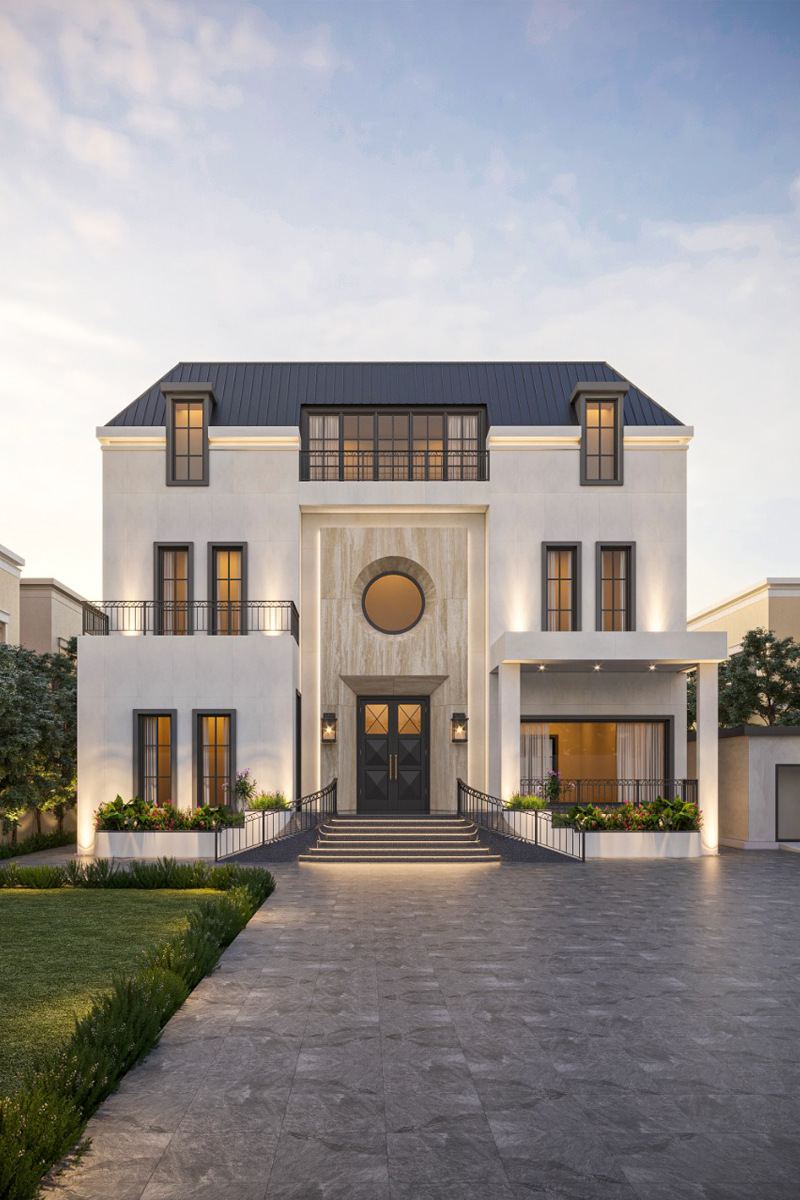
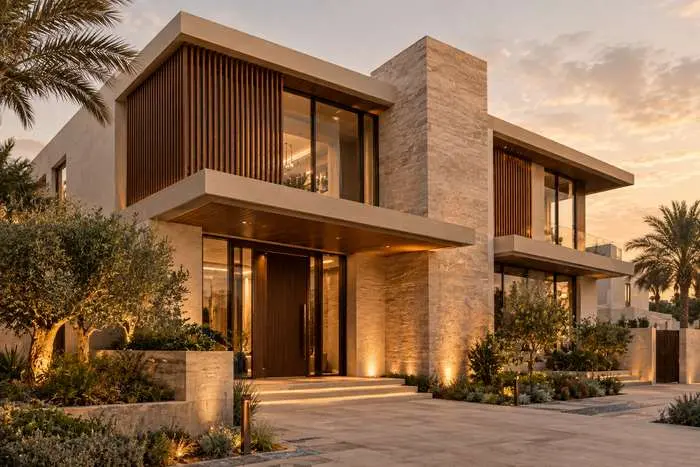
A modern villa exterior in Dubai works best when a calm, uncluttered facade meets materials that can handle heat, UV and dust, and an entrance that feels sheltered and private. In 2026, that usually means neutral tones, texture instead of ornament, deep shading and carefully chosen stone or timber-look accents, all cleared with your community before work begins.
Many Dubai owners spot the problem at the front gate. The interior feels current, but the exterior still carries heavy trims, arches and tired render from an earlier era. This guide covers the facade, the entrance and the trends that hold up in UAE conditions, so you can decide what to change and what to leave alone. If the project also reaches the inside of the home, our villa interior design service covers that side.
What a Modern Villa Exterior Looks Like in 2026
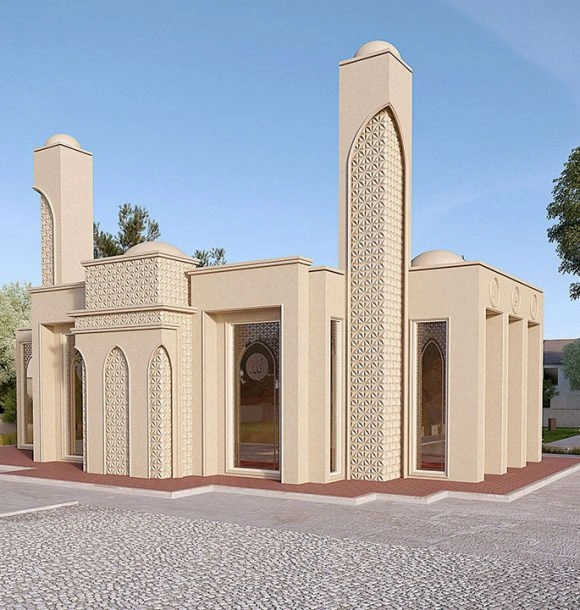
The direction has become quieter. Recent commentary on Dubai villa design points to restrained whites, beiges, greys and taupes, timber paired with concrete, and courtyards that link indoor and outdoor space. The focus is proportion and material quality, not decoration. Engel & Völkers
In practice, five habits show up again and again:
- Simple, confident volumes with fewer decorative moves
- Texture from stone, render or timber-look panels instead of mouldings
- Deep overhangs, fins or screens that shade glass and walls
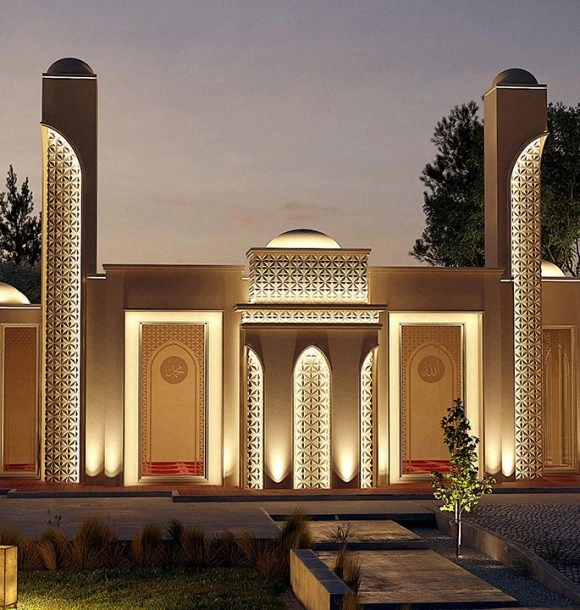
- Warm, low-glare lighting that highlights surfaces
- Planting that frames the house rather than hiding it
Modern doesn’t have to mean imported. Many owners keep a nod to local character, such as a simplified arch, a screen or a courtyard. For the interior side of that balance, see our guide to modern villa design in Dubai.
Not every trend earns its place. Very dark facades and floor-to-ceiling glass on sun-exposed elevations look striking in renders, but they push heat and glare into the home. Use them selectively, on shaded faces or behind deep overhangs, and let the rest of the elevation stay calm.
Start With the Heat, Then Choose the Finish
Massing, roof form and orientation get fixed early, and they shape every choice that follows. Our guide to architectural villa design in the UAE looks at those early decisions.
Facade choices in Dubai are climate choices first. One peer-reviewed simulation of a Dubai villa attributed about 72% of its cooling load to heat gain through the envelope, with roughly half from the roof and external walls and around a fifth from glazed doors. It models a single villa, so treat the numbers as a guide rather than a rule. The same paper also noted that external shading devices can trim villa cooling energy by roughly 9 to 14%. ScienceDirectScienceDirect
Two terms help here. U-value shows how easily heat passes through a wall or window, and lower is better. SHGC, the solar heat gain coefficient, shows how much solar heat passes through glass, and lower blocks more. Dubai’s green building rules set limits on both, but how they apply depends on your villa’s project type and scope, so confirm early with your consultant. Our note on interior design for the UAE climate shows how the same heat logic carries indoors.
Comparing Common Facade Materials
No material wins everywhere. This is how the common options compare in Dubai conditions.
| Material | Look | Strength in Dubai | Watch Out For |
|---|---|---|---|
| Textured paint or render | Clean, plain | Lowest-cost refresh, light colours reflect heat | Hairline cracks, dust staining, repaint cycles |
| Natural stone cladding | Warm, premium texture | Durable when sealed | Porous stone can stain or show salt near the coast |
| Porcelain panels | Slim, stone or concrete look | Stable colour, easy to clean | Fixing method matters, bonded systems can debond |
| GRC | Sculpted shapes, screens | UV-stable, pigmentable | Needs specialist fabrication and joint detailing |
| Aluminium, including timber-look | Crisp, warm wood effect | Lightweight, low upkeep | Finish quality varies, dark colours run hot |
| Real timber | Authentic warmth | Best used sparingly under shade | Fades, checks and needs regular care in full sun |
The material is rarely what fails first. The fixing is. Porcelain, mortar, concrete and aluminium expand at different rates under heat, and some facade specialists warn that thin porcelain bonded straight to a wall can crack or detach over repeated thermal cycles. Where the design allows, ask for mechanically fixed or ventilated systems, which leave an air gap behind the cladding. Also ask what the warranty covers, and for how long. linkedin
Designing the Entrance
Shelter, Scale and Privacy
Double-height portals and full-height glass are popular because they give a villa instant presence. They also bring heat, glare and exposure. A recessed door or a deep canopy gives shade at the threshold, protects the door finish and stops the entrance feeling like a shop front. Check the orientation before you commit to a large glazed entrance, and decide how much of the foyer you’re happy for the street to see.
Doors, Lighting and Access
Large pivot doors look sharp, but they’re heavy and need proper structural support, quality hardware and good dust and weather seals. Real timber in full sun needs regular care, so many owners choose aluminium or steel with a durable finish, or keep timber under a canopy. Plan cabling for video entry and keyless access before the walls close. Light surfaces rather than the sky, and keep it warm and low-glare. Planting softens the approach too, and our villa landscaping guide for Dubai covers what suits the climate.
Glazing, Shade and Privacy
Big windows bring light and heat in equal measure. Double glazing with a low-emissivity coating, thermally broken frames and deep overhangs or vertical fins help you keep the view without the heat. Orientation matters, and west-facing glass usually needs the most protection. For privacy, perforated screens inspired by mashrabiya, layered planting and a well-designed boundary wall can do more than blinds ever will. Our piece on natural light design in the UAE explains how to balance daylight against glare.
Check Approvals Before You Change the Exterior
The approval route depends on where your villa sits. Inside a master-developed community, a developer NOC usually comes first, followed by the government permit. Standalone plots on Dubai Municipality land go through the municipality directly, and Nakheel communities fall under Trakhees. Even work that feels cosmetic, such as facade modifications, boundary walls and external AC placement, can be controlled by community-specific rules. Guidelines change, so confirm with your community management before ordering anything. ModulineModuline
Here’s a hypothetical example. An owner in a master community wants to replace beige render with dark grey cladding and enlarge the front window. The community may restrict the colour palette, and the wider opening may need structural review. Finding that out at concept stage is a design conversation. Finding it out after the materials arrive is a costly one. If the facade update sits inside a bigger refurbishment, our home renovation service can help you plan the sequence.
Mistakes That Cost Owners Later
The first is choosing from a render. Renders show no dust, heat or fading, so a finish that looks perfect on screen can streak or chalk within a few seasons. Ask for physical samples and view them outdoors. The second is assuming cladding means no maintenance. Every exterior needs cleaning, sealant checks and coating inspections. The third is treating the exterior and interior as separate projects, which leaves a foyer that doesn’t match the door you just installed.
What Drives Cost and Where Value Sits
We won’t quote a price here, because facade costs swing with area, height, access and specification. The main drivers are facade area and scaffolding, the material and fixing system, the glazing specification, any structural change, and consultant and approval fees. Owners often overspend on a statement door or feature wall while skipping shading. They often underspend on fixings, waterproofing and coating warranties, and those are the items that hurt years later. A durable exterior also reduces repainting cycles, which is where long-term value builds.
Where the Exterior Hands Over to the Interior
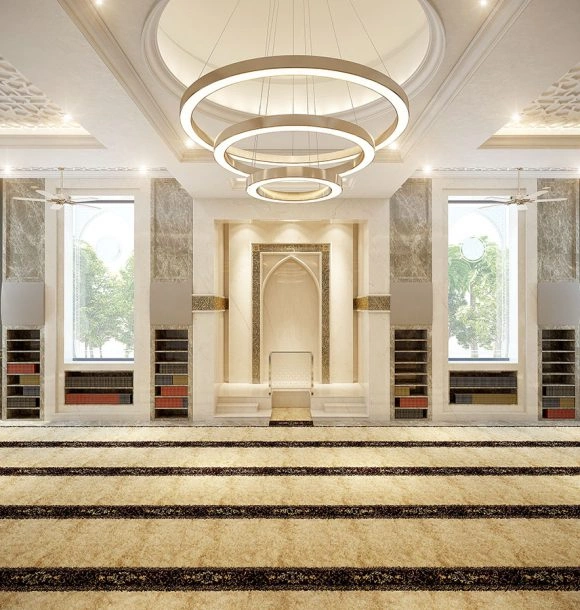
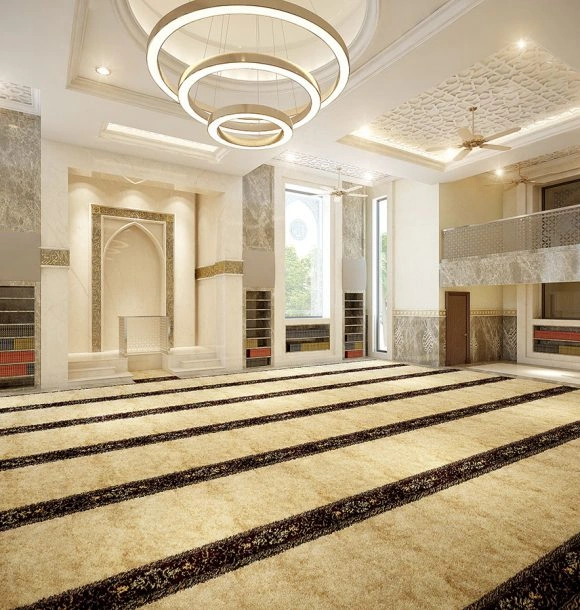
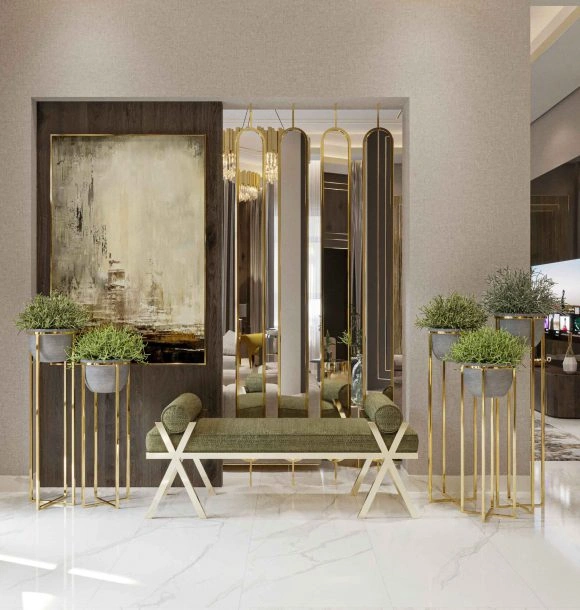
The entrance is the moment your exterior hands over to the interior. Matching materials, ceiling height and light levels between the door and the foyer make the villa feel designed as one piece. Our article on how designers plan a villa around its architecture shows how that thinking works in practice.
If you’re planning a villa update and want the inside to match the outside, you can get in touch with La Firma to discuss your project.
Frequently Asked Questions
What colour suits a modern villa exterior in Dubai?
Light neutrals such as off-white, sand and soft grey are the safest choice, because lighter surfaces reflect more heat. Darker tones can work on shaded or ventilated accents, such as a door surround or a feature panel. Check your community’s approved palette first.
Do I need approval to change my villa facade in Dubai?
Often, yes. Communities usually require a developer NOC, and structural or safety-related work needs a municipality or Trakhees permit. Confirm the exact route for your plot and scope with your community management.
Which facade material lasts longest in Dubai?
There’s no single winner. Stone, porcelain, GRC and coated aluminium can all perform well when they’re fixed correctly and detailed for thermal movement. Coastal villas should also check salt resistance.
Can I modernise an older villa exterior without a full rebuild?
Frequently. New paint or render, cladding accents, a redesigned entrance, updated glazing and better lighting can change a villa’s character without touching the structure. Anything that alters the structure or the approved elevation needs approval first. You can also talk through a wider refresh with the La Firma team.