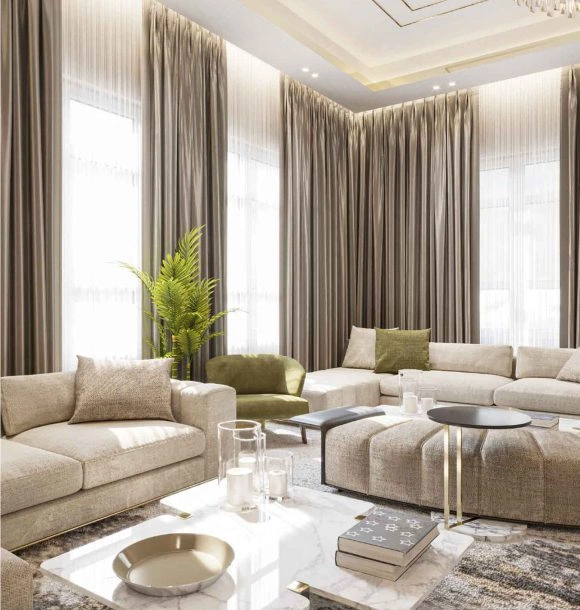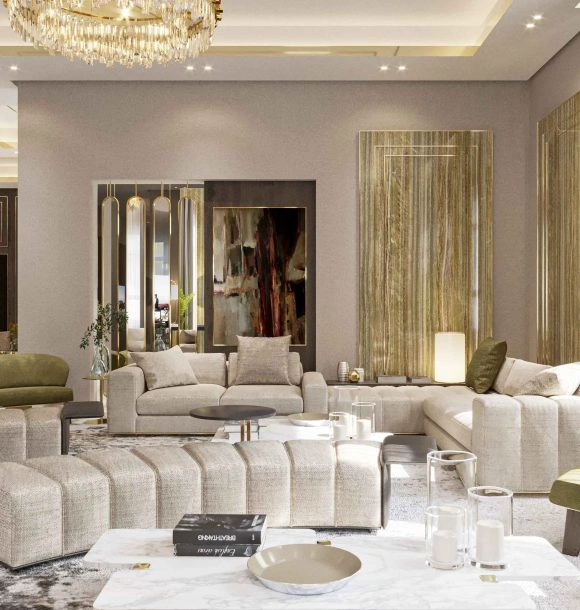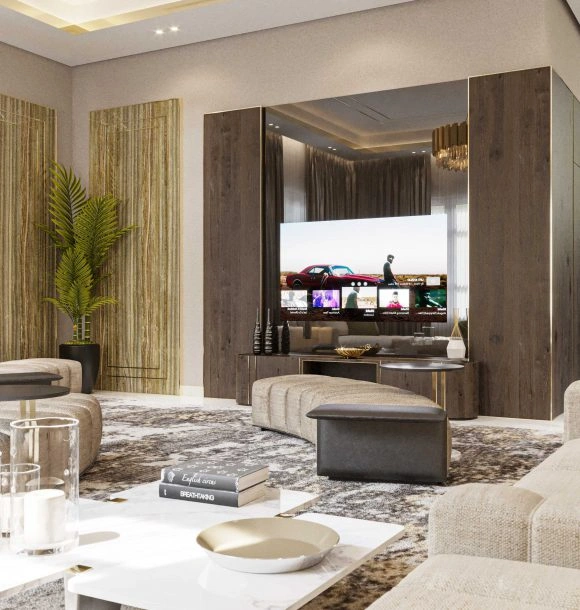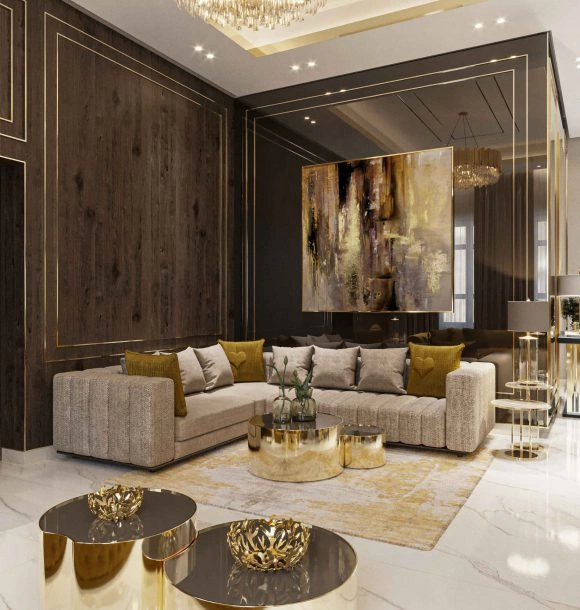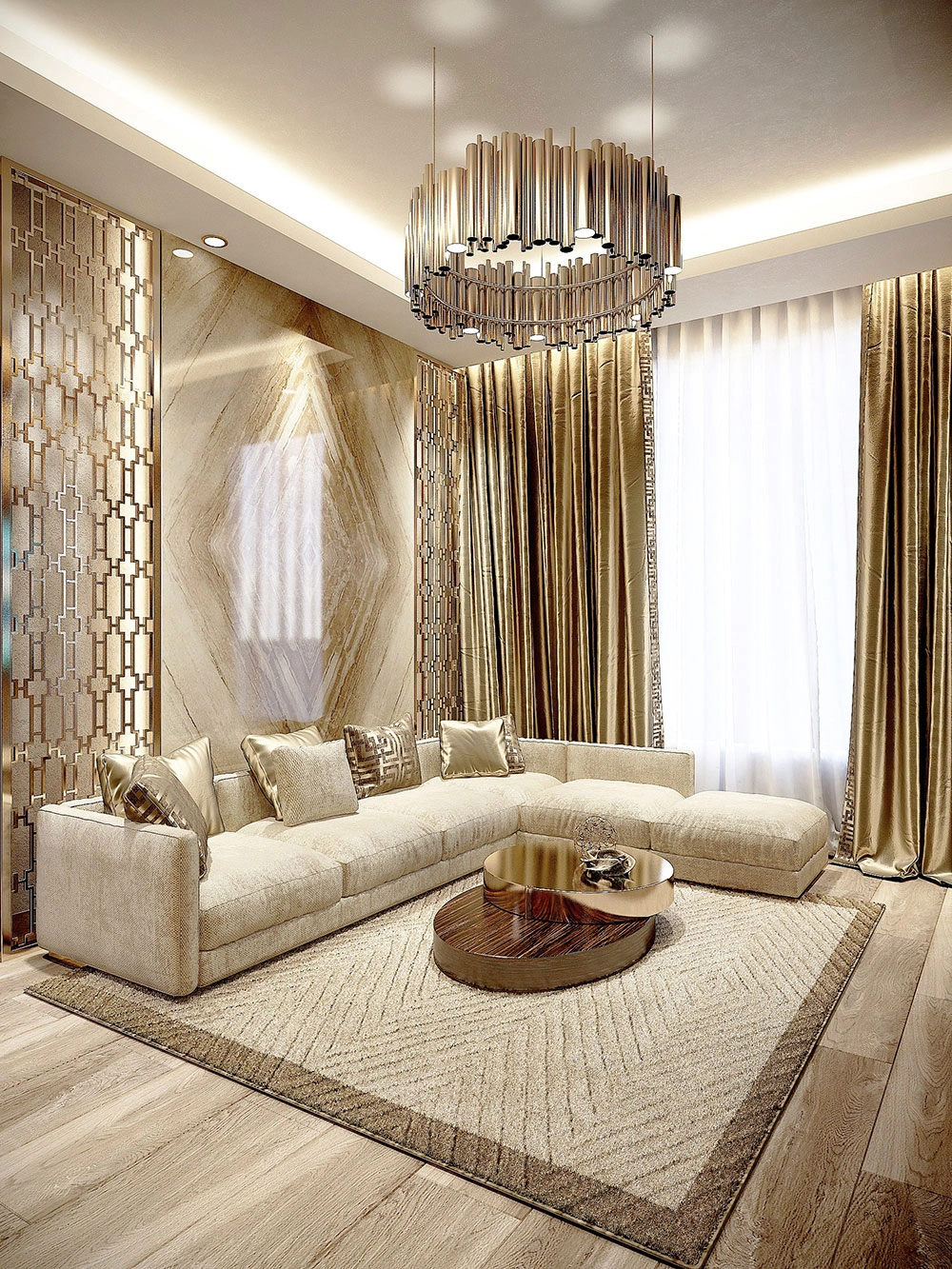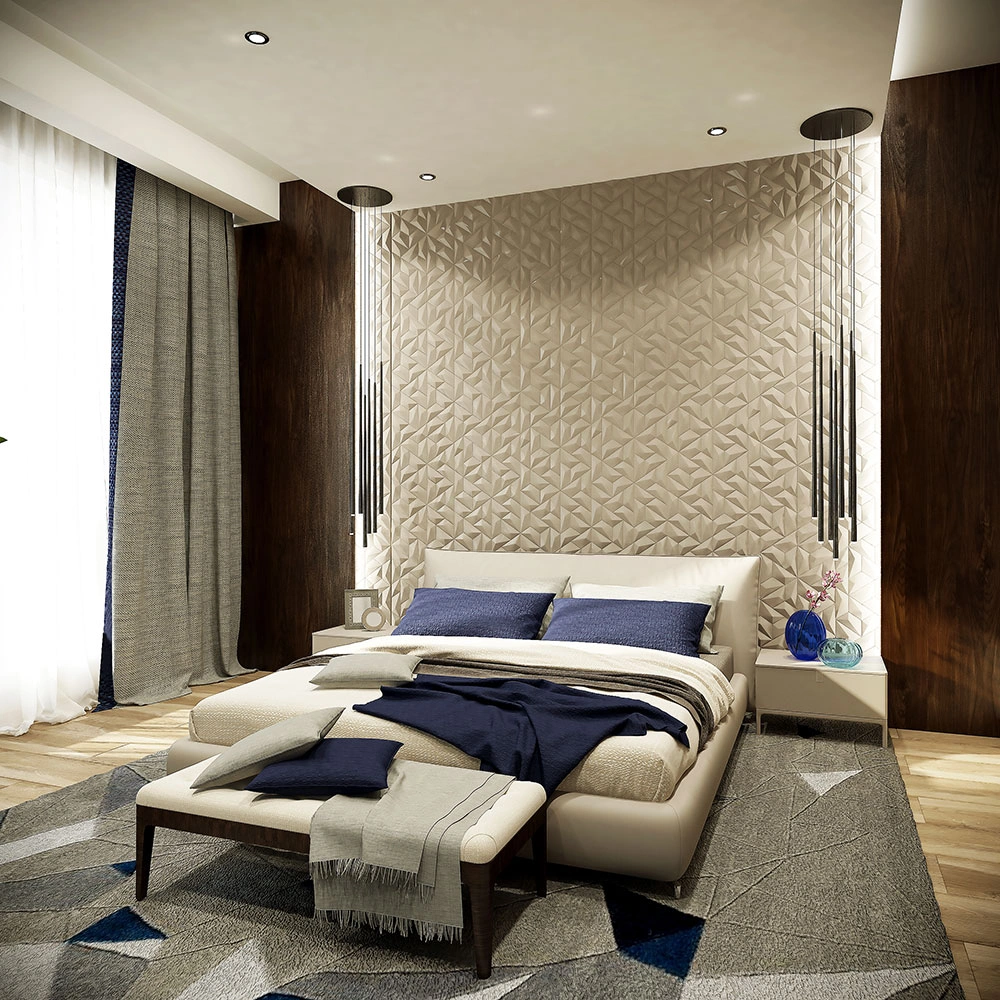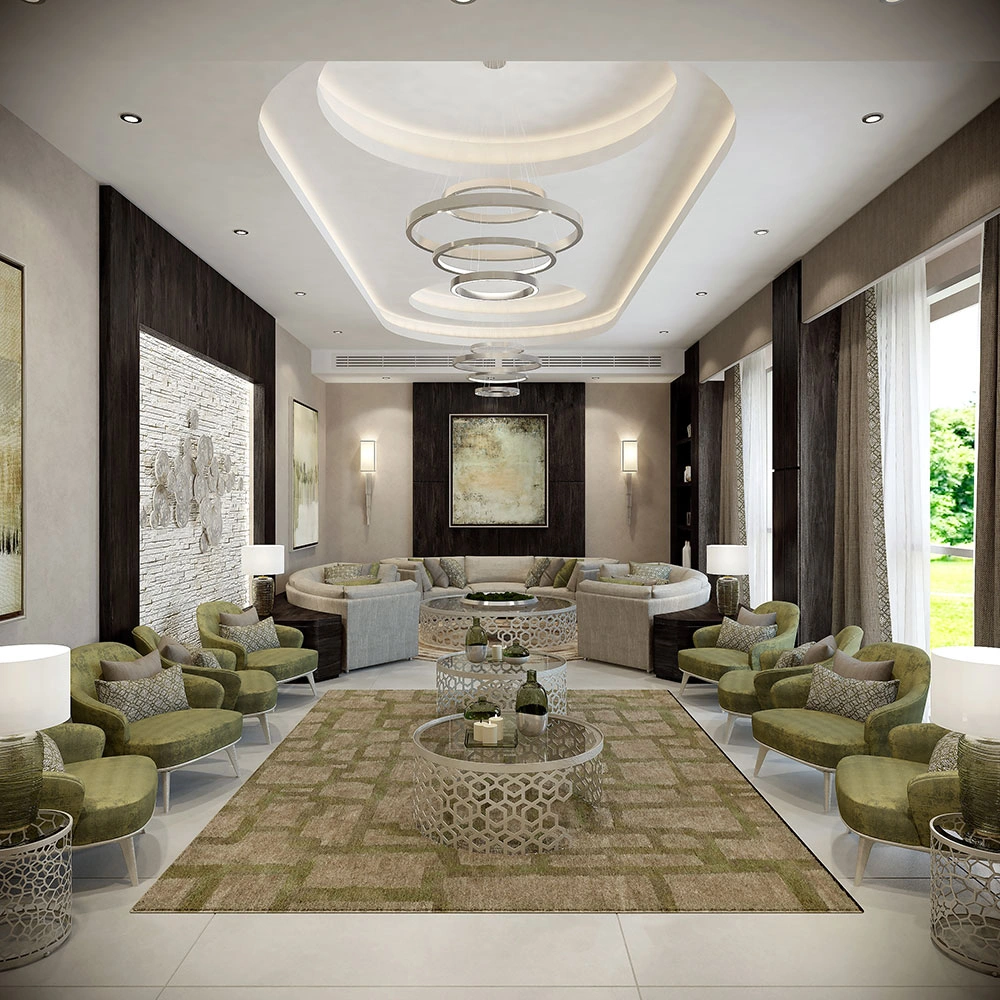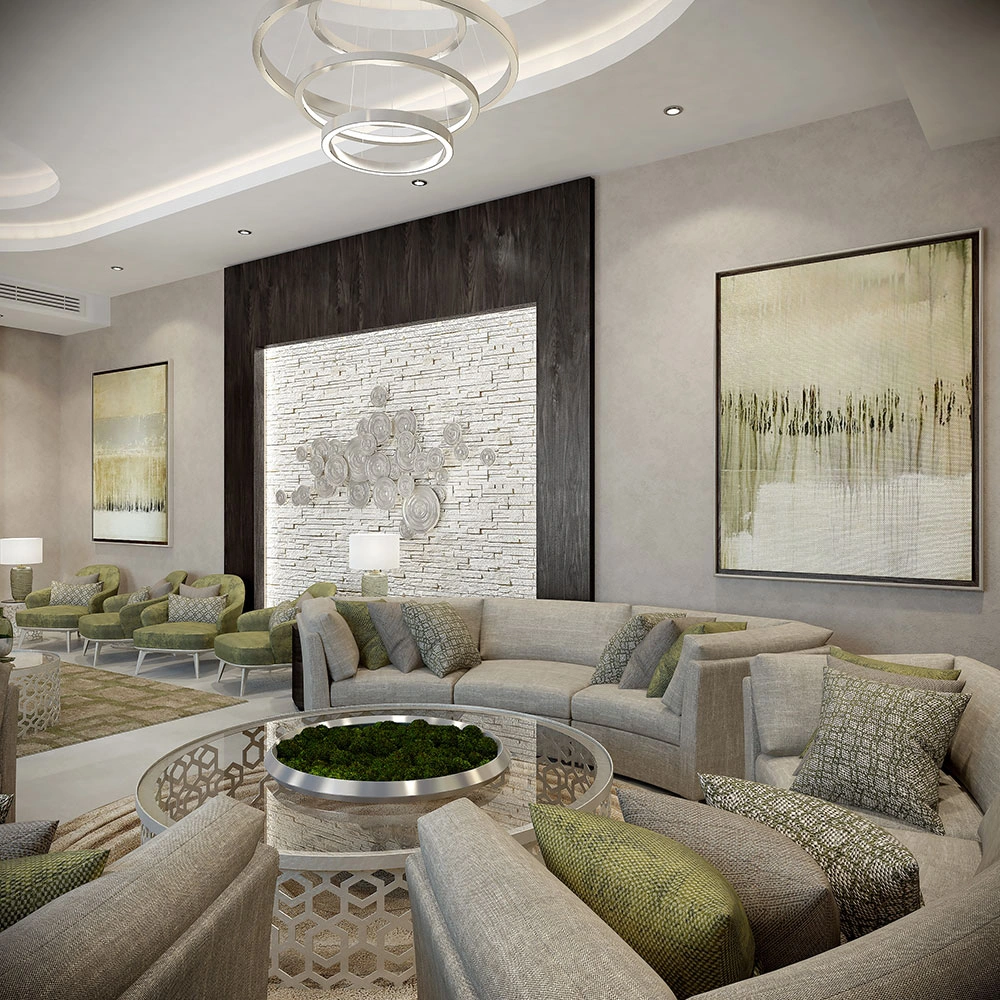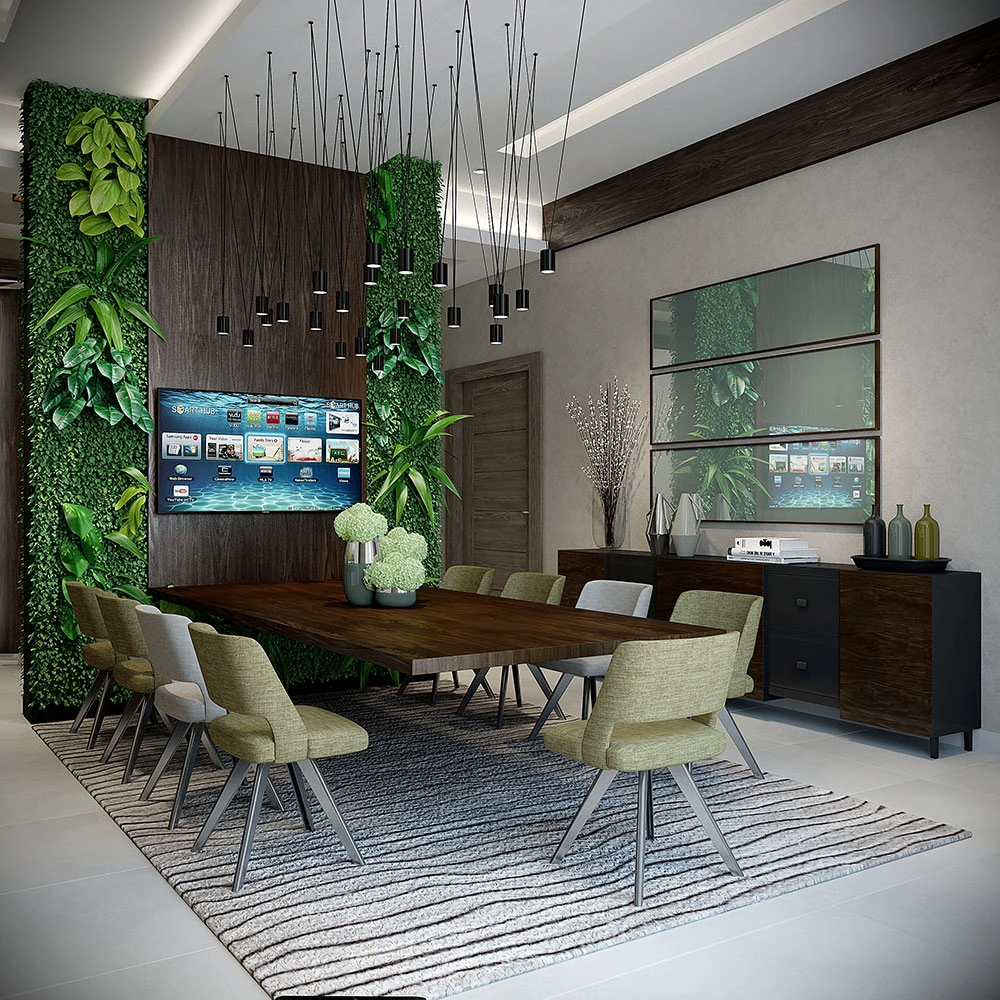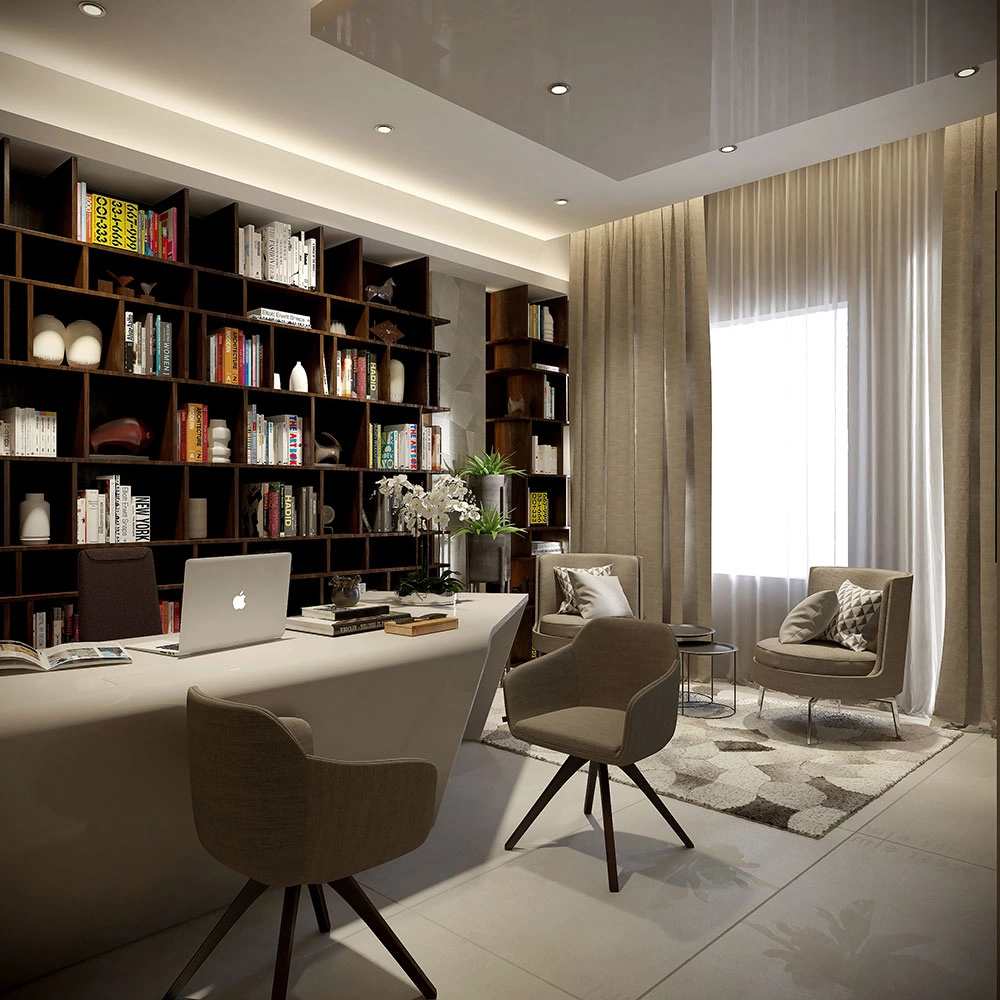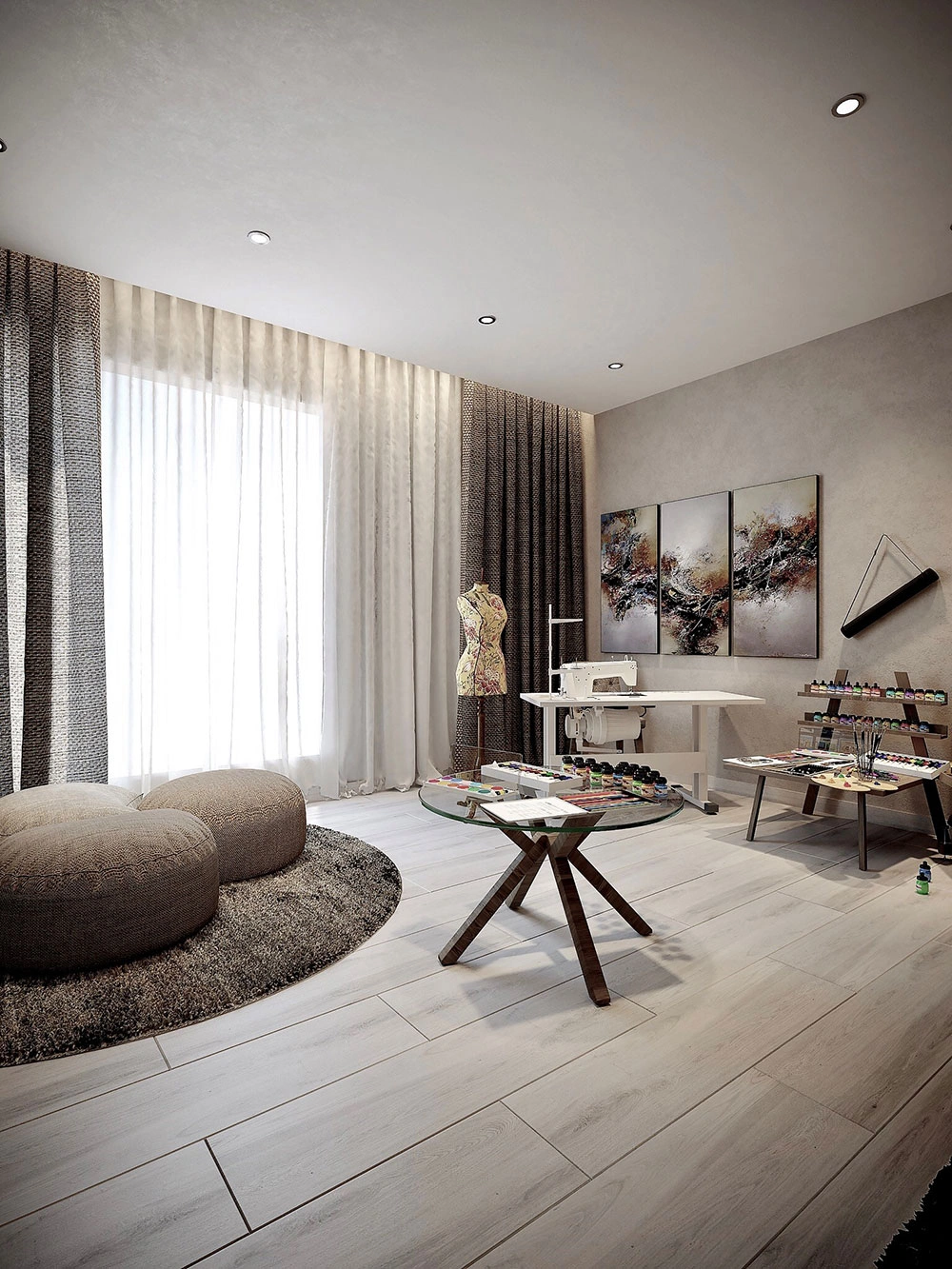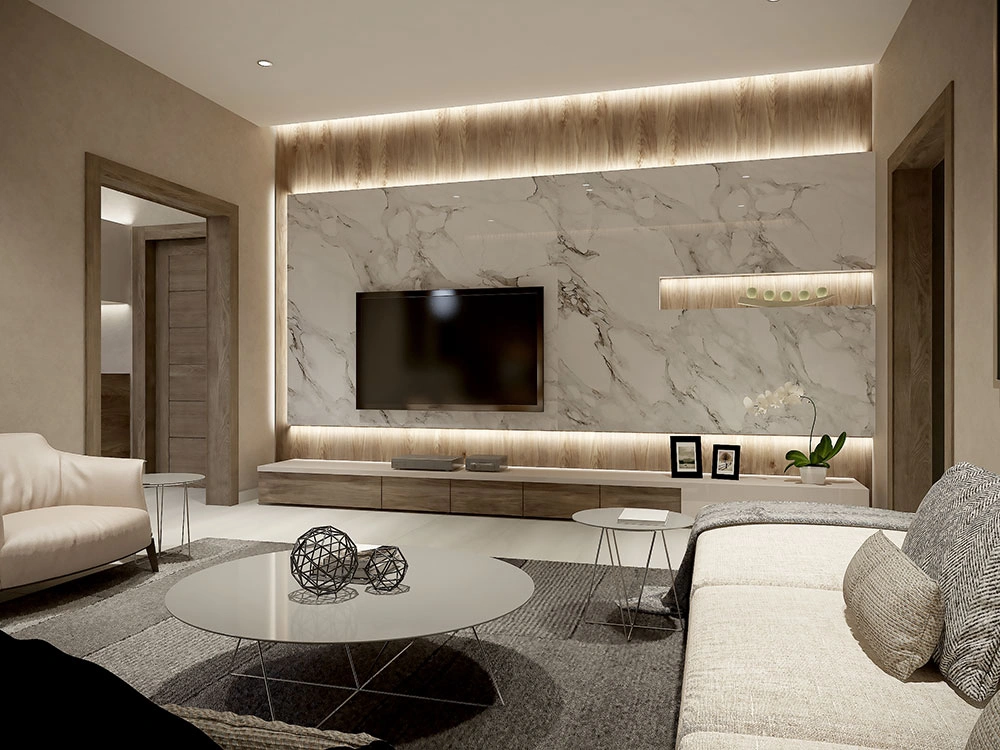
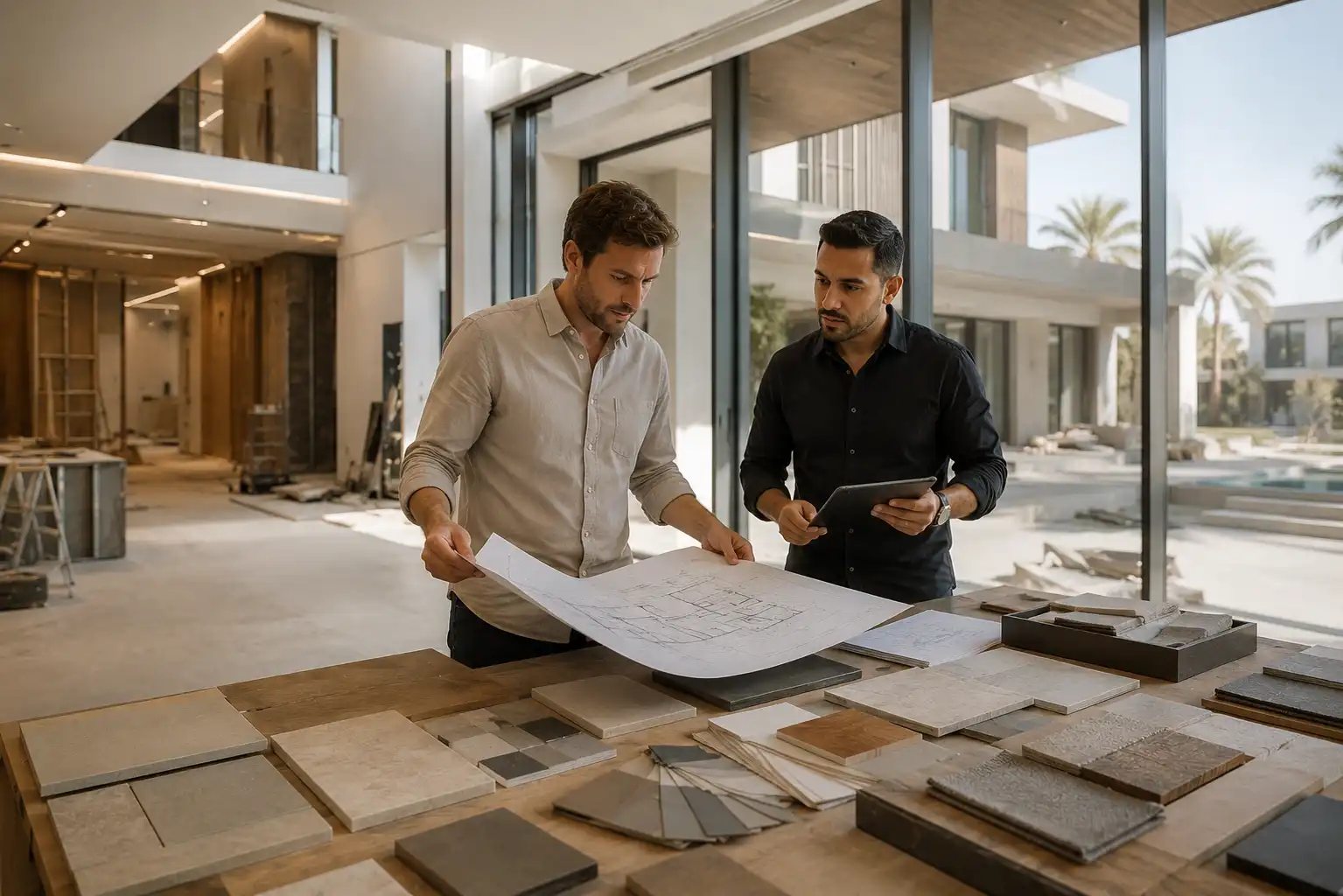
If you’re planning a villa renovation or an office fit-out in Dubai, people often use these two terms interchangeably. They aren’t the same thing. Interior design decides how a space should look, feel, and function. Project management makes sure that plan actually gets built. It keeps things on schedule, within budget, and stops the site from turning into chaos. Understanding what interior project management actually involves early on saves a lot of confusion later.
An interior designer shapes the vision, including layout, materials, lighting, furniture, and finishes. A project manager runs the execution: contractors, timelines, permits, budgets, and site coordination. Most UAE renovations and fit-outs need both. The two roles work best when they stay tightly connected instead of sitting with separate, disconnected teams.
That distinction matters more in the UAE than people expect. Villa and apartment renovations here often involve multiple approvals, tight handover deadlines for new developments, and contractors who need clear direction to avoid costly rework. When homeowners assume the designer will handle everything, or the contractor will figure out the design, gaps appear. They usually show up around week three of the project, right when they’re hardest to fix.
This article breaks down where each role starts and ends. It also covers where they overlap, and how to decide what your project actually needs.
What Does an Interior Designer Actually Do?
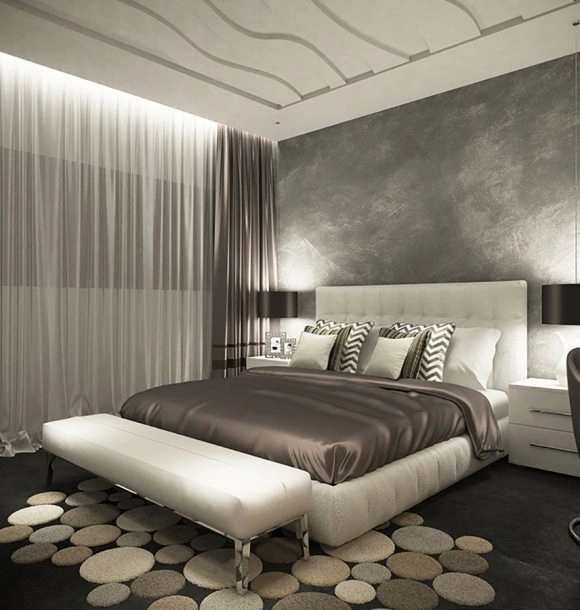
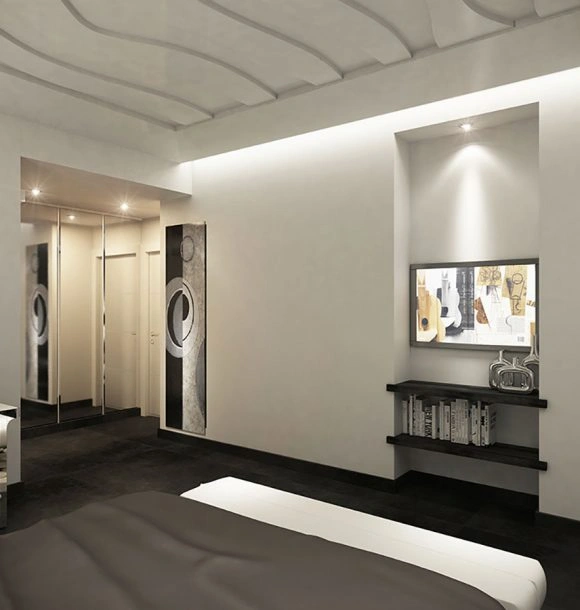
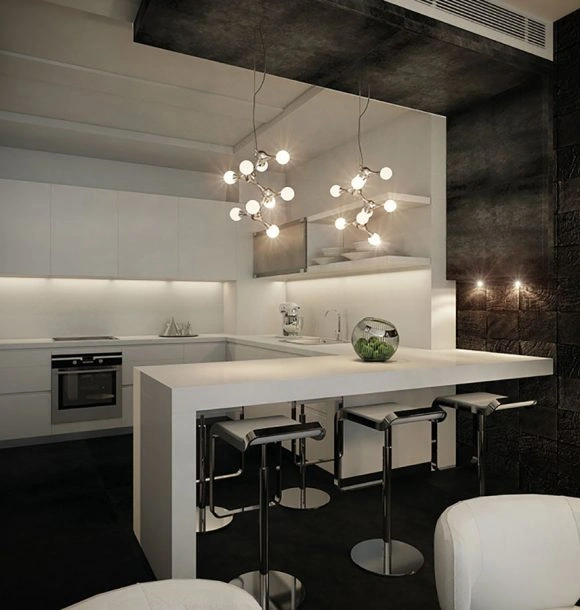
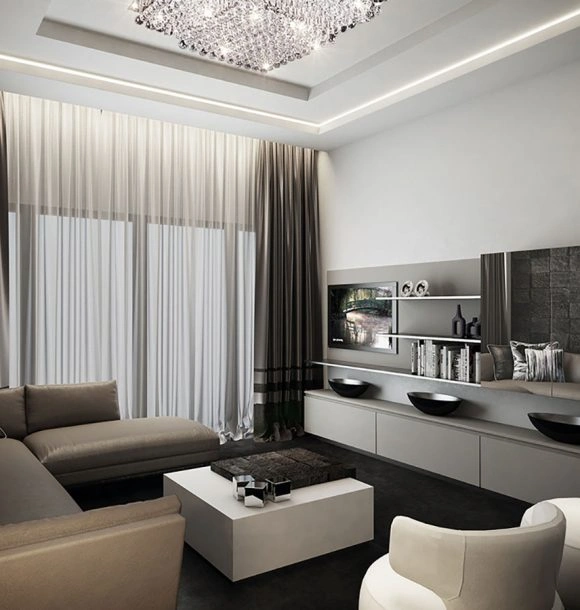
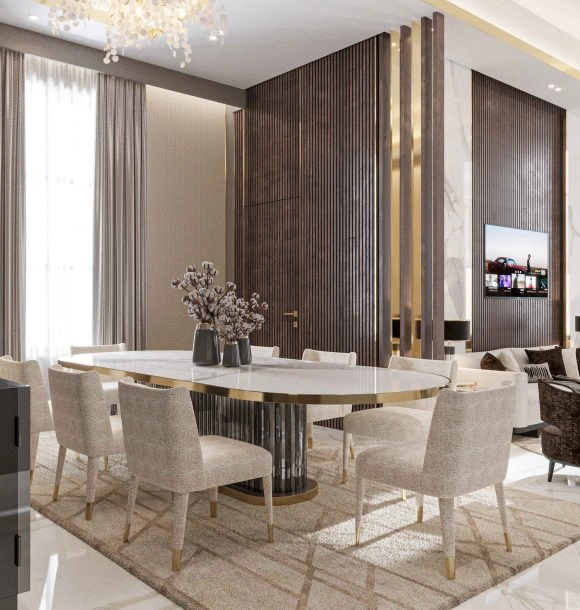
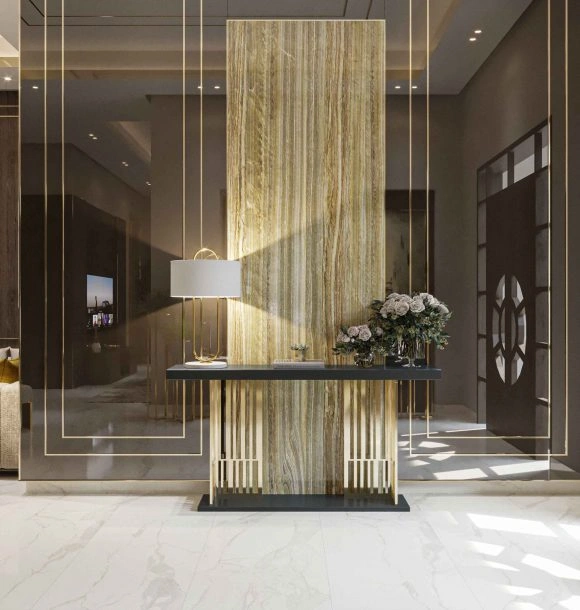
An interior designer’s job is the creative and technical planning behind a space. This covers space planning, material selection, lighting design, furniture layout, and color schemes. It also covers how the finished interior will function for daily life or business use. A good designer thinks about storage, traffic flow, and how a room performs under UAE conditions. Strong sunlight, high humidity, and heavy AC use all affect material and layout choices.
Designers also produce the documents everyone else relies on: mood boards, 3D visuals, material schedules, and technical drawings for joinery or custom furniture. That documentation is what a contractor builds from. Without it, even skilled tradespeople end up guessing. Guessing on-site almost always costs more than getting the drawing right beforehand.
A designer typically doesn’t manage the construction schedule, contractor payments, or site supervision. They also don’t usually coordinate between electricians, MEP teams, and joinery suppliers. That’s where project management takes over.
What Does a Project Manager Actually Do on a Fit-Out?
A project manager turns the design into a working schedule and keeps it on track. This includes sequencing trades correctly, so electrical work happens before ceiling closure. It also means ordering materials with enough lead time, tracking budget against actual spend, and resolving the daily site issues that come up on almost every UAE renovation or fit-out.
Project managers also handle the parts homeowners rarely see: coordinating construction supervision visits, managing NOCs and approvals where relevant, and making sure subcontractors show up in the right order. On commercial fit-outs, this role becomes even more critical, since delays directly cost a business operating days or missed opening dates.
A project manager isn’t usually choosing your tile pattern or furniture layout. Their job is making sure the design you chose gets built accurately, on time, and without avoidable cost overruns.
Interior Design vs Project Management: Key Differences
| Aspect | Interior Design | Project Management |
|---|---|---|
| Main focus | How the space looks and functions | How the project gets built and delivered |
| Core output | Layouts, materials, 3D visuals, drawings | Schedules, budgets, site coordination |
| Timing | Concept and planning phase | Execution and construction phase |
| Decisions made | Style, finishes, furniture, lighting | Sequencing, logistics, contractor management |
| Success measured by | Does the space work and feel right | Was it delivered on time and on budget |
Neither role replaces the other. A brilliant design with poor project management often runs late and goes over budget. Strong project management with weak design produces a space that gets built correctly but doesn’t suit how you live or work.
Why UAE Homeowners and Businesses Confuse the Two Roles
The confusion usually comes from how the UAE market markets itself. Many companies advertise as interior designers while quietly outsourcing execution. Many fit-out contractors offer design as an add-on without dedicated design expertise. Both setups can work, but only if there’s real coordination between the design intent and the people building it.
One detail that homeowners often overlook in Dubai properties is how much the two roles depend on each other’s timing. A designer who finalizes joinery drawings too late pushes the entire construction schedule back. A project manager who orders materials before final design sign-off risks ordering the wrong finishes. When these two functions sit under one roof, that back-and-forth happens in days instead of weeks.
A Real Dubai Scenario: When the Lines Blur
Picture a homeowner in a Dubai Hills villa. They hire a designer for the interior concept and separately hire a contractor to execute it. The designer specifies a custom kitchen island with a waterfall marble edge. The contractor, working from incomplete drawings, orders standard-thickness marble because nobody clarified the detail during handover between design and build.
By the time anyone notices the mismatch, workers have already cut and installed the marble. Reordering means new lead time, extra labor, and a delay to the whole kitchen timeline. This is a coordination failure, not a design failure or a construction failure on its own. It happens in the gap between the two roles. It’s exactly the kind of issue design-build setups exist to prevent.
Common Mistakes Homeowners and Businesses Make
The most common mistake is assuming one person or one company automatically covers both functions well. Some do it genuinely; many outsource one side without saying so. Ask directly who handles design and who handles site execution before signing anything.
Another mistake is choosing furniture and finishes before the layout and MEP plan are locked. This forces expensive changes later, since electricians and plumbers need to position electrical points, AC vents, and plumbing around the final layout, not the other way around. Skipping proper construction supervision is another frequent gap. Someone needs to physically check that what’s on-site matches the design, not just trust that it will.
Underestimating how much project management affects the final result is also common. Homeowners often judge quality purely by design taste, then get surprised when a beautifully designed space arrives three months late because nobody managed the sequencing properly.
Do You Need Both for a UAE Fit-Out or Renovation?
For almost any project beyond cosmetic updates, like new paint or swapping furniture, you need both functions working together, even if one company or one person handles both.
For a Villa or Apartment Renovation
Design work sets the layout, materials, and joinery specifications. Project management then sequences demolition, MEP work, joinery installation, and finishing, so the order stays correct and trades don’t have to redo work because someone came in too early.
For a Commercial Fit-Out
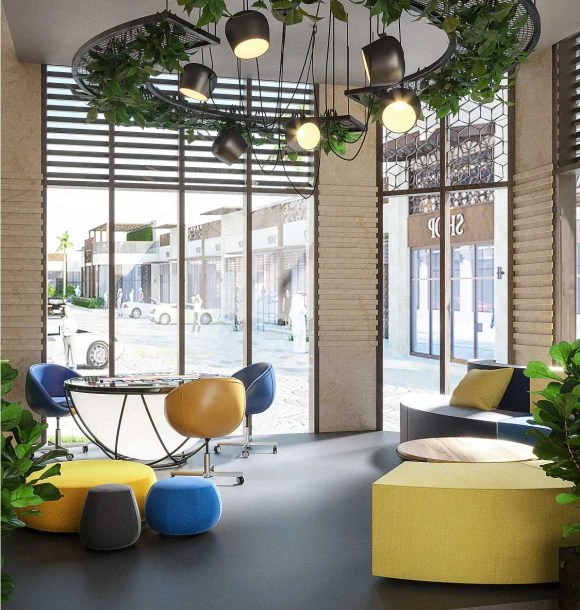
The stakes are higher here because delays cost operating revenue. A retail unit or office fit-out typically needs a project manager tracking the schedule against a fixed handover or opening date. Meanwhile, designers keep refining the layout around brand requirements and functional needs.
Cost and Value: Where Design and Project Management Overlap
Design fees and project management fees usually follow different pricing structures. Designers often price their work around scope and complexity, while a fit-out contract can either build in project management or charge for it separately, depending on project size. What affects cost most isn’t which model you choose. It’s how clearly the two functions coordinate from day one.
Cutting corners on project management to save money is where many UAE renovations lose value. A missed sequencing detail, a late material order, or poor site supervision often costs more to fix than the management fee would have been in the first place. The design investment only pays off if the execution matches it accurately, room by room.
Working with a company that runs both design and execution under one process removes a lot of this risk. Home interior design paired with fit-out execution means there’s no handover gap between two separate teams to manage.
Frequently Asked Questions
Q1: What is the difference between interior design and project management?
A: Interior design decides how a space looks and functions. Project management runs the construction side: scheduling contractors, managing budgets, and coordinating the site so the design gets built accurately and on time.
Q2: Do I need a project manager if I already hired an interior designer?
A: For anything beyond cosmetic changes, yes. A designer’s drawings still need someone coordinating contractors, trades, and timelines on-site. Without that, even a strong design can run late or get built incorrectly.
Q3: How long does a typical UAE fit-out take with both design and project management combined?
A: Timelines vary by scope. A mid-size villa renovation or office fit-out in Dubai often takes several weeks to a few months when design and execution teams coordinate closely. Fewer delays happen when planning and building stay connected.
Q4: Is it worth hiring one company for both design and project management?
A: Often yes, since it removes the communication gap between the two functions. The main requirement is that the company genuinely has both capabilities in-house, rather than outsourcing one of them to a third party.
Q5: Which is better for a commercial fit-out, separate design and PM firms, or one combined provider?
A: A combined provider generally works better for commercial fit-outs, where delays directly affect opening dates and revenue. Tight coordination between design sign-off and construction sequencing matters more than it does for smaller residential projects.
Ready to Bring Design and Execution Together?
The real difference between interior design and project management isn’t which one matters more. It’s that your project needs both moving in sync. A great layout means little if construction runs off-schedule, and a perfectly managed timeline can’t fix a design that doesn’t work for how you actually live or run your business.
If you’re planning a renovation or fit-out in the UAE, ask any company upfront exactly how they handle both sides. La Firma manages interior design and fit-out execution under one team, so nothing gets lost in the handover between planning and building. If you’re weighing your options, our turnkey fit-out approach is a good starting point for a no-surprises conversation about your project.