
Written by the La Firma Design Team, the interior designers, fit out specialists and project managers behind our villa projects across the UAE. Updated 9 November 2026.
Design and build is a procurement method where one company is contracted for both the design and the construction of a project. In Dubai, that means one contract, one team and one party responsible for the result, from concept drawings and authority approvals to handover. It differs from traditional design-bid-build, where the client hires a designer first and then tenders the drawings to contractors.
Key takeaways
- One contract, one point of responsibility for design, construction and handover.
- Faster start: design and construction overlap, so work can begin before every drawing is finished. The time saved depends on the project and the quality of the client brief.
- Cost certainty comes from a clear brief. A vague brief leads to variations under any delivery method.
- Best suited to fit-outs, villas, offices, retail and hospitality. Large public works and projects needing a fully designed tender package often use traditional contracts.
- Contract form matters. In the UAE, design-and-build work is commonly based on the FIDIC Yellow Book or Silver Book, or on a bespoke contract.
What is design and build in the UAE?
Under design and build (also written design-build or D&B), the client gives the contractor an Employer’s Requirements document: what the building must do, the budget, the programme, quality standards and any fixed design intent. The contractor then develops the design, obtains approvals and builds, taking responsibility for both.
In design-bid-build, the client’s consultant completes the design first, the project is tendered, and a separate contractor builds it. Design-bid-build is still the more common route on UAE projects, while design and build is increasingly chosen where speed and single-point accountability matter.
Design and build vs traditional contracting (design-bid-build)
| Design & Build | Design-Bid-Build | |
|---|---|---|
| Contracts | One contract with one company | Separate designer and contractor contracts |
| Responsibility for design errors | Contractor (within the agreed brief) | Mostly the client’s consultant |
| Programme | Design and construction overlap | Design finishes before tender and construction |
| Price certainty | Fixed once the brief and scope are agreed | Strong after tender, if the design is complete |
| Design control for the client | Lower, unless the brief is detailed | Higher |
| Typical fit | Fit-outs, villas, commercial, fast-track | Landmark projects, heavily customized design |
Which is better? Neither always wins. Choose design and build when speed and one point of accountability matter most. Choose traditional contracting when you want maximum control over a bespoke design and are prepared to run a tender.
The design and build process in Dubai: 5 stages
- Brief and feasibility. Site visit or survey, requirements, budget, programme and a check of which authority governs the project.
- Concept design. Layouts, 3D visuals, material direction and an initial cost plan.
- Developed design and approvals. Technical drawings, MEP coordination, and approval submissions to the relevant authority.
- Construction or fit-out. Procurement, site works, quality inspections and progress reporting against the programme.
- Testing, handover and warranty. Testing and commissioning, snagging, completion certificates, as-built documents and the defects liability period.
How much does design and build cost in Dubai?
Costs vary widely with type, location, finish level and site conditions. As an indicative planning range, Knight Frank’s Q2 2025 benchmark puts building cost in Dubai at roughly AED 390 to AED 1,020 per sq ft of built-up area, before design fees, authority fees and contingency. Standard-finish villas are often quoted at the lower end, while custom luxury projects run well above it. Interior fit-out is priced separately and depends heavily on specification.
| Cost driver | Why it moves the price |
|---|---|
| Finish level | Imported stone, joinery and smart-home systems can multiply the rate |
| Site and structure | New build versus renovation or fit-out of an existing unit |
| MEP complexity | Cooling load, kitchens and wet areas, and building-management systems |
| Authority and landlord requirements | NOCs, fire and life safety upgrades |
| Programme | Compressed schedules increase labour and logistics costs |
| Contingency | Plan for around 10-15% on top of the quoted price |
Treat every number as a planning figure and ask for an itemized quotation (BOQ) from a licensed contractor. Ask whether the price is fixed or re-measurable, and what is excluded.
Design and build for fit-outs and villas
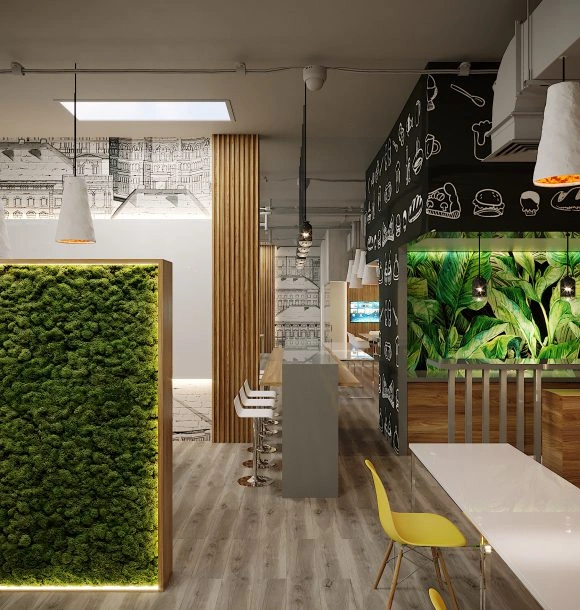
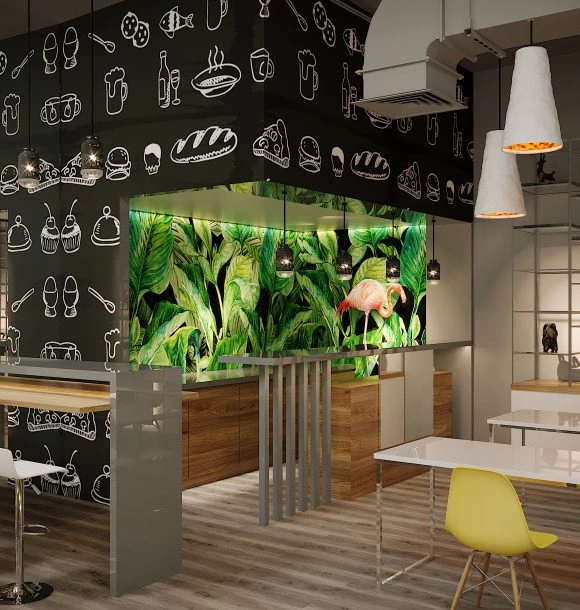
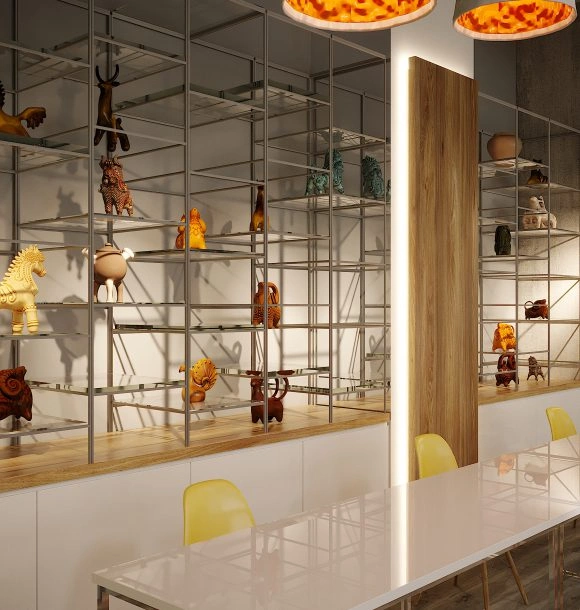
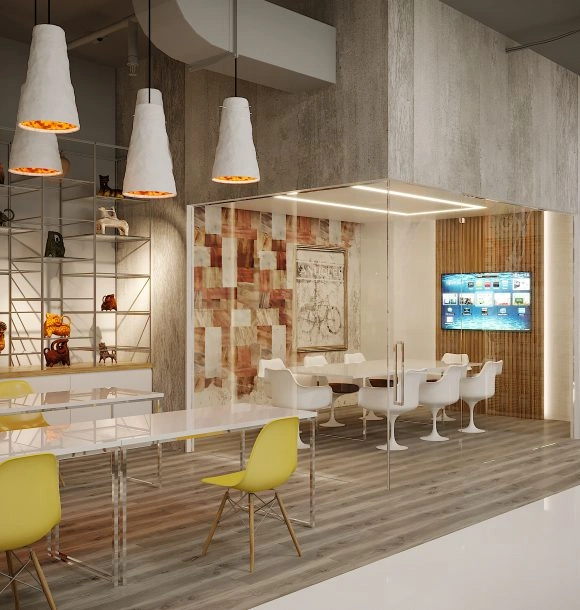
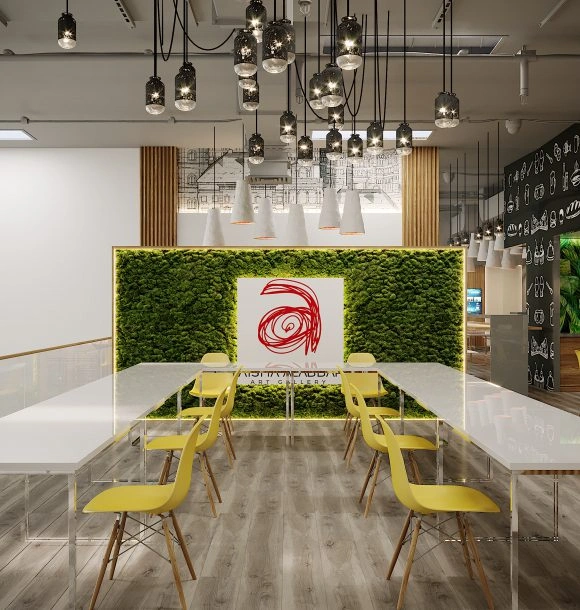
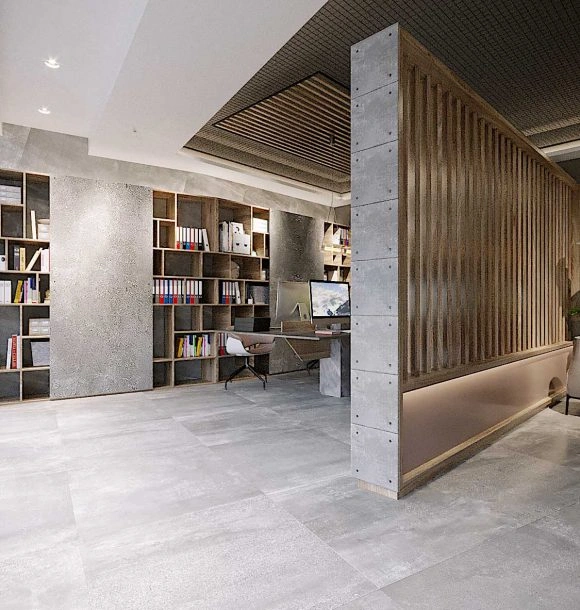
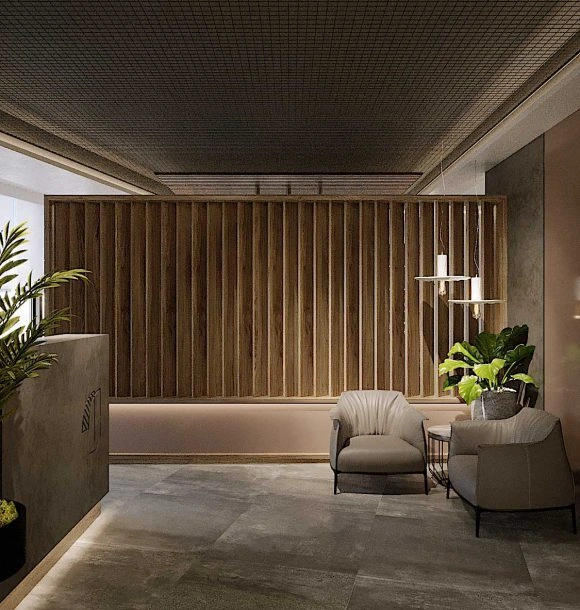
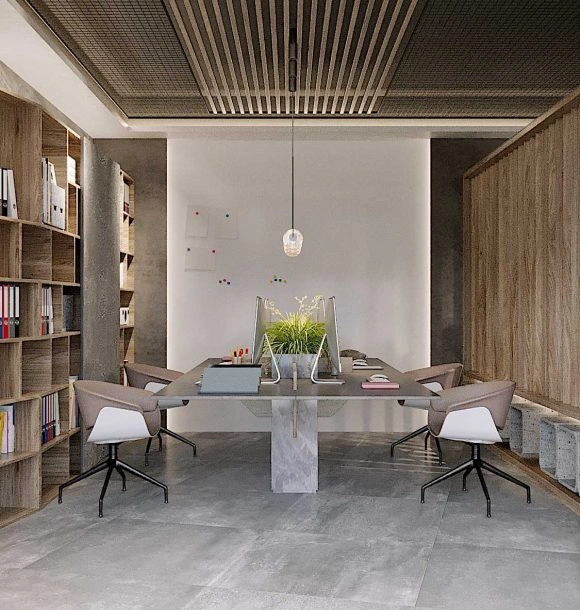
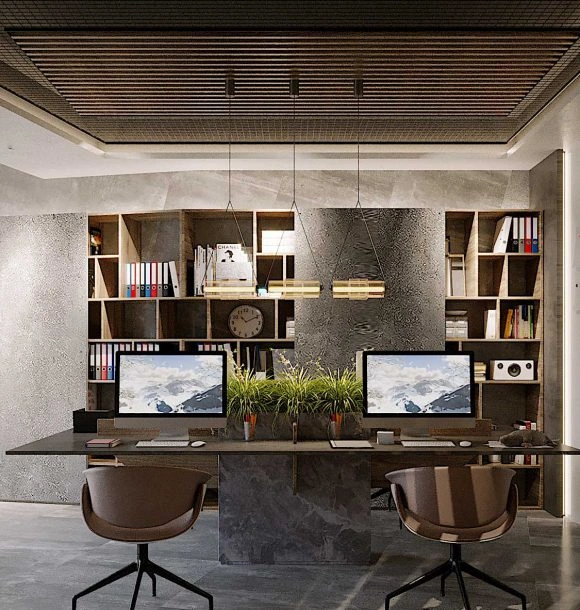
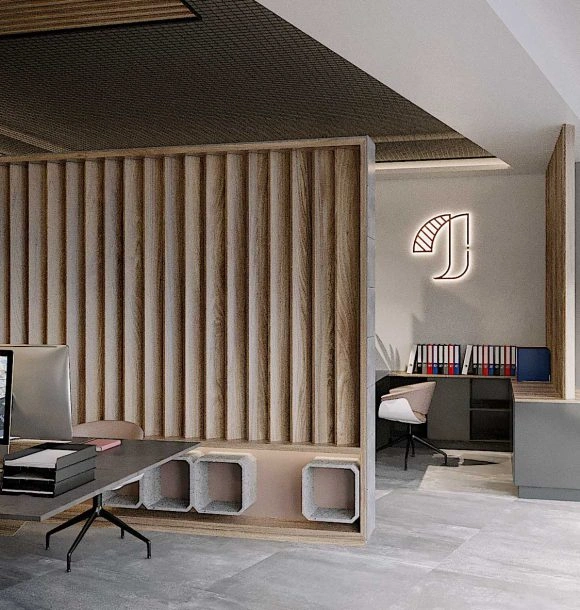
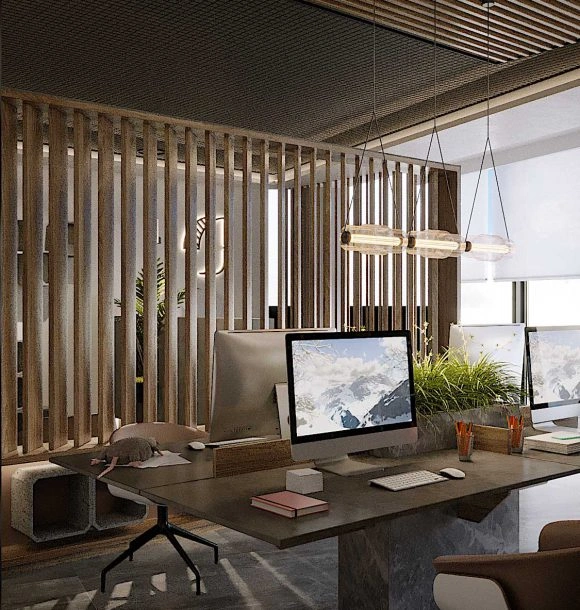
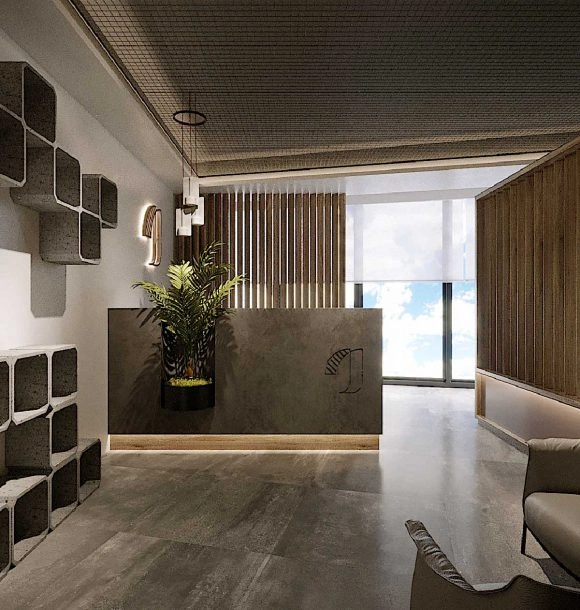
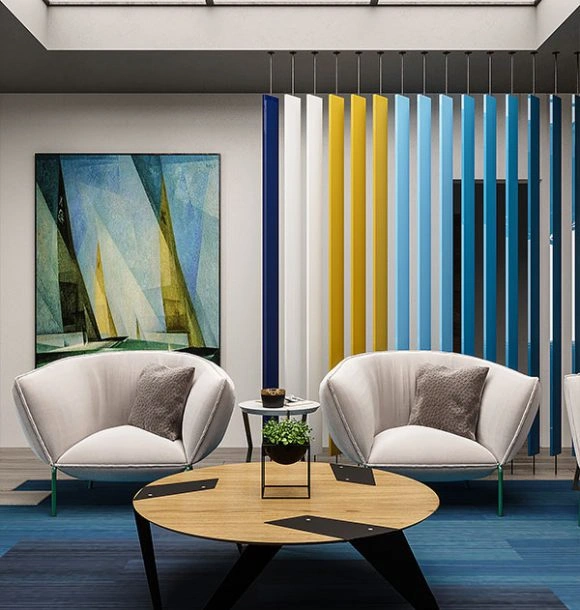
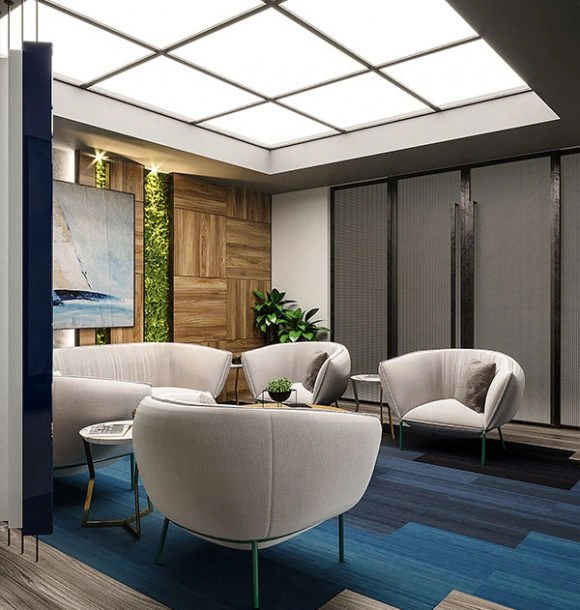
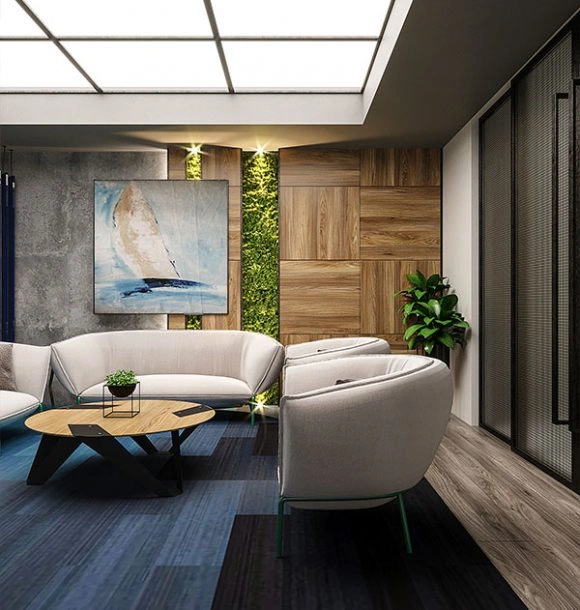
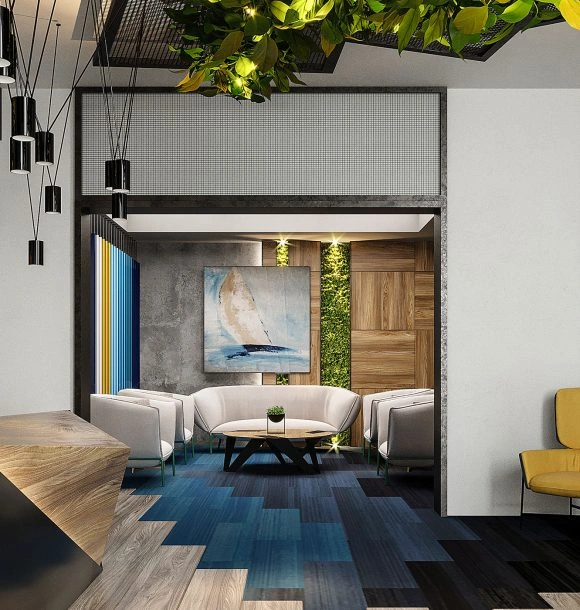
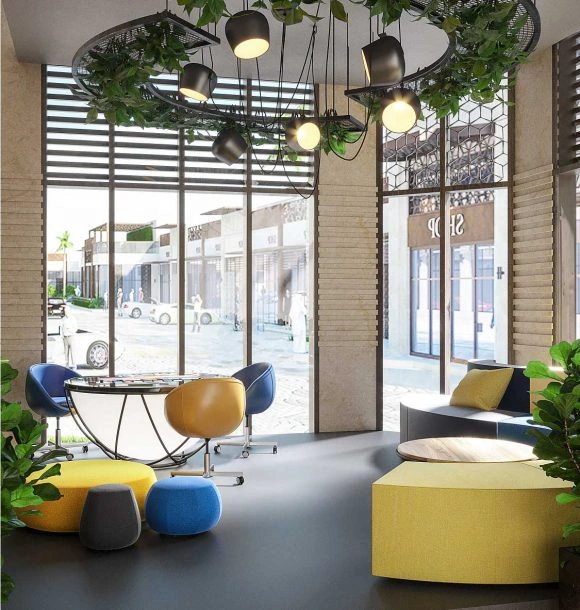
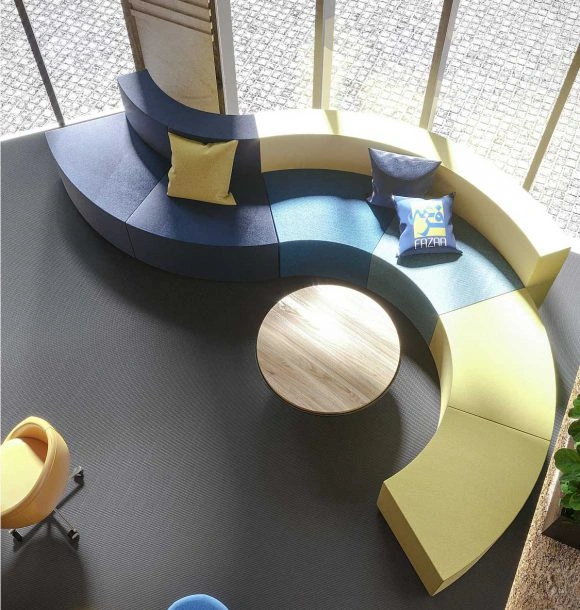
Design and build fit-out in Dubai. For offices, retail, restaurants and clinics, a single team that designs the space, gets the landlord and authority approvals, and builds it removes the handover gap between designer and fit-out contractor. Typical scope: space planning, concept and 3D visuals, MEP design, joinery, lighting, flooring, ceilings, furniture, signage, and final authority sign-off.
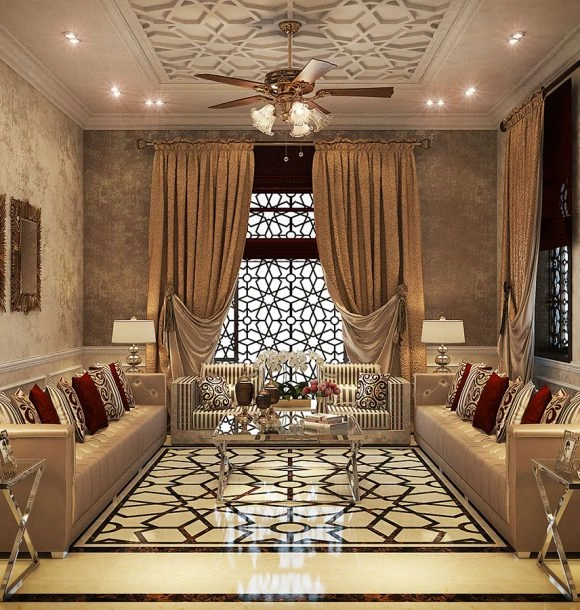
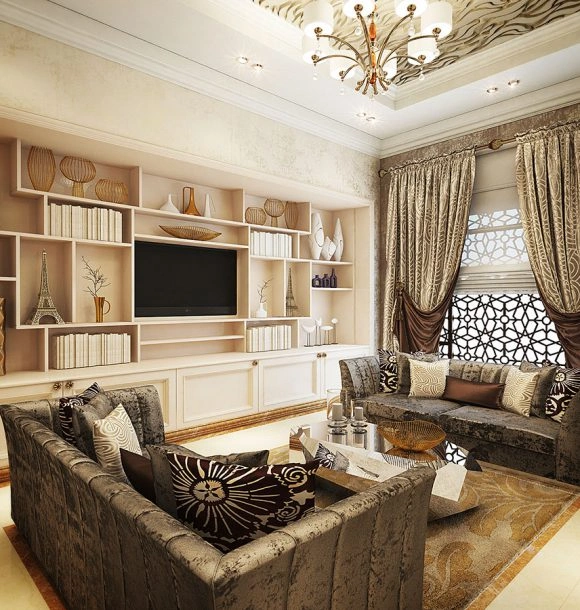
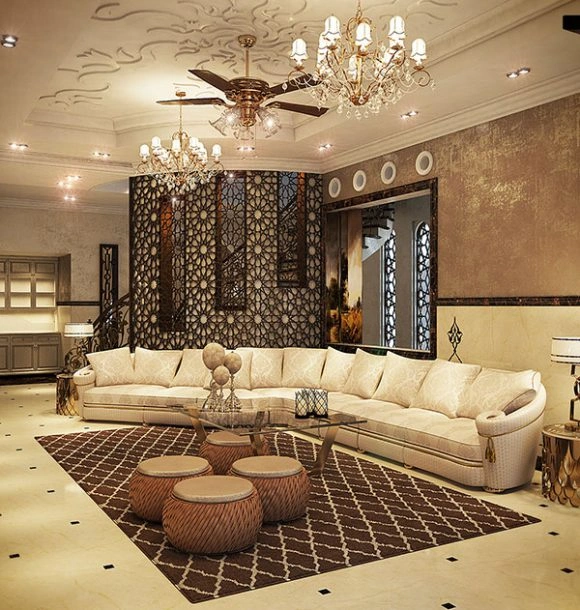
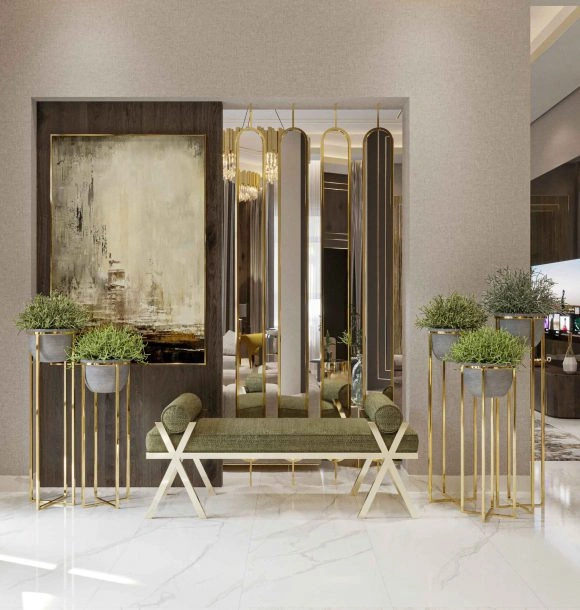
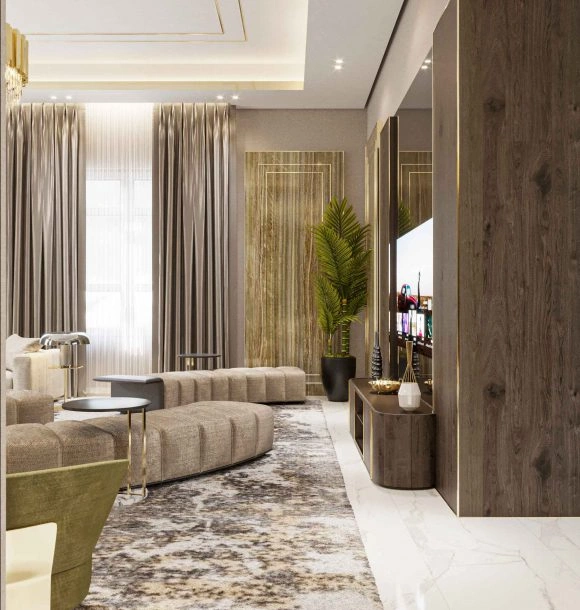
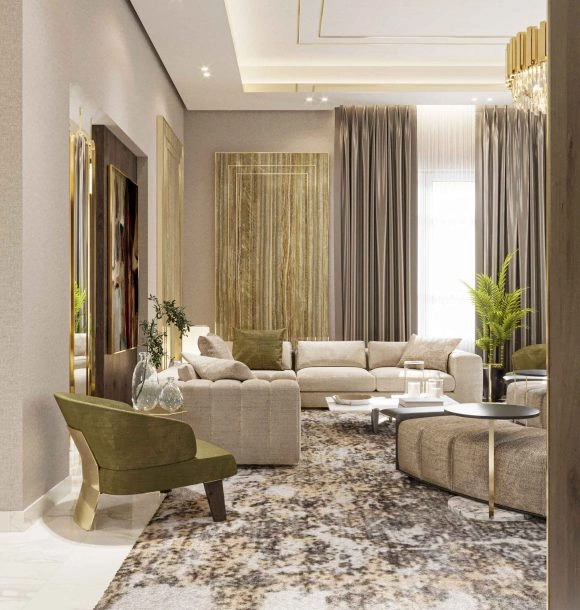
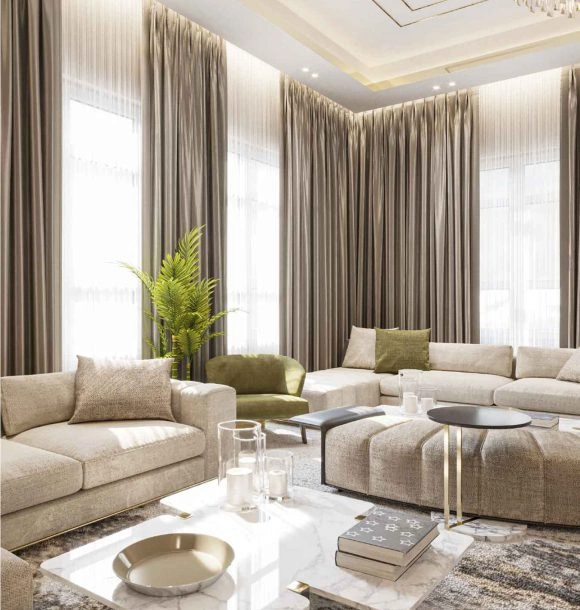
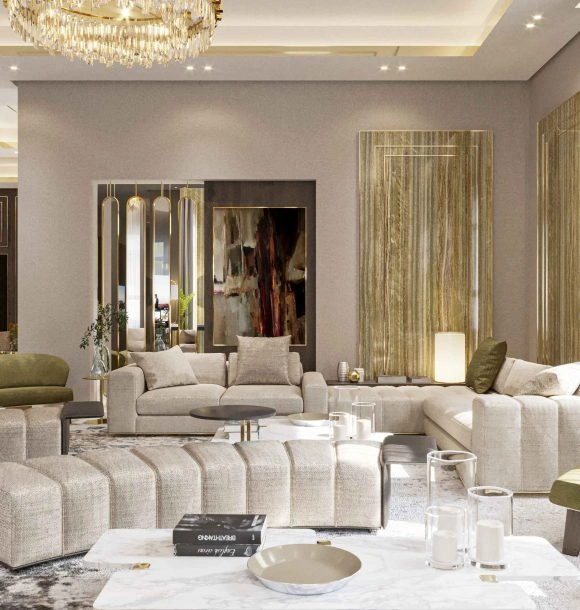
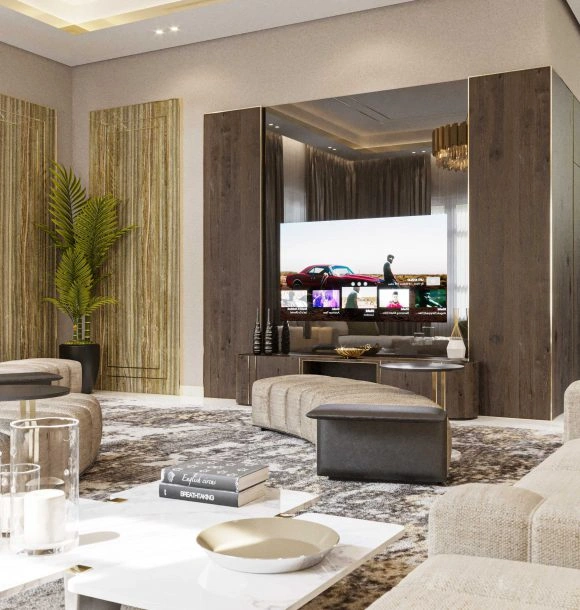
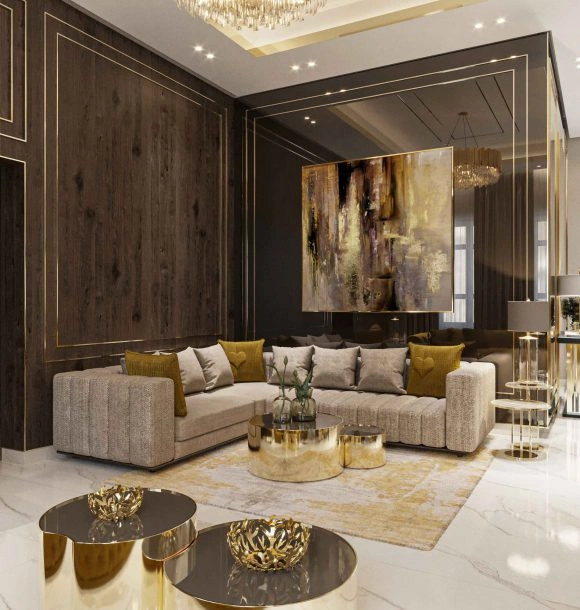
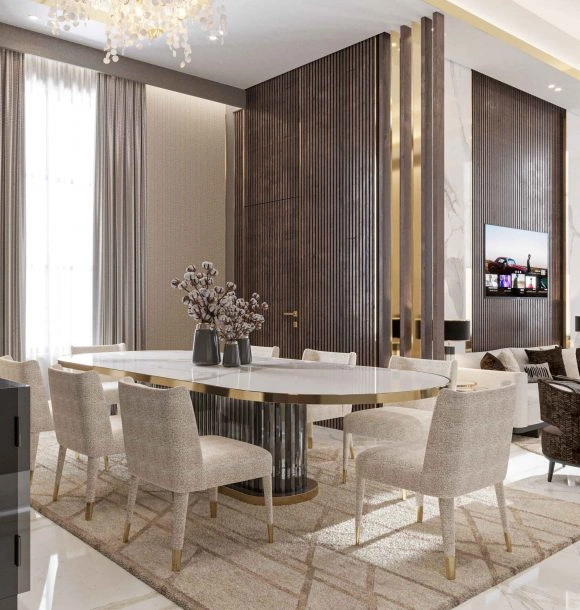
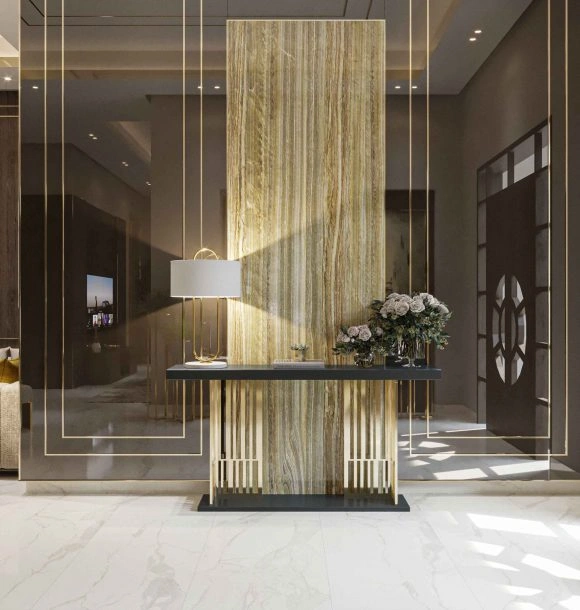
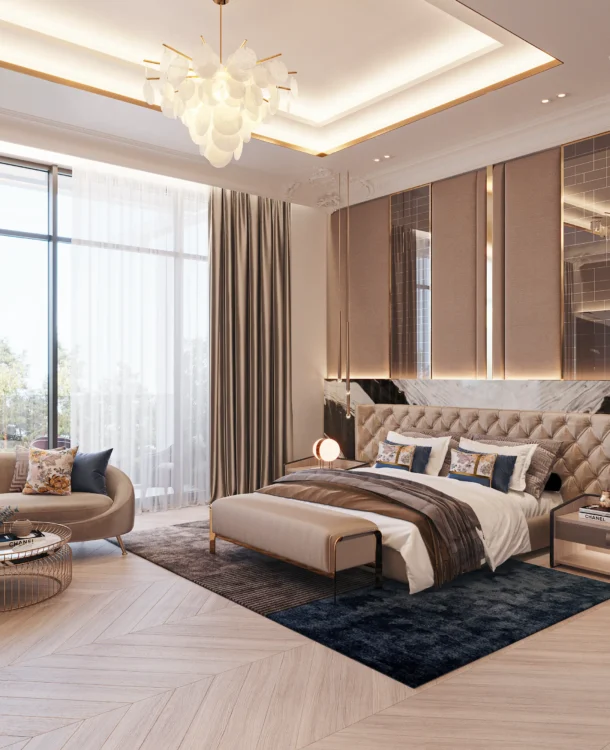
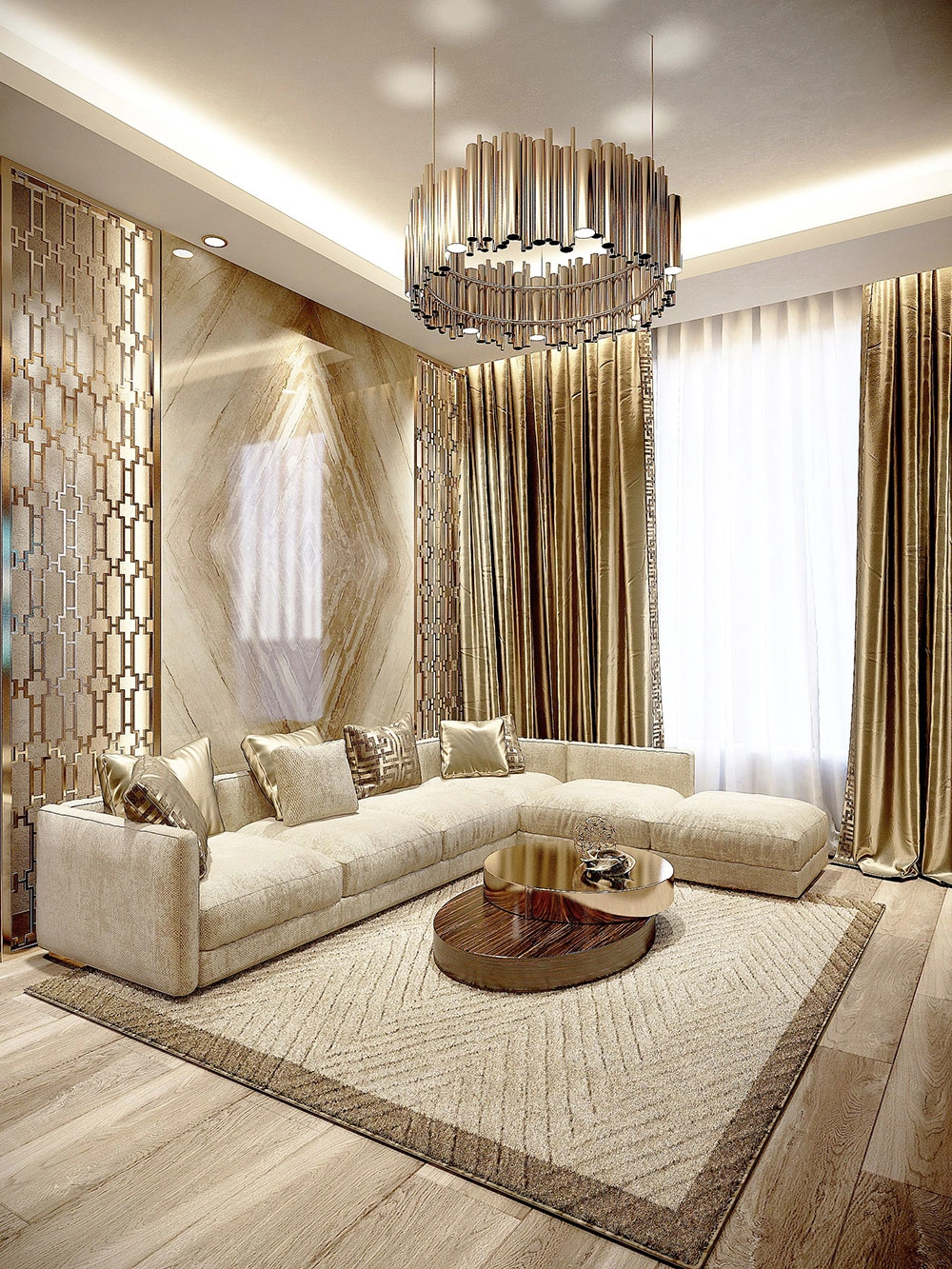
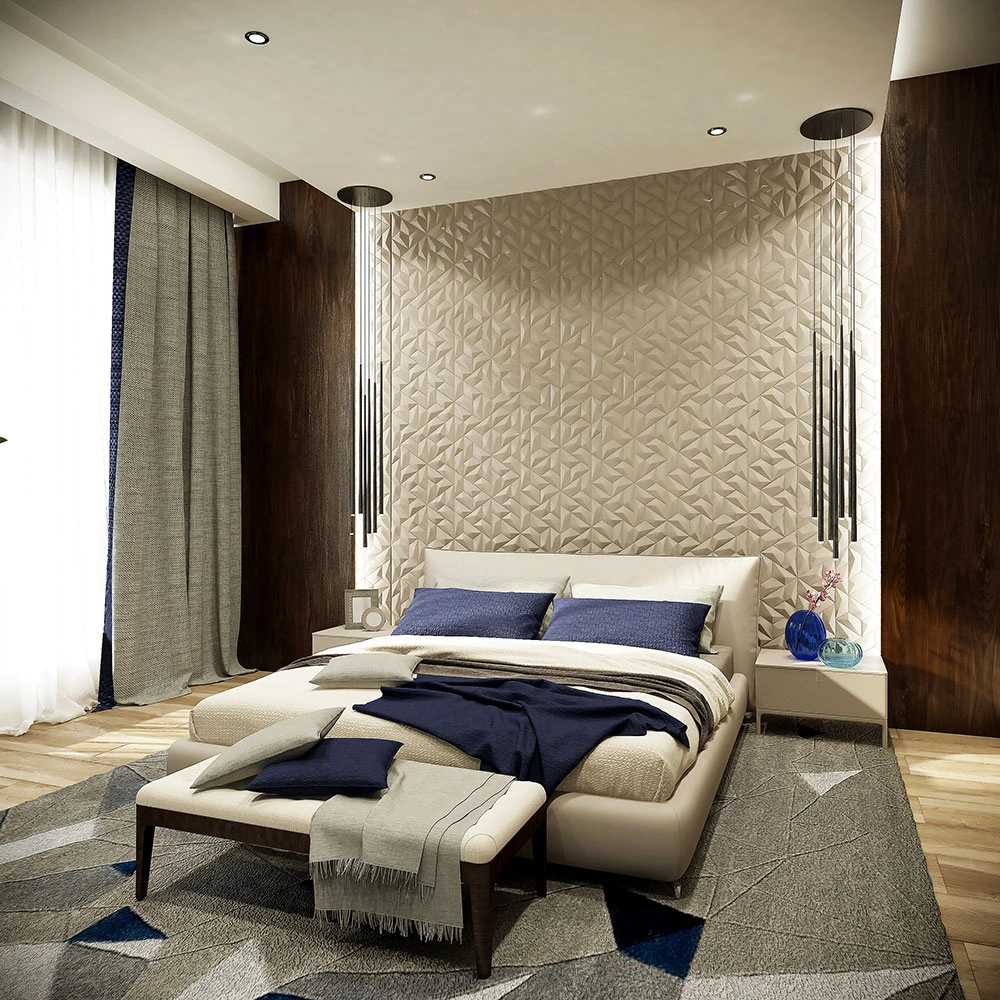
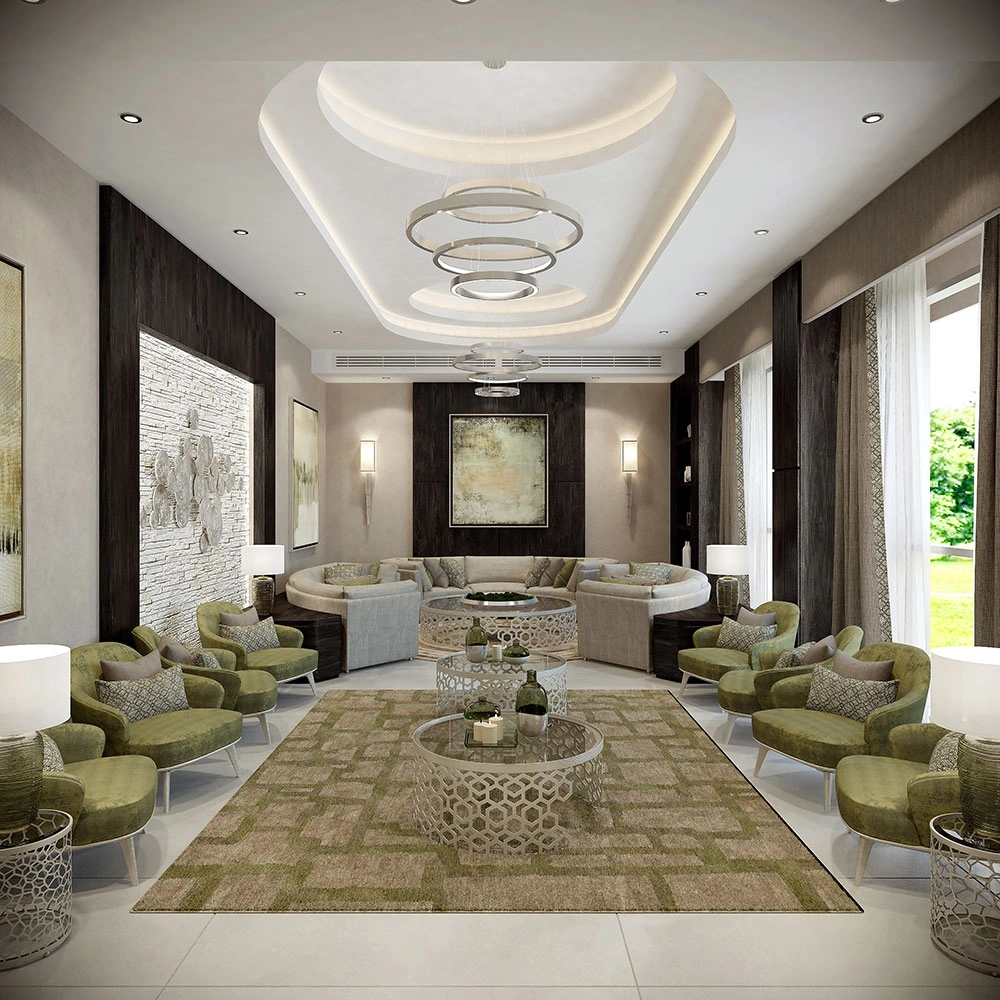
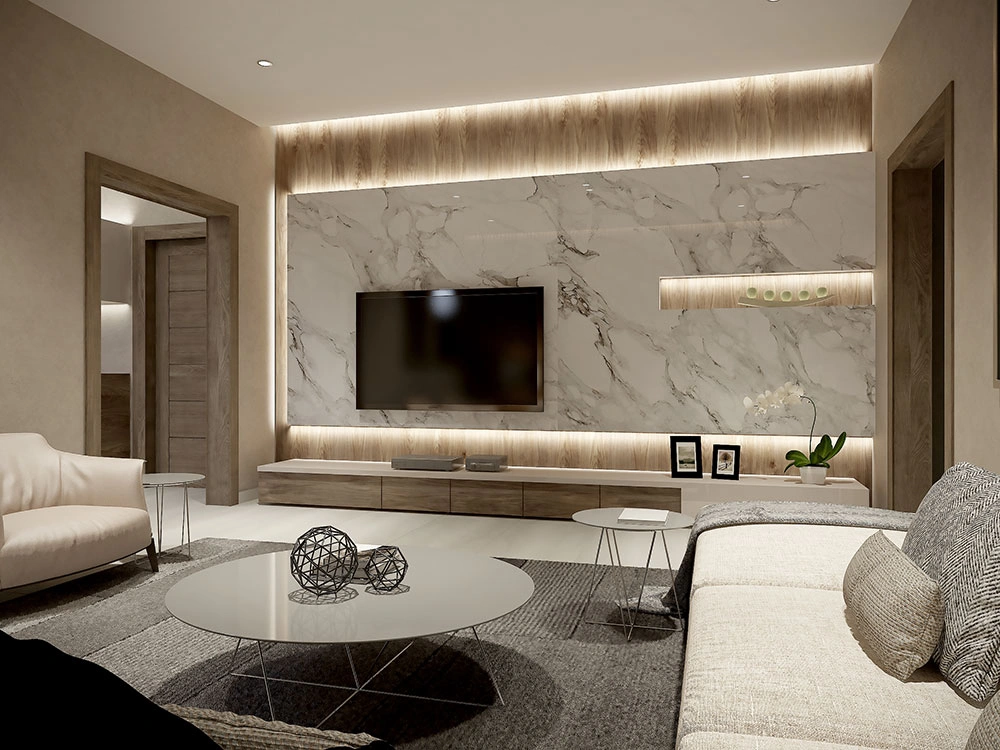
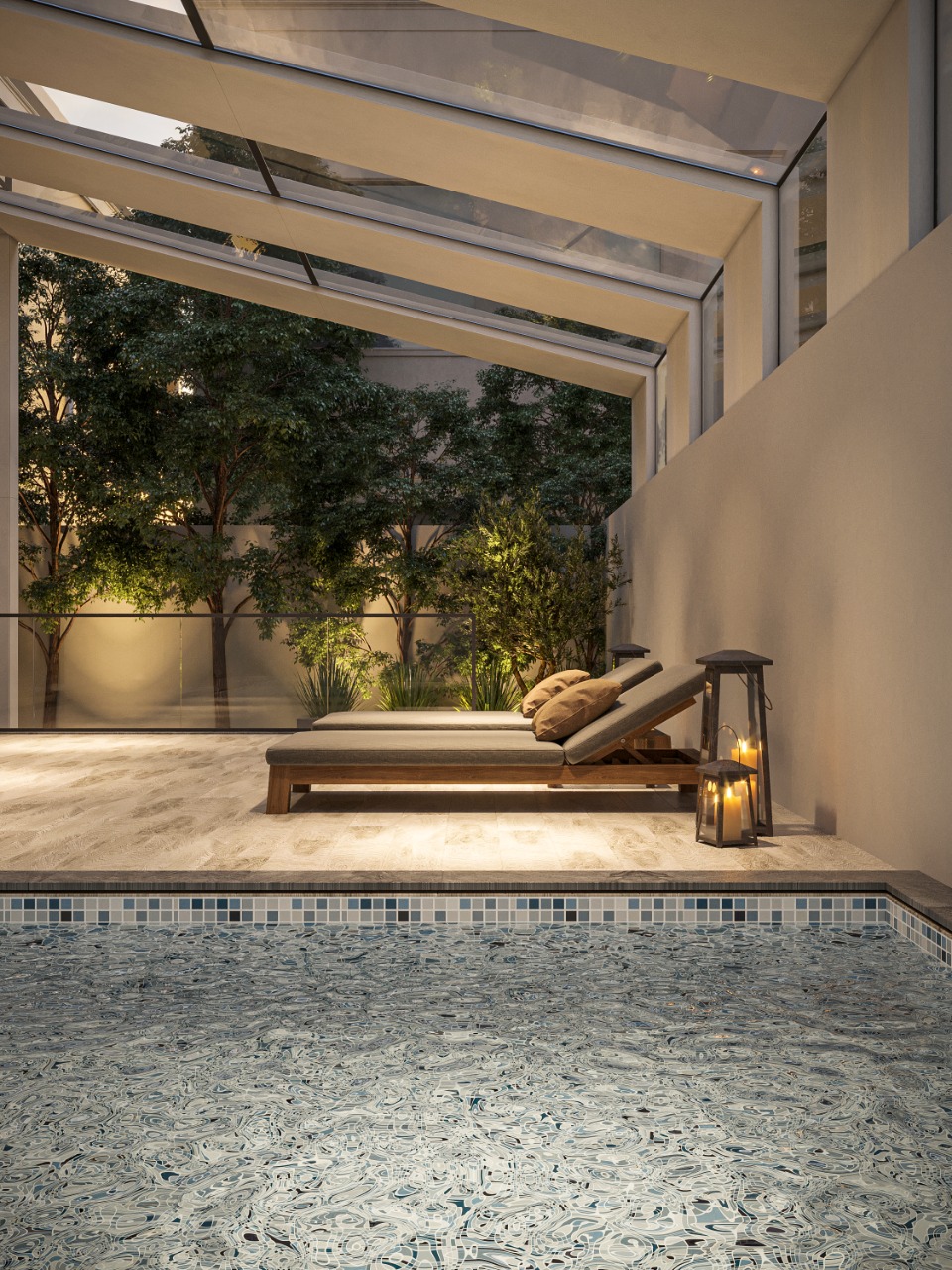
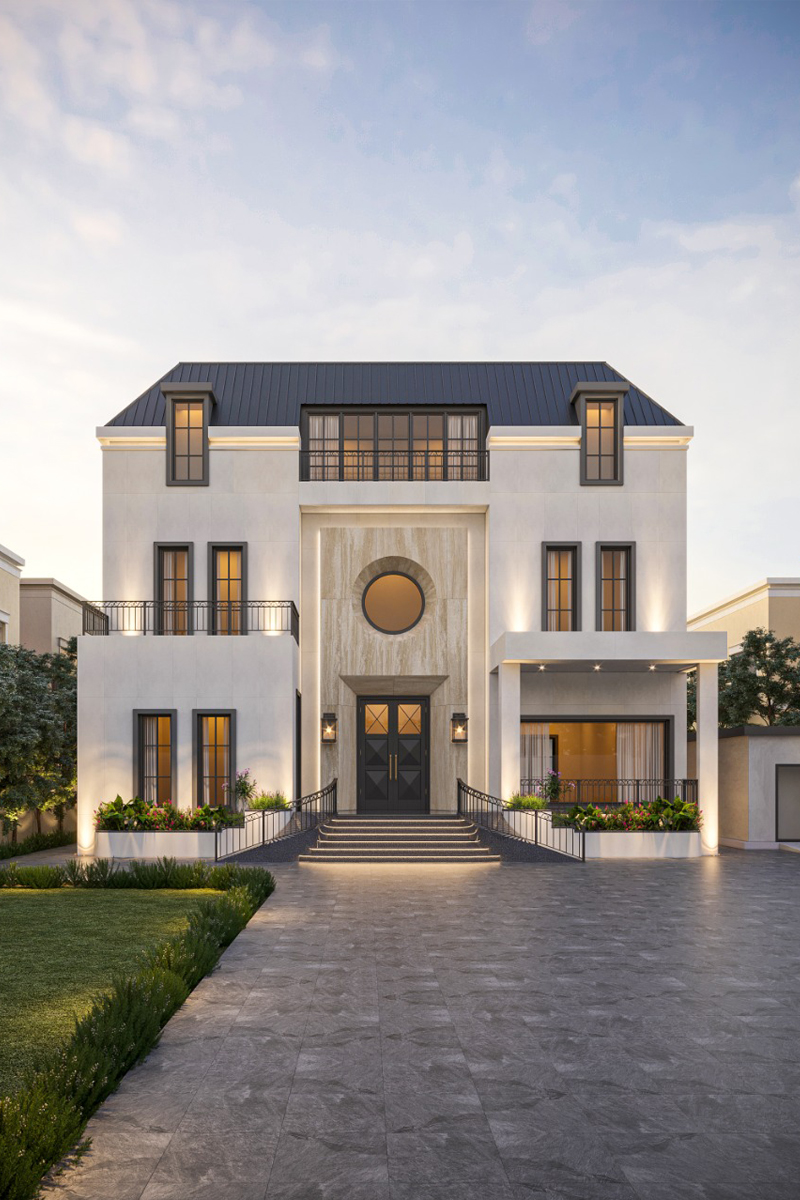
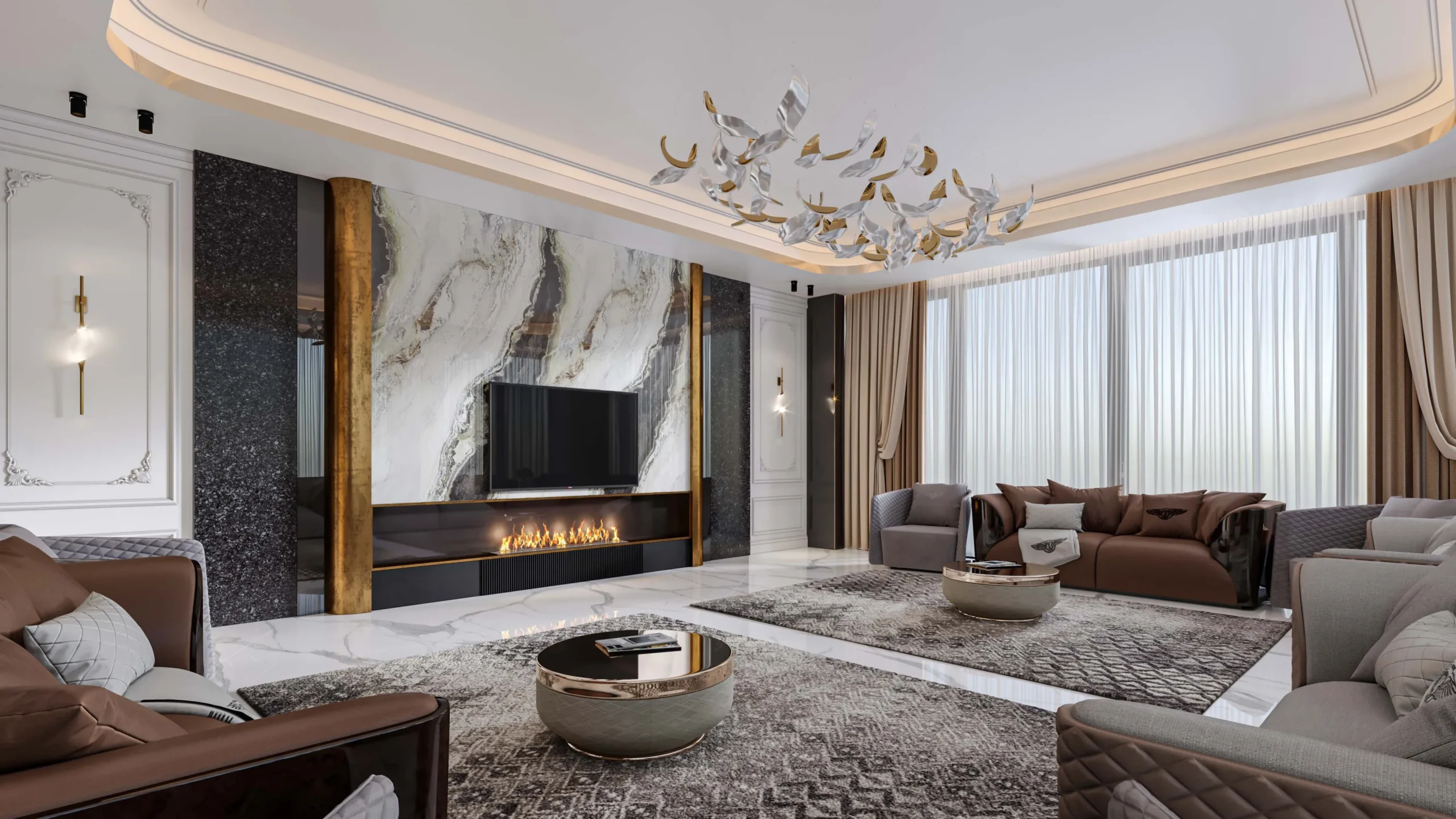
Design and build villas in Dubai. For villa interiors, extensions and renovations, a combined team keeps layout, finishes and services coordinated and gives you one programme and one price. Typical scope: layout changes, kitchens and bathrooms, joinery, flooring and ceilings, lighting, outdoor areas, and final inspections.
Contracts and legal points to know in the UAE
- FIDIC forms. The FIDIC Yellow Book is designed for projects where the contractor designs, and the Silver Book for turnkey (EPC) projects with greater risk on the contractor. Many UAE contracts amend the standard forms with particular conditions.
- Fitness for purpose. Under Silver Book style terms, the contractor takes responsibility for the finished work meeting the stated purpose. Make sure your Employer’s Requirements are clear, because unclear requirements are the main source of disputes.
- 10-year liability. The UAE Civil Code makes contractors and engineers jointly liable for structural defects for 10 years, and this cannot be excluded by contract.
- Payment, variations and warranty. Agree milestones, the variation procedure and the defects liability period in writing before work starts.
- Get independent legal advice on any contract before signing.
Approvals and regulations
Which authority approves your project depends on location and use. Common ones: Dubai Municipality (building permits), Dubai Development Authority (DDA) and Trakhees in their zones, DEWA (utilities), Dubai Civil Defence (fire and life safety), and the landlord or master developer (NOC). In Sharjah and the Northern Emirates, the local municipality applies. Confirm current requirements with the authority before design starts.
How to choose a design and build contractor in Dubai
- Valid trade licence for the right activity, and the right authority approvals
- Relevant experience: similar projects, with photos and referees you can call
- In-house or named design team, with qualifications shown
- Itemized pricing (BOQ), with clear inclusions and exclusions
- Programme with milestones and who is responsible for approvals
- Insurance: contractor all-risk, third-party liability and workmen’s compensation
- Warranty and defects liability terms in writing
- Reporting: site visits, progress reports and a named project manager
- Reviews and references from clients, not only a portfolio
Frequently asked questions
Q1: What is design and build in Dubai?
A: A delivery method where one company designs and builds the project under a single contract and is responsible for both.
Q2: Is design and build cheaper than traditional contracting?
A: Not automatically. It can reduce coordination costs and delays, and gives price certainty once the brief is agreed. Late client changes raise the price under either method.
Q3: How long does a design and build project take?
A: It depends on size and approvals. Overlapping design and construction can shorten the programme, but authority approvals and material lead times still set the pace.
Q4: Who is responsible if there is a design error?
A: Under design and build, the contractor generally takes responsibility for the design within the agreed brief. Under design-bid-build, responsibility is shared between the consultant and the contractor.
Q5: Which FIDIC book is used for design and build?
A: The Yellow Book is common, and the Silver Book (EPC/turnkey) is used where the contractor takes more risk. Many contracts are amended with bespoke conditions.
Q6: Does design and build work for villas and fit-outs?
A: Yes. Fit-outs and villa projects are well suited because design, approvals and works can be managed as one programme.
Q7: Do I need a separate interior designer?
A: Not if your contractor has an in-house interior design team. If you appoint one separately, agree who coordinates drawings and who owns design responsibility.
Get a design and build quote from La Firma
Tell us your project type, location and size, and we will send an itemized proposal and programme. Call or WhatsApp: +971 50 393 0668