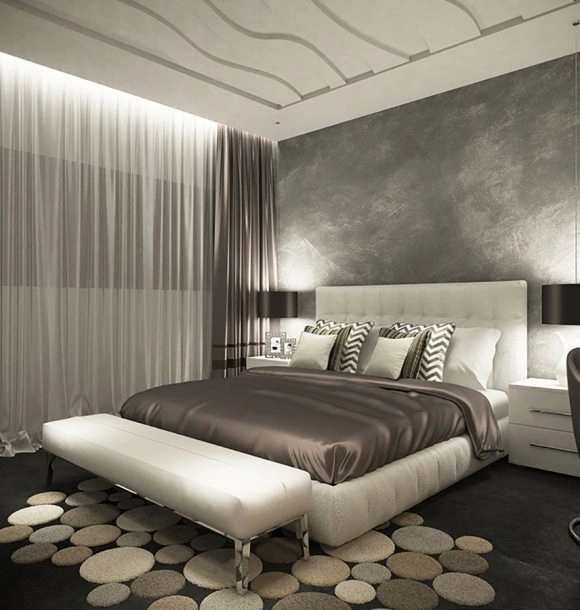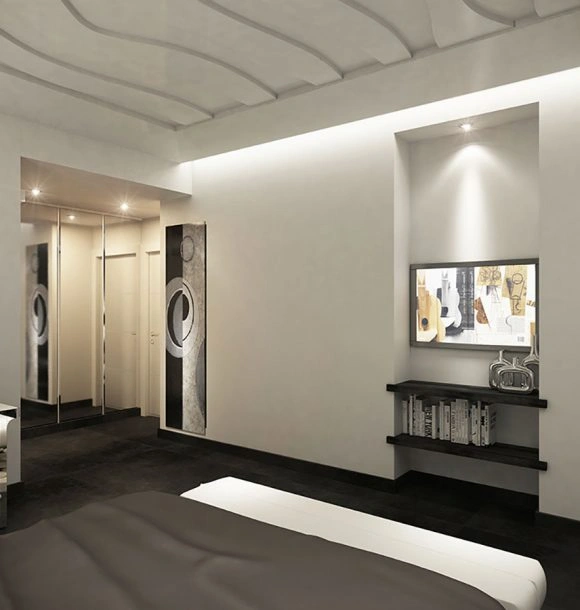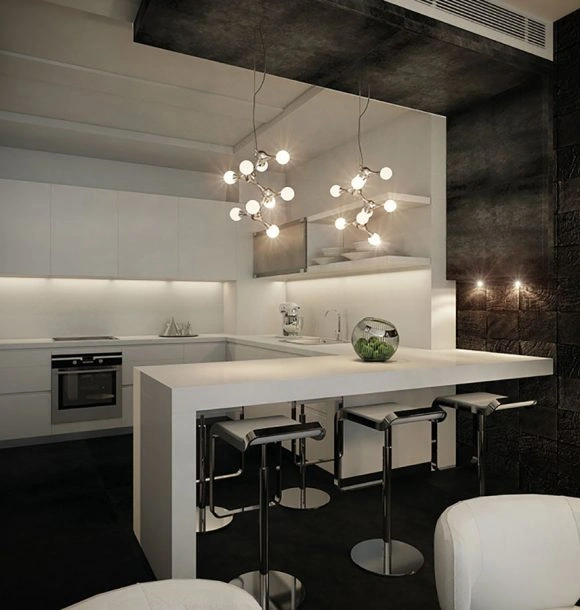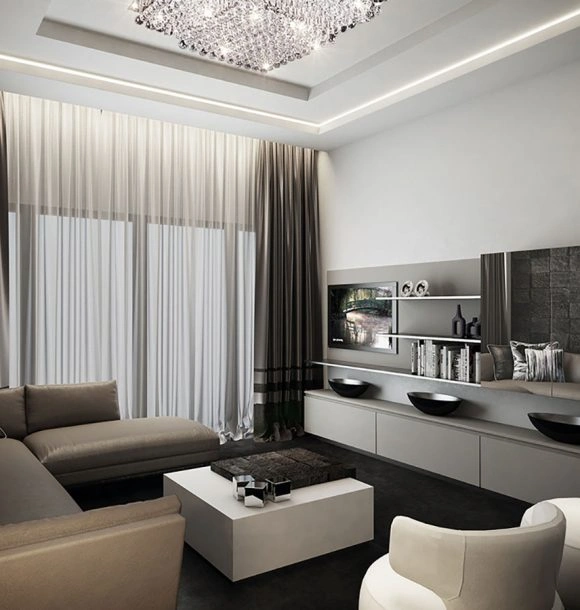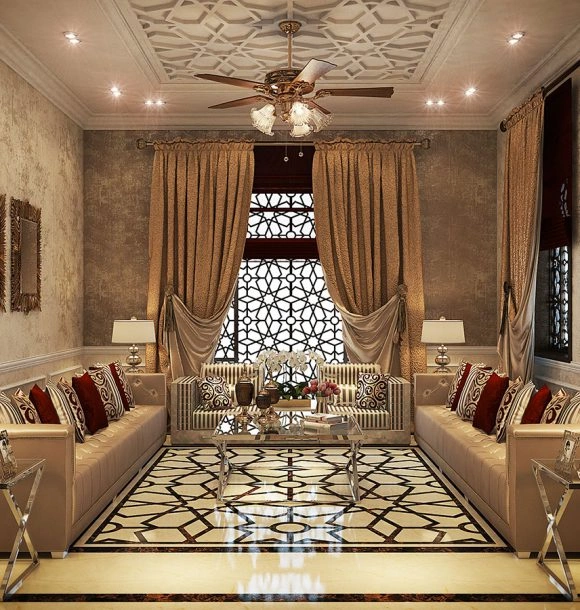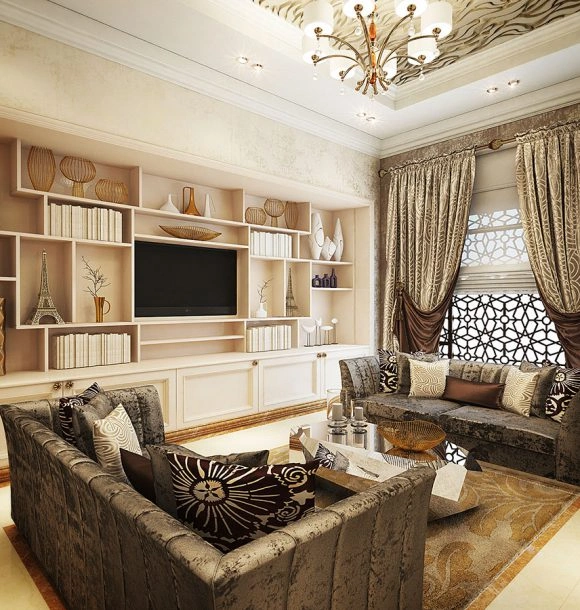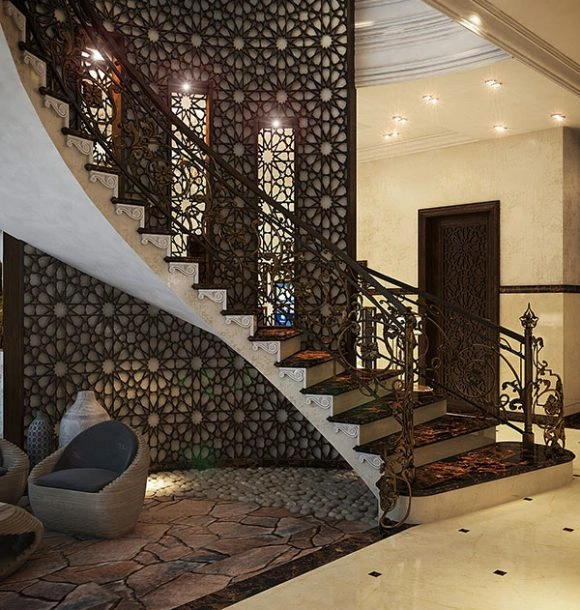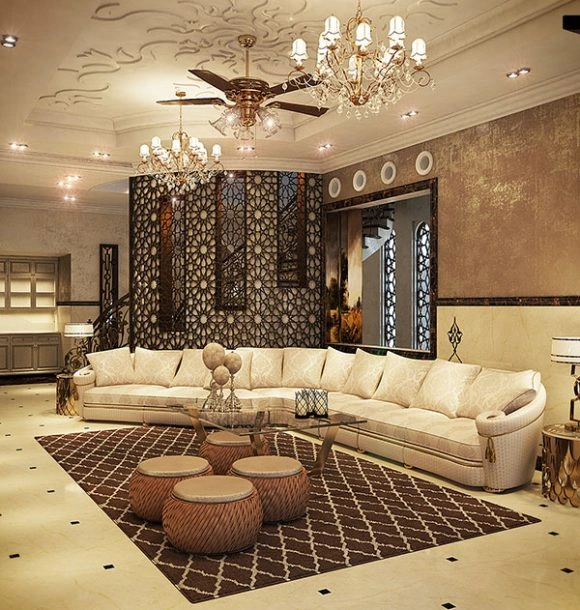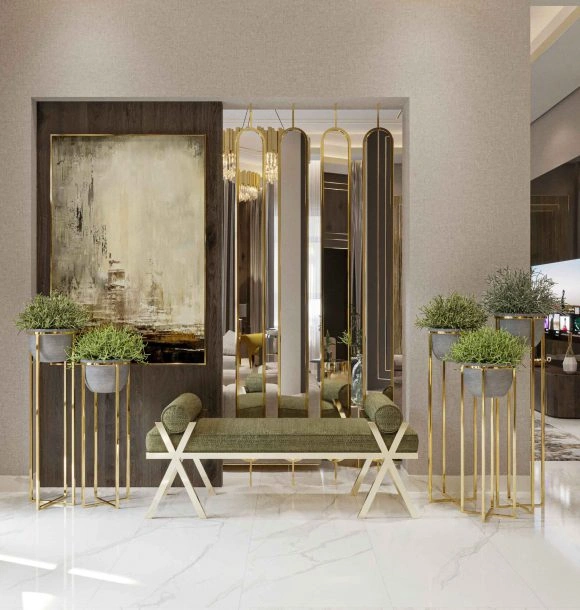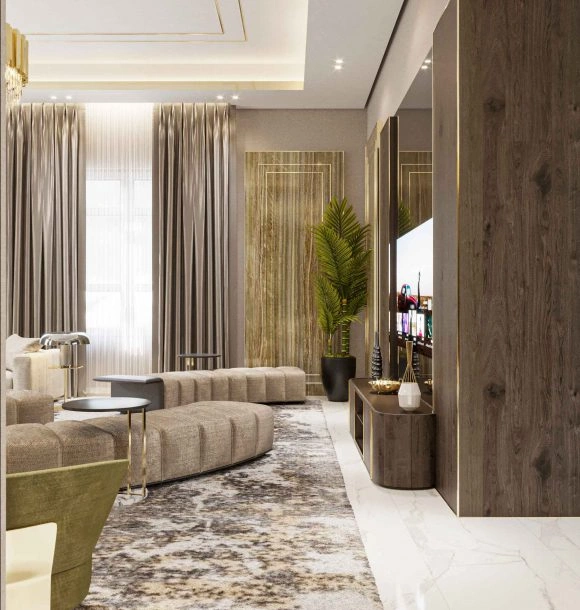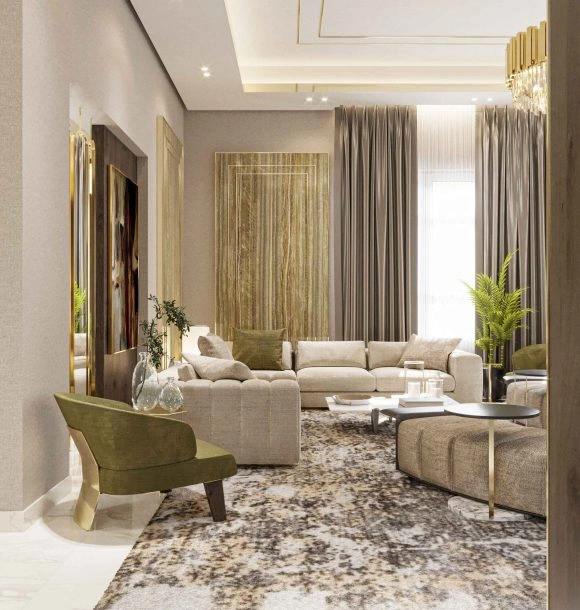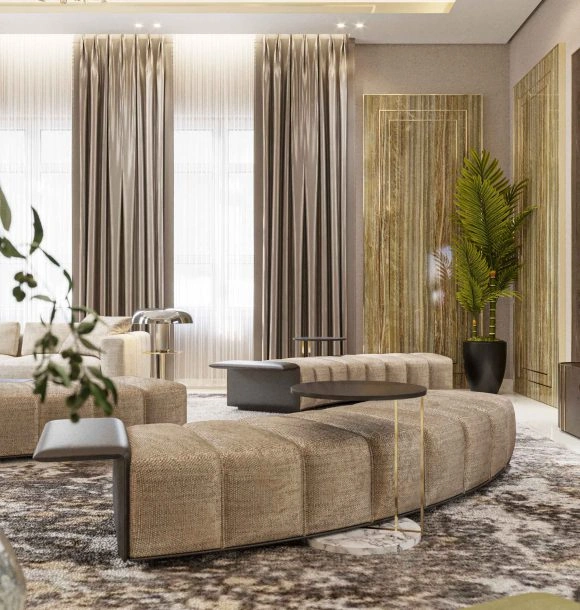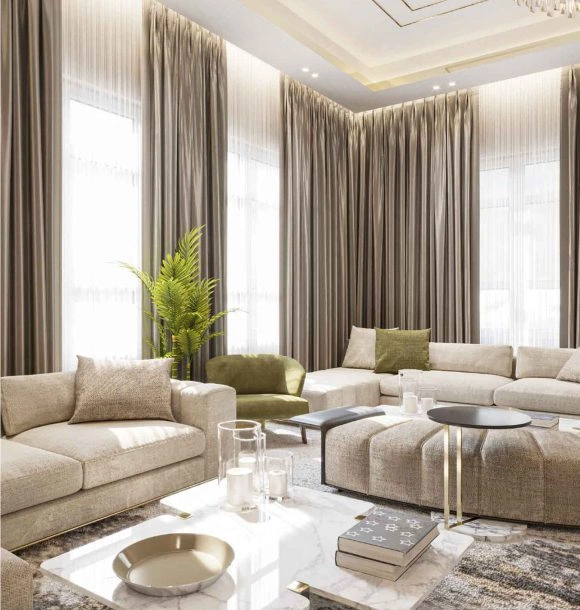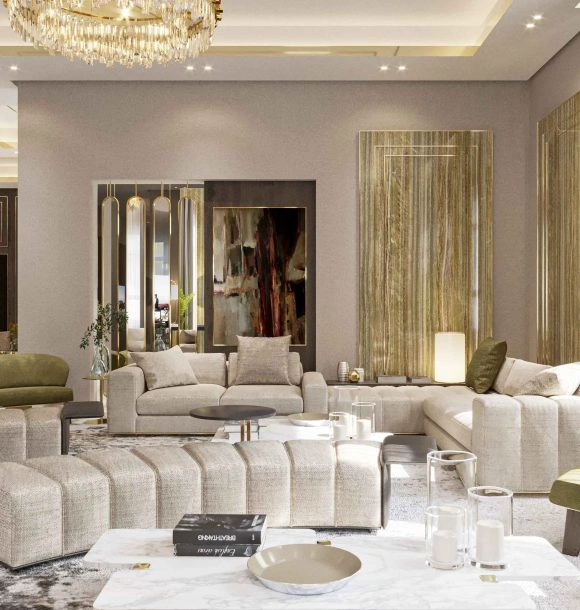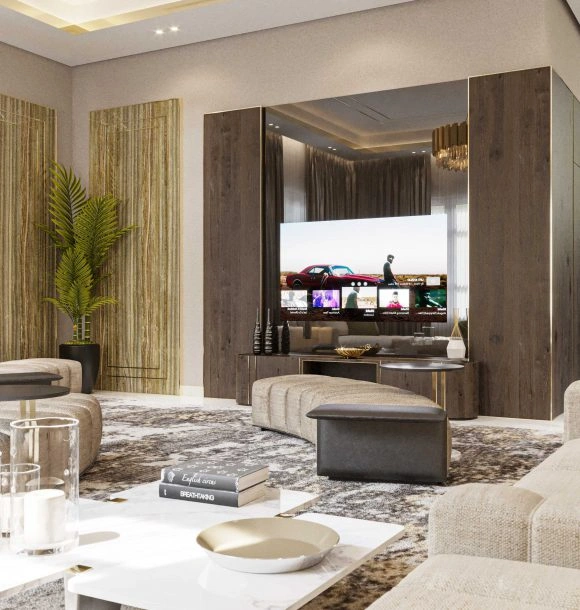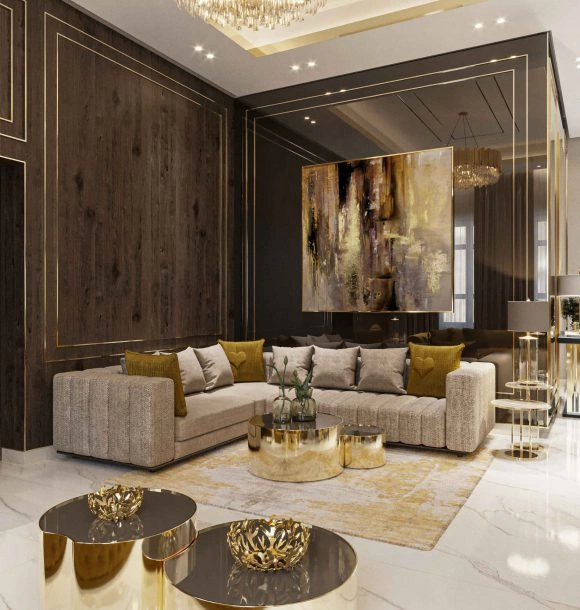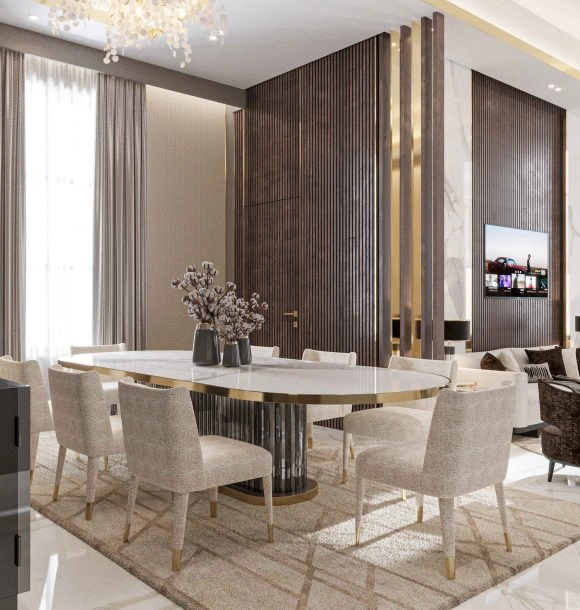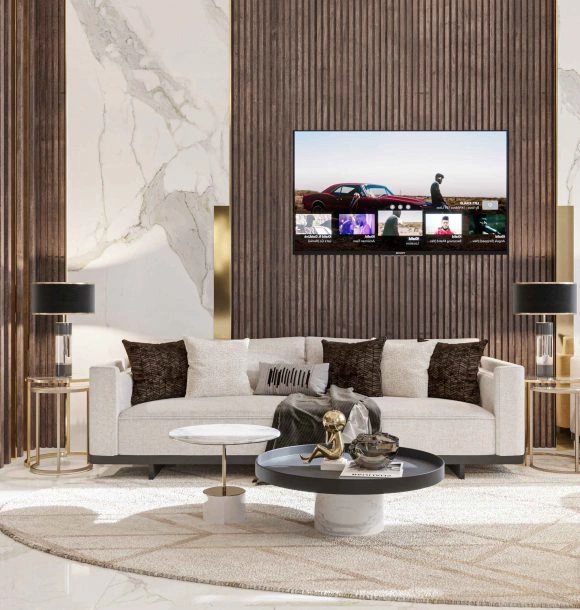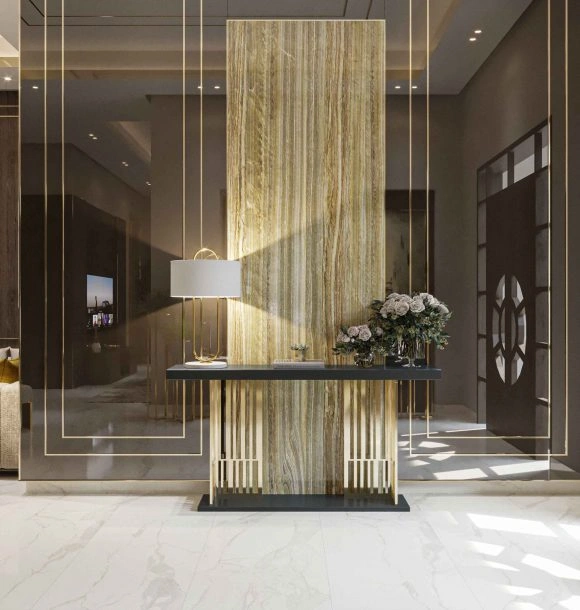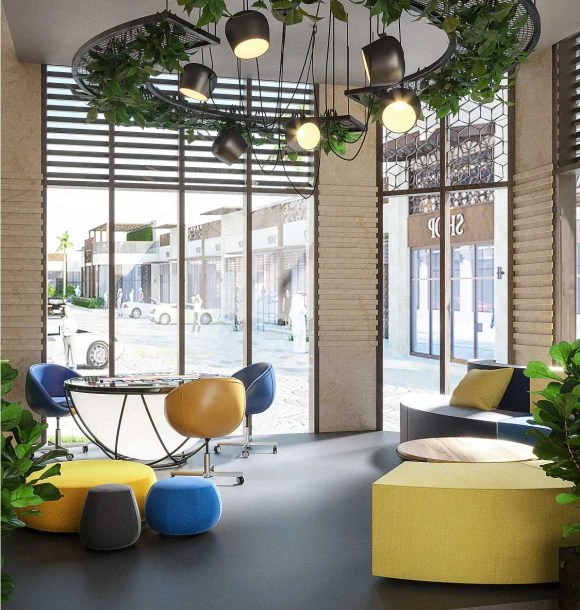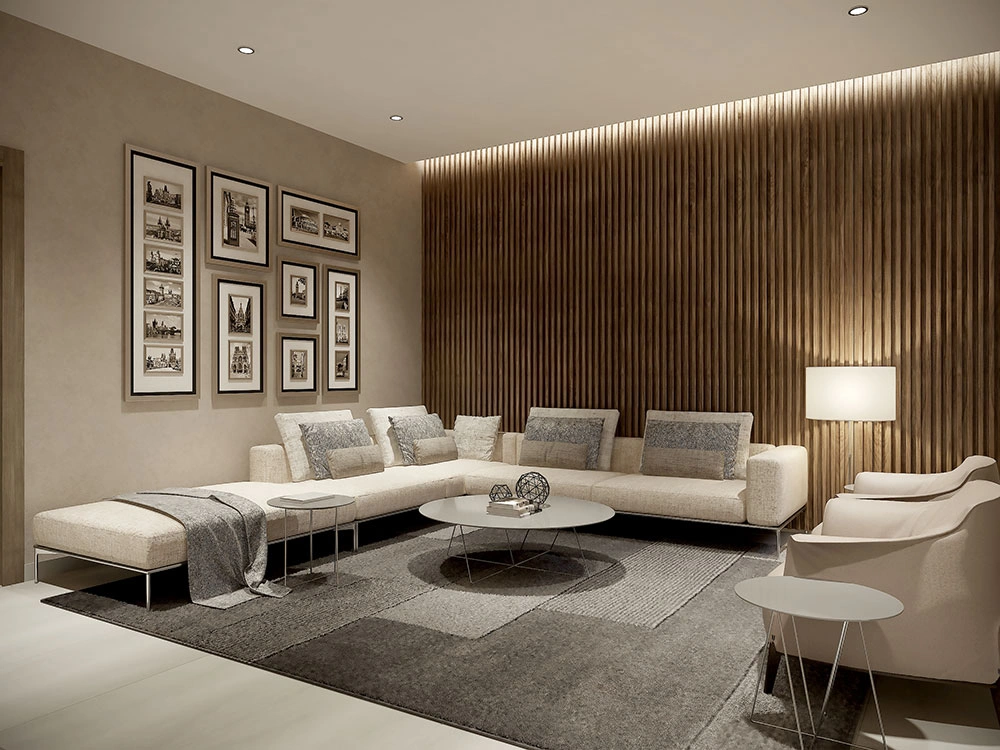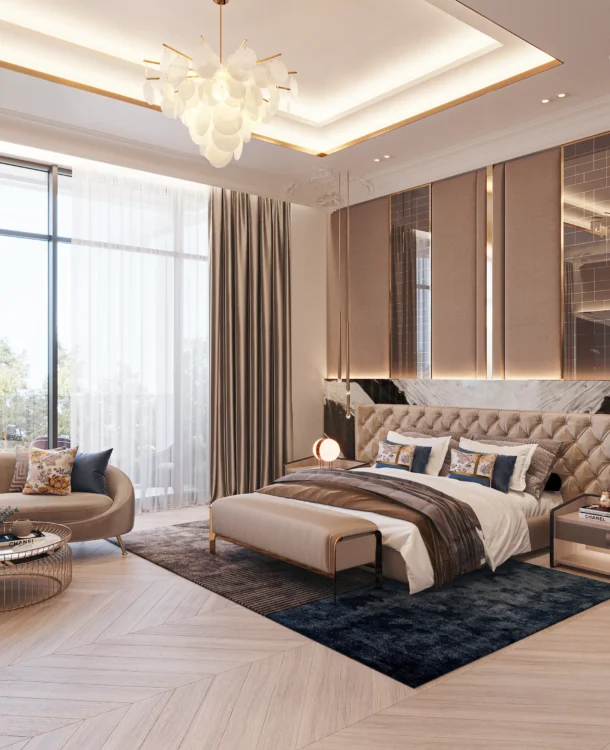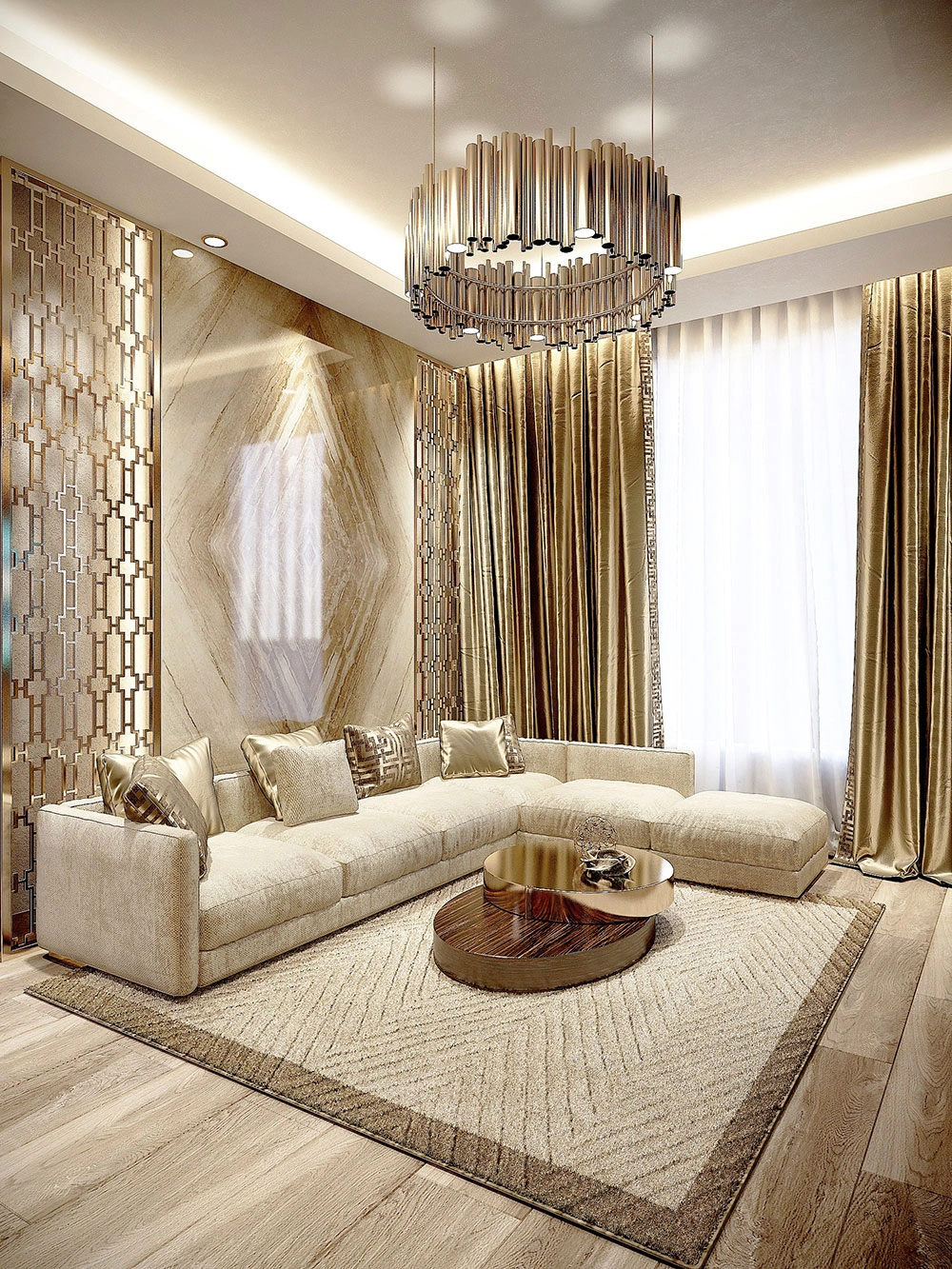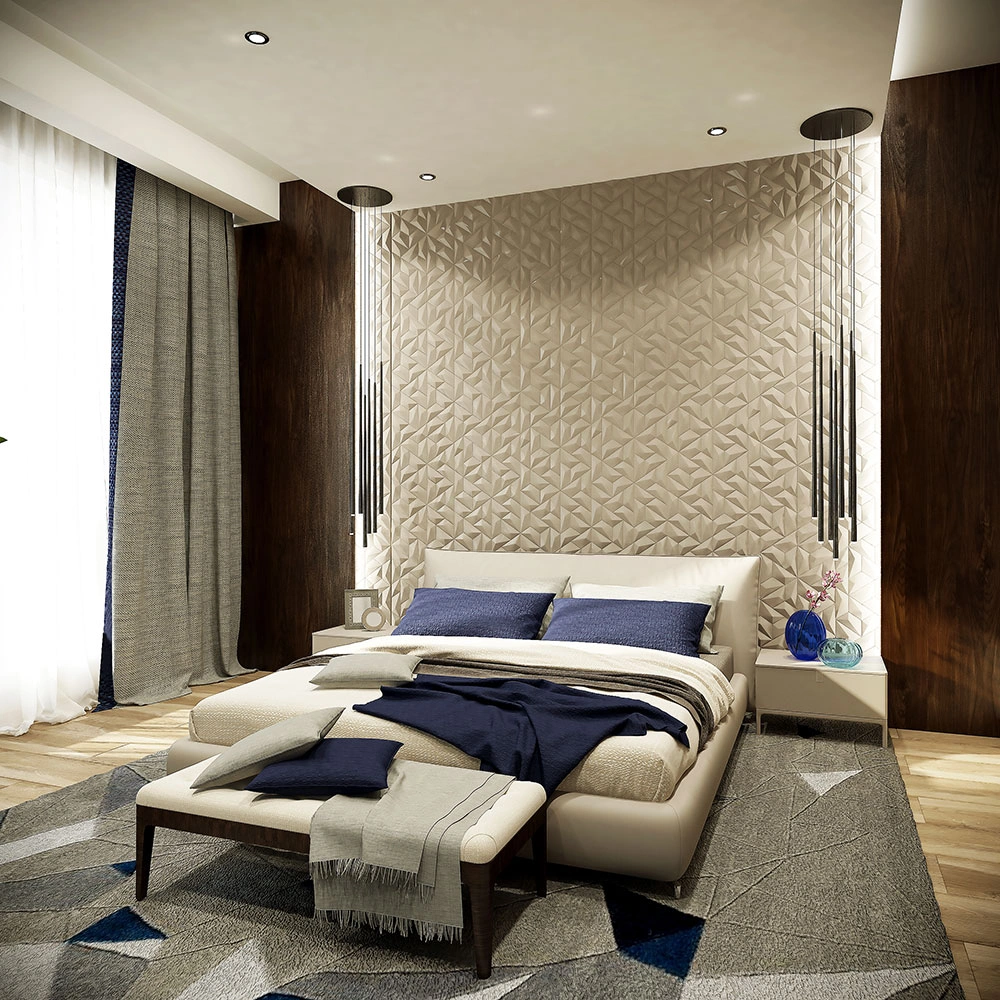
An interior designer develops a home design concept by first understanding how you live, then reading the physical space, and finally translating both into a mood, a material story, and a layout you can see in 3D before anything is built. This guide is written for UAE homeowners and villa owners in the early planning stage of a home interior design project, before they’ve briefed a designer or requested a proposal. Use it to understand what actually happens during the concept stage, so you know what to expect and how to prepare.
This is for anyone planning a home renovation or new-build interior in the UAE, whether a villa owner in Dubai, an apartment owner in Sharjah, or a family preparing to brief a designer for the first time. It’s most useful before your first design consultation, when you’re still trying to understand what “concept development” actually involves and how much input you’ll have in shaping it.
A home interior design concept is the guiding idea behind every choice a designer makes, from layout to materials to lighting. It’s built by combining your lifestyle with an honest read of your space, not by starting with colors and furniture.
- A concept is the reasoning behind a design, not just a mood board or color scheme.
- It’s built in stages: lifestyle input, space analysis, mood direction, material story, layout, then 3D visualization.
- Concept development usually takes a few weeks and works best with early, honest feedback.
- UAE climate and culture (heat, privacy, indoor-outdoor living) shape the concept from day one, not as an afterthought.
- This guide supports the decision-readiness stage: use it before or during your first designer consultation.
What Is a Home Interior Design Concept?
A design concept is the core idea that ties a home together and answers one question: what should this space feel like, and why?
A concept isn’t a single image or color scheme. It’s the reasoning behind them. It explains why warm neutrals suit your living room, why a certain layout supports how your family actually moves through the home, and why one material feels right while another doesn’t. Everything that follows, from furniture to finishes, gets tested against this idea.
How Does an Interior Designer Develop a Concept, Step by Step?
A designer develops a concept in roughly seven stages, moving from listening to visualizing.
Step 1: Understanding How You Actually Live
This comes first, before any design talk. A designer asks about your daily routines, your family size, how you entertain, and what frustrates you about your current space.
Step 2: Reading the Space Itself
Next, the designer studies the space. They look at natural light, room proportions, structural limits, and how the space connects to the rest of the home.
Step 3: Building the Inspiration and Mood Direction
With your input and the space understood, the designer starts shaping a mood. This might mean warm and textured, calm and minimal, or bold and layered.
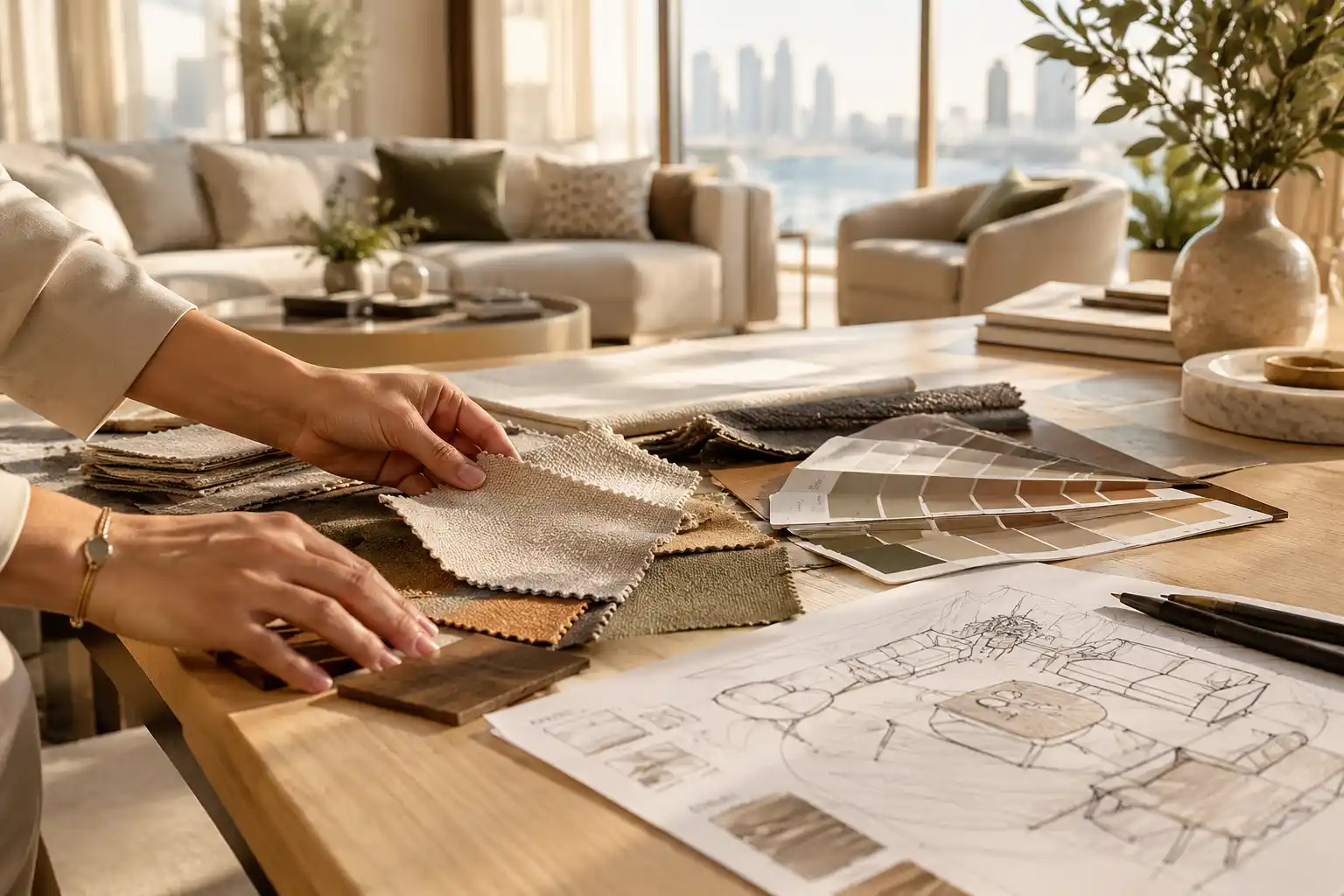
Step 4: Choosing a Color and Material Story
The mood then gets grounded in real materials. Designers select colors, textures, and finishes that work together and suit your climate and lifestyle.
Step 5: Translating the Idea Into a Layout
The designer maps the concept onto an actual floor plan, deciding where furniture sits, how people move through the room, and where focal points draw the eye.
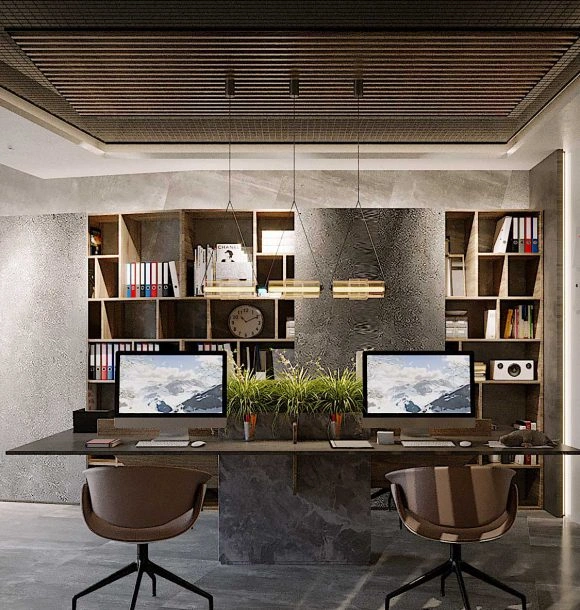
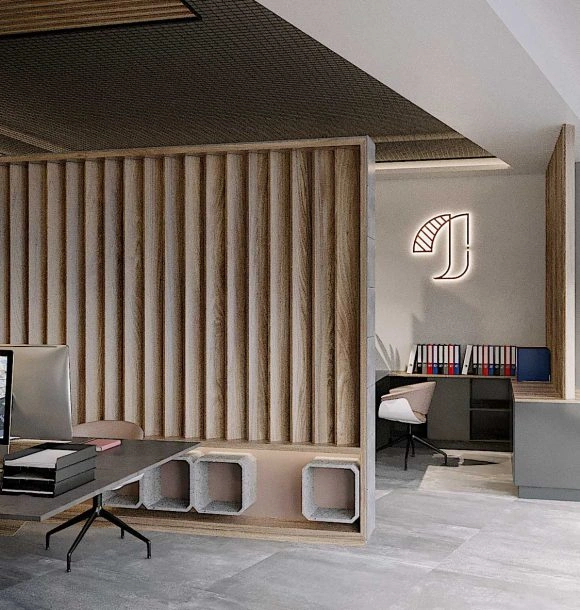
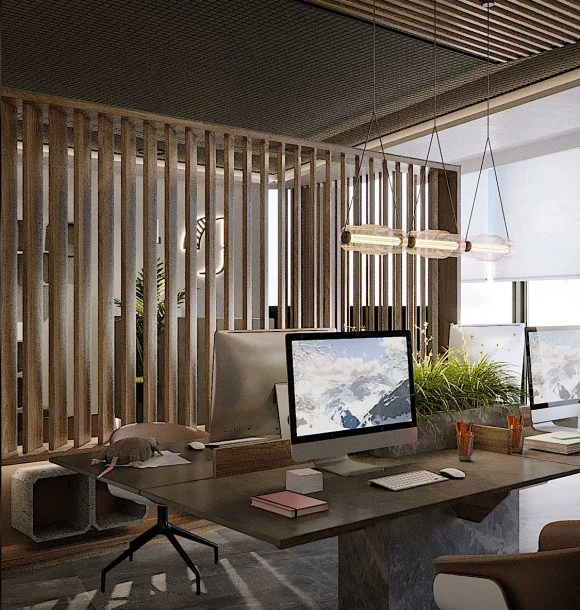
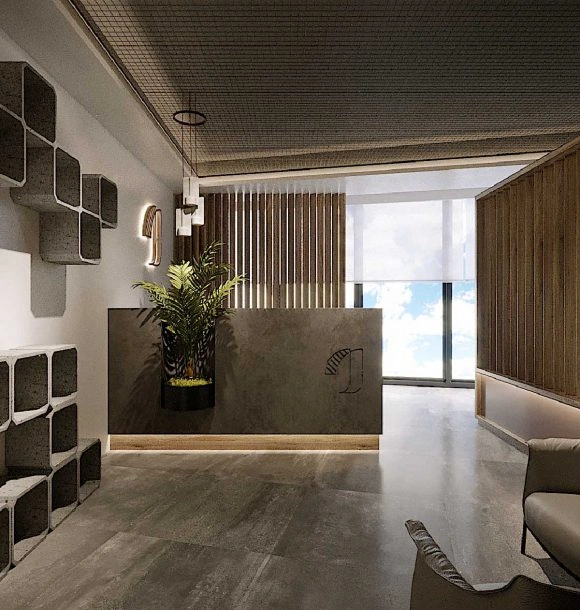
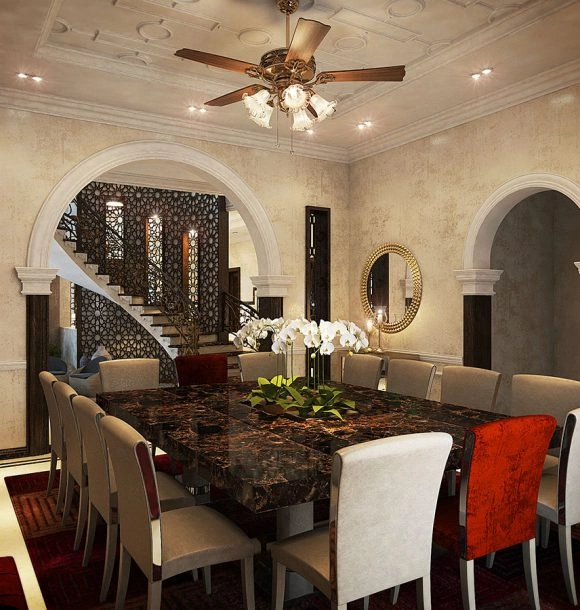
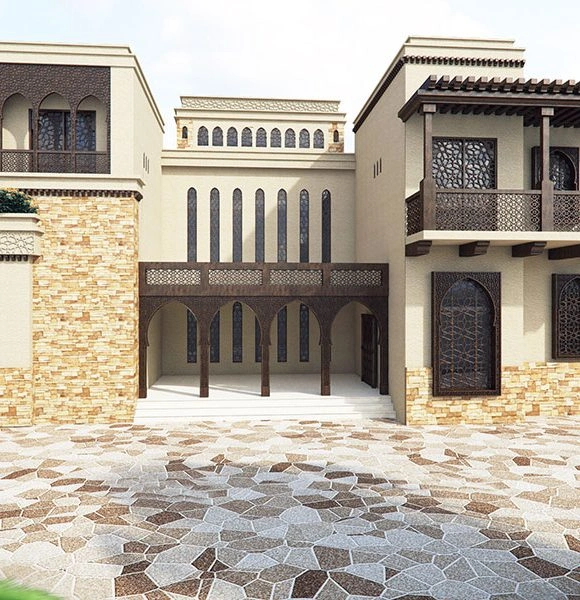
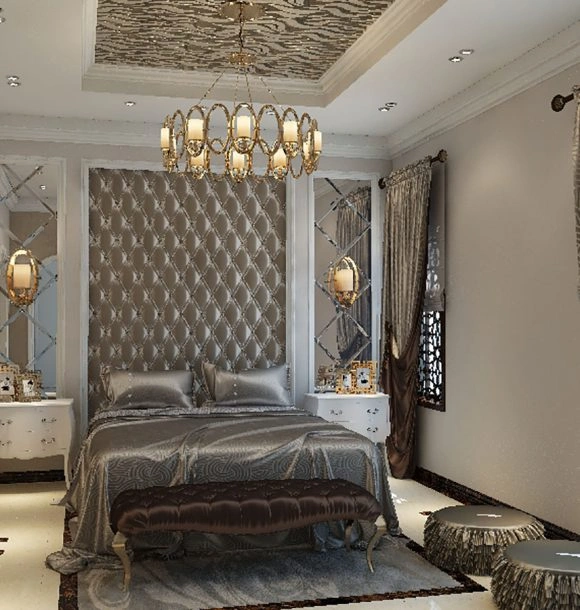
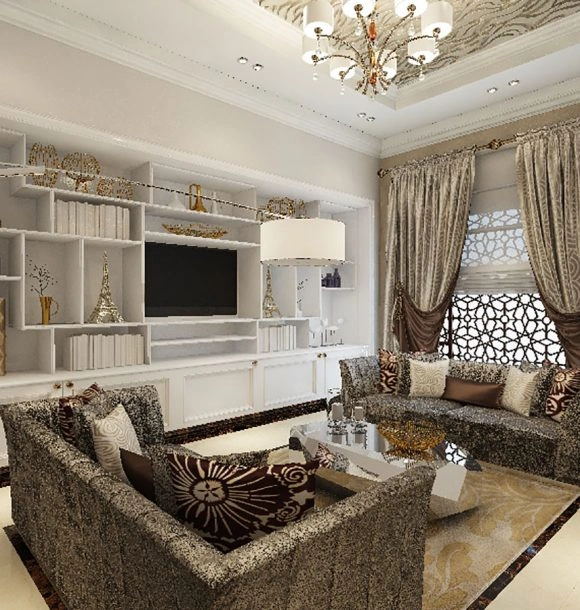
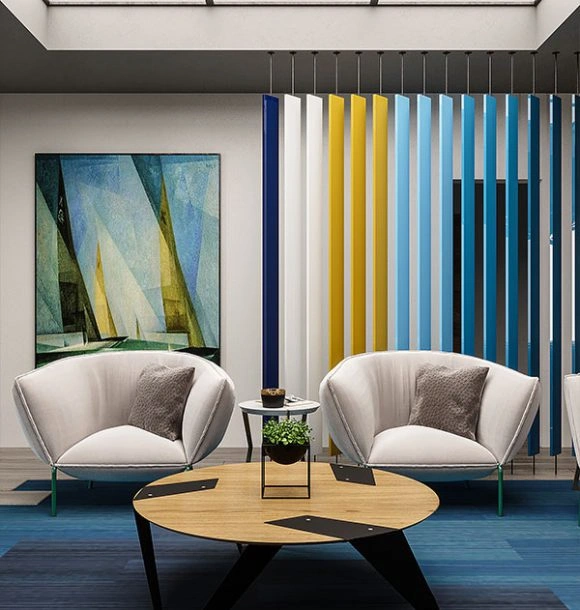
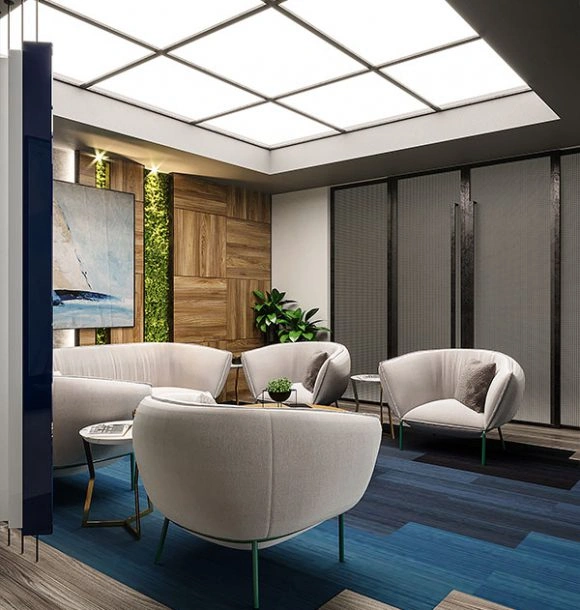
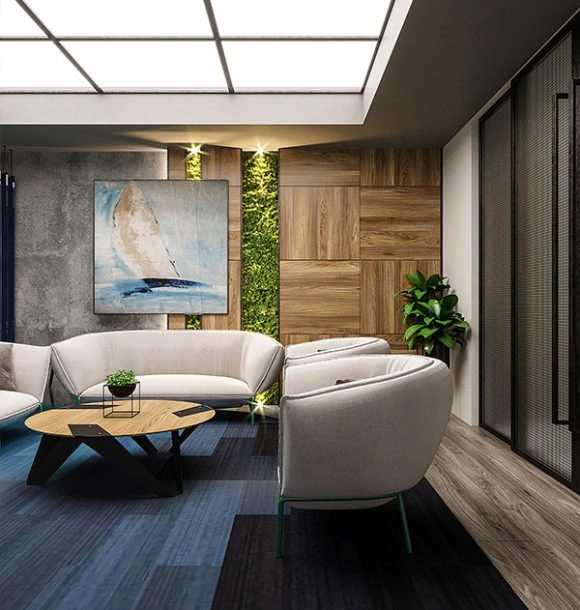
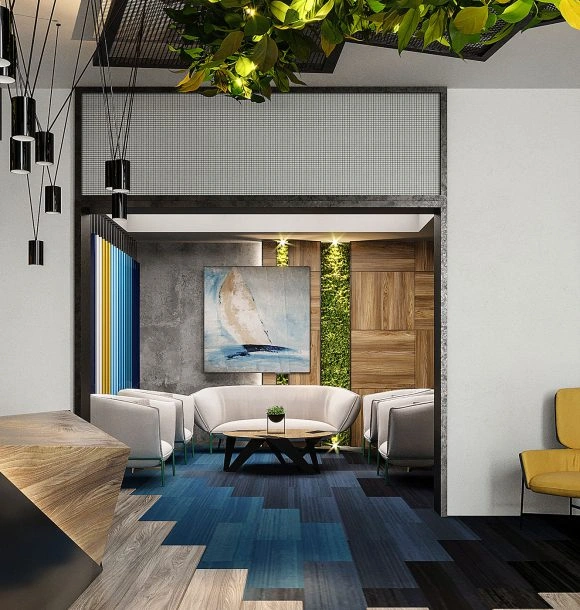
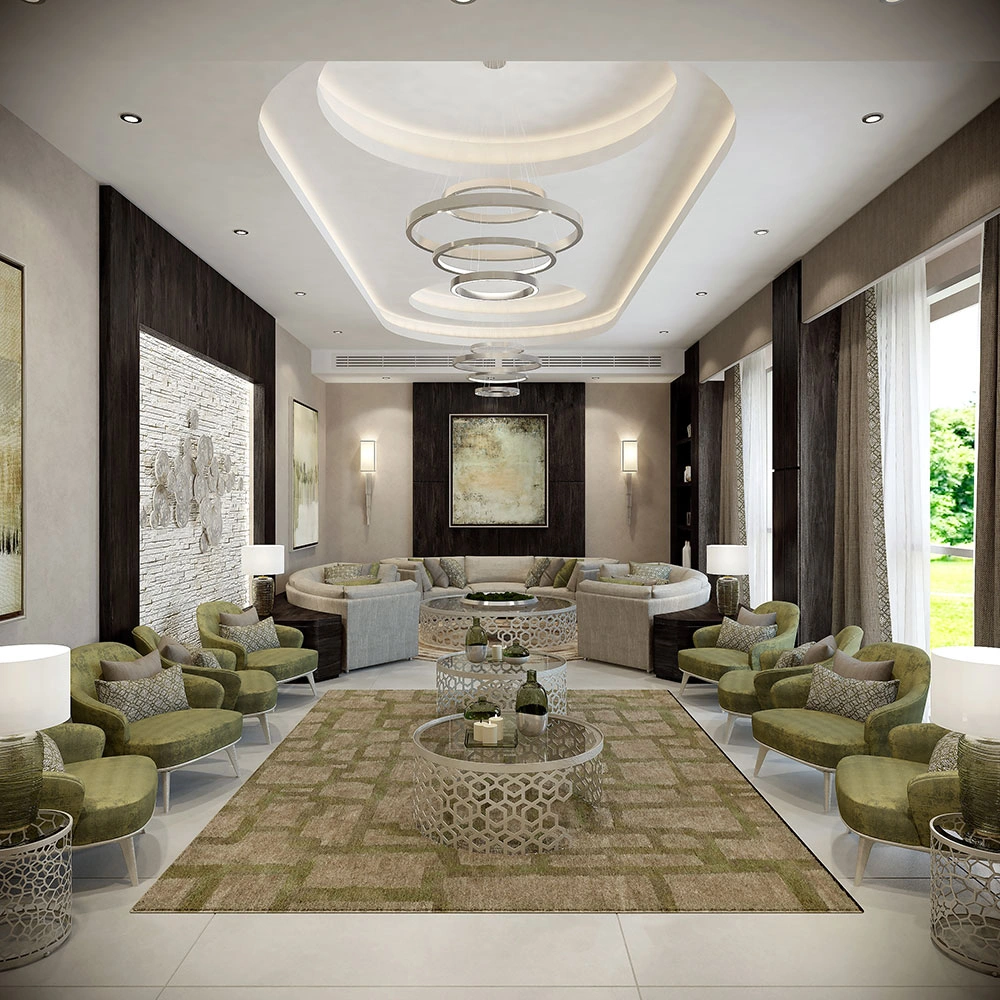
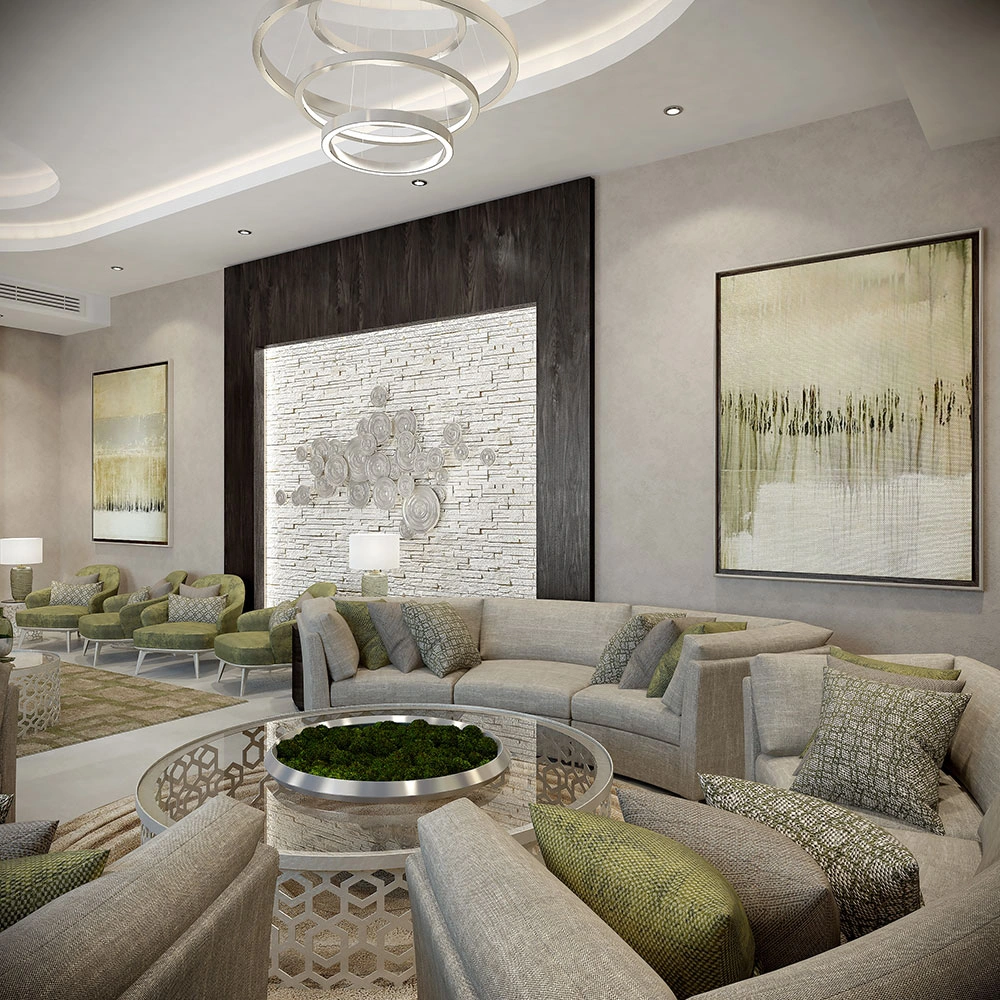
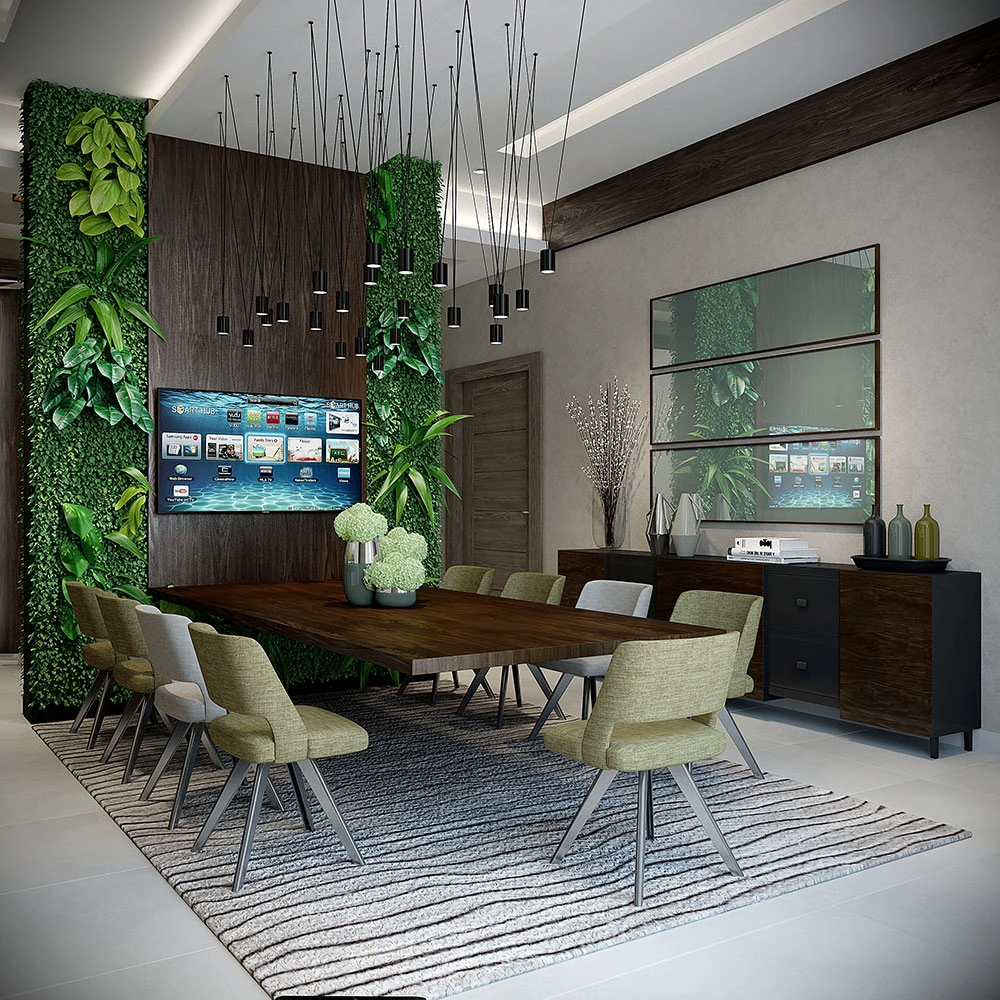
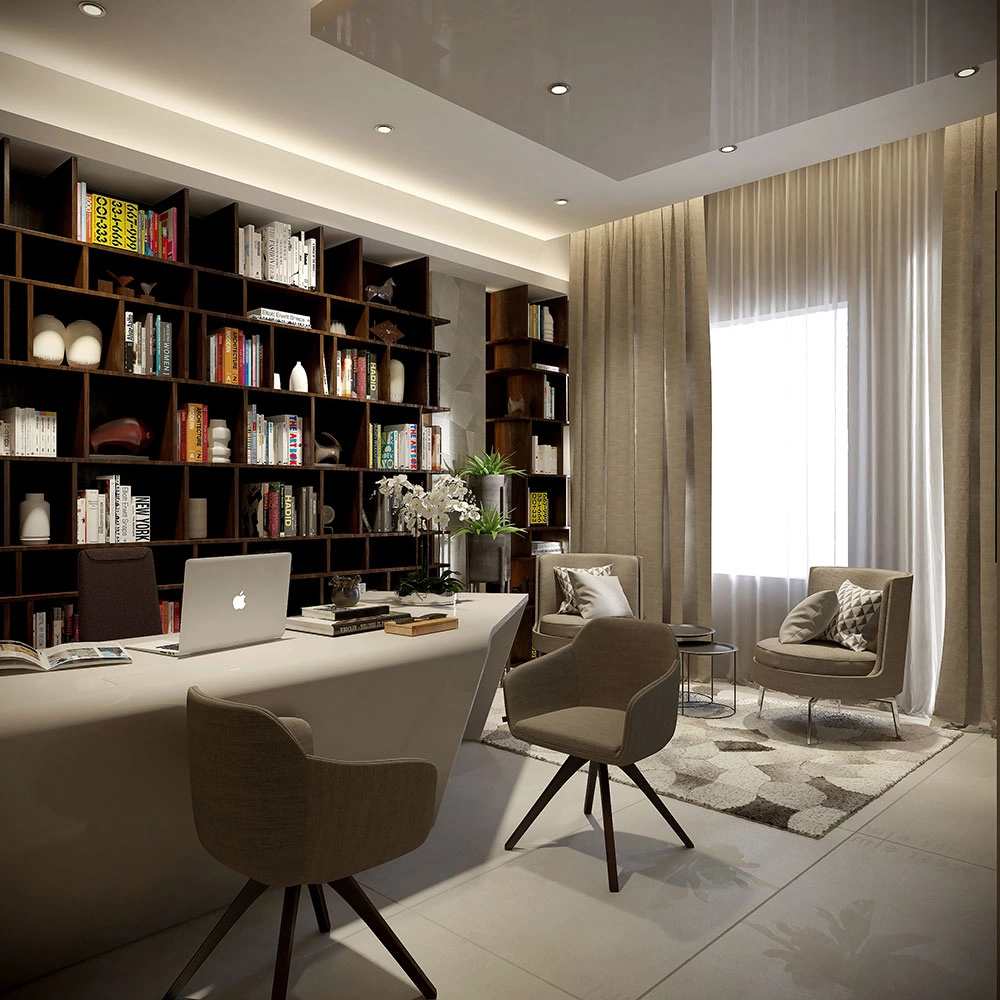
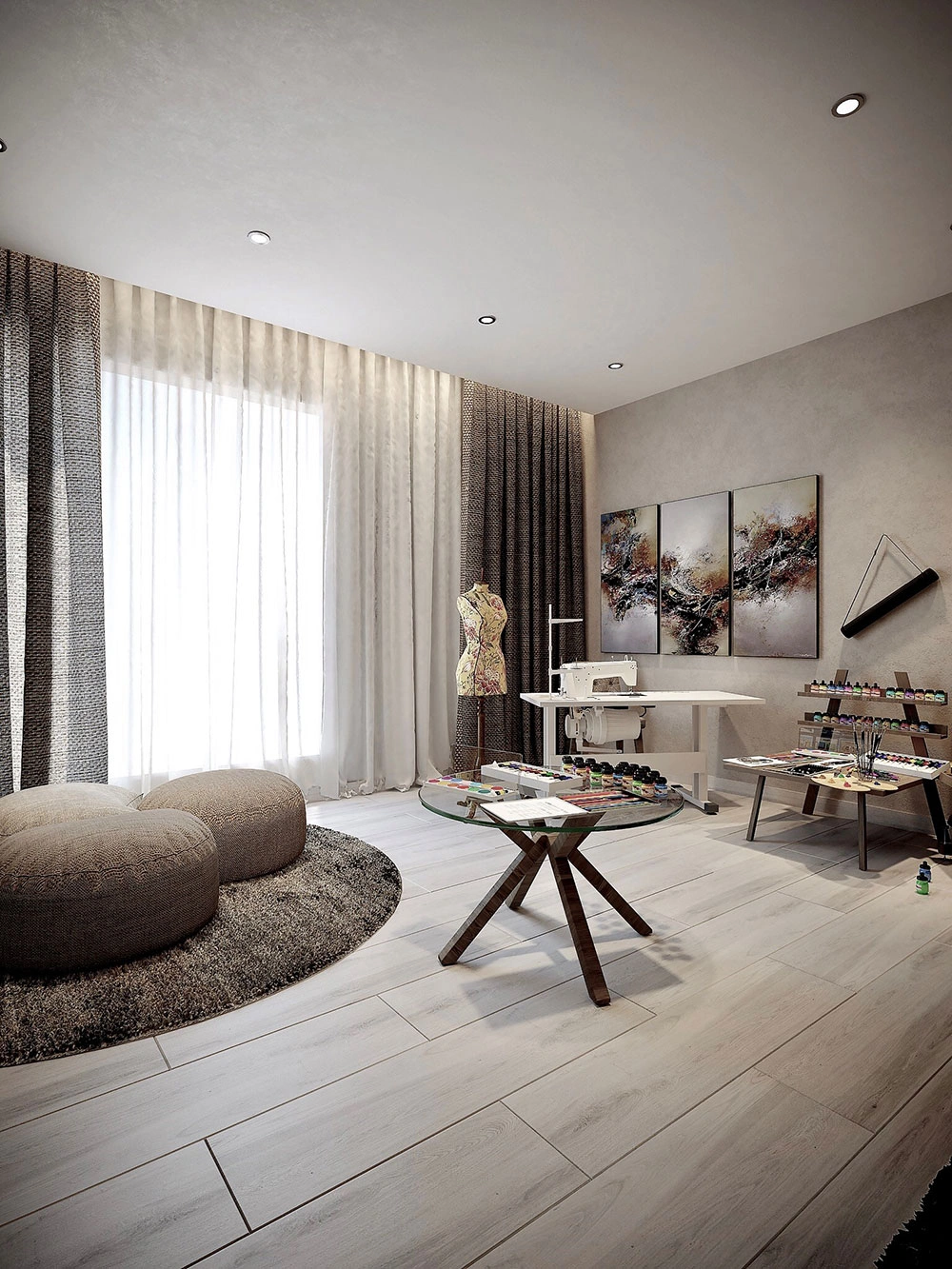
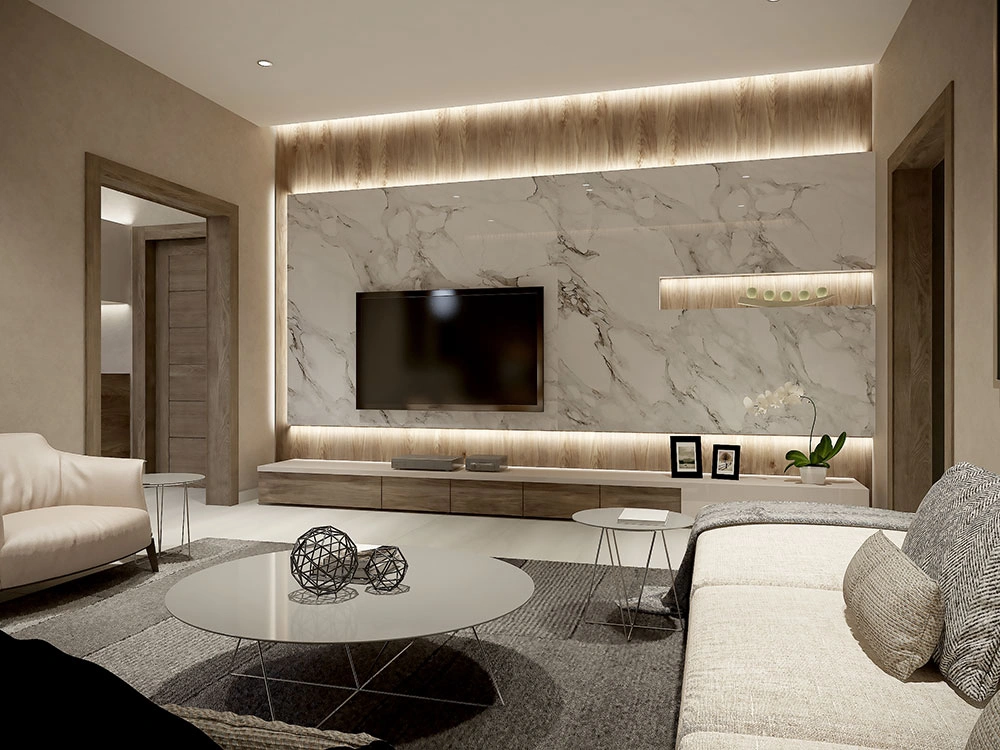
Step 6: Visualizing the Concept in 3D
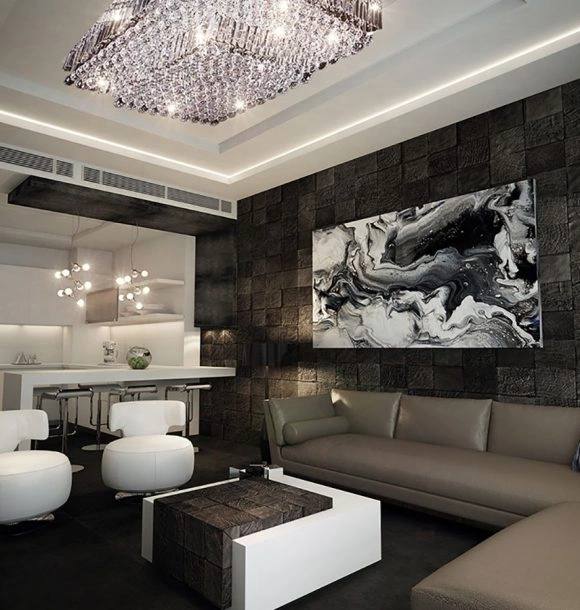
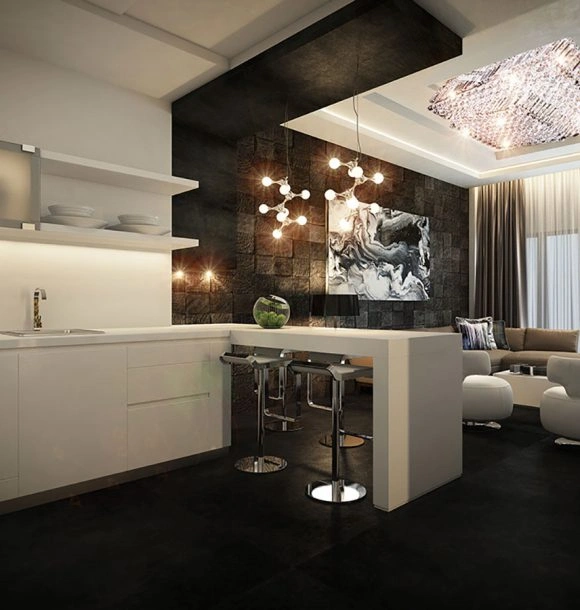
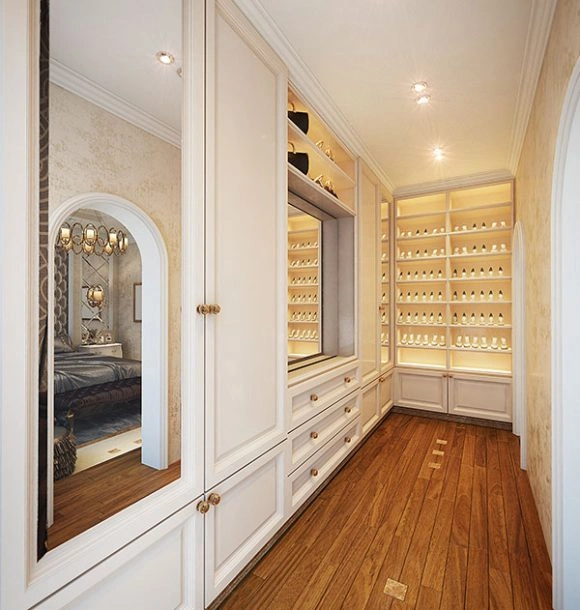
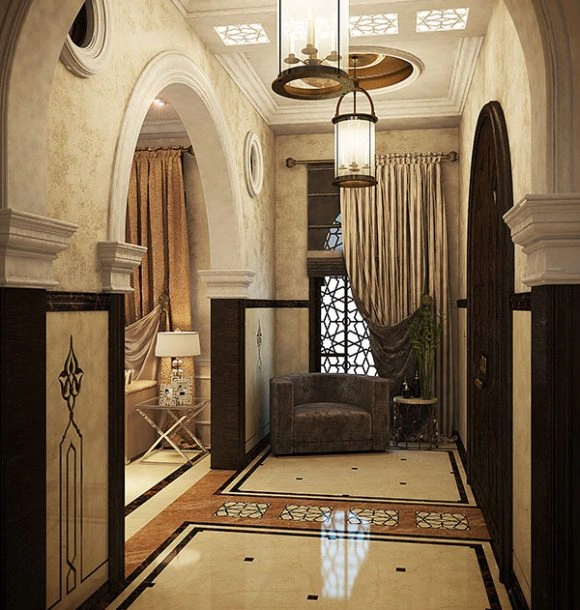
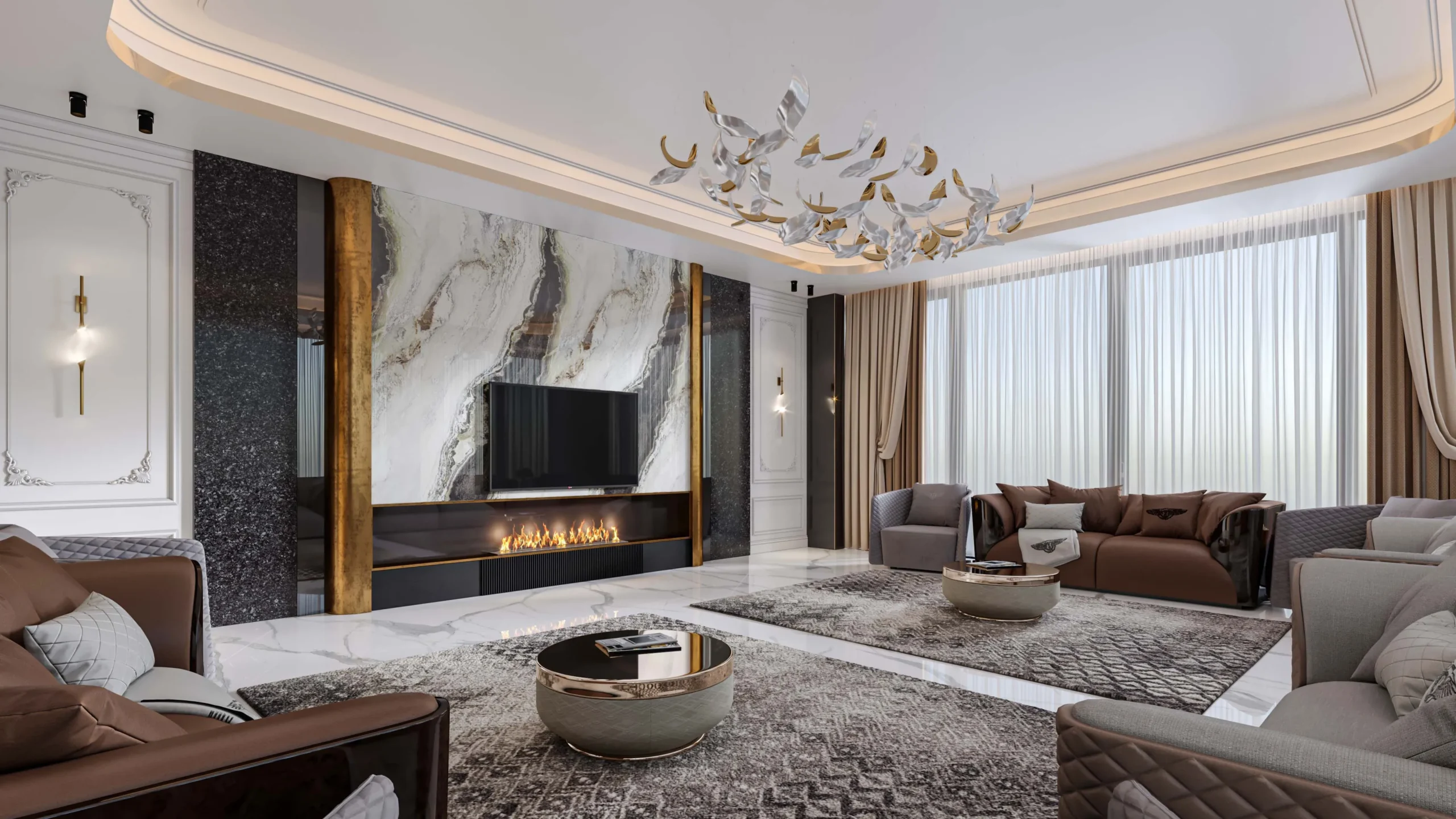
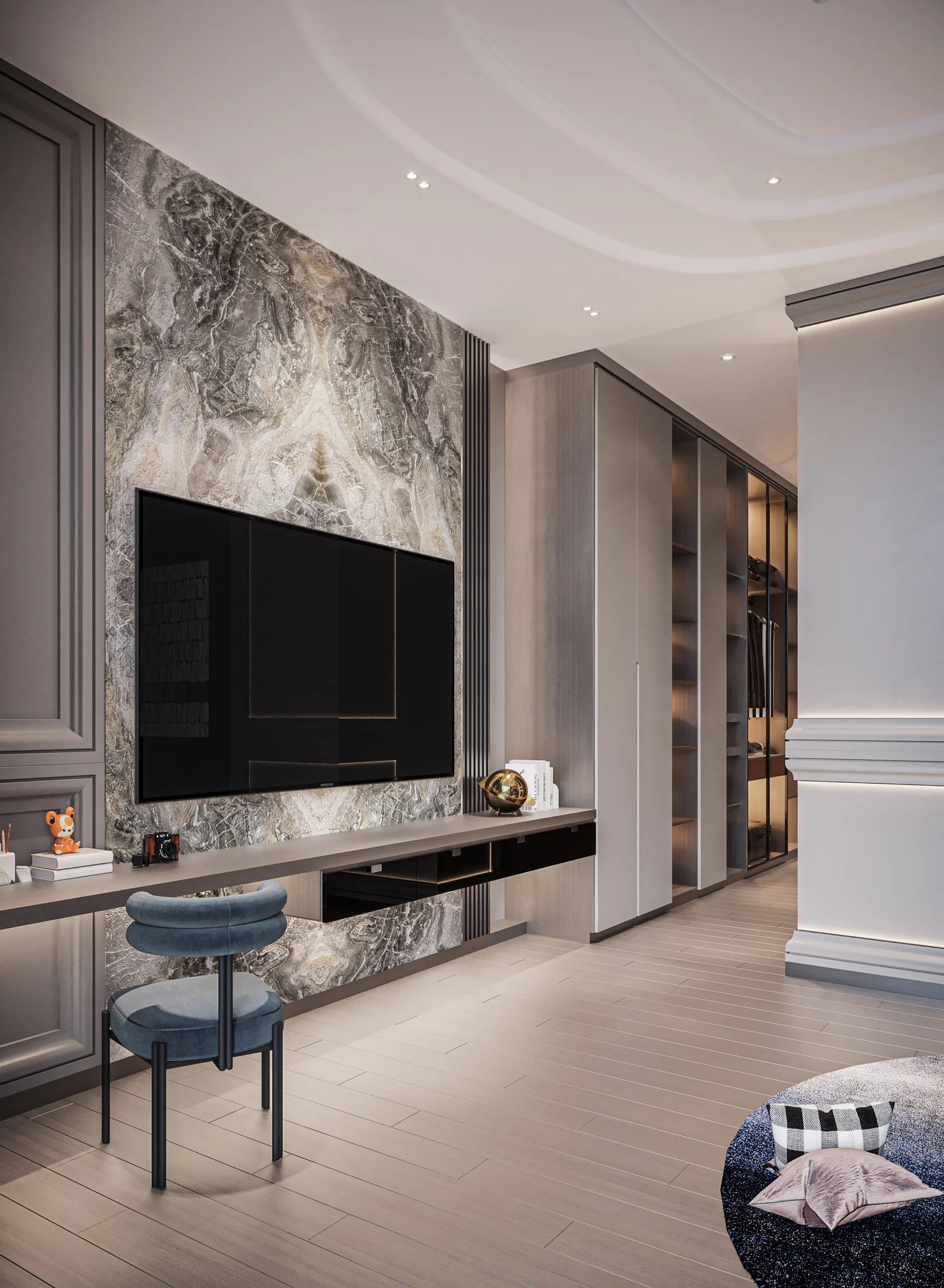
Most clients can’t fully picture a concept from swatches and sketches. 3D renders catch problems early and build confidence in the direction.
Step 7: Refining Based on Your Feedback
A concept rarely lands perfectly on the first try. Good designers expect feedback and treat this stage as collaborative.
Is a Design Concept the Same as a Mood Board?
No. A mood board is one tool a designer uses to communicate a concept. It isn’t the concept itself.
A mood board shows colors, textures, and reference images. A concept explains why those choices fit your home and how the space will actually function.
Concept Development vs. Design Development: What’s the Difference?
Concept development sets the direction. Design development turns that direction into buildable detail.
| Concept Development | Design Development | |
|---|---|---|
| Focus | The guiding idea and direction | Turning that idea into buildable detail |
| Typical Output | Mood direction, color story, rough layout, early 3D visuals | Construction drawings, material schedules, technical specifications |
| Client Involvement | High, lots of feedback and direction-setting | Lower, mostly approvals and sign-offs |
| Flexibility | High, changes are easy and low-cost | Lower, changes get more expensive |
For everything after concept development, see our interior design process in the UAE.
How Long Does Concept Development Usually Take?
Concept development typically takes a few weeks, depending on the size of the home and how much revision the direction needs.
Larger villas or homes with multiple distinct zones generally take longer than a single apartment refresh. Rushing this stage rarely saves time overall.
How Do UAE Homes Shape the Design Concept Differently?
Climate, culture, and lifestyle all shape a UAE home’s concept differently than homes elsewhere, starting from the earliest planning stage.
- Heat and glare push designers toward layered window treatments and careful control of natural light.
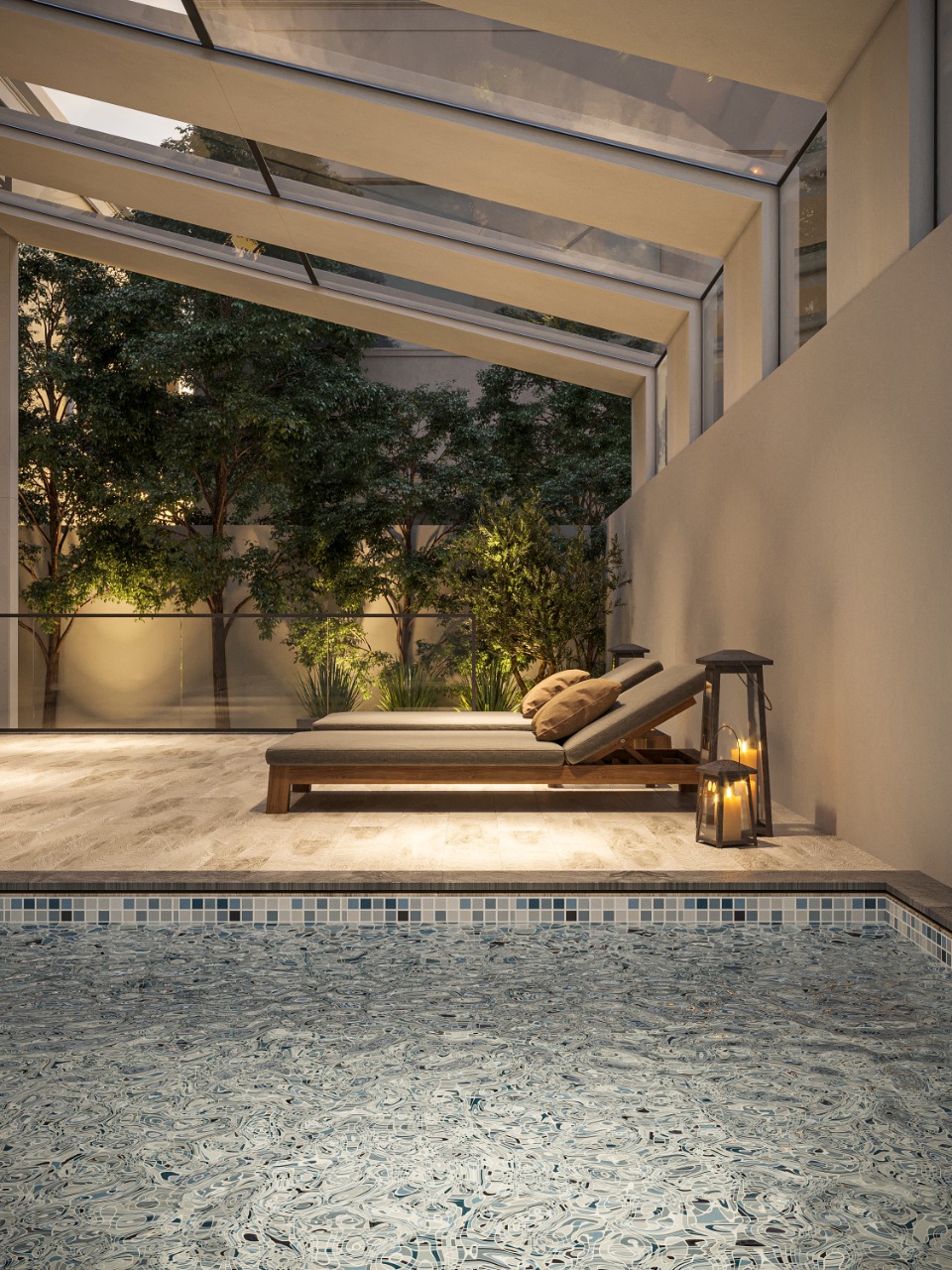
- Indoor-outdoor living matters here, with concepts often built around shaded majlis areas and covered terraces.
- Durability in humidity and dust shapes material choices for constant air conditioning and desert conditions.
- Cultural and family needs, like separate entertaining spaces or privacy, often shape the layout from the start.
- A warmer, more personal direction is trending in UAE homes now, moving away from stark minimalism toward textured, lived-in interiors.
Our guide on interior design for the UAE climate goes deeper into this.
What Should You Bring to Help Shape a Strong Concept?
The clearer you can express how you live, the stronger the concept a designer can build. Bring these to your first meeting:
- Photos or a walkthrough of your current space
- A rough sense of budget and timeline
- Reference images, along with why you like them
- Honest feedback about what currently doesn’t work
- Any must-haves, like storage, a home office, or a prayer space
See our guide on what information an interior designer needs, or what to prepare before hiring a home interior designer if you haven’t hired one yet.
What Mistakes Weaken a Home Design Concept?
A few recurring mistakes undermine concepts before a project even starts.
- Skipping the lifestyle conversation and jumping straight to colors and furniture
- Ignoring the space’s real constraints, like light, layout, or structural limits
- Copying a reference photo exactly, without adapting it to your actual home
- Rushing approval just to keep the project moving
- Mixing too many moods, which leaves the finished home feeling disjointed
Our full breakdown of interior design mistakes to avoid covers more of these.
Frequently Asked Questions
Q1: Who is this guide for, and when should I read it?
A: This is for UAE homeowners planning a home interior design project, best read before or during your first consultation with a designer, while you’re still shaping expectations.
Q2: Can I ask for changes once a concept is presented?
A: Yes. Concept development is meant to be collaborative, and most designers expect a round or two of feedback before finalizing the direction.
Q3: Do I need to already have a style in mind?
A: No. It helps, but many clients arrive with only a vague sense of what they like. Part of a designer’s job is helping you find that direction.
Q4: Is the concept the same for every room, or different for each one?
A: Usually there’s one overall concept for the home, with room-specific variations that stay consistent with that bigger idea.
Q5: Does concept development happen before or after I sign a contract?
A: This varies by design firm. Some include an initial concept discussion as part of the consultation, before a full agreement. Others require a signed contract first. It’s worth asking directly before you start.
Conclusion
A home interior design concept isn’t decoration. It’s the reasoning that holds a home together, built from how you live, what your space allows, and a clear mood and material direction. Get this stage right, and everything that follows, from layout to furniture to final styling, has something solid to stand on. Whether you’re planning a villa refresh or a full apartment redesign, the same principle applies: a strong concept comes from being heard first and styled second.
Start Your Concept, the Right Way
If you’re ready to shape a concept for your own home, our home interior design team can walk you through it from the first conversation, with a process built around how you actually live in your space.