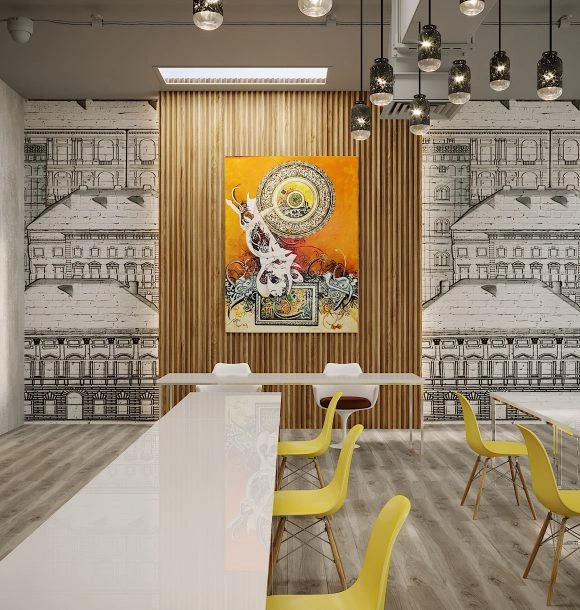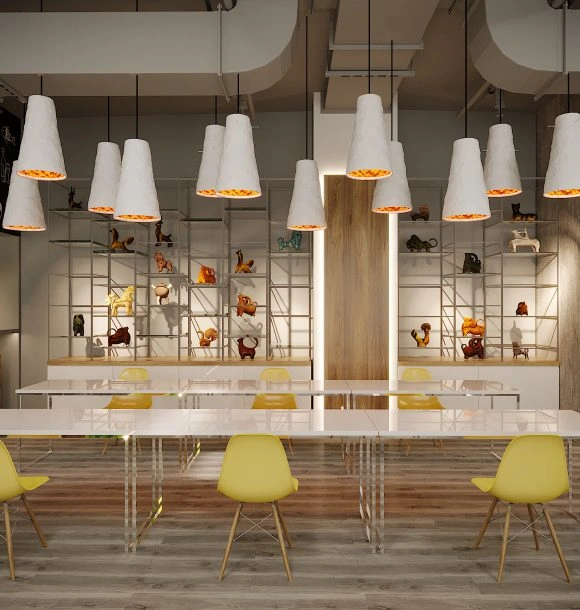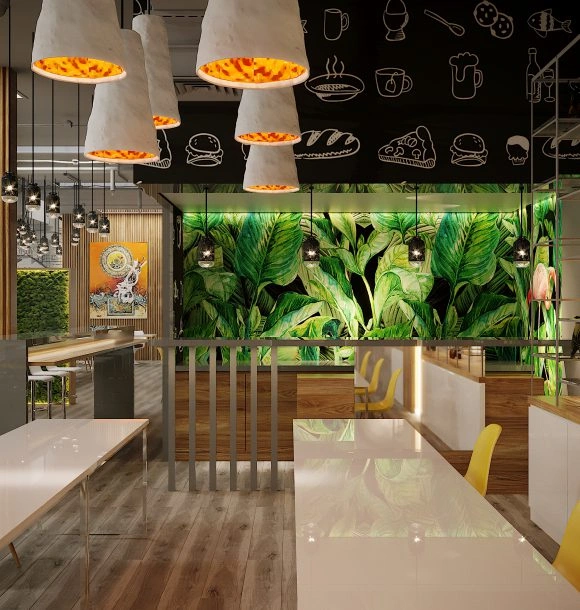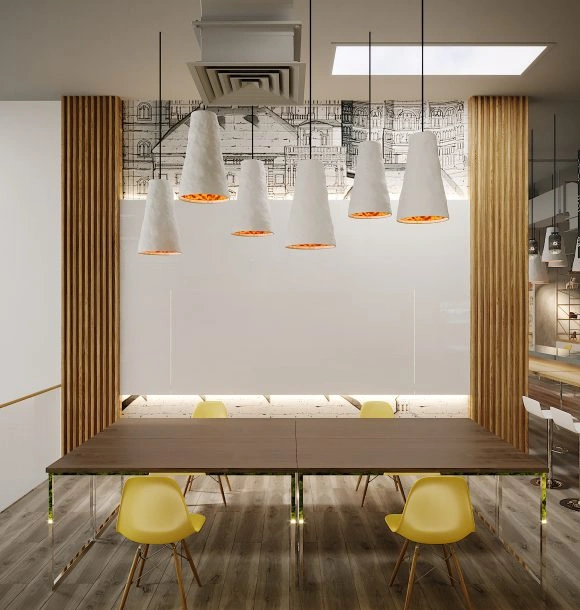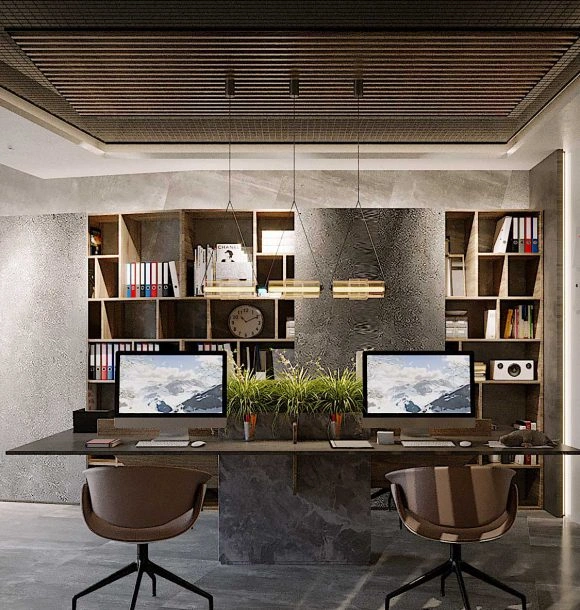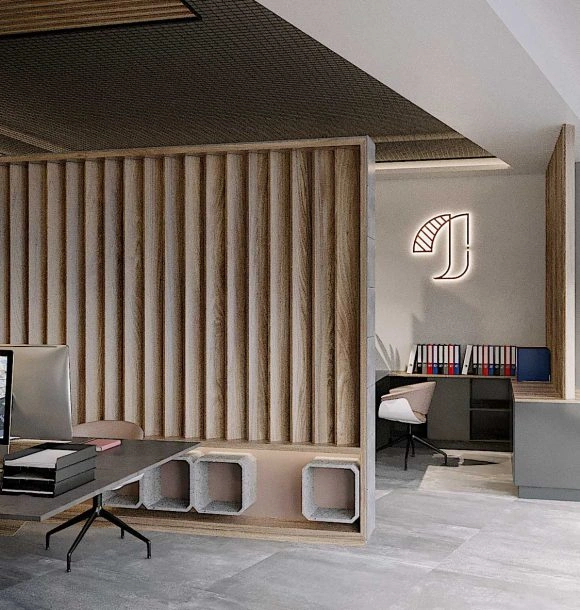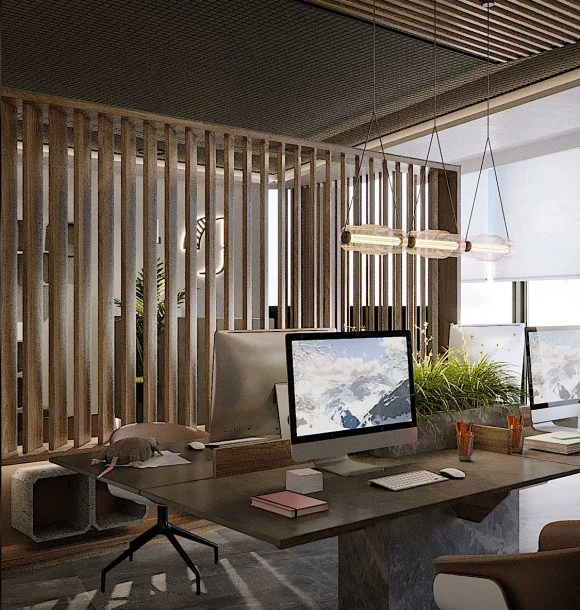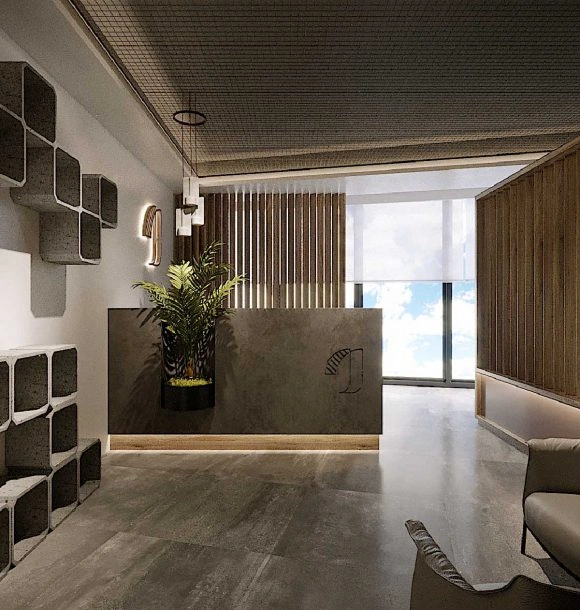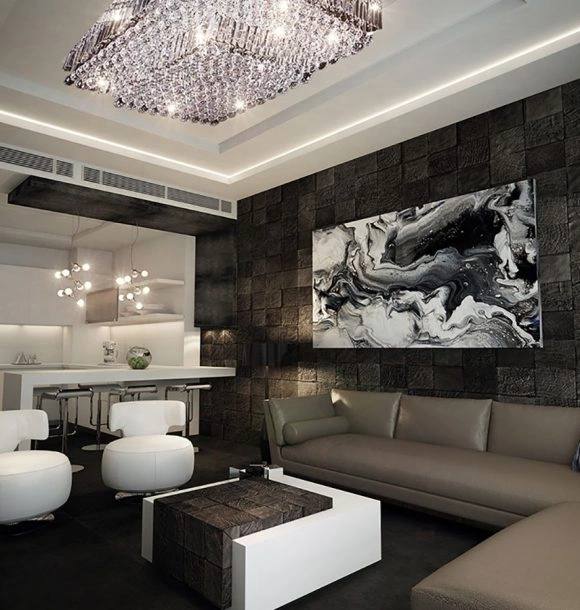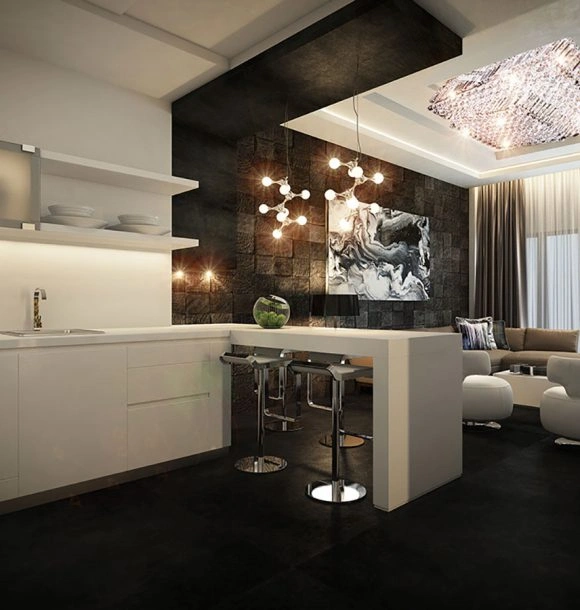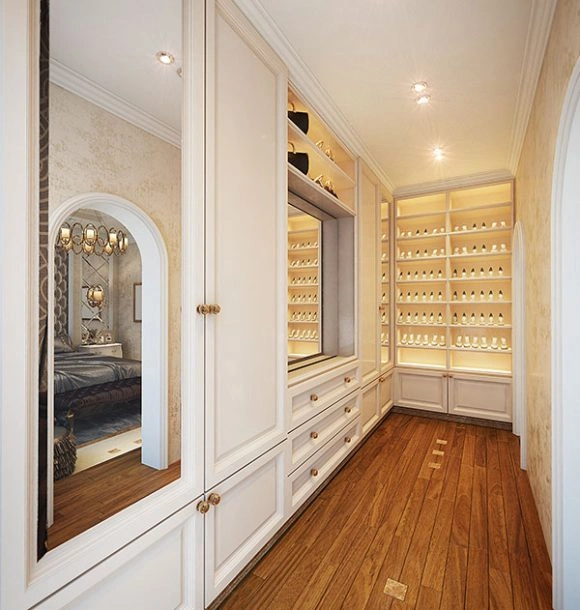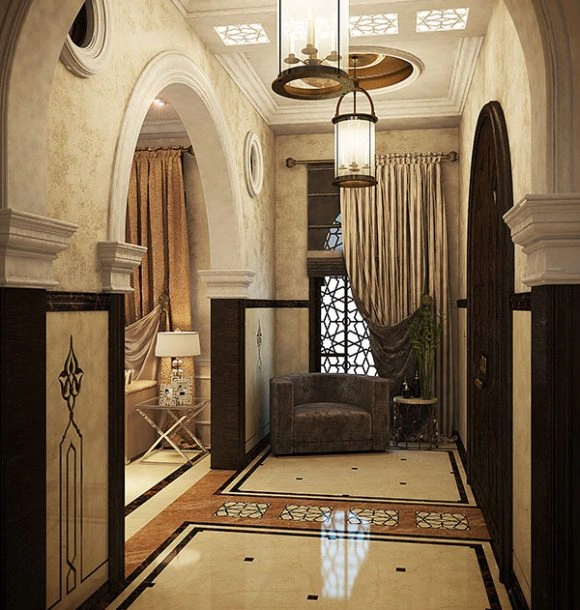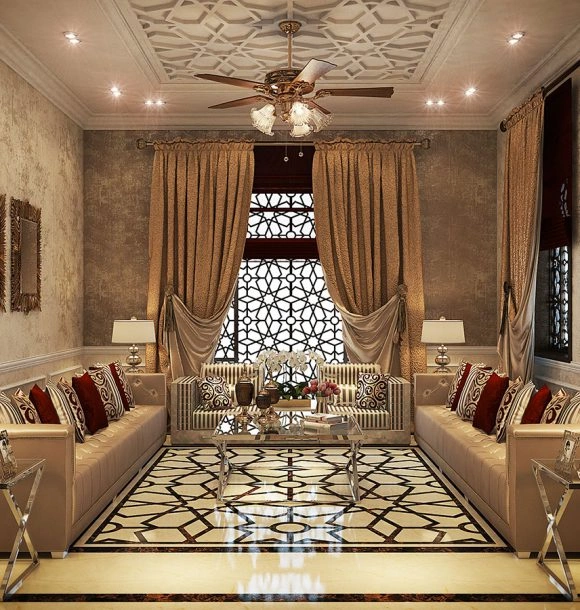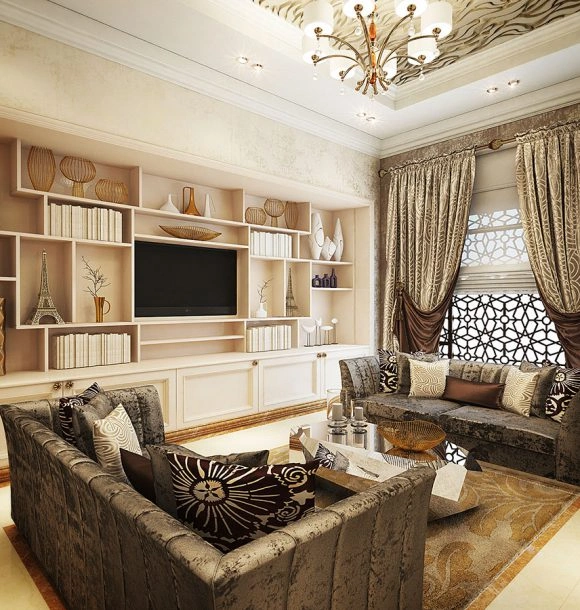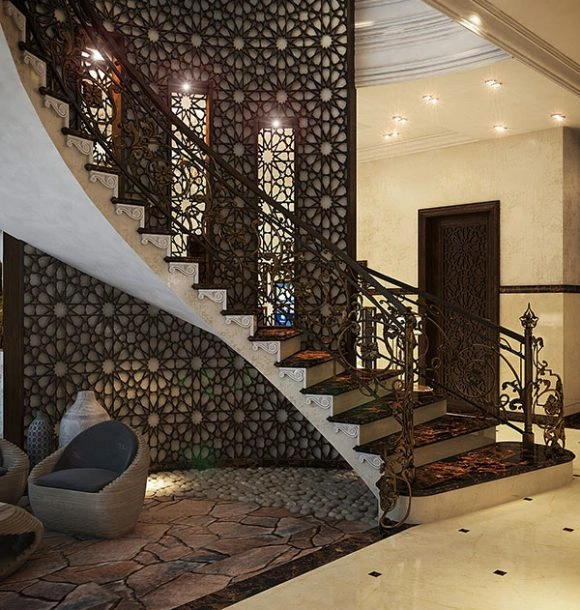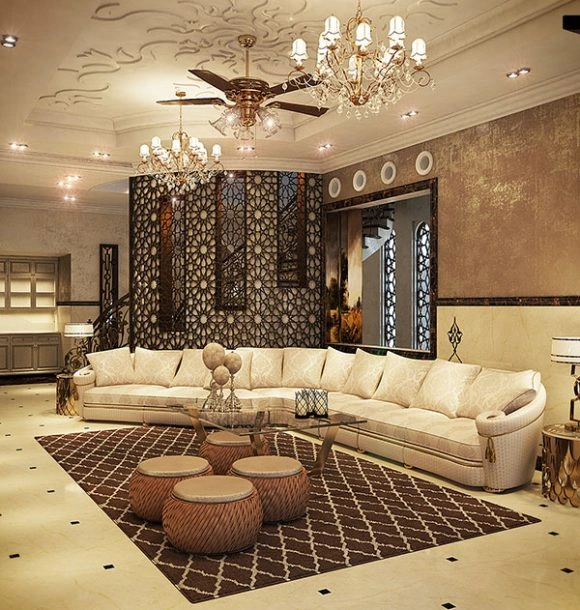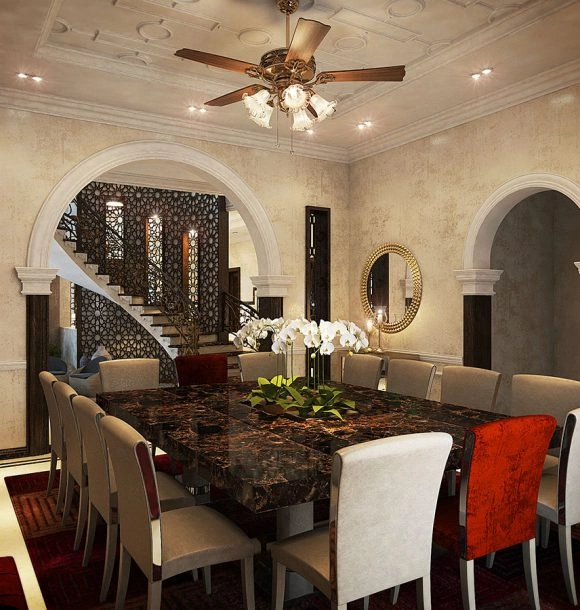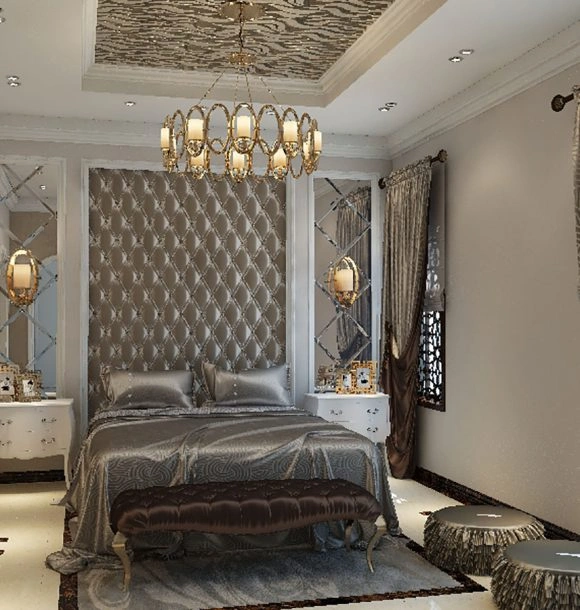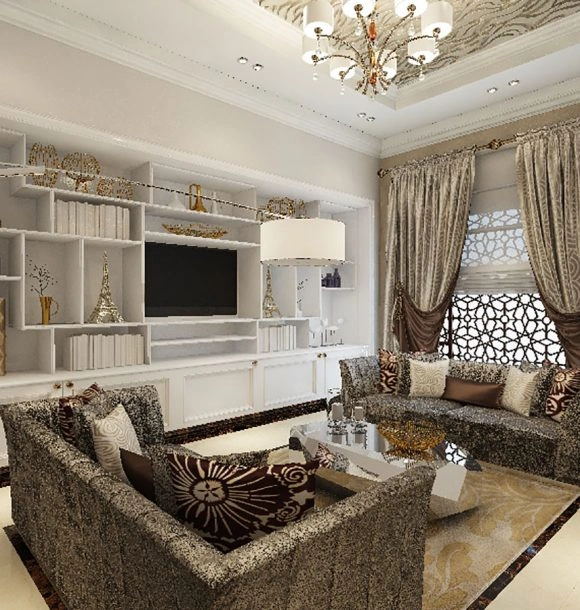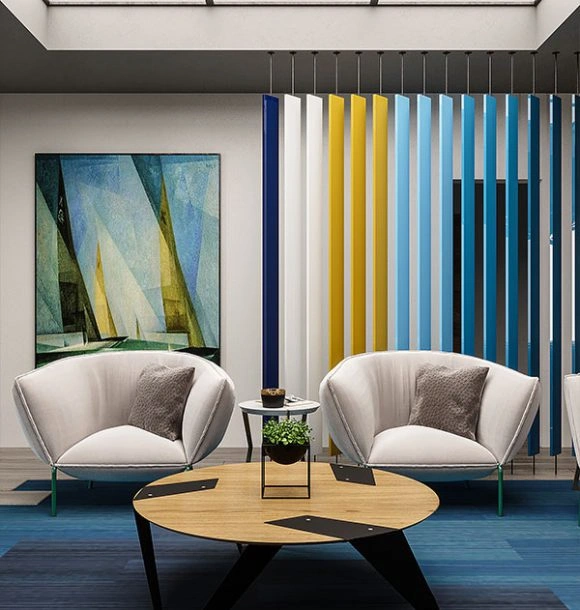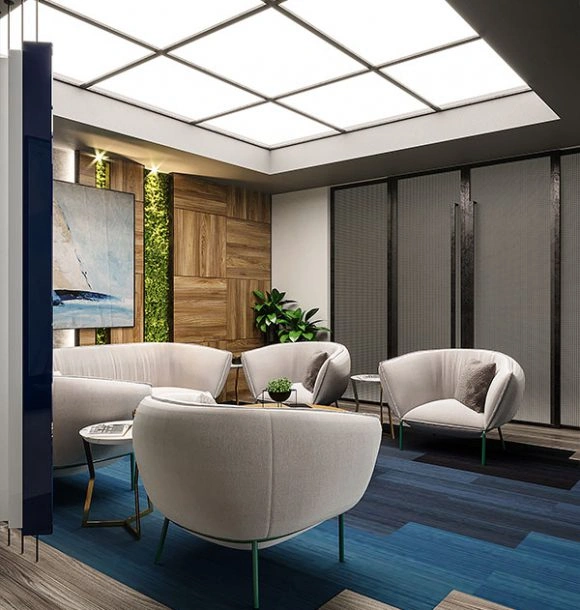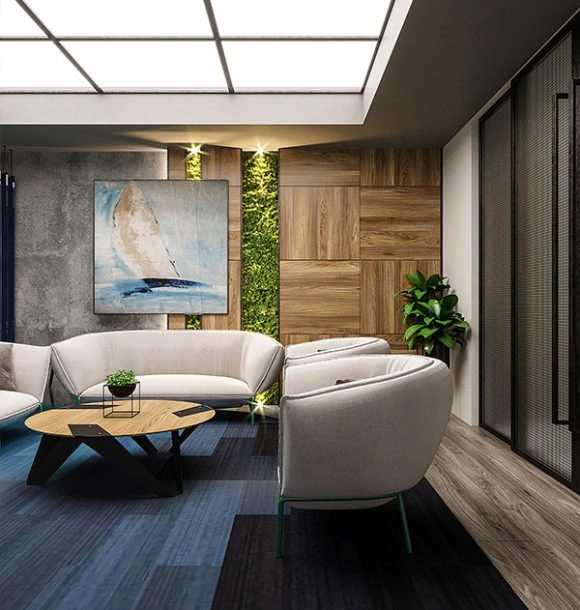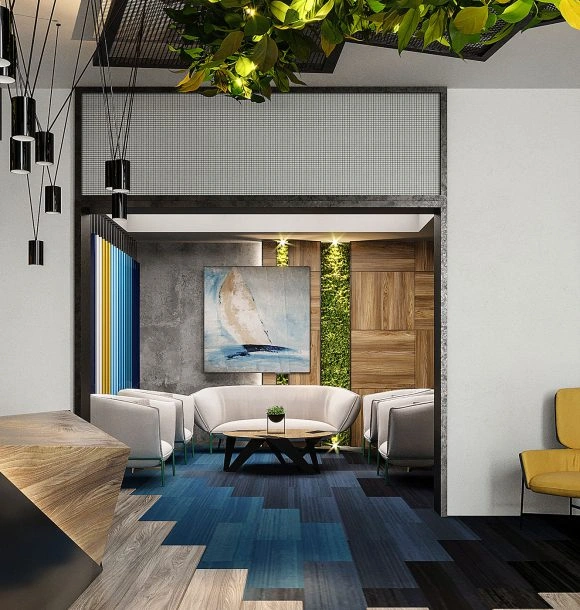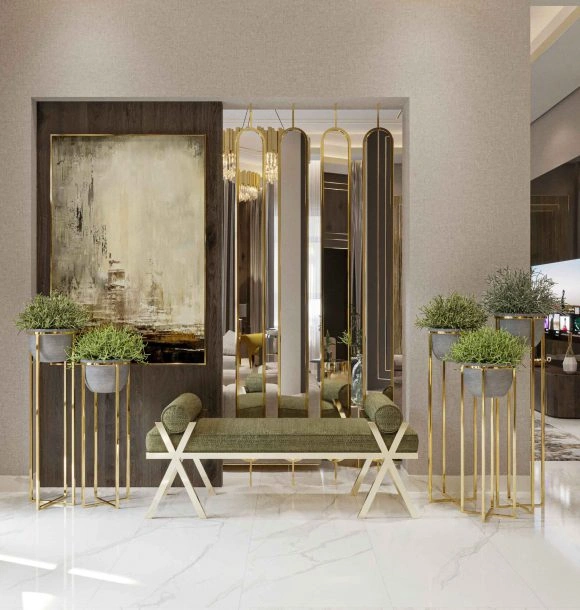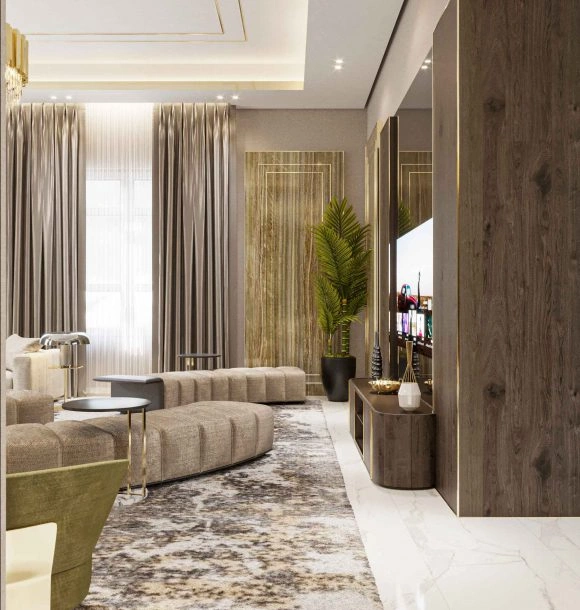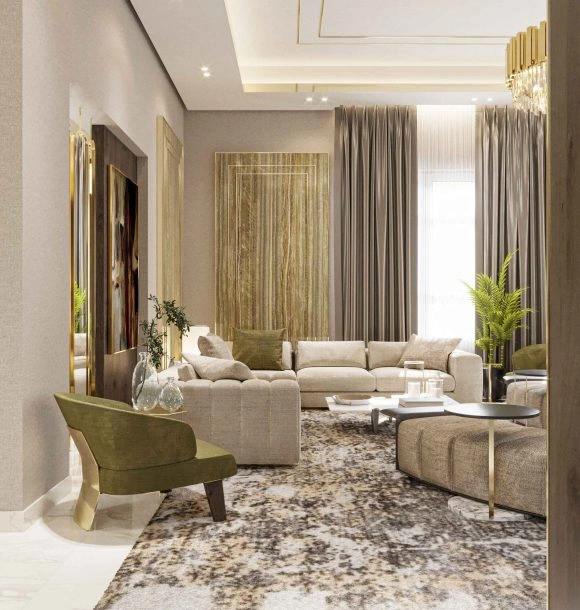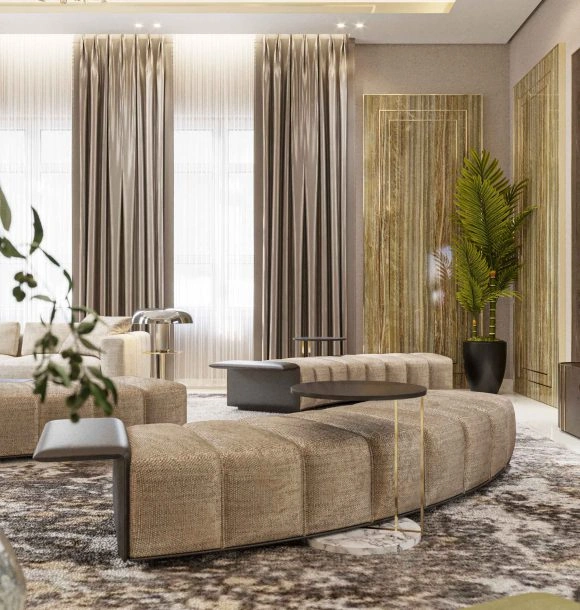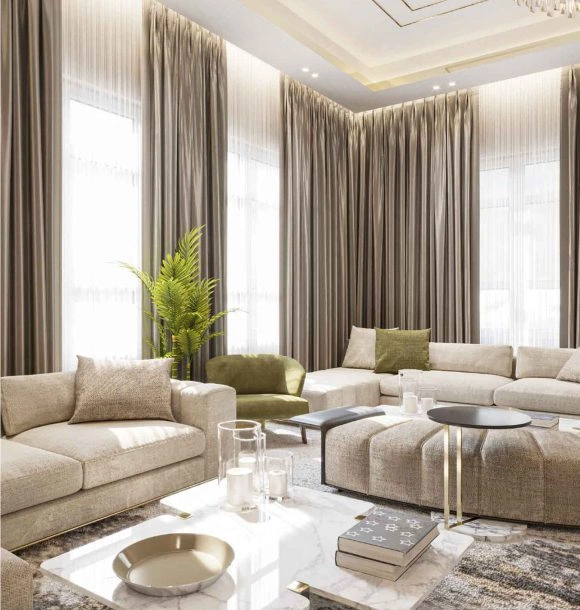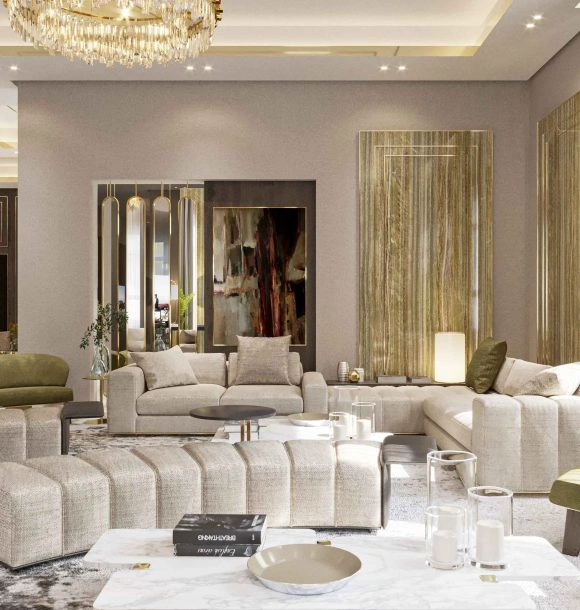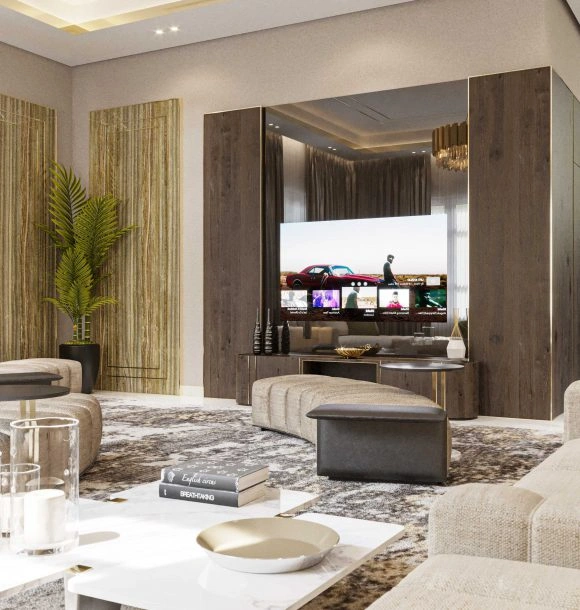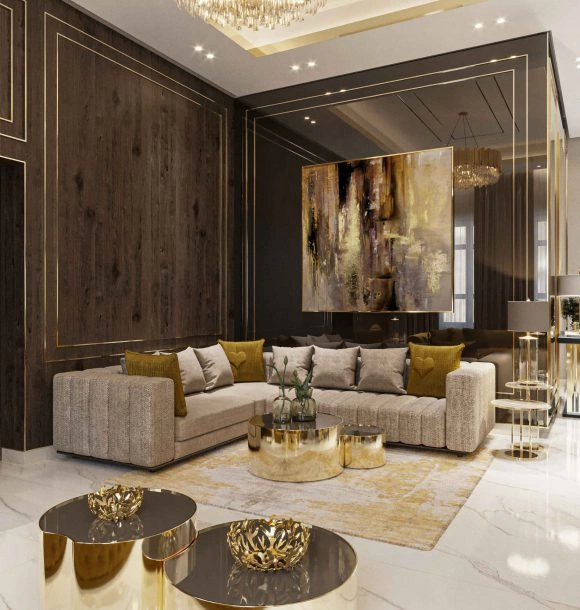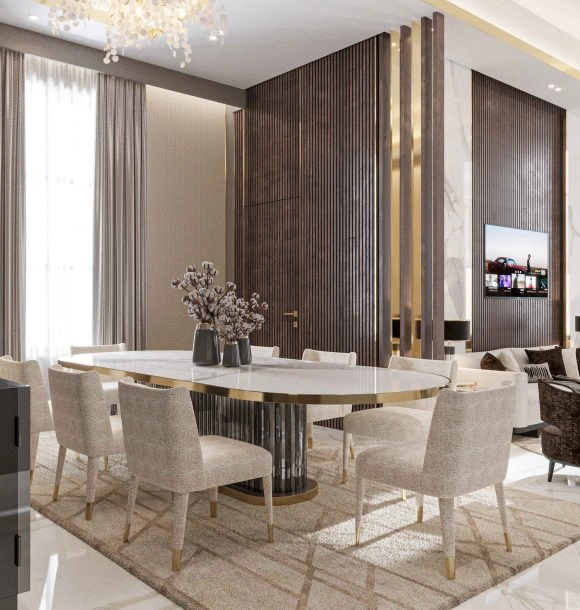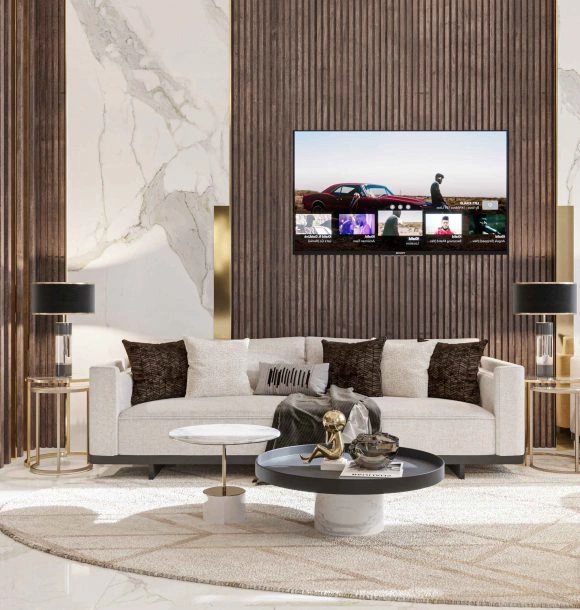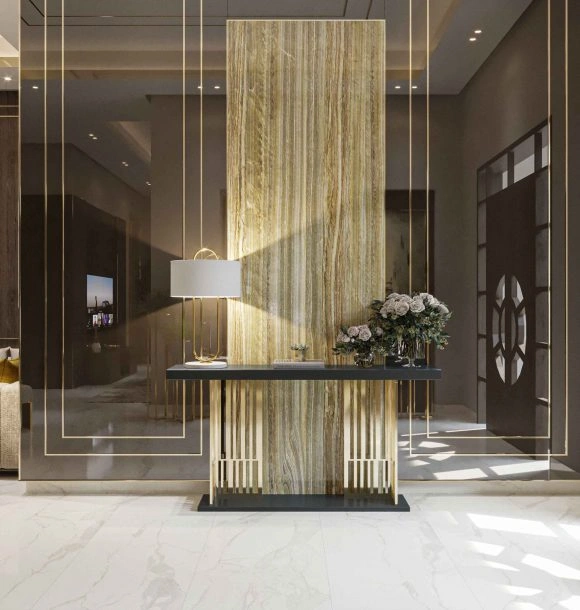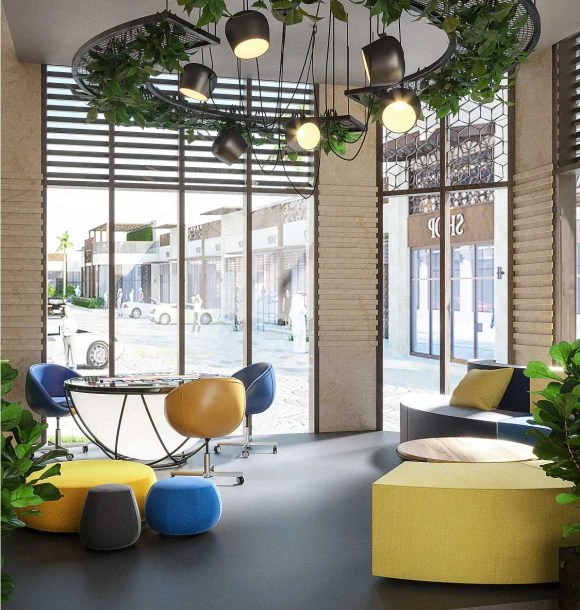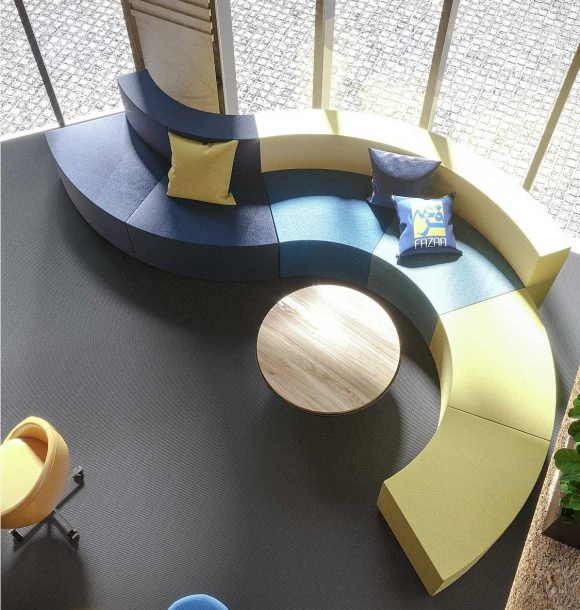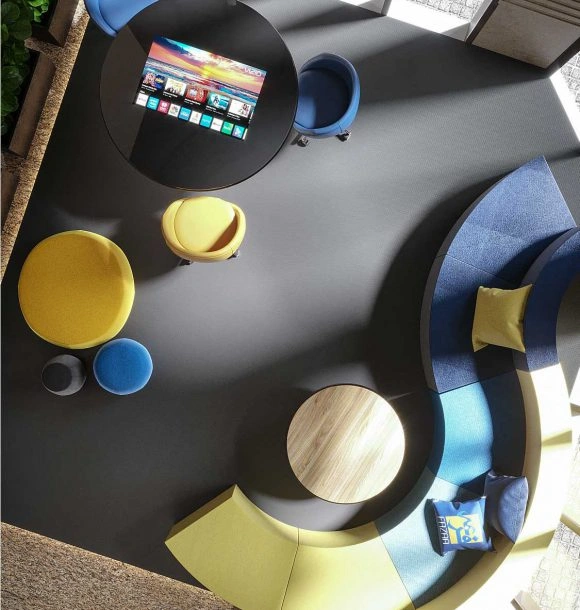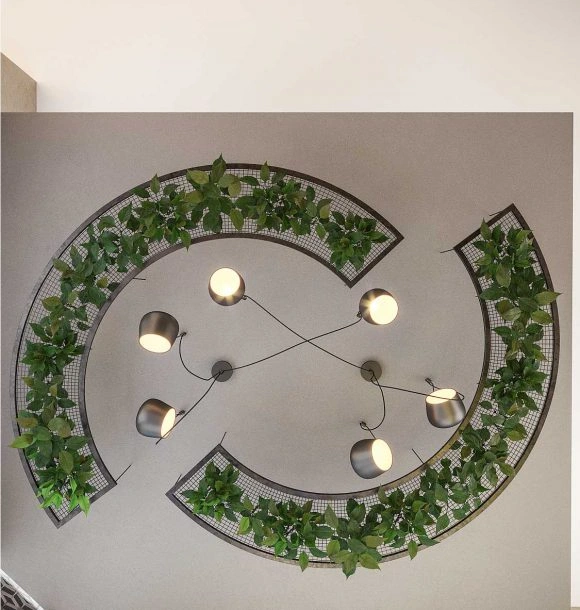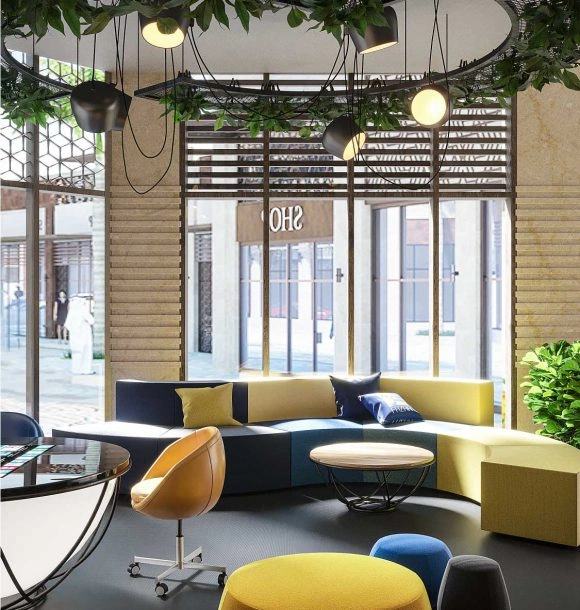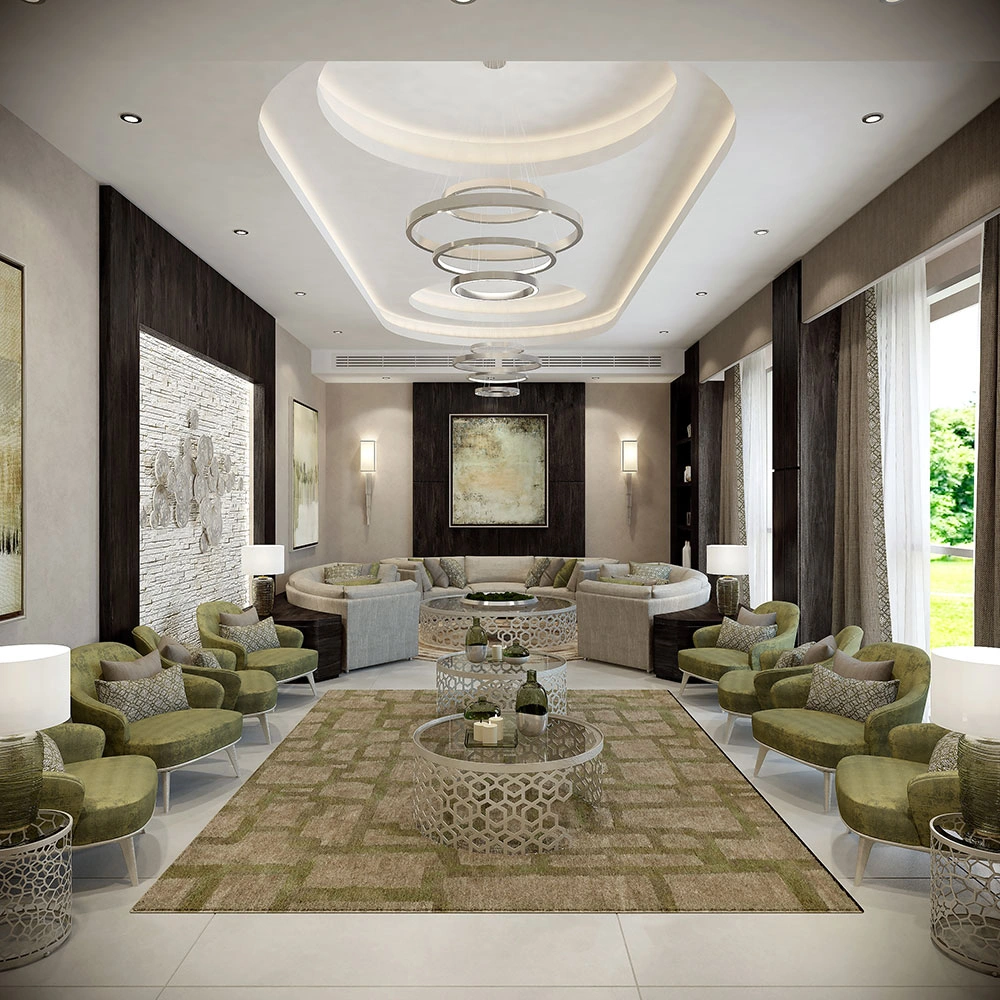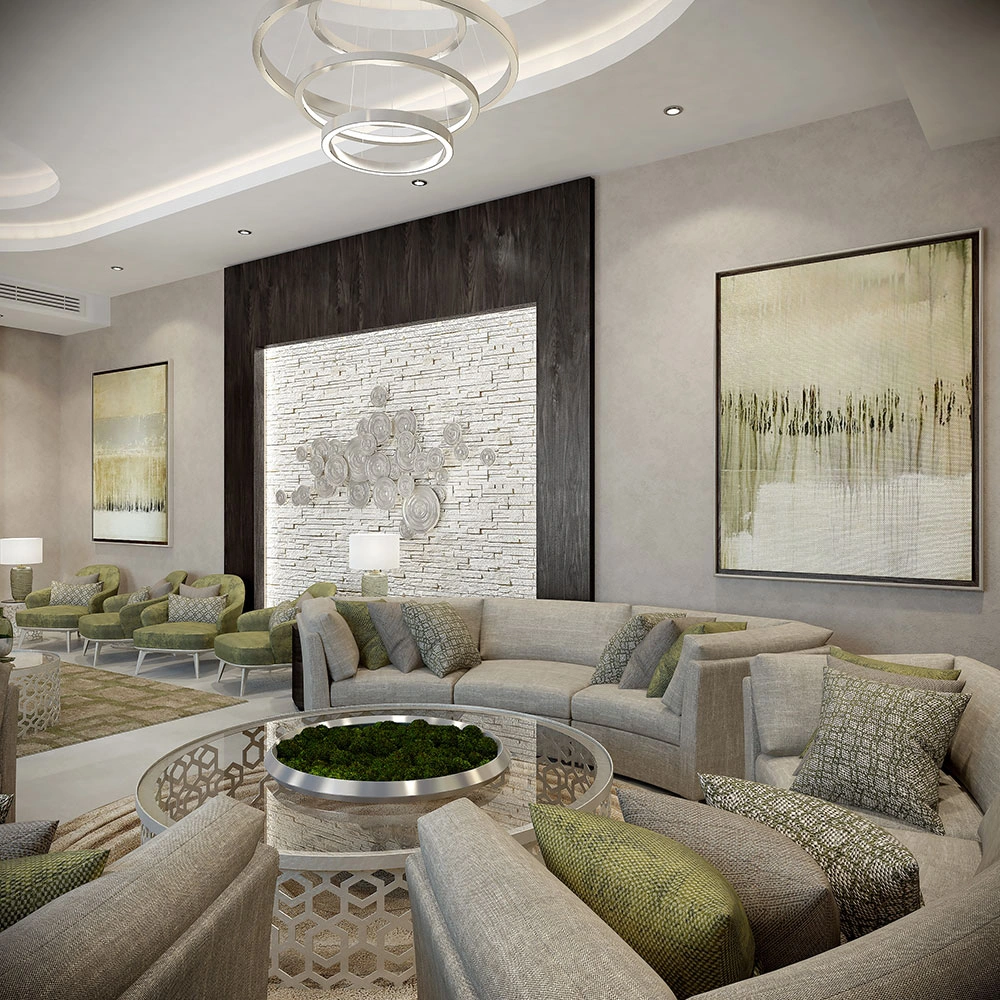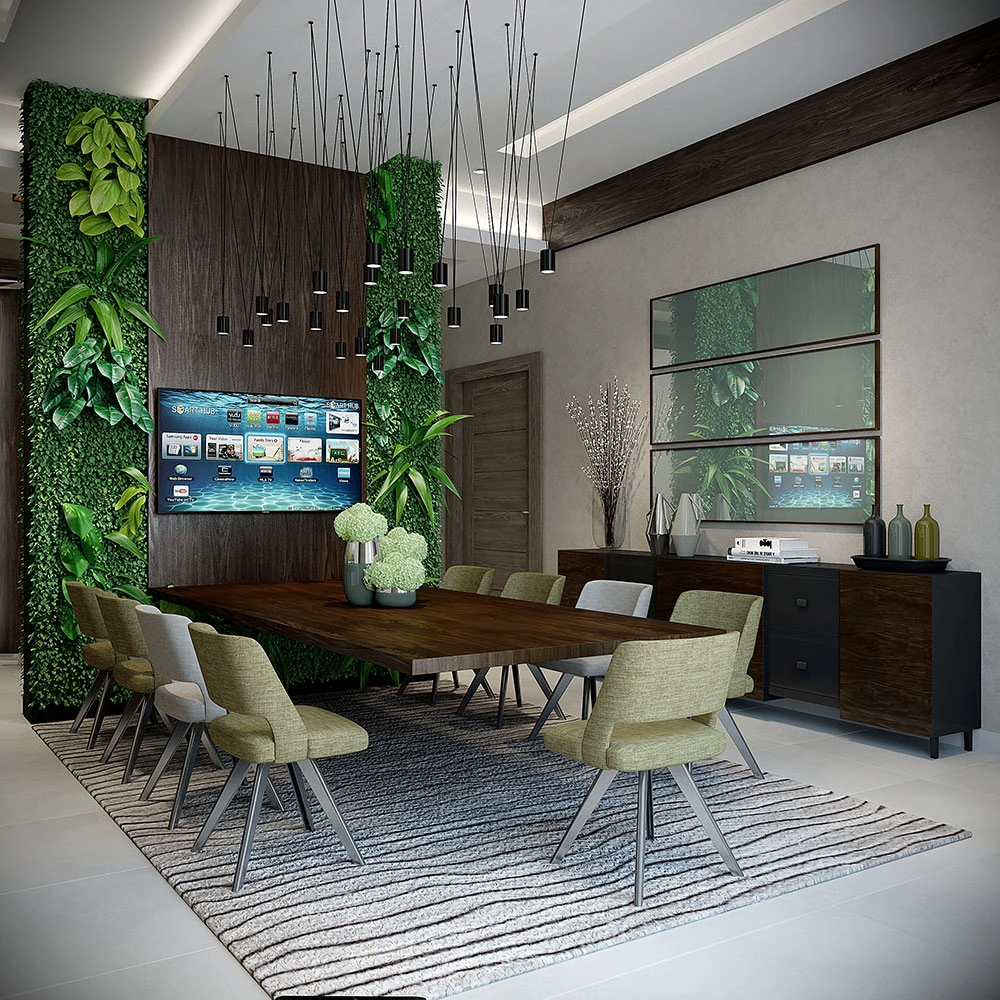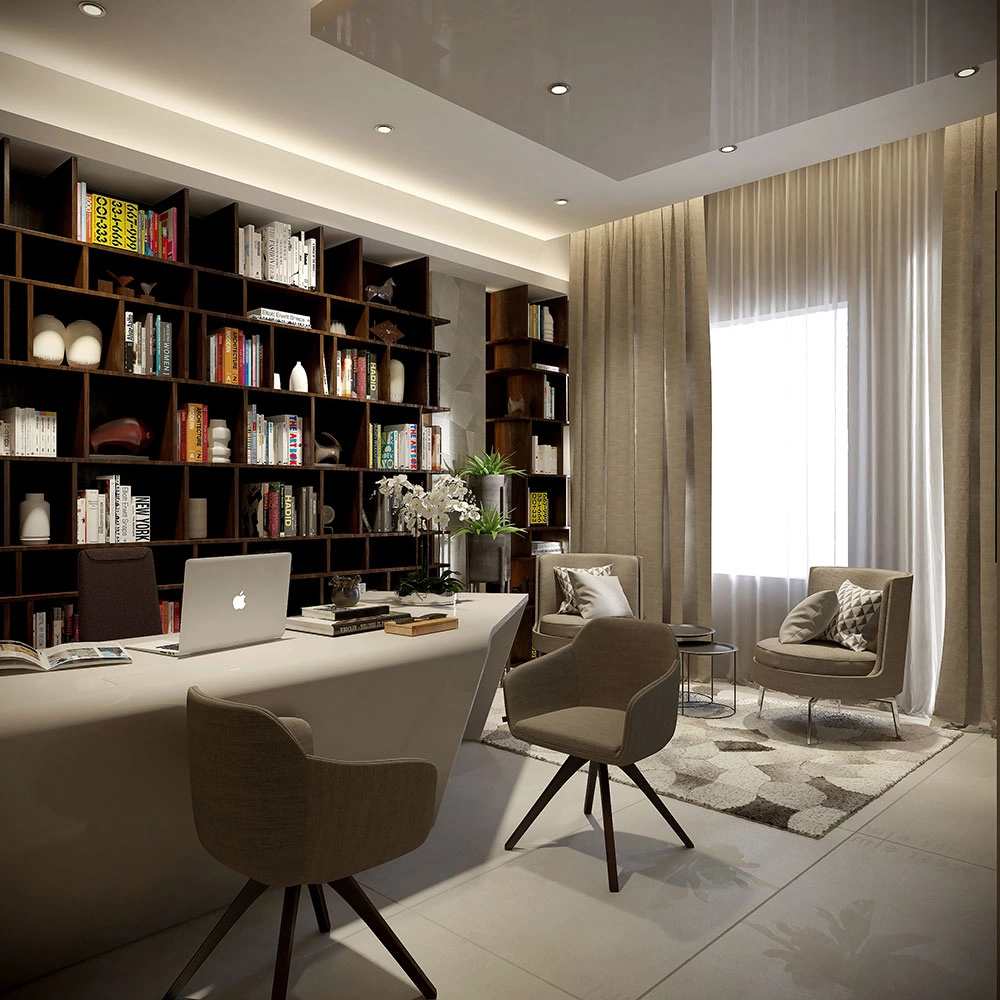
Furniture designers balance form and function by starting with how a piece will actually be used, then shaping its structure, materials, and proportions around that use before finalizing how it looks. Understanding what furniture design actually involves helps explain why this balance isn’t a trade-off, it’s solved together, usually through early sketches tested against real ergonomics and confirmed with a prototype before anything gets built at scale.
This guide is written for UAE homeowners, villa owners, and hospitality or commercial business owners working in the interior and furniture design space, specifically at the point of evaluating a custom furniture proposal or briefing a designer for the first time. The main takeaway: good furniture design never sacrifices comfort or durability for looks, or looks for practicality. It resolves both through a deliberate design sequence, not luck.
A chair can look stunning and still hurt to sit in. A sofa can be endlessly comfortable and still look like a shapeless blob in your living room. Good furniture design avoids both traps by treating form and function as one problem with one answer.
- Form is how a piece looks. Function is how well it works. Good design refuses to sacrifice either.
- The two conflict most often around comfort, durability, and available space, not randomly.
- Designers resolve this by starting with use, not aesthetics, then layering in structure, materials, and proportion.
- In the UAE, heat, humidity, and smaller living footprints actively reshape what “balanced” furniture looks like.
- This guide supports UAE homeowners and business owners at the evaluation or design-brief stage of a custom furniture project, in the interior and furniture design industry specifically.
What Do “Form” and “Function” Actually Mean in Furniture Design?
Form refers to how a piece looks: its shape, proportion, and visual character. Function refers to how well it performs its job: comfort, durability, and usability.
A dining chair’s form includes its silhouette, the curve of its backrest, and how it reads visually in a room. Its function includes whether someone can sit in it for two hours without discomfort, whether it holds weight safely, and whether it survives daily use. Neither one is “more important.” A piece that nails only one of these is a failed design, not a stylistic choice.
Why Do Form and Function Sometimes Conflict?
They conflict when a visual goal and a practical requirement point toward different solutions, most often around comfort, durability, and space.
A few recurring tension points show up across almost every furniture project:
- Comfort vs. silhouette: A slim, sculptural chair often needs padding or angle adjustments that thicken its profile.
- Durability vs. delicacy: Fine detailing and thin structural elements can look elegant but compromise long-term strength.
- Space efficiency vs. visual weight: A compact piece for a small apartment can end up looking cramped or underwhelming if scaled down carelessly.
- Material beauty vs. material performance: A material chosen purely for its look may not hold up to daily use or local conditions.
None of these tensions are design failures on their own. They only become failures when one side gets ignored entirely.
How Do Furniture Designers Actually Balance the Two?
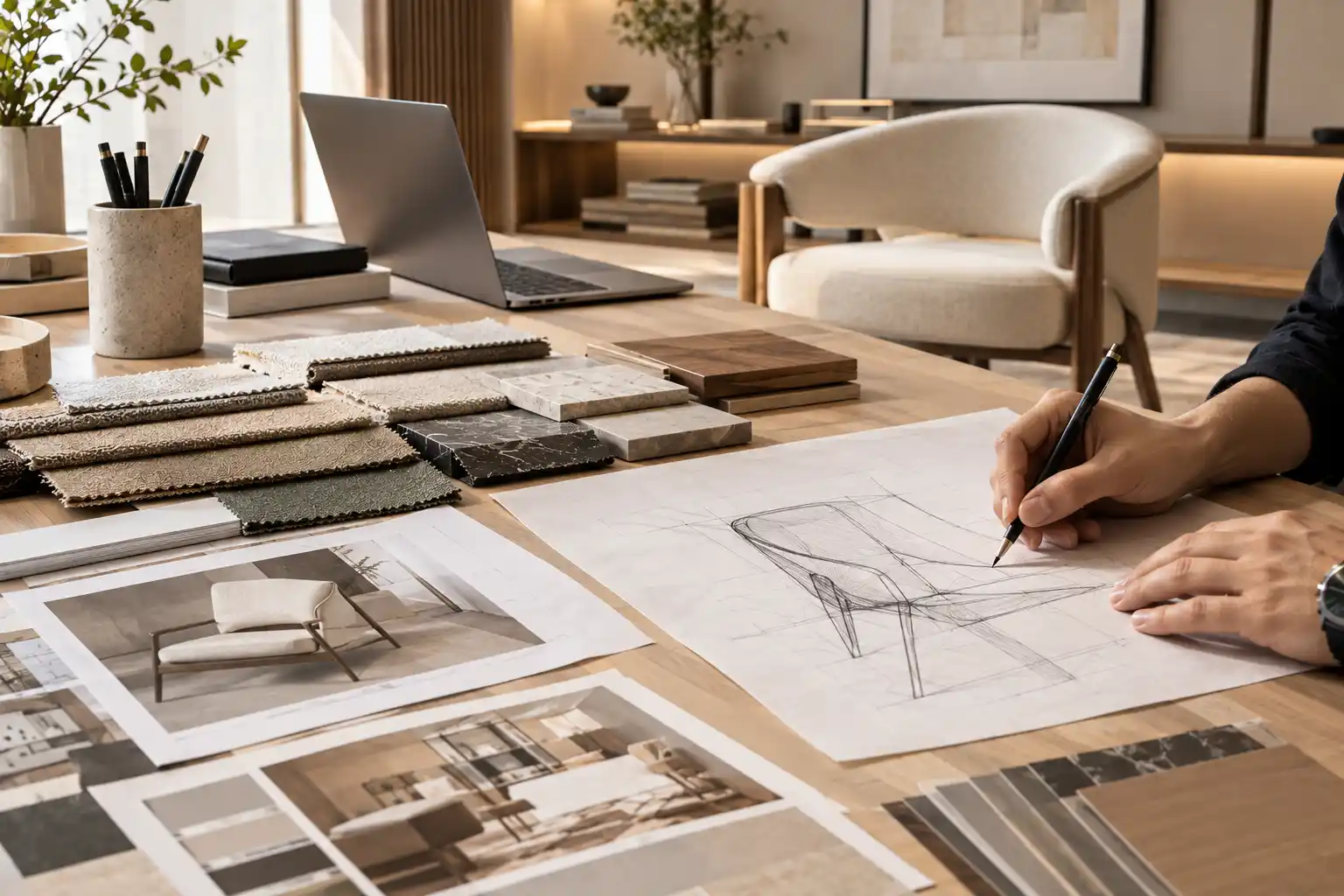
Designers balance form and function by working through a sequence: understanding use, letting structure guide shape, testing ergonomics early, and confirming everything with a physical prototype before finalizing the design.
Start With How the Piece Will Be Used
Before any sketch happens, a designer asks who will use the piece, how often, and in what setting. A dining chair for daily family meals needs different priorities than an occasional accent chair. This single decision shapes everything that follows.
Let Structure Inform the Shape
Good form often grows out of function rather than being layered on top of it. The curve of a chair back that supports the spine correctly can become the piece’s most distinctive visual feature, not a compromise hidden behind it.
Test Comfort and Ergonomics Early, Not Late
Ergonomics gets checked at the sketch and prototype stage, not after fabrication. Seat height, depth, and angle all get tested against real human proportions before a design is locked in.
Choose Materials That Serve Both Goals
Material choice is where form and function most visibly meet. A guide to custom furniture materials in the UAE explains how local heat and humidity narrow down which materials genuinely perform well here, regardless of how they look in a showroom.
Use Proportion and Scale to Unify Looks and Utility
A piece that’s the right size for its space looks intentional. One that’s oversized or undersized reads as a mistake, no matter how refined the design otherwise is. Proportion is often what separates a piece that merely looks good from one that looks right.
Refine Through Prototypes, Not Just Drawings
A drawing can look balanced and still feel wrong once built at full scale. This is why prototyping matters so much. It catches proportion and comfort problems while they’re still cheap to fix, well before a piece reaches full production.
How Do You Know If a Design Has Lost Its Balance?
A design has lost its balance when it clearly favors looks over use, or use over looks, and the signs are usually easy to spot once you know what to check.
| Too Much Form | Too Much Function | |
|---|---|---|
| What it looks like | Striking, sculptural, visually bold | Plain, boxy, purely utilitarian |
| Common complaint | Uncomfortable, fragile, or impractical | Boring, doesn’t suit the room |
| Where it shows up | Statement chairs, decorative tables | Basic storage units, generic office furniture |
| Root cause | Ergonomics or durability skipped for looks | Aesthetics never considered during planning |
| Fix | Revisit proportions and materials for use | Reintroduce shape, texture, or detailing |
If a piece leans hard toward either column, it’s worth asking a designer directly how they addressed the other side before committing to it.
How Does the UAE’s Climate and Lifestyle Affect This Balance?
UAE conditions push the balance further toward durability and space efficiency than in milder climates, without homeowners having to give up on style.
- Heat and humidity narrow material choices. Current UAE market research puts wood at roughly 45 to 50 percent share of the luxury furniture market, valued partly because it balances warmth and visual appeal with reasonable durability when properly treated for local conditions.
- Getting material choice wrong is expensive. Industry data suggests reactive replacement of poorly specified furniture materials in the region can cost 15 to 40 percent more than choosing the right material from the start, a real cost of letting form outrun function.
- Smaller footprints demand smarter form. Apartments and urban villas increasingly call for multi-functional pieces that don’t sacrifice visual presence just because they need to do more than one job.
- Indoor-outdoor living blurs the line further. Furniture that moves between a shaded terrace and an interior space needs a form that reads well in both settings, and a build that survives both.
Our guide on furniture design for specific spaces and our piece on flexible, multi-purpose living furniture both go deeper into how these constraints shape real UAE homes.
What Mistakes Break the Balance Between Form and Function?
A few recurring mistakes tip furniture too far toward one side, and most are avoidable with earlier planning.
- Choosing a striking silhouette before checking whether it’s structurally sound
- Skipping a comfort test because the sketch already looked finished
- Selecting a material for its look without checking how it performs in UAE heat and humidity
- Scaling a design down for a small space without rethinking its proportions
- Treating joinery and structural detailing as an afterthought once the shape is set
Our broader breakdown of interior design mistakes to avoid covers several patterns that apply just as much to furniture as to full interiors. Structural decisions like joints and load points, covered in our guide to custom joinery in Dubai, are often where this balance quietly gets decided.
Frequently Asked Questions
Q1: Who is this guide for, and when should I use it?
A: This is for UAE homeowners, villa owners, and business owners in the custom furniture and interior design space, best read before commissioning a piece or while comparing design proposals from different designers.
Q2: Is form or function more important in furniture design?
A: Neither. A piece that excels at only one is considered a failed design, not a stylistic preference. Good furniture design treats both as non-negotiable.
Q3: Can a piece be both highly decorative and highly functional?
A: Yes, but it takes deliberate planning from the start. Decorative elements that grow out of structural or ergonomic needs, rather than sitting on top of them, tend to succeed at both.
Q4: Does prioritizing durability always mean sacrificing style?
A: No. UAE-appropriate materials like treated wood and performance fabrics are chosen specifically because they hold up to local conditions without giving up visual warmth or quality.
Q5: How can I tell if a furniture proposal is well balanced before it’s built?
A: Ask directly how the designer addressed comfort, structural strength, and material performance, not just how the piece will look. A confident designer can answer all three without hesitation.
Q6: Does this apply to both custom pieces and off-the-shelf furniture?
A: The principle applies to both, but custom furniture gives a designer far more control to resolve the balance specifically for your space, use, and climate, which off-the-shelf pieces can’t always account for.
Conclusion
Form and function were never meant to compete. The best furniture design treats them as one problem with one answer, not two separate goals pulling in different directions. A piece that looks right usually does so because it was built to work right first. In the UAE, where heat, humidity, and smaller living spaces all raise the stakes, that balance matters even more than it does elsewhere.
Ready for Furniture Built Around How You Actually Live?
If you’re planning a custom piece for your home or business, La Firma’s furniture design team can walk you through how form and function come together for your specific space.