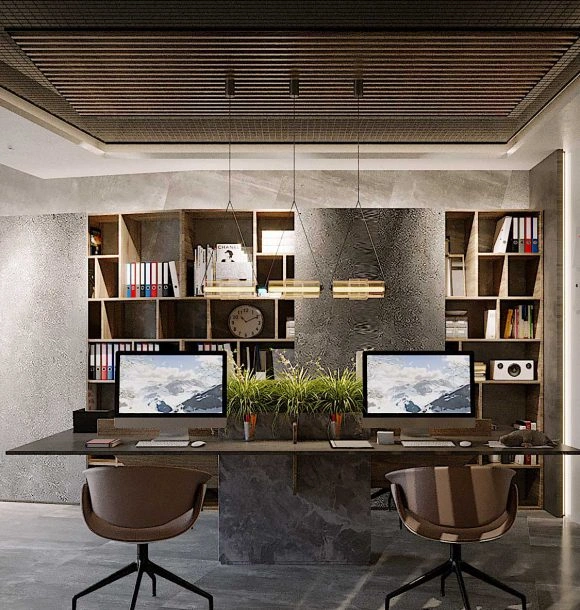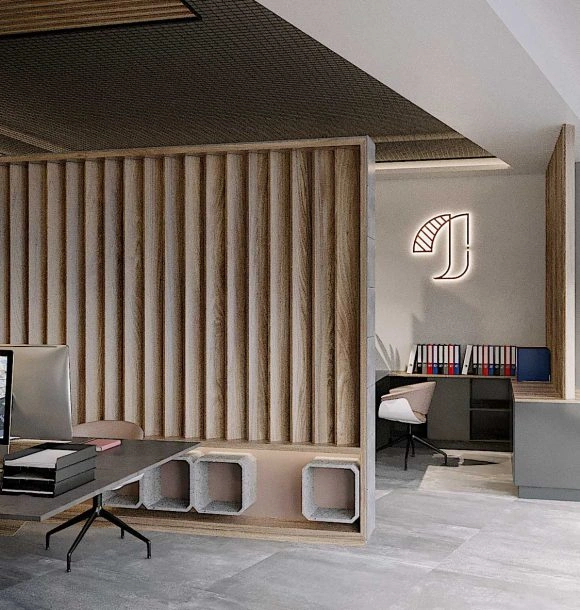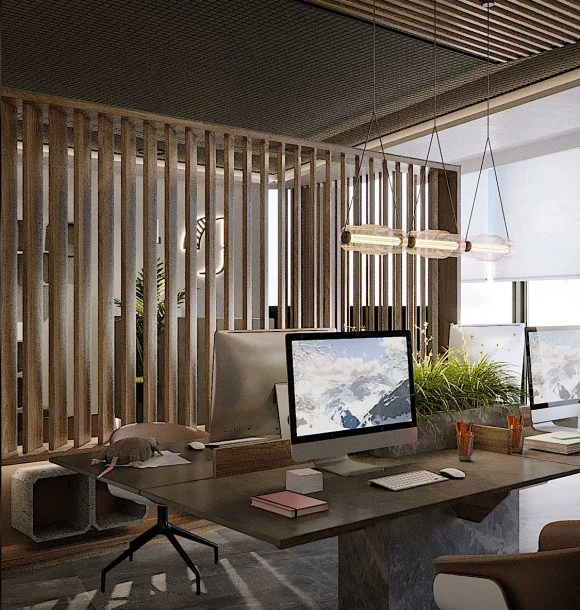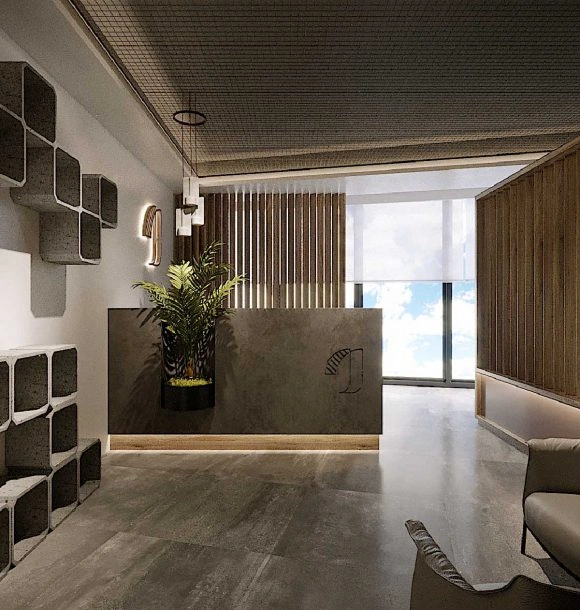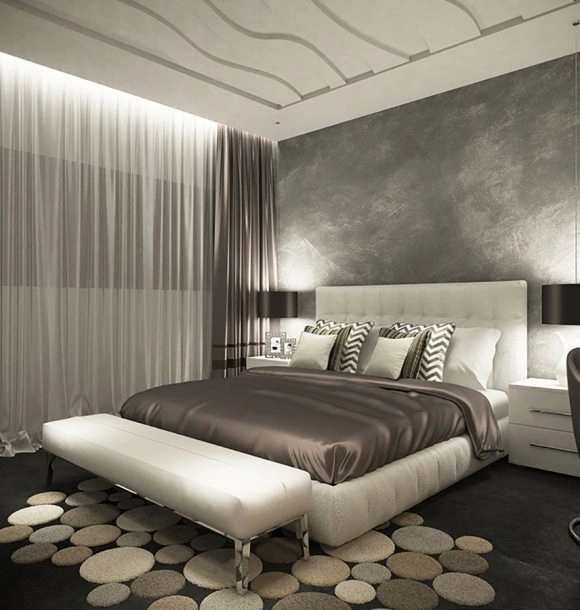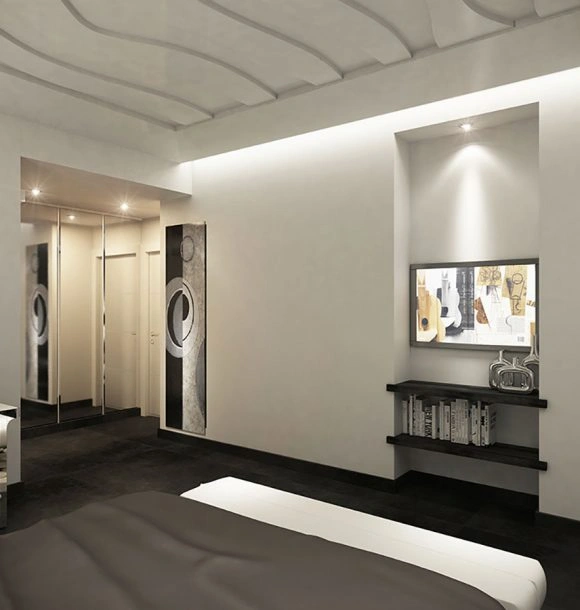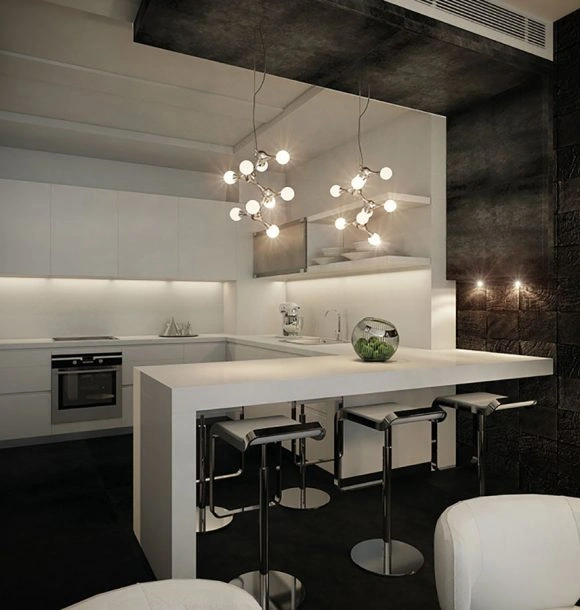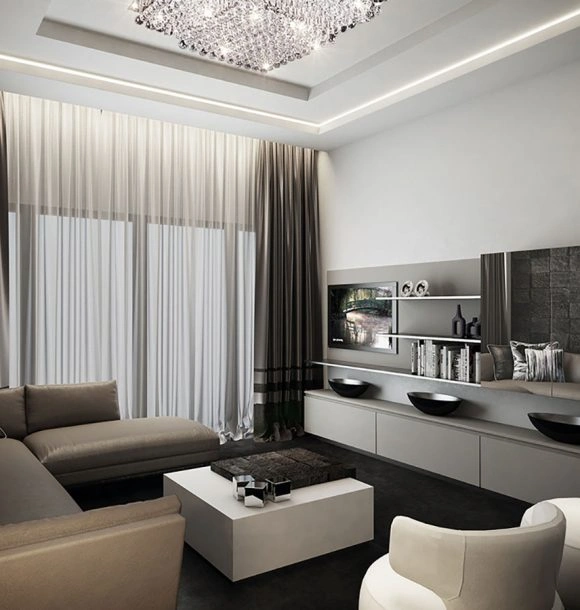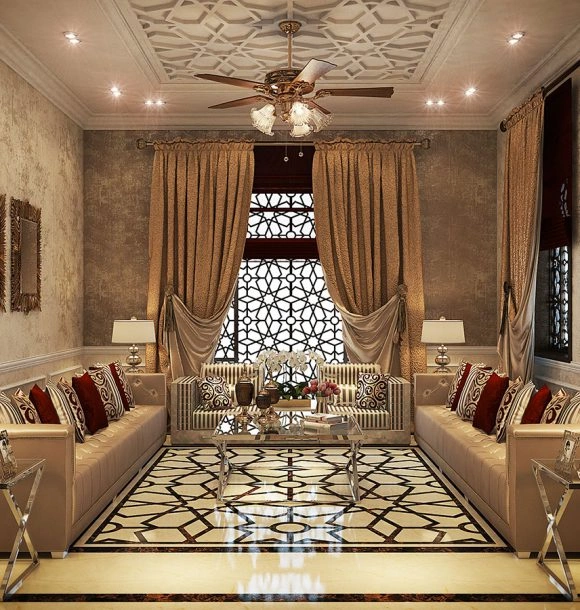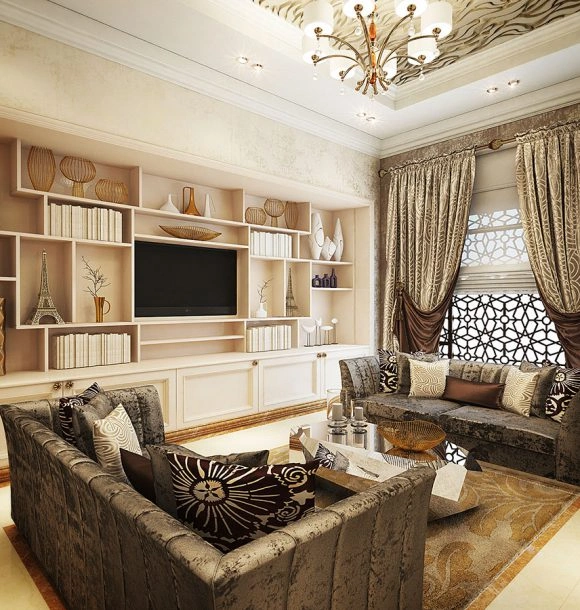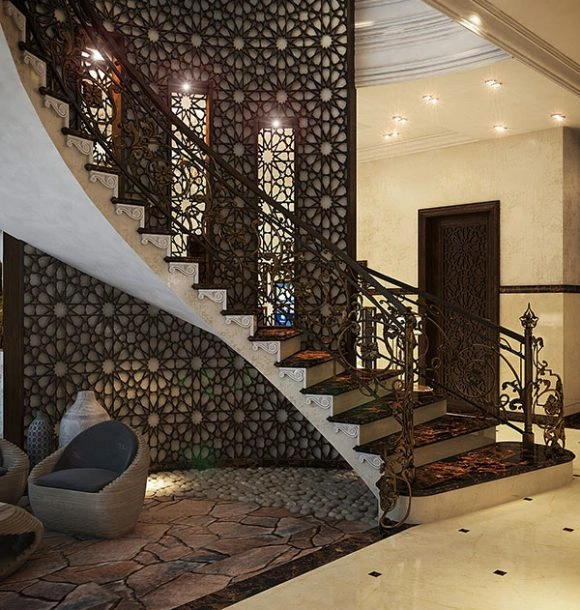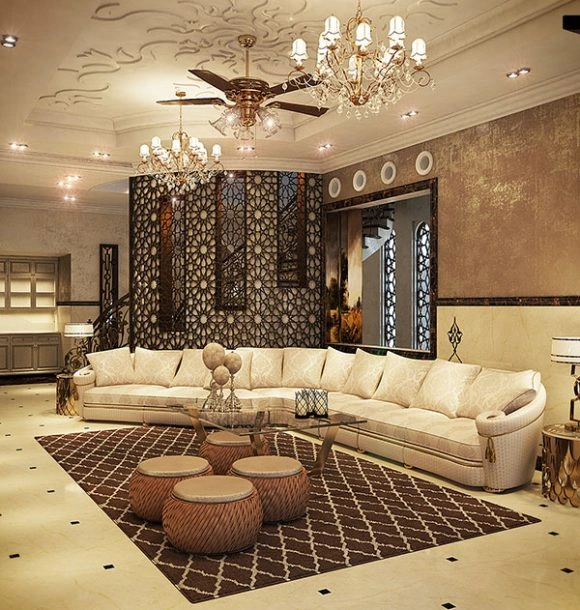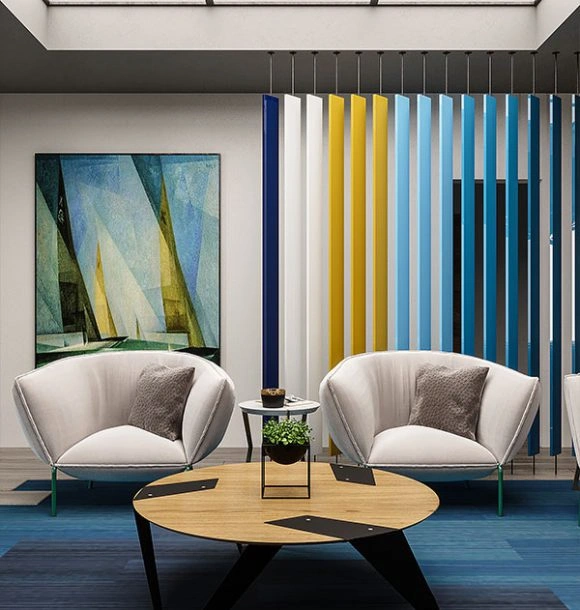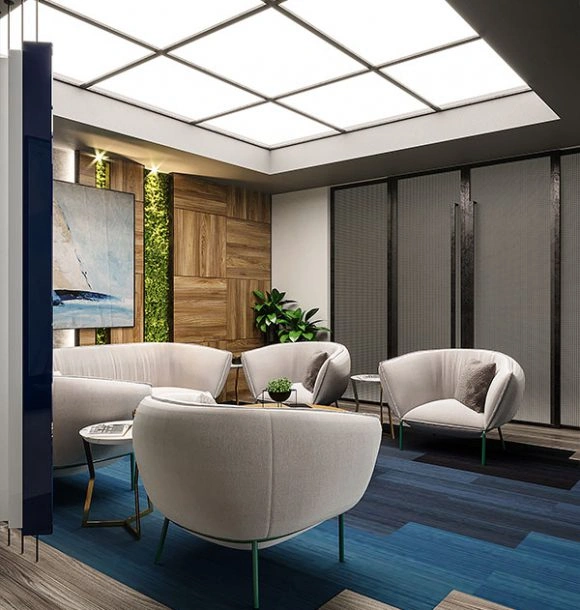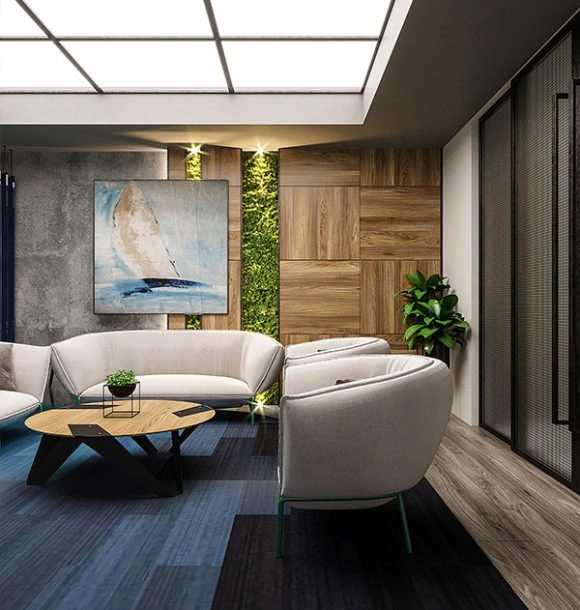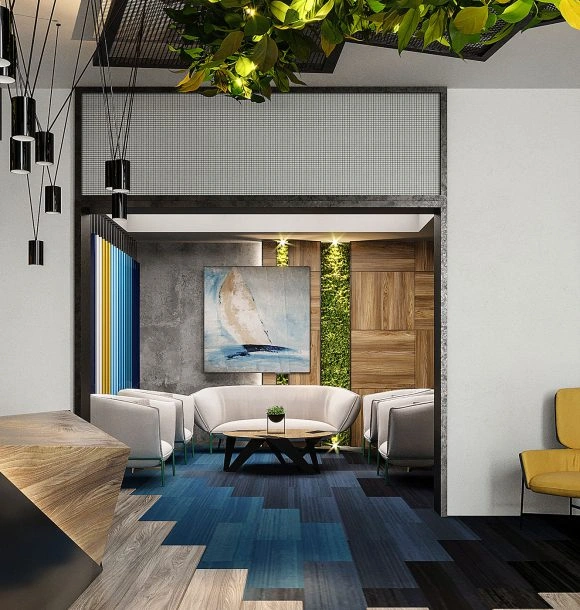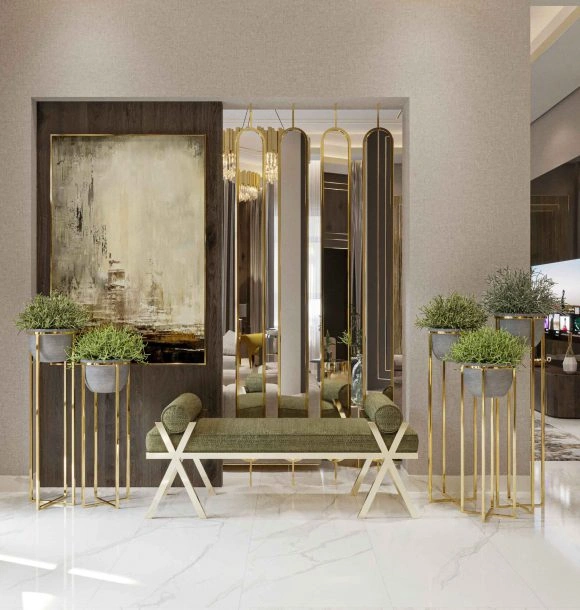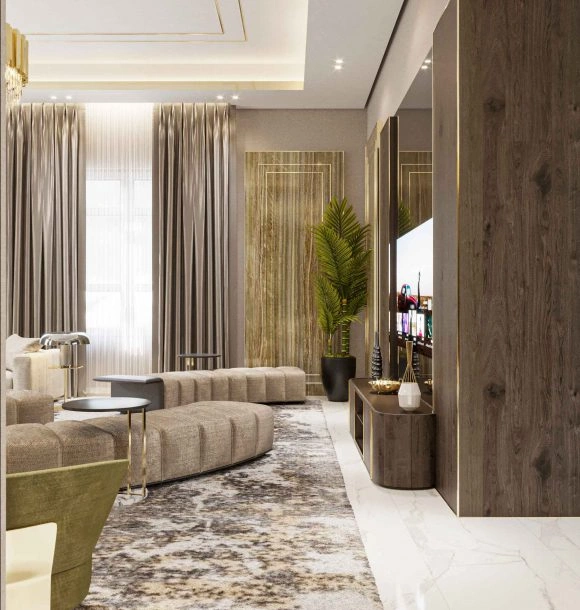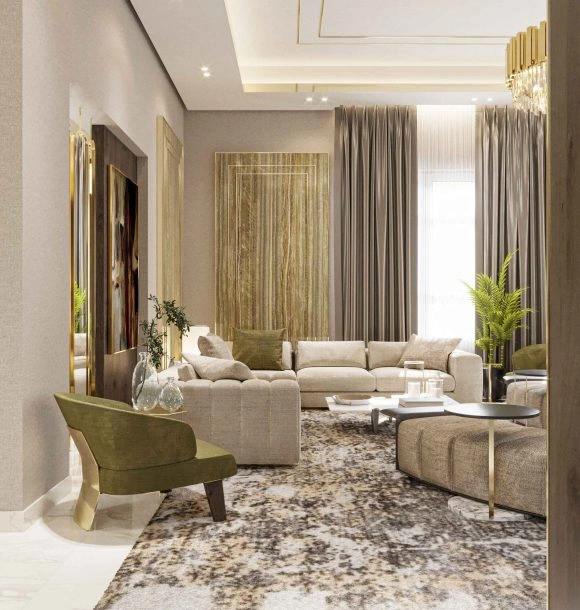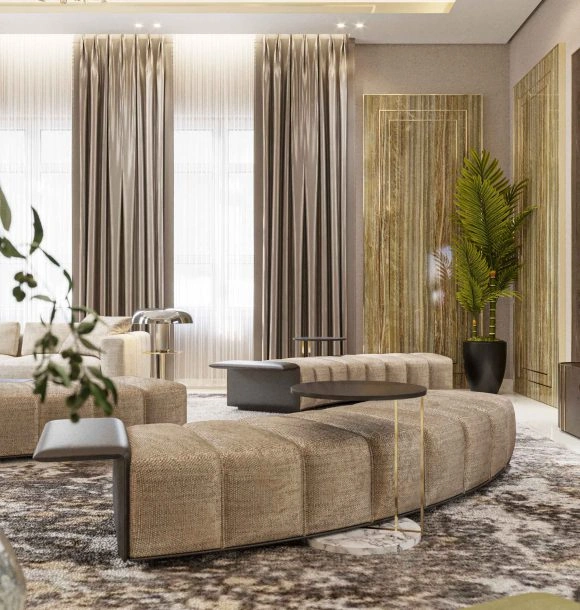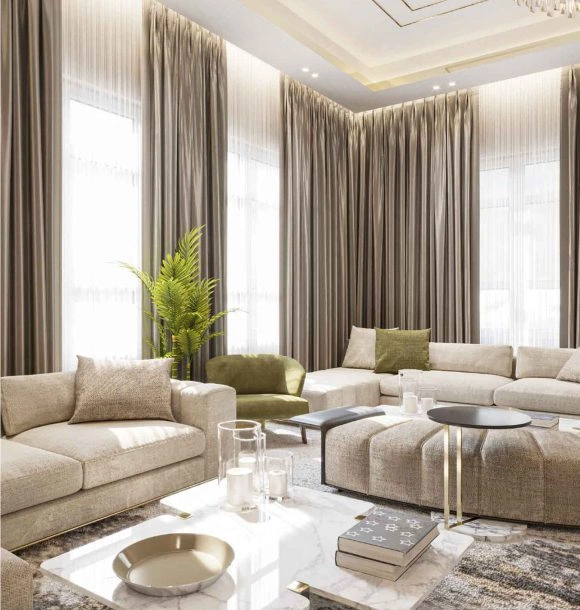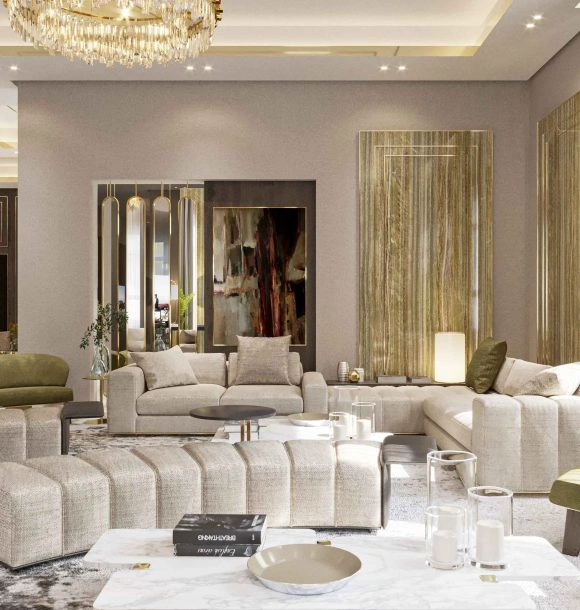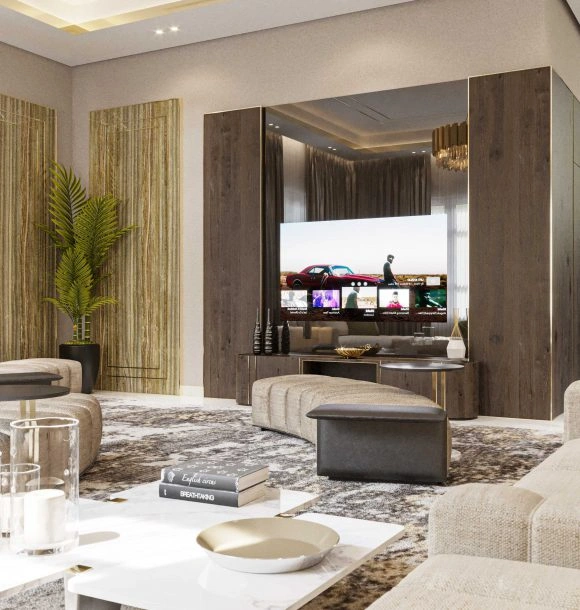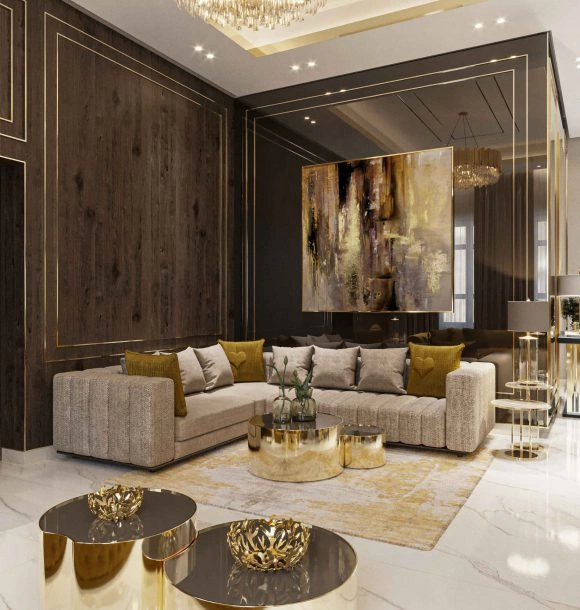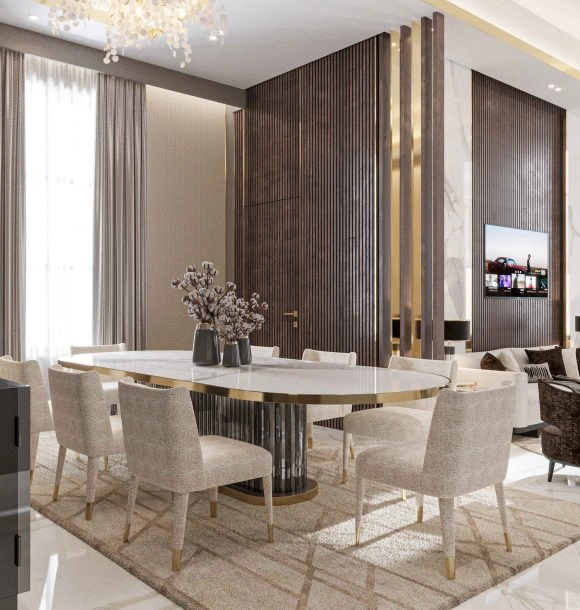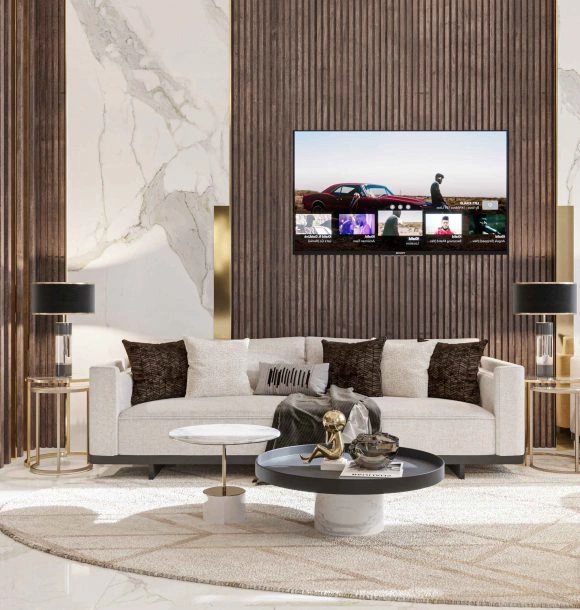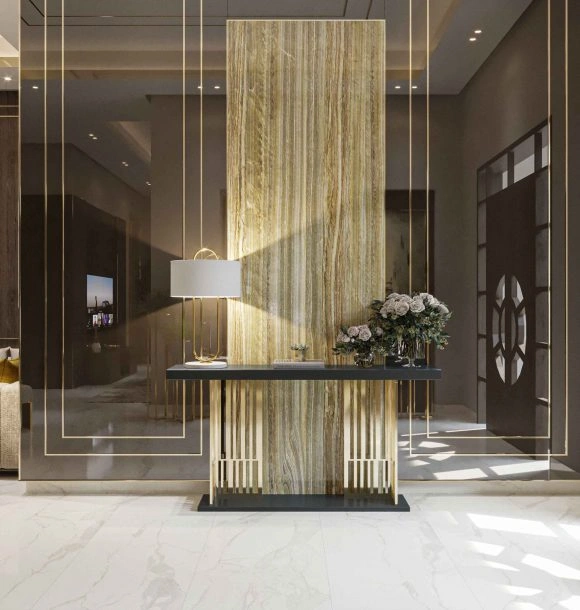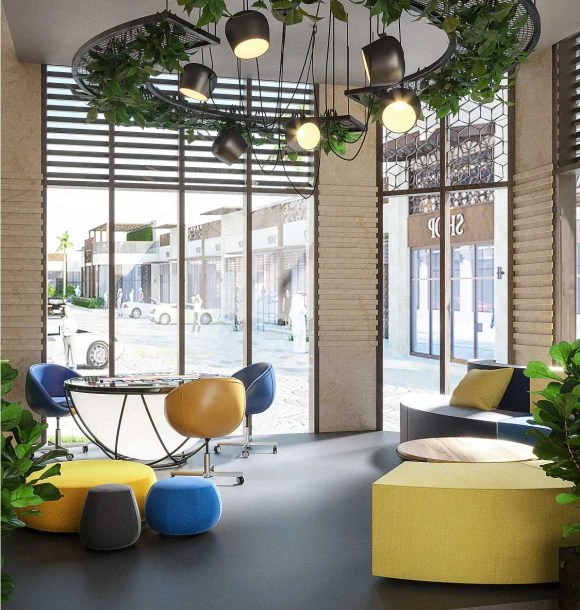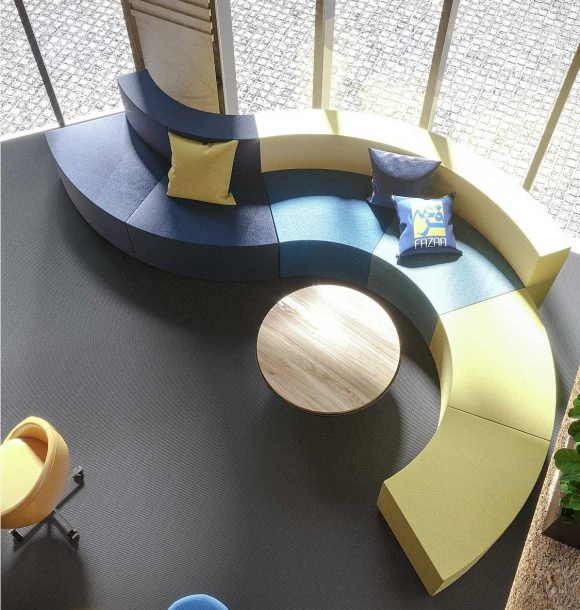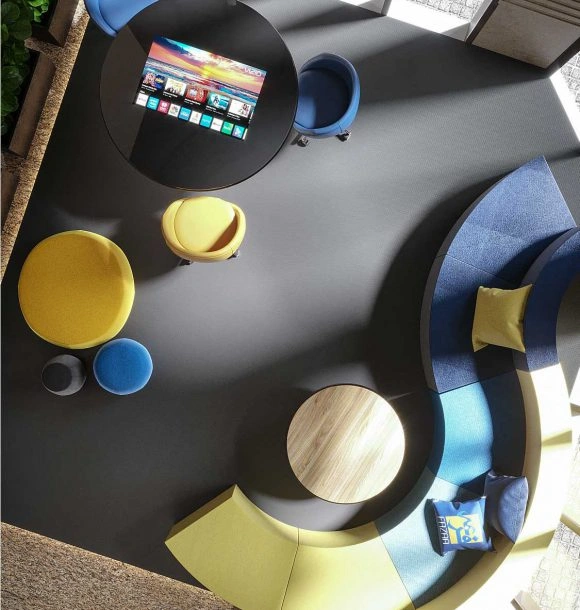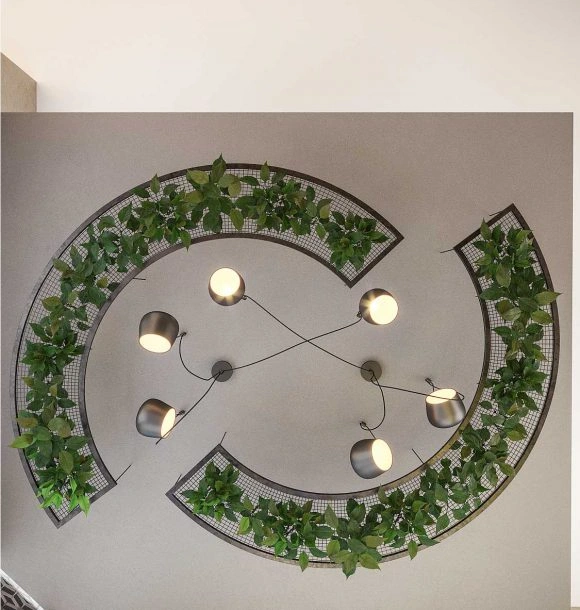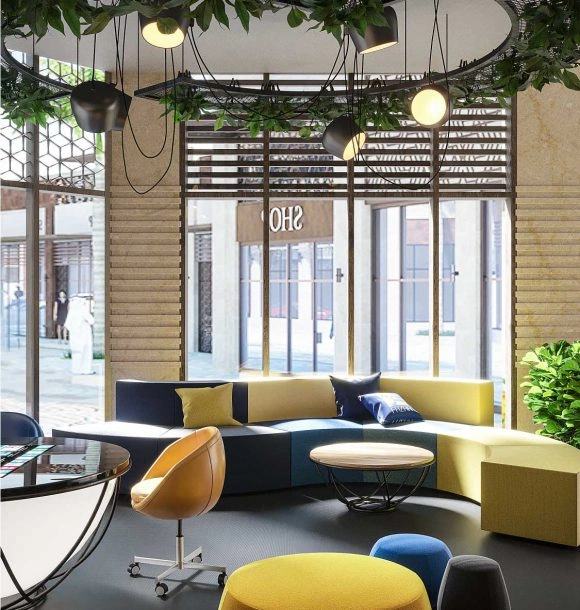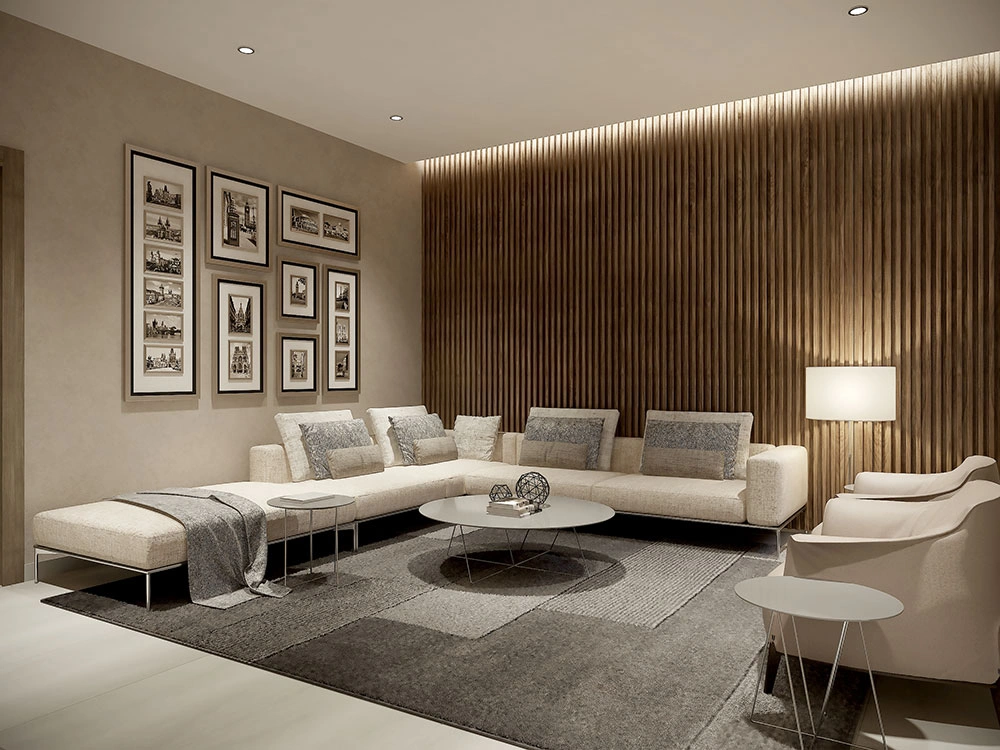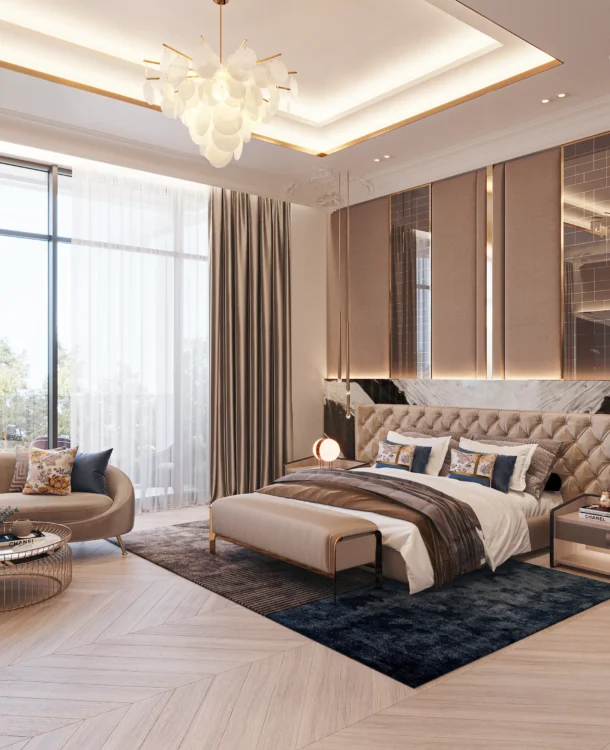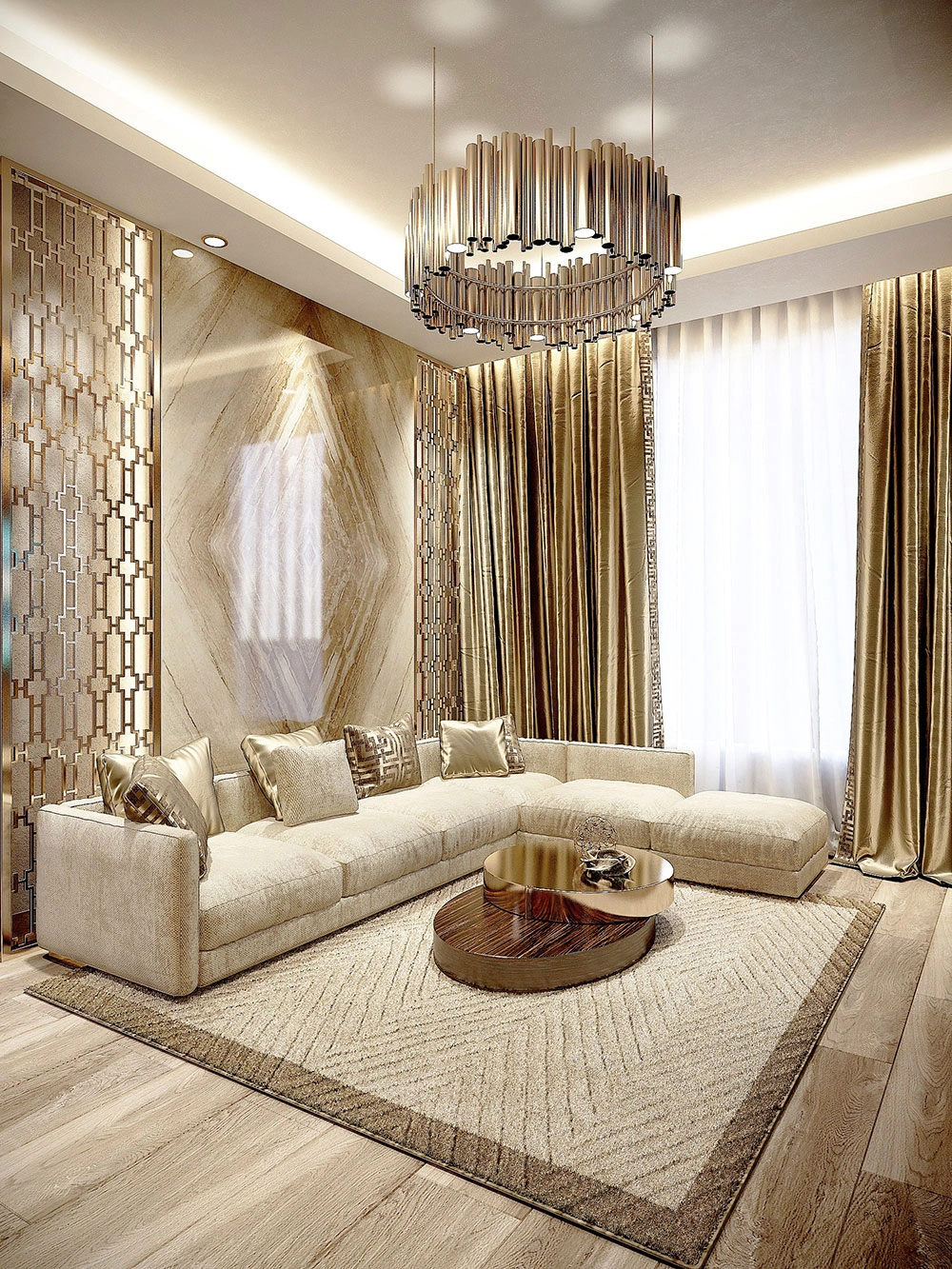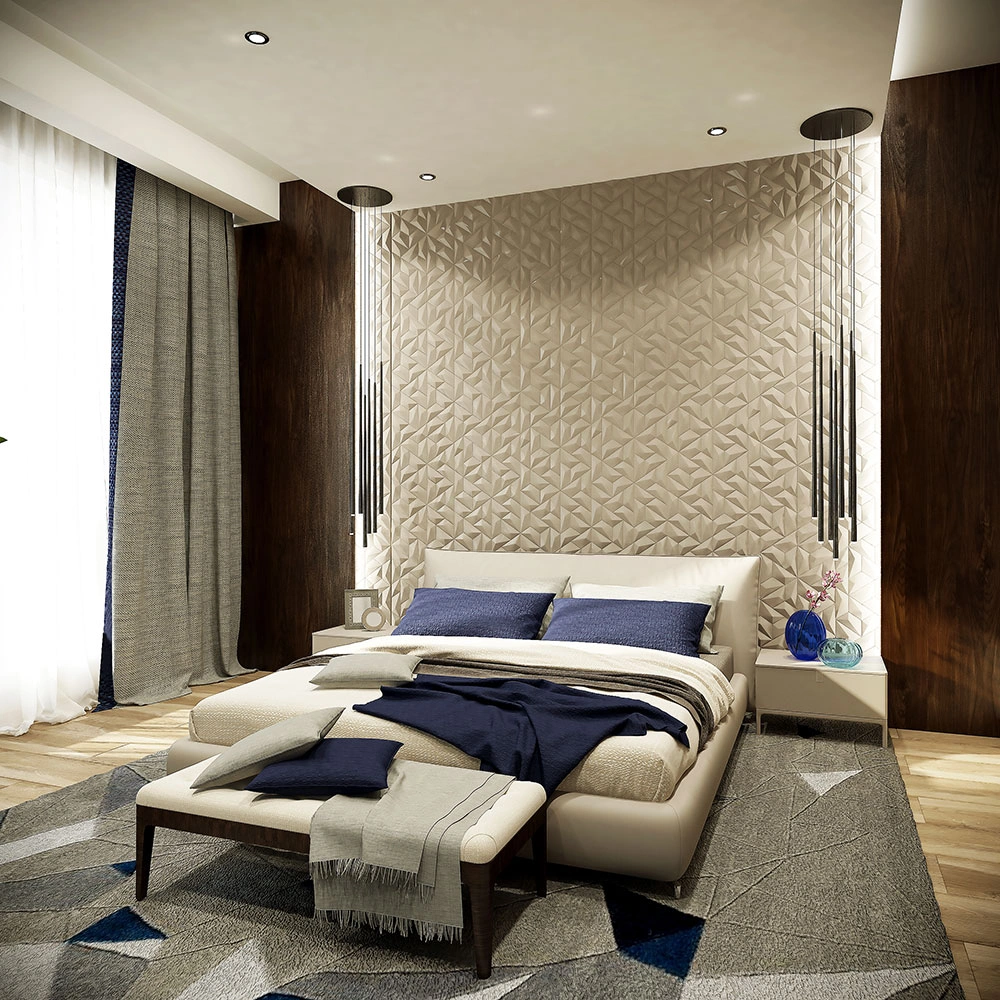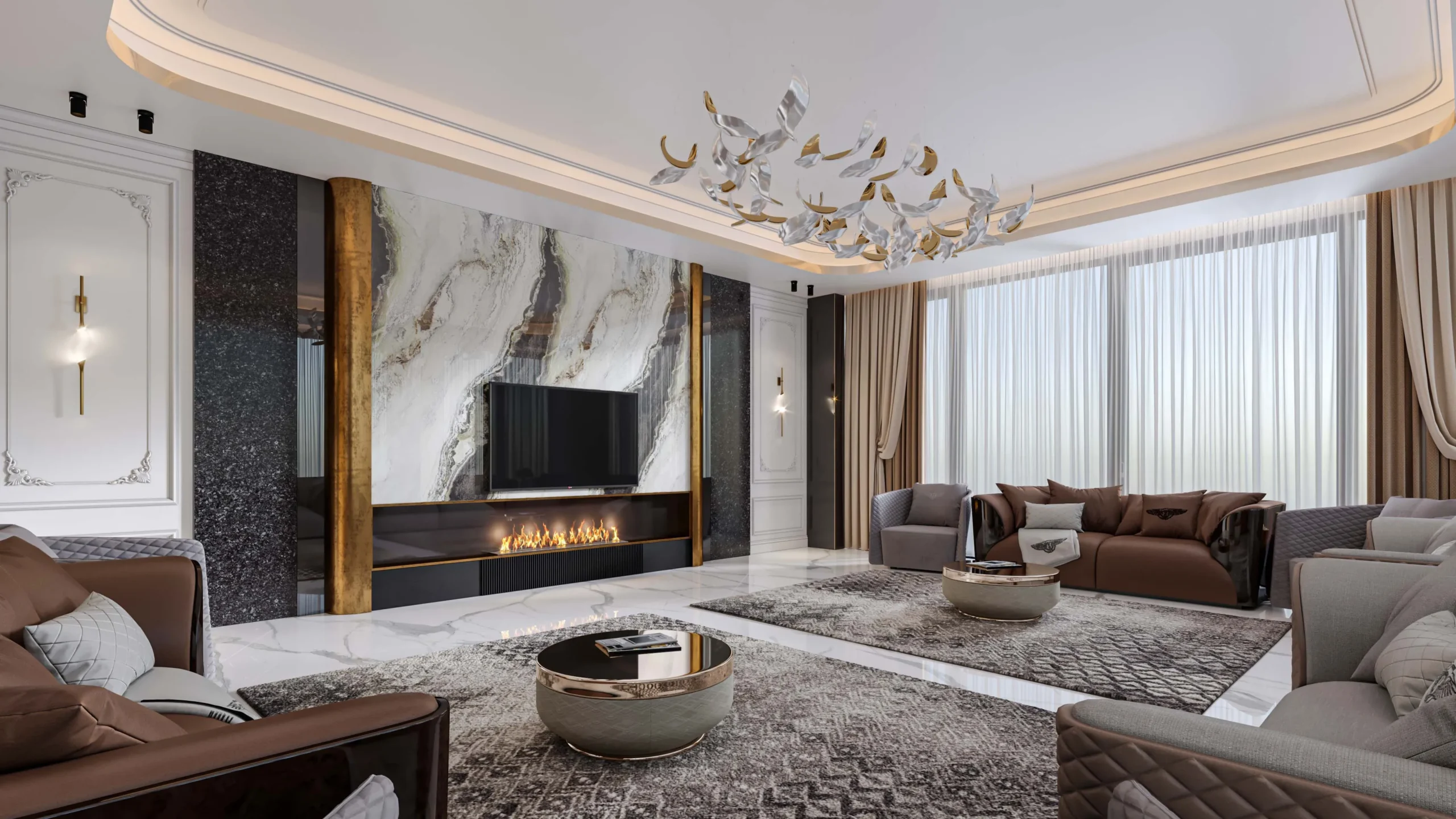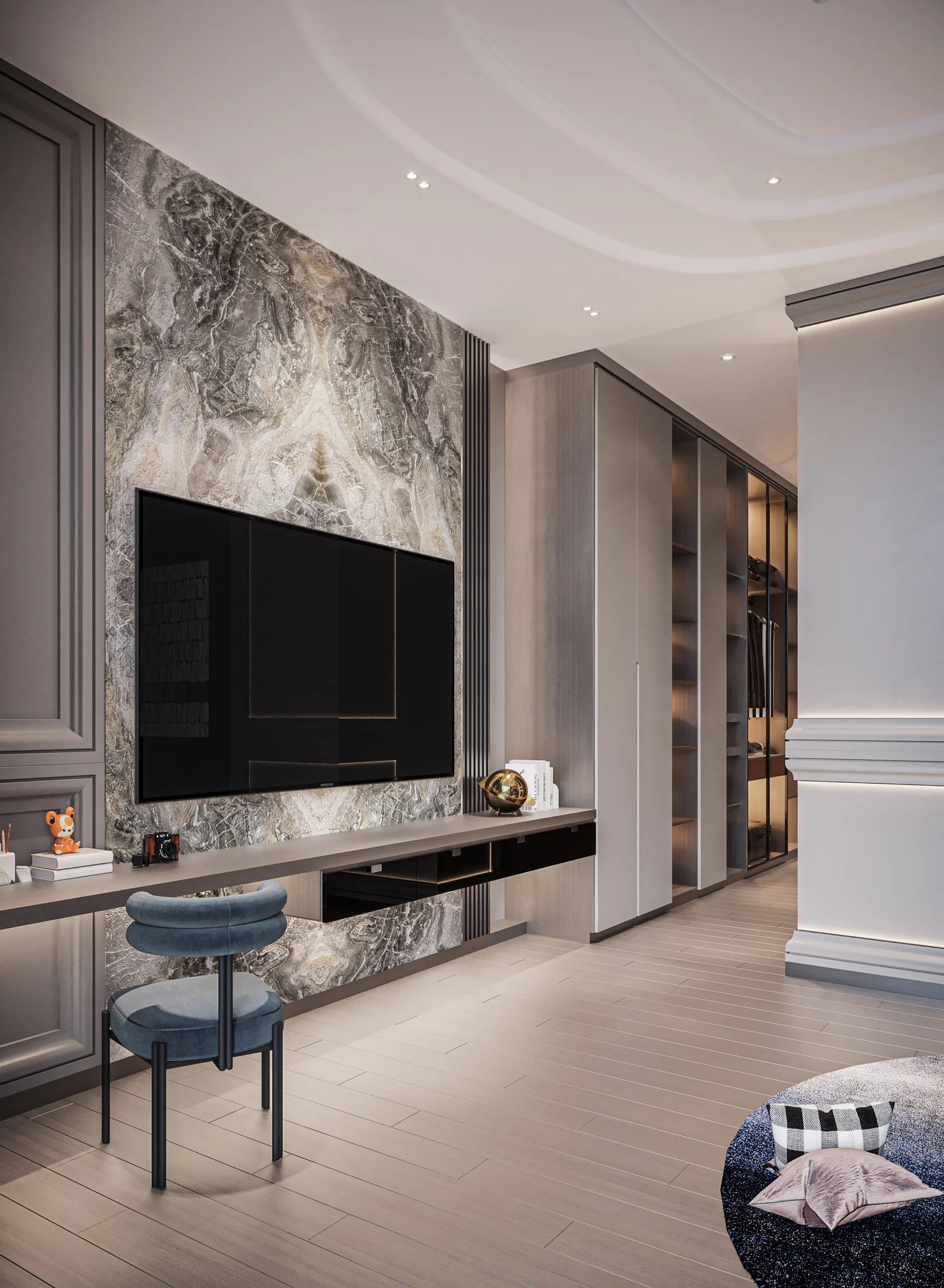
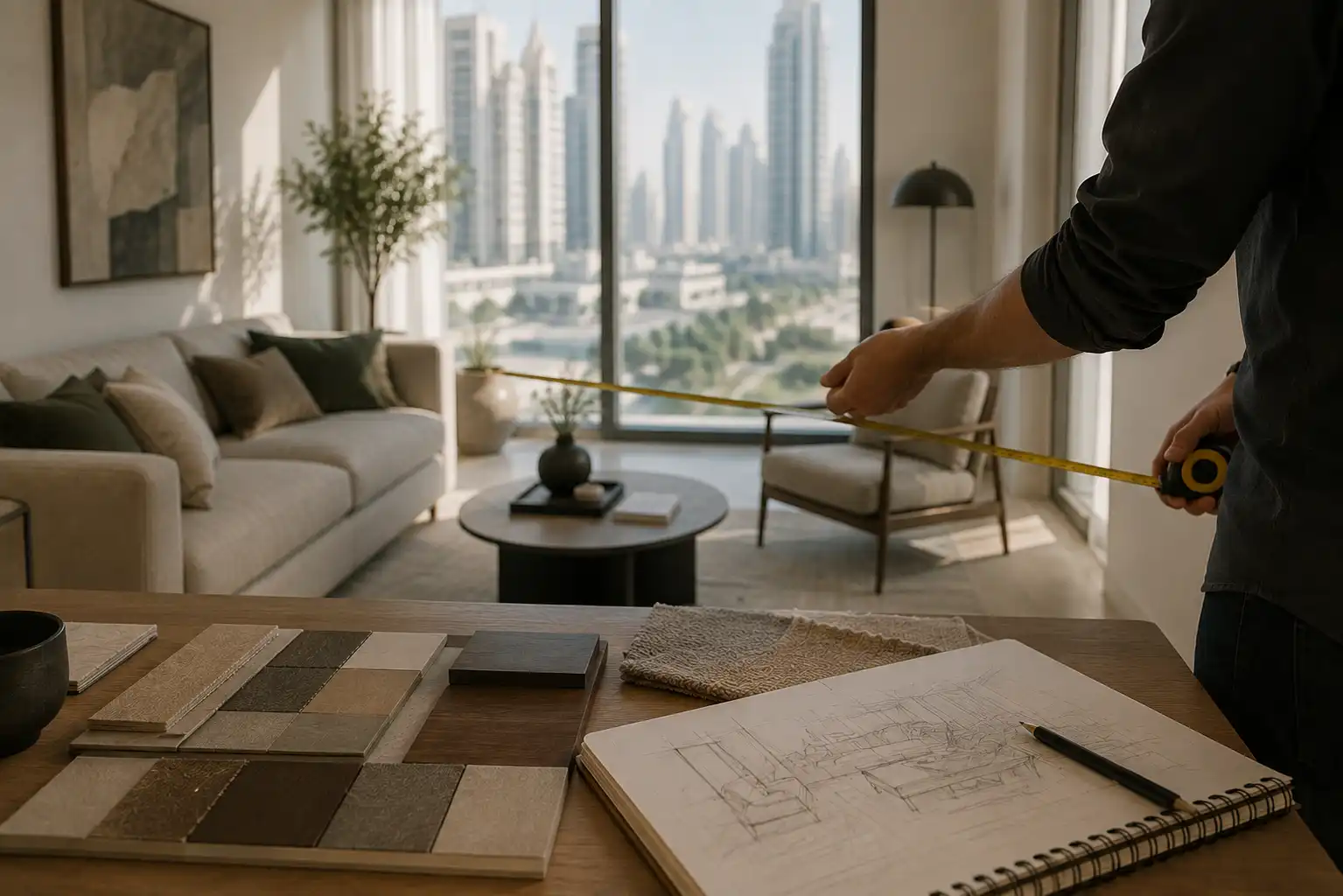
A designer builds furniture around the room itself, not the other way around. That means measuring the space first, understanding how you actually use it day to day, and only then moving on to materials and style. Skip that order, and you usually end up with a piece that looks great in a showroom but never quite feels right at home.
You’ve probably bought a sofa or a cabinet that looked perfect in the store, then spent an afternoon trying to get it through a doorway. Or watched it sit awkwardly in a corner, too big for the room but somehow still not filling it right. That gap between showroom furniture and real spaces is exactly what custom furniture design is meant to close.
This matters more in the UAE than people realize. Villa layouts, apartment floor plans, and office footprints vary a lot across Dubai, Abu Dhabi, and Sharjah. Two apartments in the same building can have completely different window placements or ceiling heights. A piece that works beautifully in one home often just doesn’t translate to another.
So how does this actually work in practice? Below is a walkthrough of how furniture gets designed for a specific space, starting with the first measurement and ending with the material on the piece in front of you.
Furniture design for a specific space works backward from the room, not forward from a catalog. Measurements and daily use come first. Style comes last, and that order matters more than most people expect.
What Does It Mean to Design Furniture for a Specific Space?
It means every dimension, every material, and every function ties back to that exact room. It’s the opposite of buying something off the shelf and hoping it fits.
A designer treats the room itself as the brief. Ceiling height, wall angles, door swing, window placement, even which way the light falls in the afternoon, all of it shapes what a piece of furniture can become. Two rooms that are technically the same size rarely end up with the same solution, because their layouts and light almost never match.
This is a different process from furniture design in general. General furniture design usually starts with a concept, a trend, or a market gap. Space-specific design starts with a physical room and works outward from there.
How Do Designers Actually Start This Process?
They start by measuring, then they watch how people live. Skip either step, and the furniture might look right on paper but feel wrong once it’s actually in the room.
Measure the Space First
Every project starts with real numbers. Wall lengths, ceiling height, door and window positions, and any structural obstacles like columns or ducting. In a lot of UAE apartments, AC ducting eats into usable ceiling height in ways people don’t notice until a tall wardrobe suddenly doesn’t fit.
These days, digital measurement tools let a designer capture a room accurately in a single visit. That’s cut down a lot of the back-and-forth that used to slow down custom furniture projects.
Watch How the Room Actually Gets Used
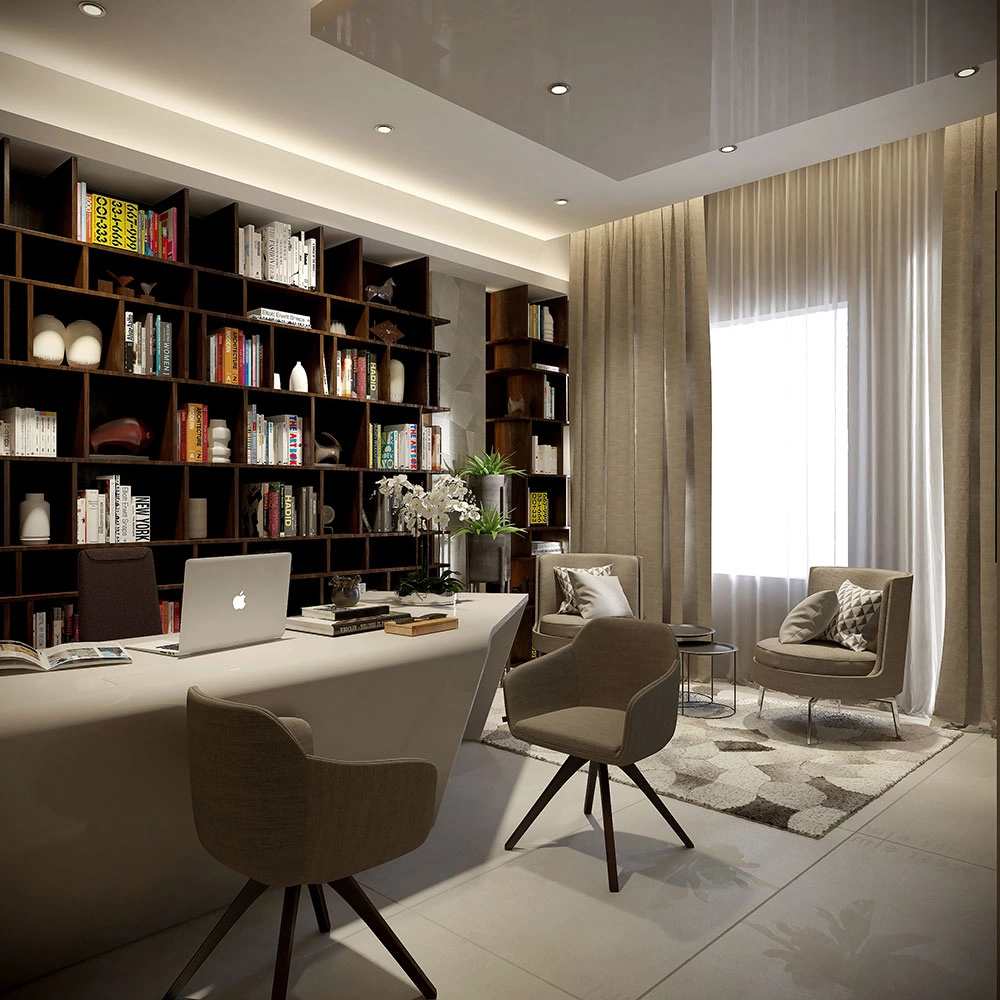
Numbers alone won’t tell you how a family lives. Does the living room host big gatherings, or does it stay quiet most nights? Is the home office also doubling as a guest room when relatives visit? These questions shape furniture choices just as much as the measurements do, sometimes more.
Let the Room’s Function Decide the Furniture
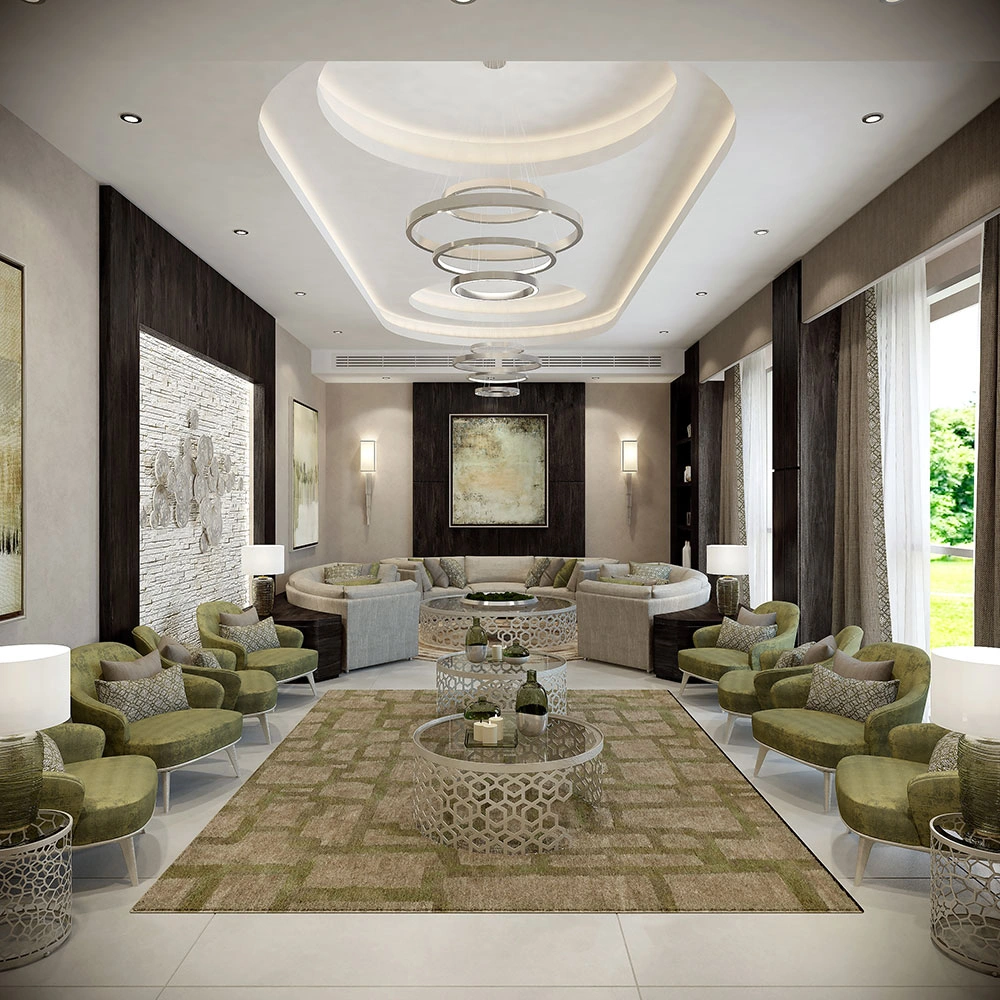
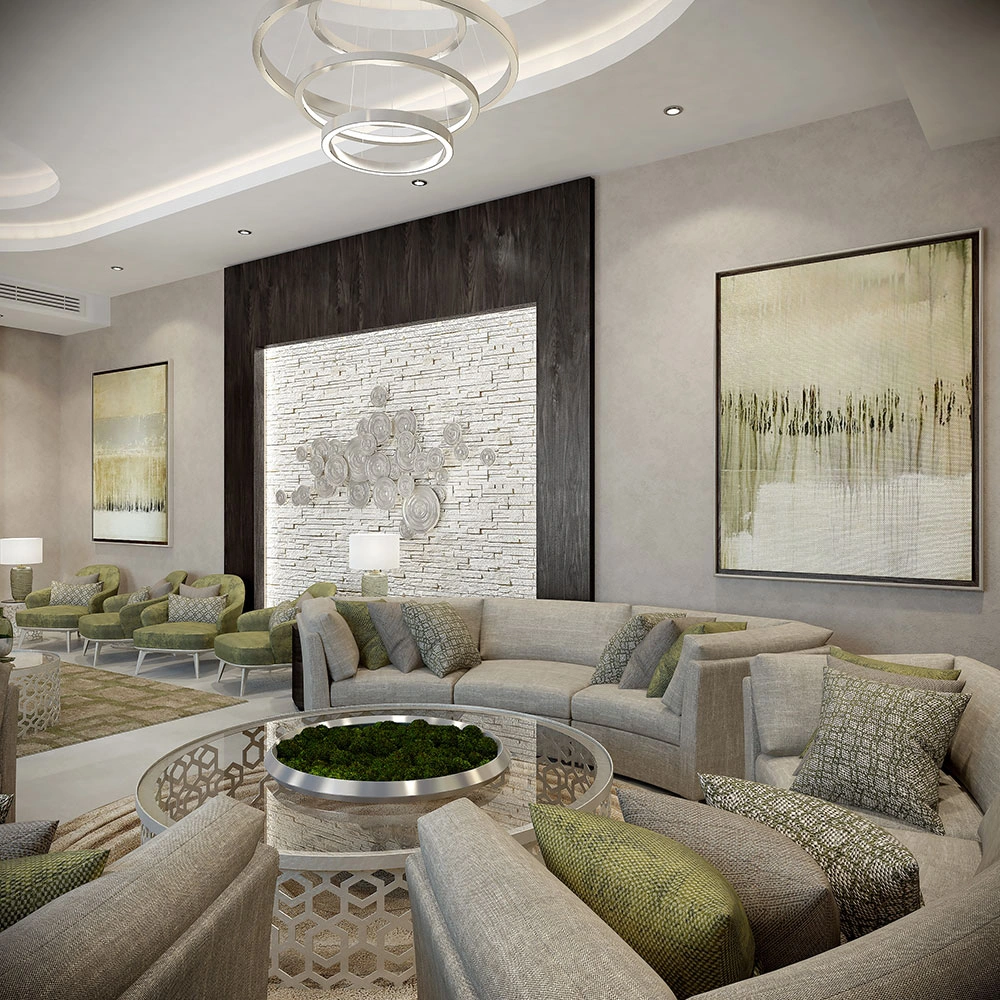
Once a designer understands the space and how it gets used, the furniture choices tend to follow naturally. A compact Dubai apartment living room might need a sofa with hidden storage. A villa’s formal majlis might call for low seating built around Arabic hospitality traditions. The room decides the furniture. Not the other way around.
How Does UAE’s Climate Affect Furniture Design?
Mostly through heat, humidity, and tight footprints, which push designers toward specific materials and layouts suited to the region. Strong sunlight fades fabrics and finishes faster here than in cooler climates, especially near the floor-to-ceiling windows common in Dubai apartments.
Humidity swings between seasons matter too. Wood and adhesives that expand or contract with moisture can warp over time if a designer doesn’t plan for the local climate from day one. That’s why UAE furniture designers often lean toward engineered woods and moisture-resistant finishes over solid timber, particularly in kitchens and bathrooms.
Space itself is the other big local factor. Many Dubai apartments and townhouses work with tighter footprints than similar properties elsewhere, which pushes multi-functional and built-in furniture higher up the priority list. A well-planned piece of custom joinery can often do the job of two or three separate items in a smaller room.
Custom Furniture vs. Ready-Made Furniture
| Factor | Custom Furniture | Ready-Made Furniture |
|---|---|---|
| Fit to the space | Built to exact measurements | Standard sizes, may not fit |
| Material choice | Tailored to climate and use | Fixed by the manufacturer |
| Lead time | Longer, usually several weeks | Immediate or short wait |
| Cost | Higher upfront investment | Lower upfront cost |
| Long-term value | Built around the room’s actual needs | Often replaced sooner |
Neither option wins every time. A standard guest room can usually work fine with ready-made pieces. But an oddly shaped living room, or a business fitting out a reception area, tends to get far more value from starting from scratch.
A Real Scenario: Furnishing a Small Dubai Apartment Living Room
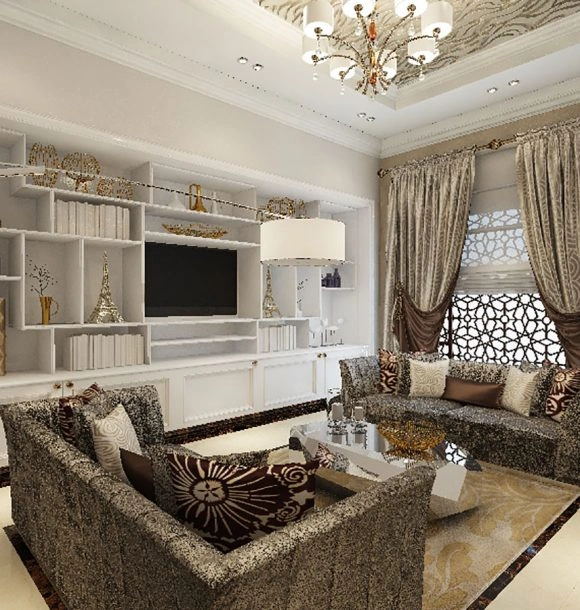
A homeowner in a one-bedroom Dubai Marina apartment came in with a living room just under 20 square meters, shared with a small dining nook. Every standard sofa she tried either swallowed the room whole or left an awkward gap by the balcony door.
The designer measured the space, checked how far the balcony door swung open, and spent time understanding how she actually used the room. Most evenings were quiet, just her and maybe a book. But every few weeks she’d host four or five friends. The solution ended up being a modular sofa that reconfigures for guests, paired with a low console that doubles as extra seating. Every piece respected the small living room layout instead of fighting against it.
Mistakes People Make With Space-Specific Furniture
The biggest one is buying furniture before the layout is finalized. It’s an easy trap. You see a piece you love, you buy it, and only later realize it blocks the natural walking path through the room or clashes with a door swing.
Another common issue is ignoring small layout mistakes that seem harmless at first. Pushing a large piece against the one wall with a window, for instance, blocks light and makes the whole room feel smaller than it actually is. People also underestimate clearance. A sofa might technically fit against a wall, but without enough space to walk in front of it, the room still feels cramped no matter how nice the piece looks.
Choosing style before function is the third trap. A beautiful chair that doesn’t match how a family actually sits and relaxes usually ends up as an expensive place to hang jackets within a few months.
What Drives the Cost of Custom Furniture?
Mostly material choice, design complexity, and how much custom joinery a piece needs. Solid wood and hand-finished detail cost more than engineered materials and simpler builds, but they often last longer in UAE conditions when someone chooses materials with the local climate in mind.
A lot of homeowners overspend on decorative details in pieces nobody really looks at closely, while underspending on the structural quality of the furniture they use every single day, like sofas and dining tables. Cutting corners on structural elements tends to backfire faster than cutting corners on a finish, since structural problems show up as wear and damage within a year or two.
Frequently Asked Questions
Q1: What does furniture design for a specific space actually involve?
A: It means measuring a room precisely, understanding how people use it day to day, and building furniture around those exact conditions. Style and material choices come after the functional plan, not before it.
Q2: Is custom furniture always better than ready-made furniture?
A: Not always. Custom furniture makes sense for oddly shaped rooms, tight spaces, or specific functional needs. Standard-sized rooms with common layouts often work fine with ready-made pieces at a lower cost.
Q3: How long does custom furniture design take in the UAE?
A: Most custom projects take a few weeks from the first measurement to final delivery, depending on material availability and how complex the design is. Larger or multi-piece projects can take longer.
Q4: Which materials work best for furniture in UAE homes?
A: Engineered woods, moisture-resistant finishes, and UV-stable fabrics generally hold up better than solid timber and untreated fabric in UAE conditions, especially near direct sunlight or in humid spots like kitchens.
Q5: Is it worth designing furniture around a small space instead of buying standard pieces?
A: For a genuinely tight or irregular room, yes. Custom-designed furniture makes use of every inch of an awkward layout, while standard pieces often leave wasted space or simply don’t fit.
CONCLUSION
Ready to Design Furniture That Actually Fits Your Space?
Furniture that works well in a room starts with the room, not with a catalog page. Measurements, daily habits, and UAE-specific material choices all shape a good design before style ever enters the picture. Skip that order, and you end up living with furniture that never quite feels right, no matter how good it looked in the shop.
If you’re planning a room, an office, or a whole home around furniture that actually fits how you live, La Firma’s home interior design team can walk through your space with you and build pieces around it, not the other way around.