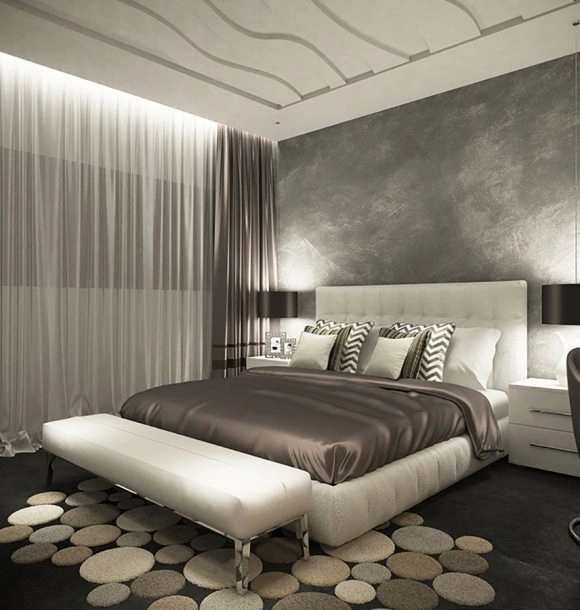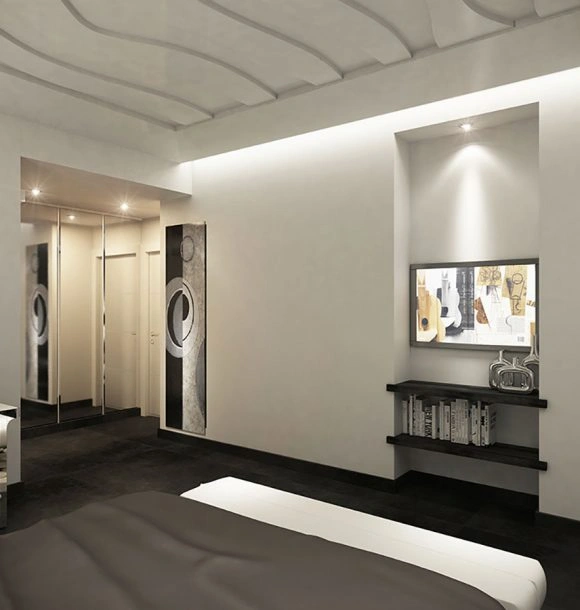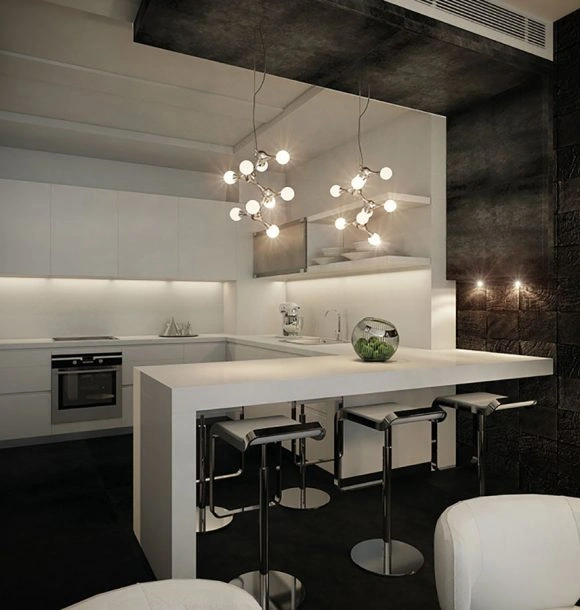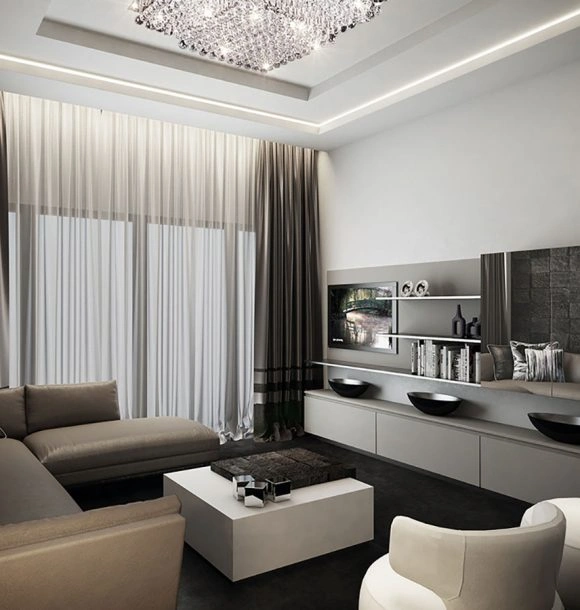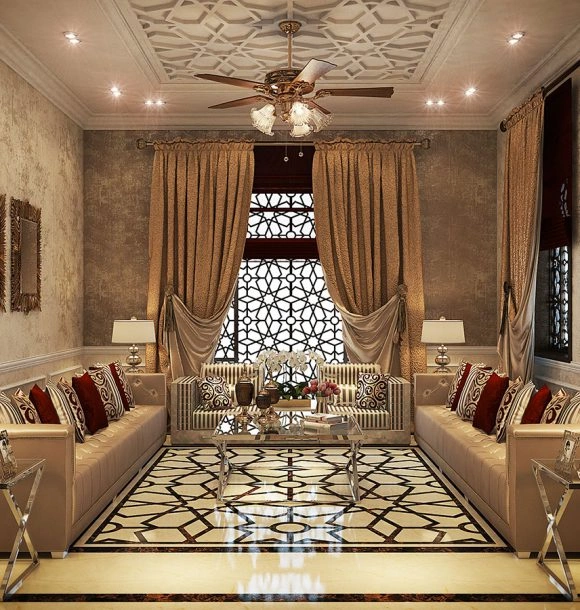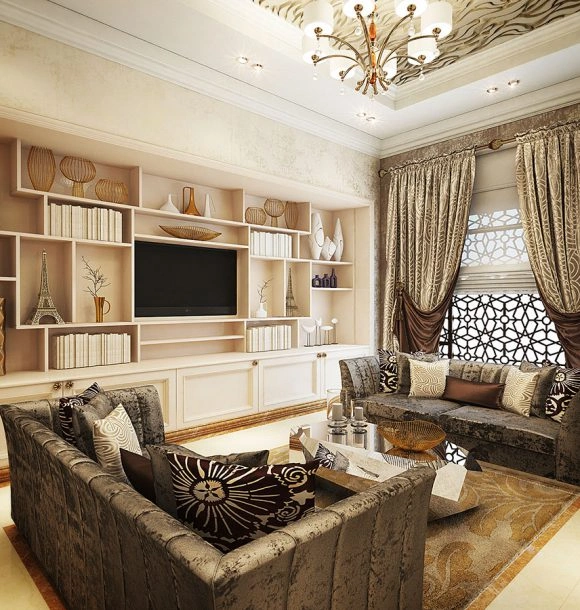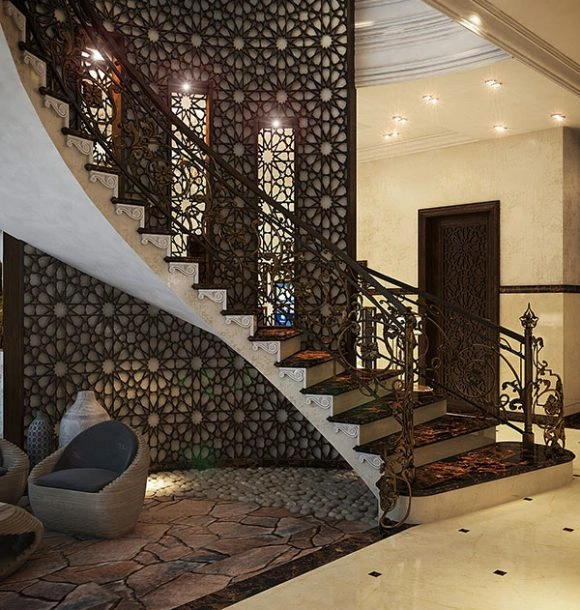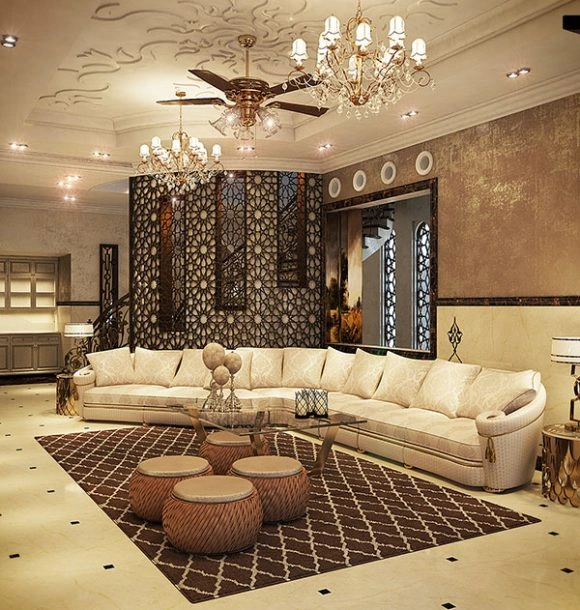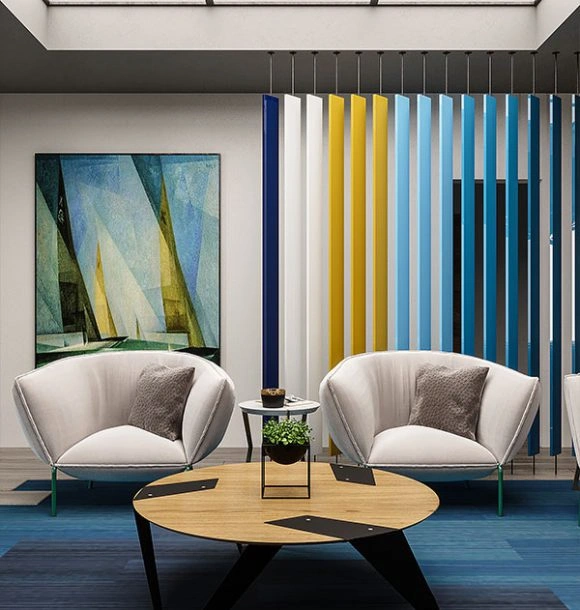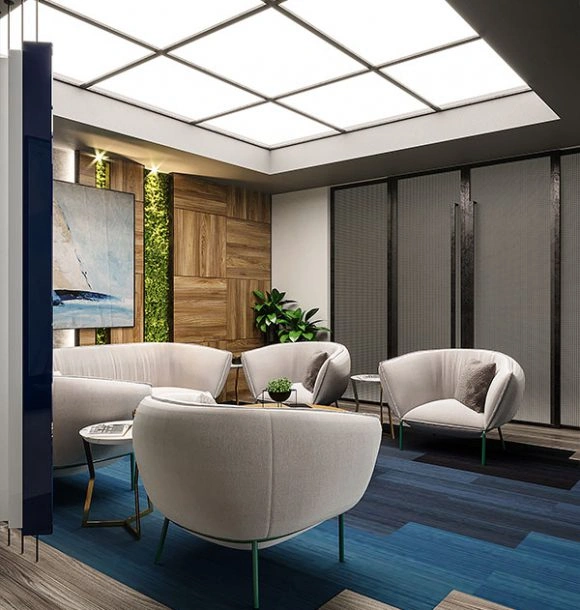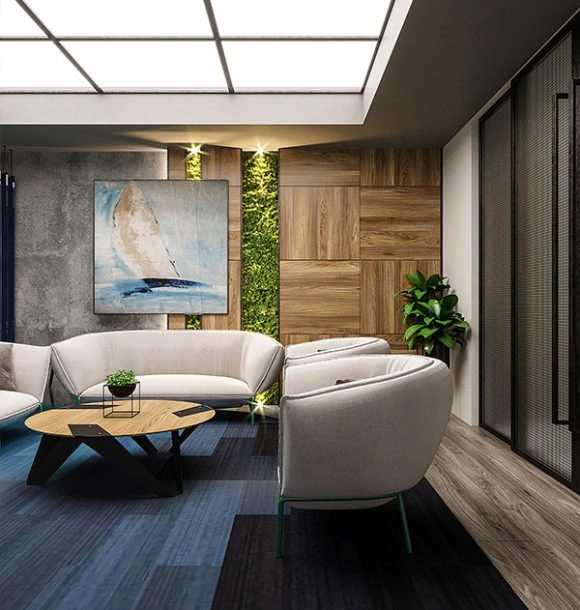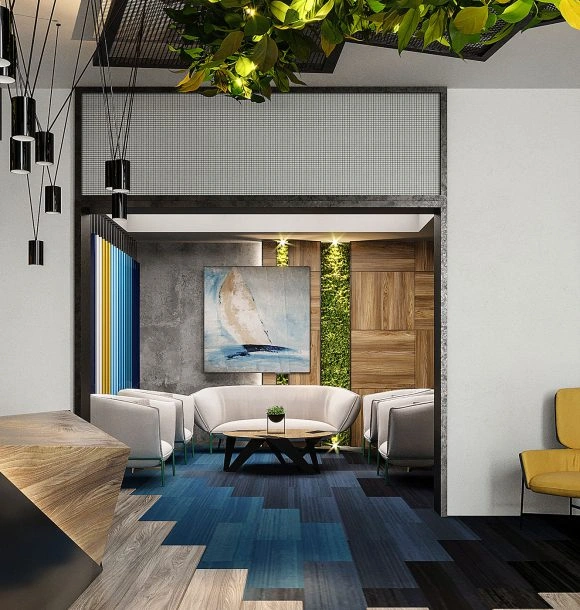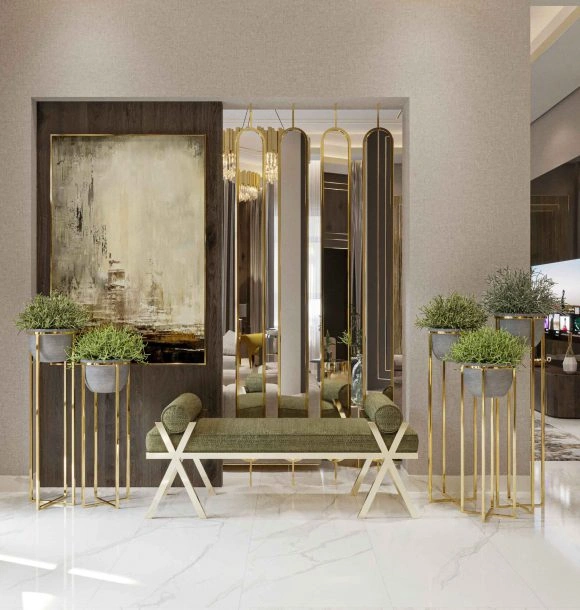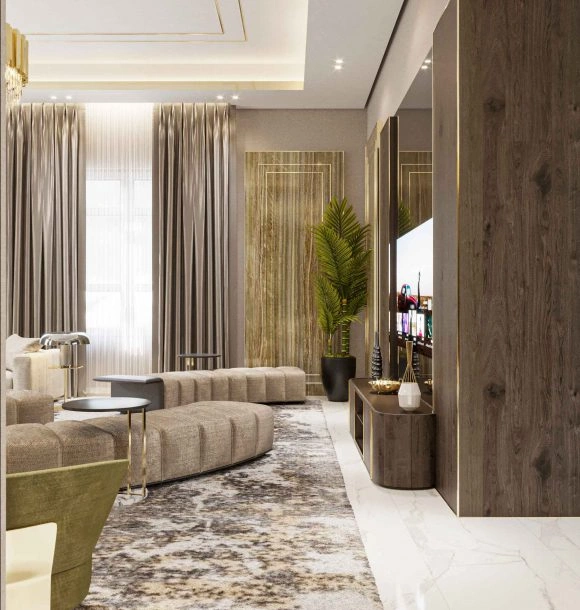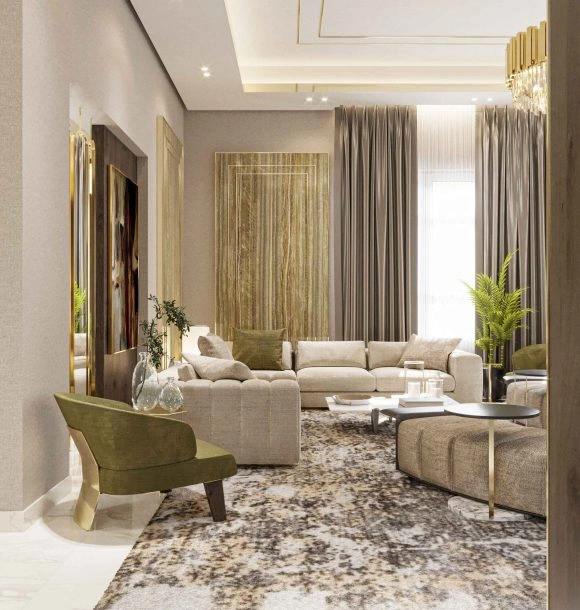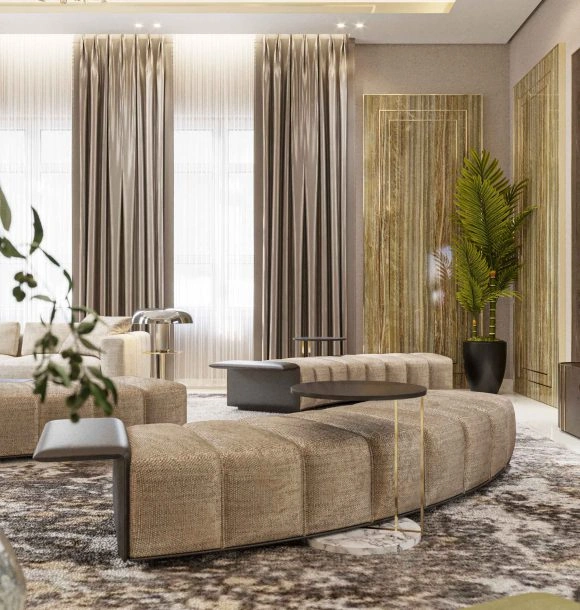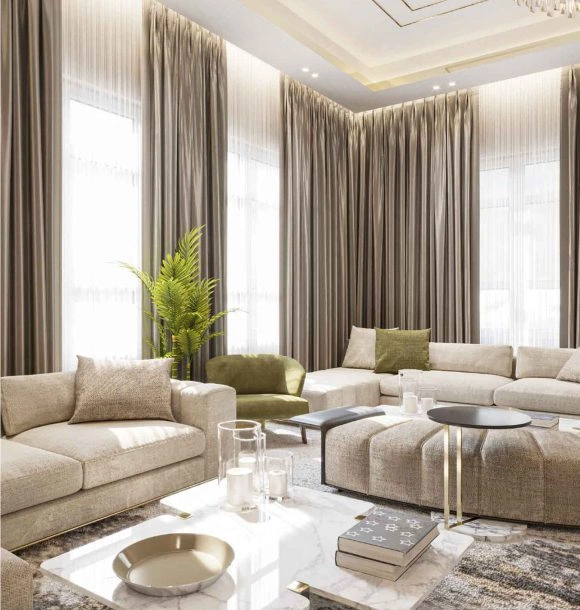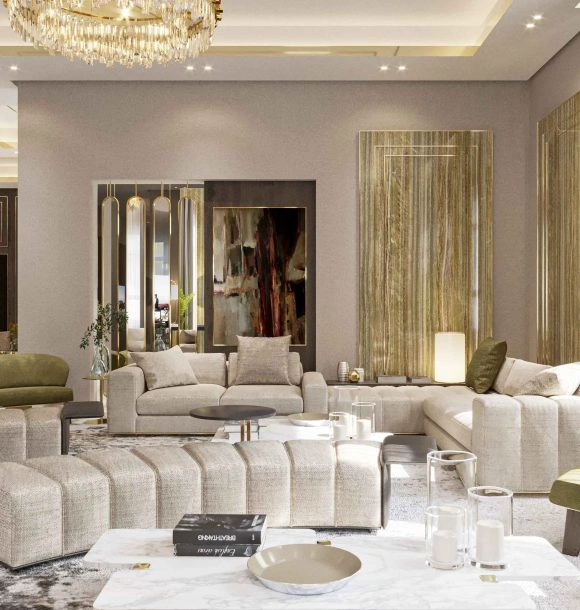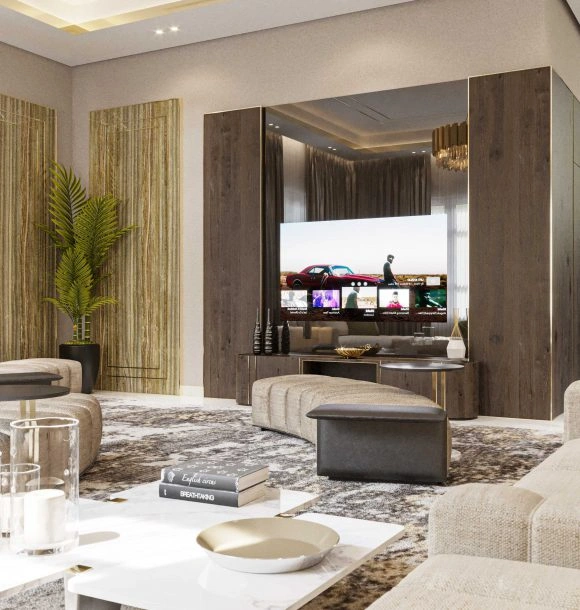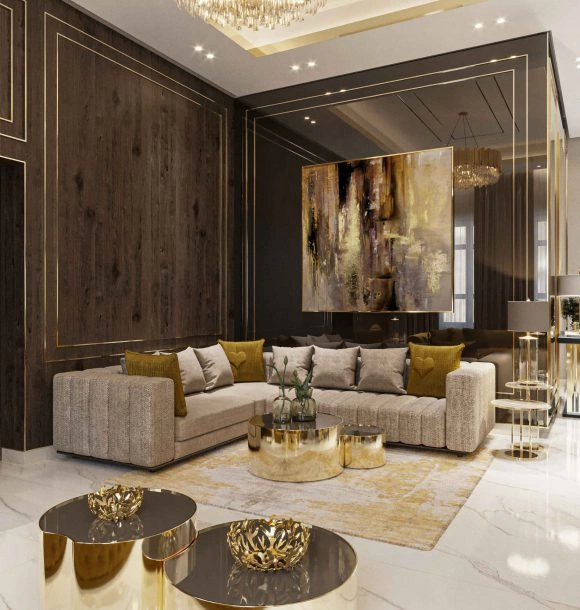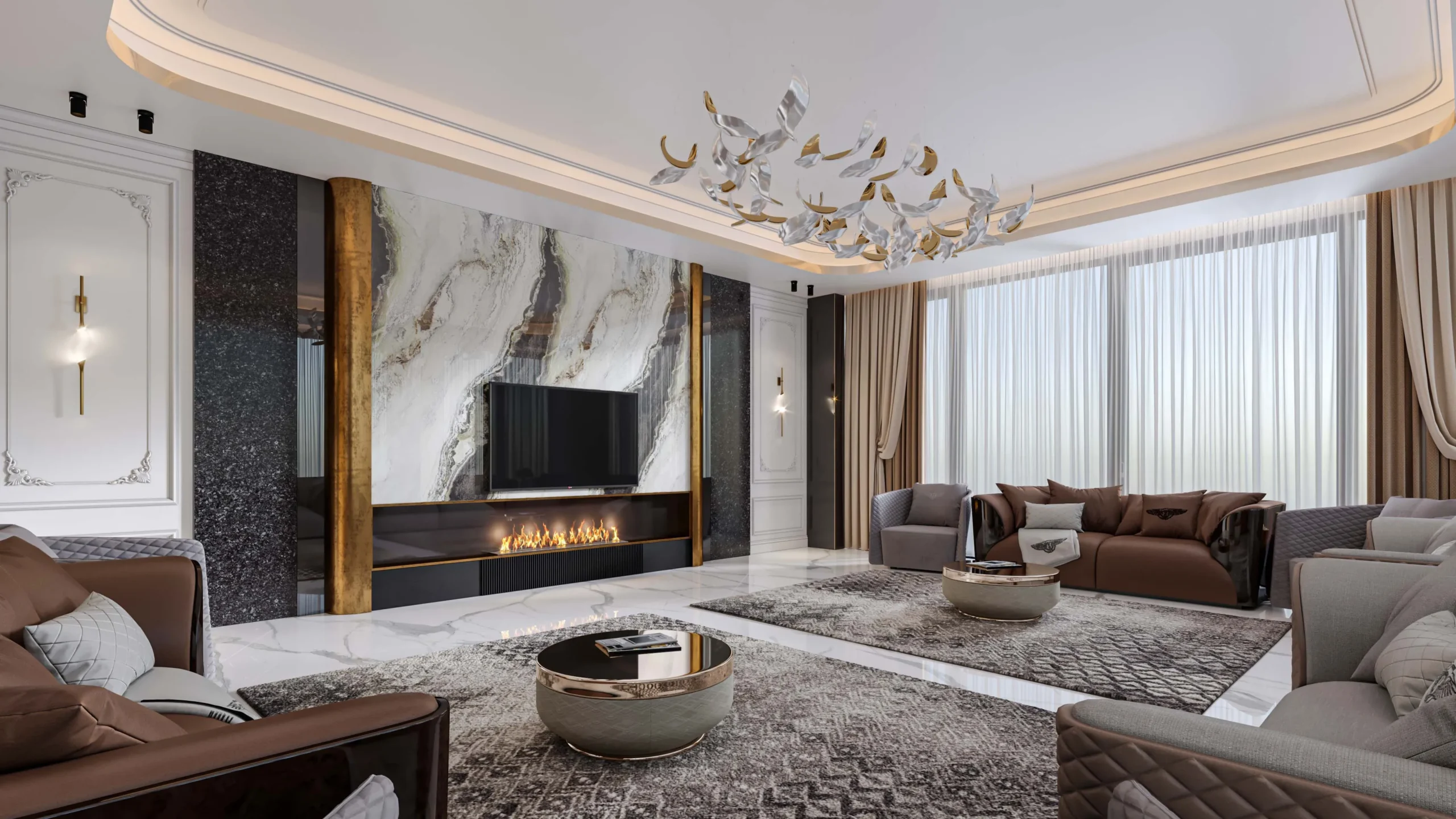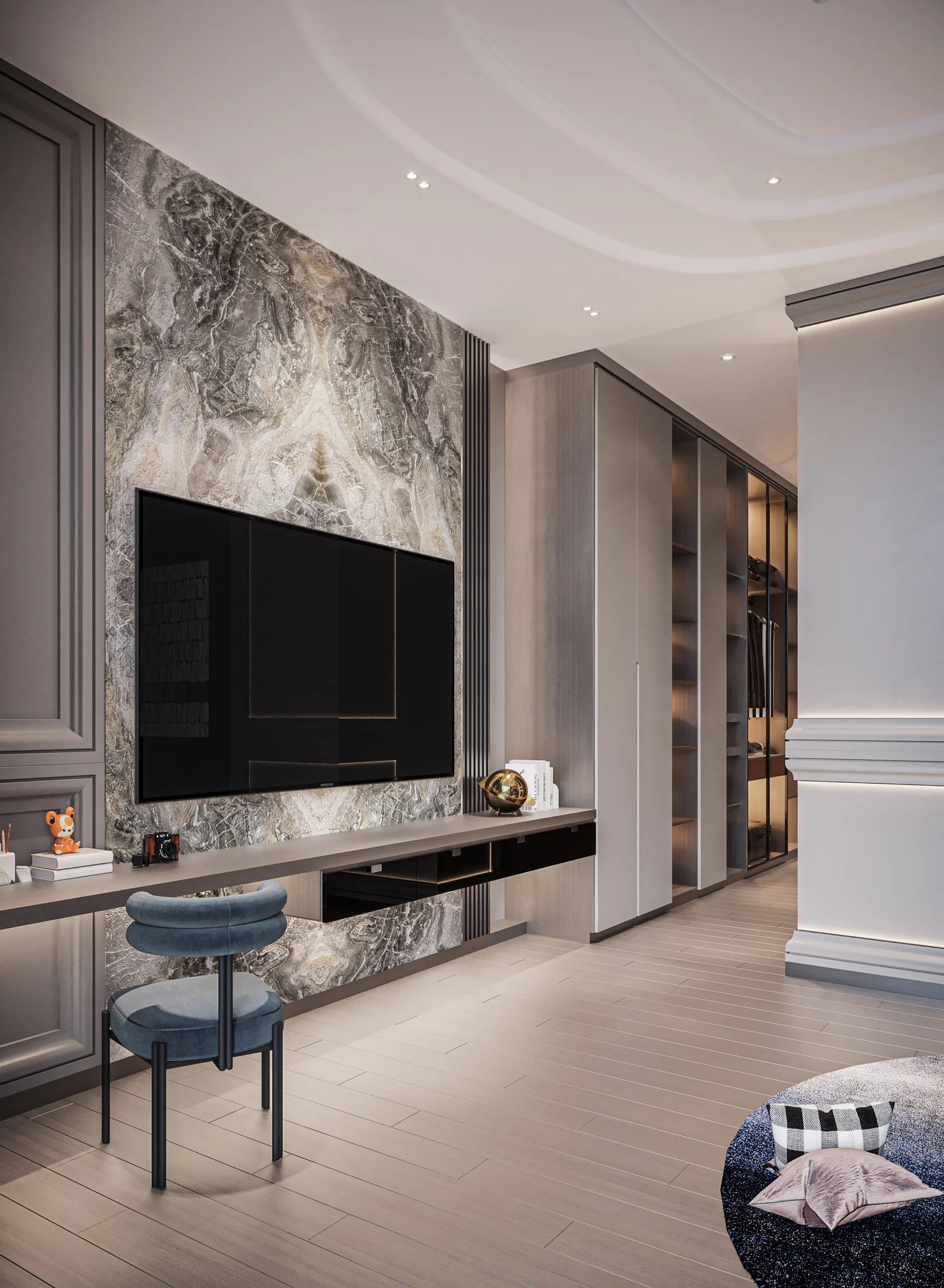
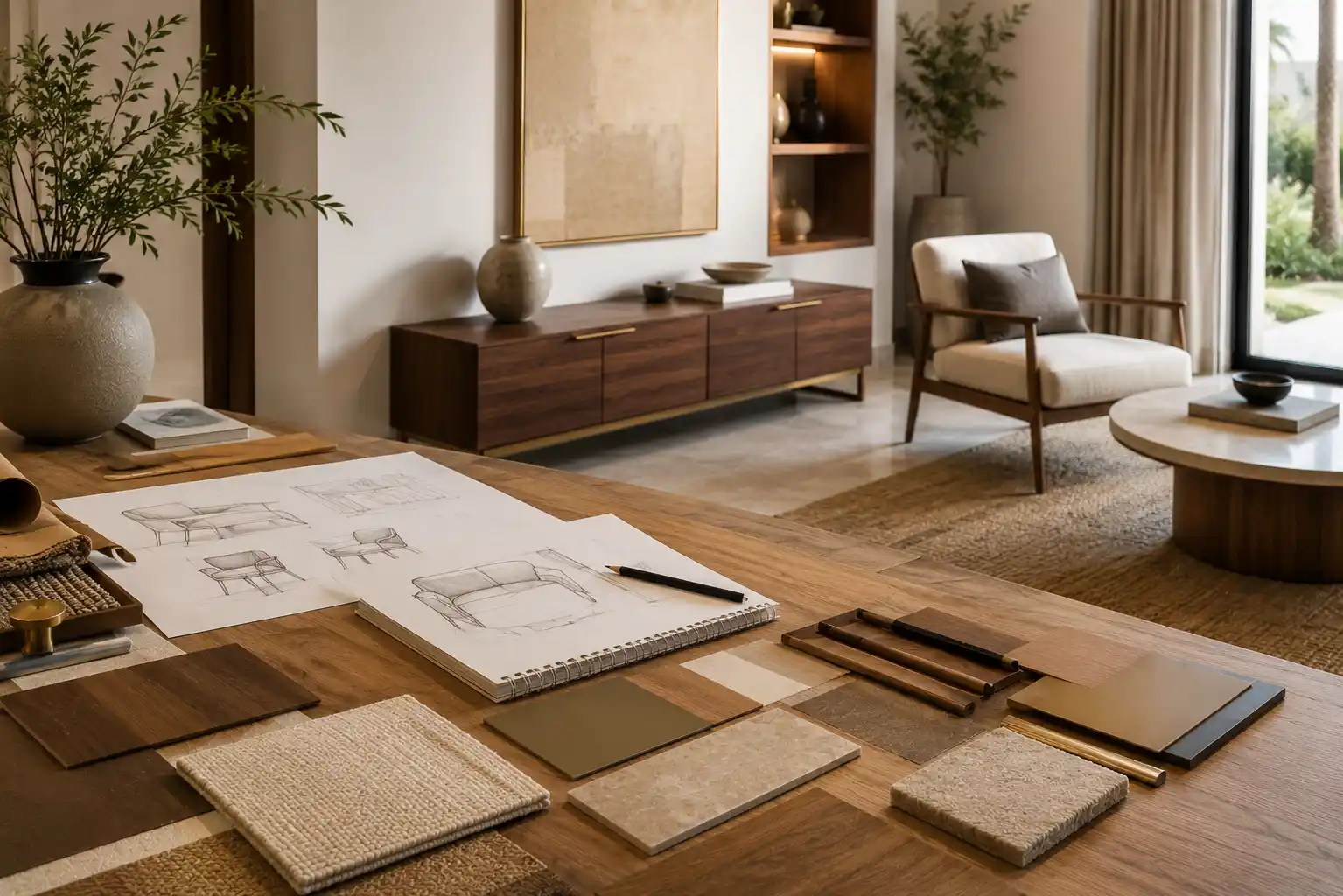
Furniture design is the process of creating a piece of furniture from scratch, covering concept sketches, material selection, structural detailing, technical drawings and prototyping, before a workshop builds it. It differs from custom joinery, which focuses on built-in fabrication, and from buying furniture, which selects pieces that already exist rather than designing new ones.
Key takeaway:
Furniture design isn’t the same as furniture shopping, and it isn’t the same as joinery. It’s the design work that happens before a single piece gets built deciding form, function and material before fabrication starts.
Furniture design is the process of creating a piece of furniture from scratch, rather than buying something that already exists. It covers everything from the first sketch to the technical drawings a workshop uses to build the piece.
People run into this term most often when a space needs something standard furniture can’t provide. That might mean an exact size, a specific material, or a shape that fits an unusual layout.
Knowing what furniture design actually covers helps you decide if a project needs it, or if ready-made pieces will do.
This breaks down what furniture design involves, how it differs from joinery and off-the-shelf buying, and what it typically costs.
What Does “Furniture Design” Actually Mean?
Furniture design means creating a new piece from a blank page. It involves deciding the form, function, materials and structure of an object before anyone starts building it.
A furniture designer thinks about how people use a piece, and how much weight or wear it needs to handle. They also consider how it fits the space around it. Good furniture design solves a practical problem, not just a visual one.
Furniture Design vs Custom Joinery vs Buying Off-the-Shelf
People often confuse these three options, but they solve different problems.
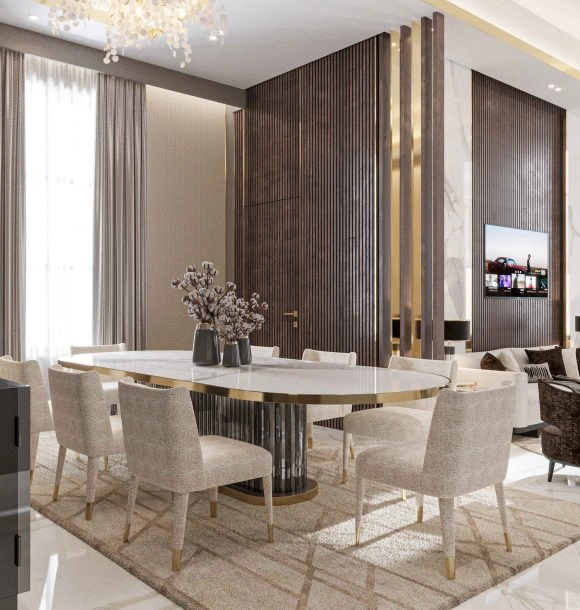
Custom joinery usually means built-in fabrication wardrobes, kitchen cabinetry, wall units made to fit a specific space. Furniture design covers freestanding pieces: a dining table, a sofa frame, a bespoke bed.
Buying furniture in Dubai is the fastest and usually cheapest option, but it only offers what’s already made. Furniture design costs more and takes longer, but it removes those limits entirely.
| Option | Best For | Trade-Off |
|---|---|---|
| Buying off-the-shelf | Fast turnaround, lower cost | Limited size, material and finish options |
| Custom joinery | Built-in storage and fixed fittings | Fixed to the space, not portable |
| Furniture design | Freestanding pieces with exact size, material and form | Longer lead time, higher cost |
What the Furniture Design Process Actually Involves
A typical furniture design project moves through four stages, whether it’s one chair or a full set for a villa.
Concept and Sketching
This stage starts with rough sketches that explore form, proportion and how the piece will sit in its space. It’s where the designer tests the overall idea before committing to materials.
Material and Structural Detailing
Once the form is settled, the designer chooses materials and works out structural details. That covers joints, load points, and how the piece holds up over years of use. A guide to custom furniture materials in the UAE covers how local conditions affect this choice.
Technical Drawings and Prototyping
The design turns into technical drawings the workshop can actually build from, often with a small-scale or full-size prototype first. This step catches proportion or comfort issues while they’re still cheap to fix.
Fabrication and Quality Checks
A workshop builds the piece against the approved drawings, checking dimensions, joints and finish quality at each stage. The final check happens before delivery, not after.
Residential vs Commercial Furniture Design in the UAE
Residential projects usually prioritise comfort, family use and how a piece fits daily routines. A luxury furniture project in the UAE often centres on a single statement piece a homeowner has wanted for years.
Commercial furniture design leans more on durability, brand identity and repeatability across multiple units. Office furniture ideas for UAE businesses often need to work across dozens of identical desks, not just one hero piece.
Why UAE Conditions Matter for Furniture Design
Material choice in furniture design has to handle UAE heat, humidity and constant AC exposure, just like interior finishes do. A closer look at how UAE climate should shape interior choices applies just as much here. A custom sofa frame needs the same climate-smart thinking as flooring does.
A UAE Scenario: Designing a Custom Dining Table
Consider a family in a Palm Jumeirah villa with an oddly shaped dining nook that no standard table could fit. Off-the-shelf options either left too much wasted space or crowded the walkway behind the chairs.
A furniture designer sketched three shapes and settled on an asymmetric form that used the corner efficiently. They specified a timber that could handle direct afternoon light without fading. The finished table fit the space exactly, something no catalogue purchase could have done.
Common Mistakes When Commissioning Custom Furniture
A few mistakes come up repeatedly when people commission custom furniture:
- Skipping a prototype for a large or structurally complex piece
- Choosing a material without checking how it performs under UAE conditions
- Underestimating how long custom fabrication takes against a move-in date
- Not confirming who owns the technical drawings if you change designers
- Treating furniture design and joinery as interchangeable when scoping a project
Thinking about daily use early helps avoid most of these issues. Looking at flexible living furniture shows what designing for real routines looks like, not just for a render.
How Furniture Design Affects Cost and Timeline
Custom furniture design costs more than buying off the shelf, since it includes design time, prototyping and made-to-order fabrication. Understanding what typically drives interior design costs in the UAE helps you see where that extra cost goes.
Timeline runs longer too. A single custom piece can take several weeks from sketch to delivery. A full furniture set for a villa or office can take considerably longer. Building that lead time into a project plan from day one avoids last-minute scrambling.
Q1: What does furniture design actually involve?
A: It covers concept sketches, material selection, structural detailing, technical drawings and prototyping, before a workshop builds the final piece. It’s the design work that happens before fabrication starts, not the fabrication itself.
Q2: How is furniture design different from custom joinery?
A: Custom joinery covers built-in fabrication, like wardrobes or kitchen cabinetry made to fit a specific space. Furniture design covers freestanding pieces, like a table or sofa, that aren’t fixed to the building.
Q3: Is custom furniture design worth it over buying off the shelf?
A: It depends on the space and budget. Custom design makes sense when a piece needs an exact size, an unusual shape, or materials that suit local conditions. For a standard room with no unusual constraints, off-the-shelf furniture is often the more practical choice.
Q4: How long does custom furniture design take?
A: A single piece typically takes several weeks from initial sketch to final delivery. A full set for a villa or office usually takes longer, since a workshop fabricates multiple pieces in sequence.
Q5: Does UAE climate affect furniture design choices?
A: Yes. Materials need to handle heat, humidity and constant AC exposure, or they fade, warp or crack faster than expected. This is one of the main reasons furniture design in the UAE differs from design in milder climates.
CONCLUSION
Ready to Design a Piece That Actually Fits Your Space?
Furniture design earns its cost when a space needs something no catalogue can offer. That might be an exact fit, a specific material, or a shape built around how you actually live.
La Firma’s fit-out team can design and fabricate custom furniture as part of a larger project. They can also take on a single standout piece on its own.