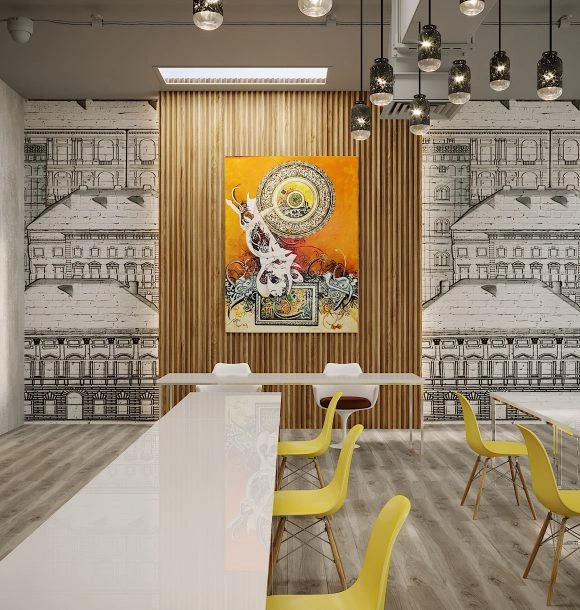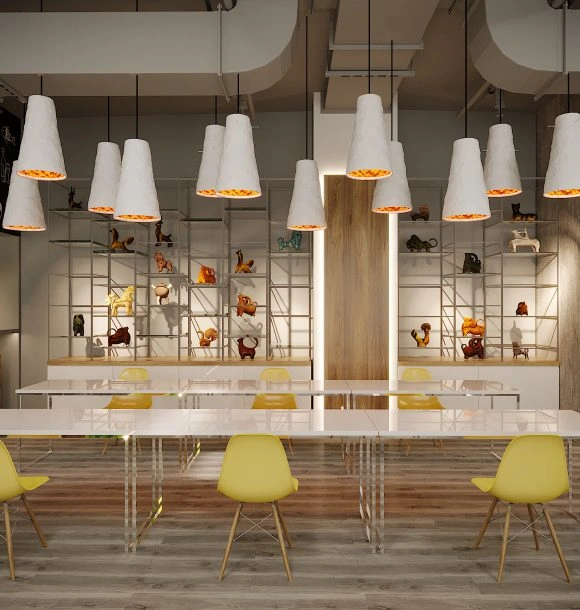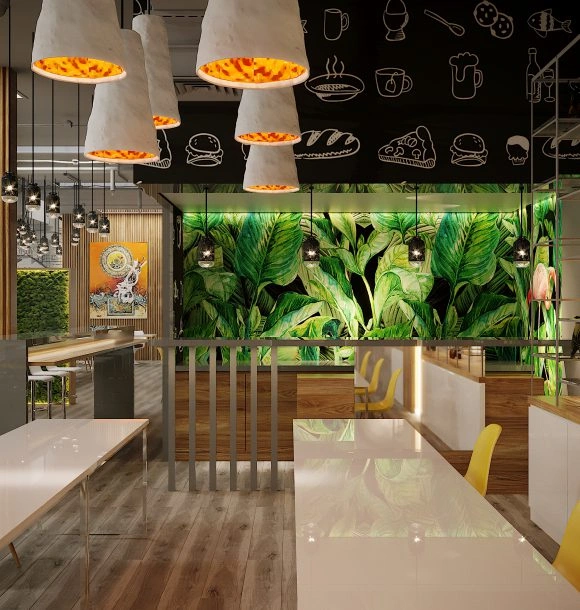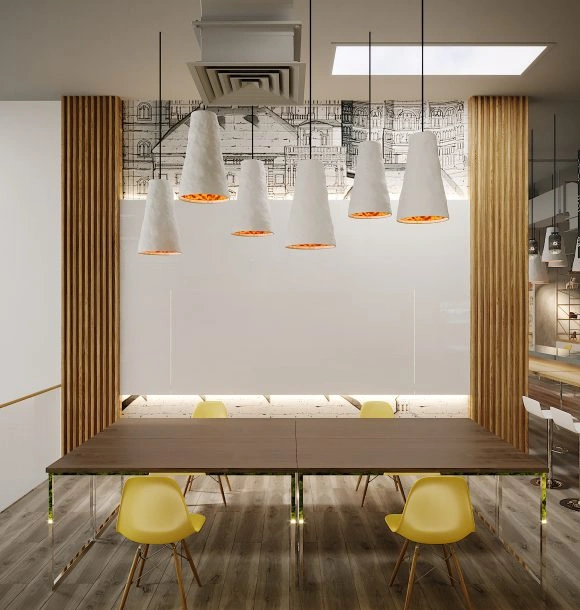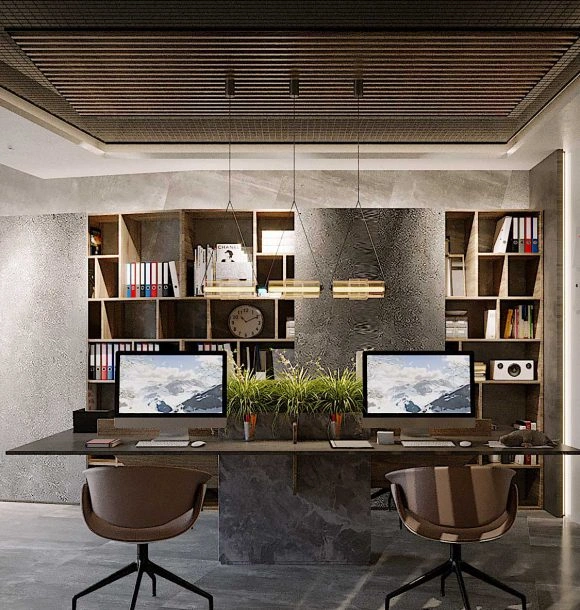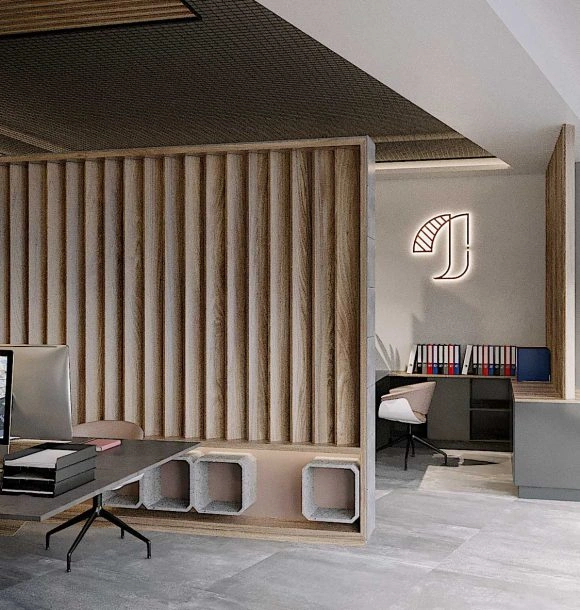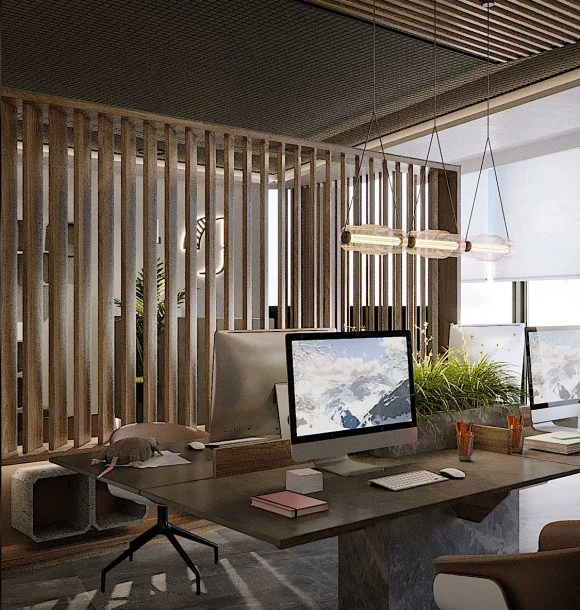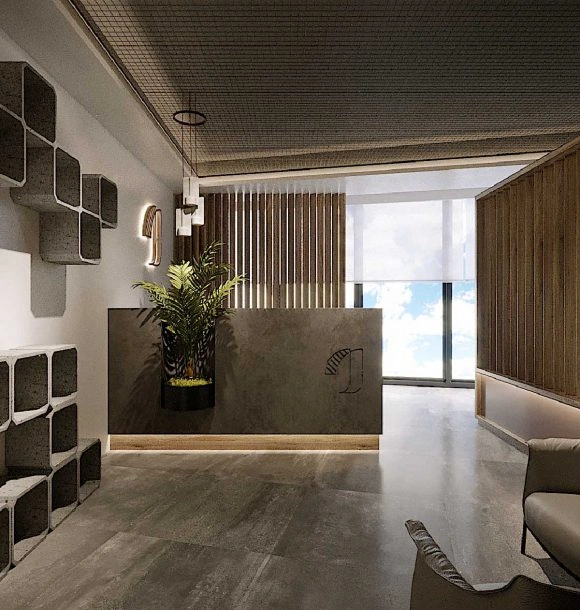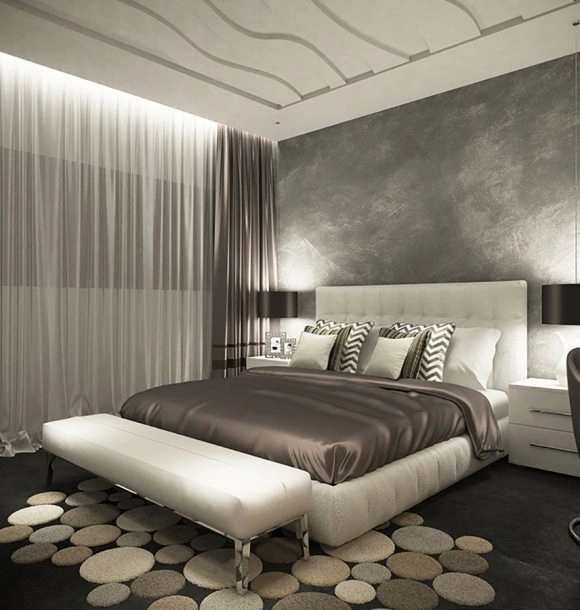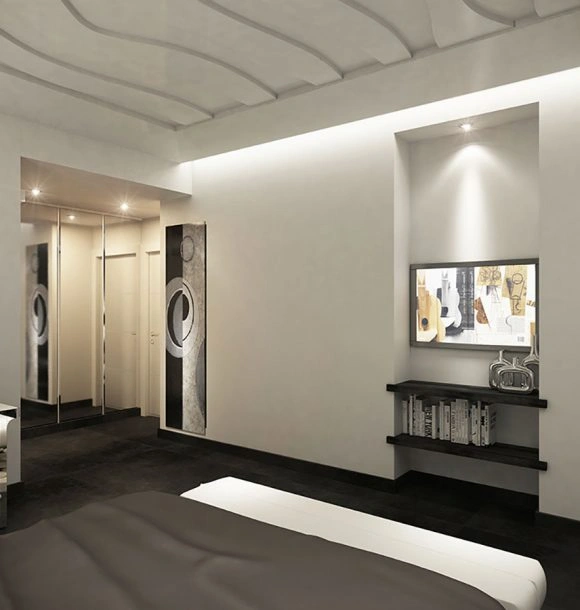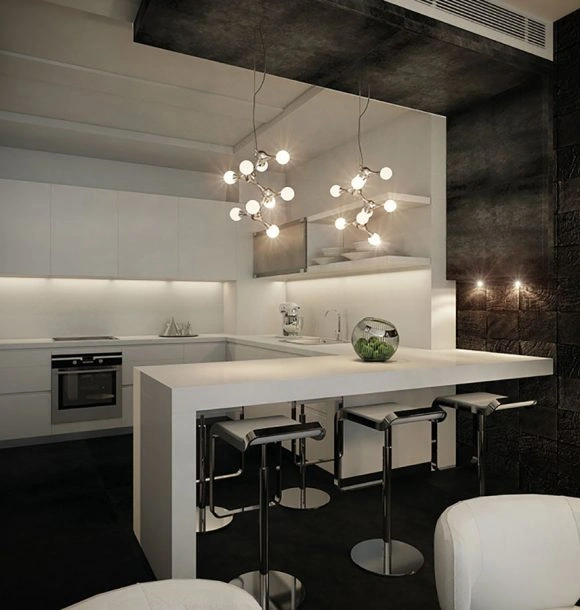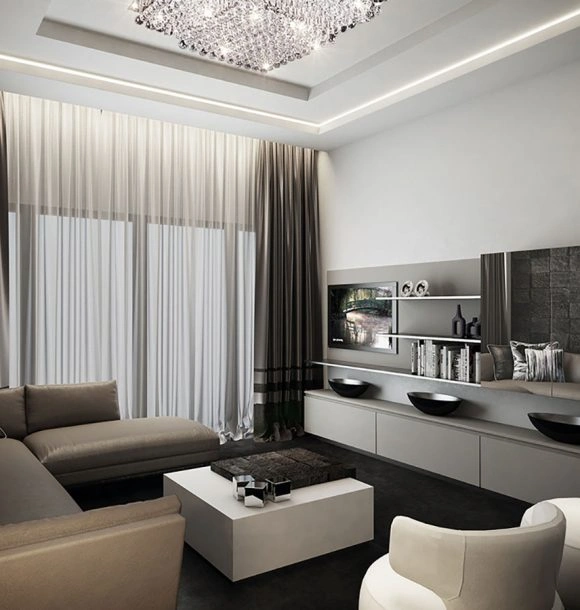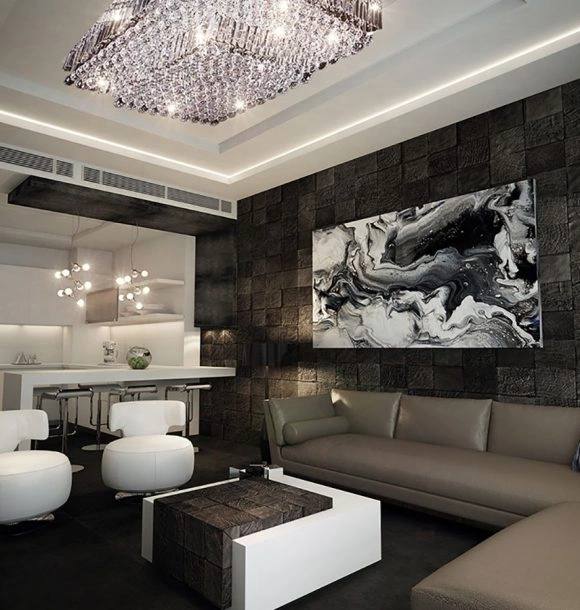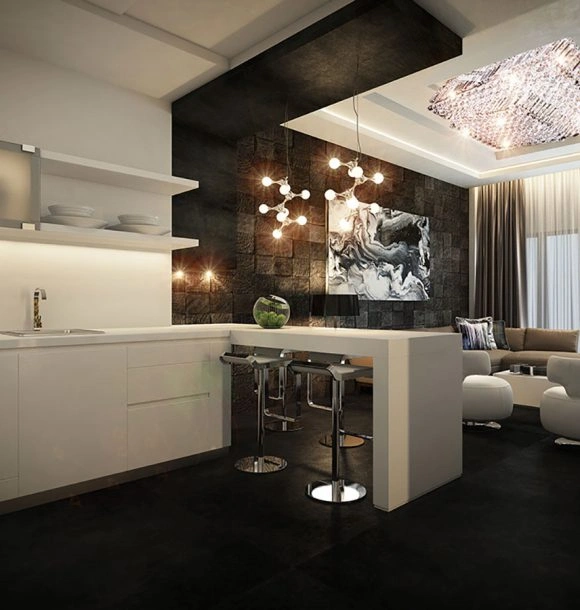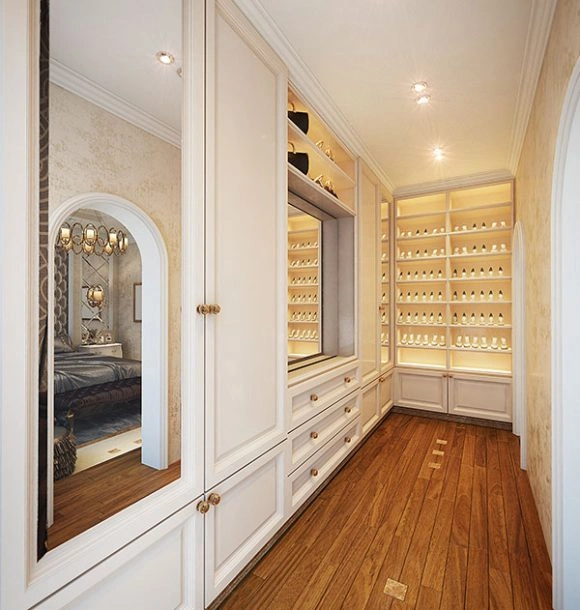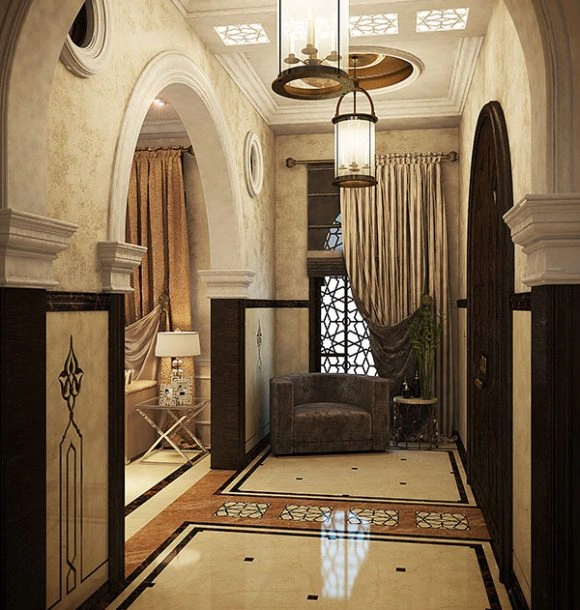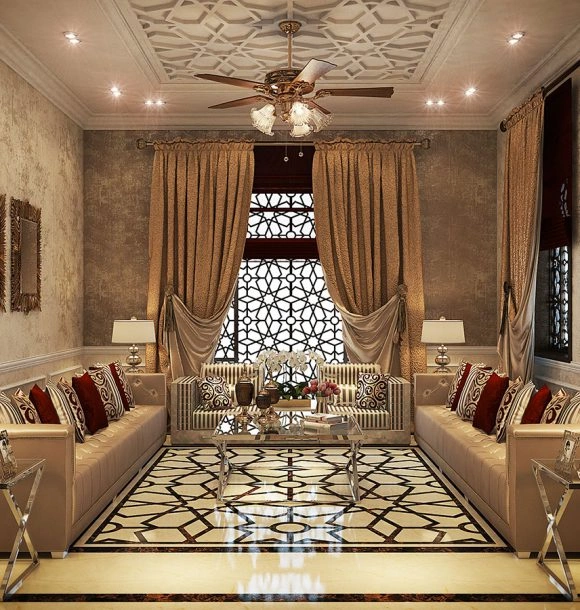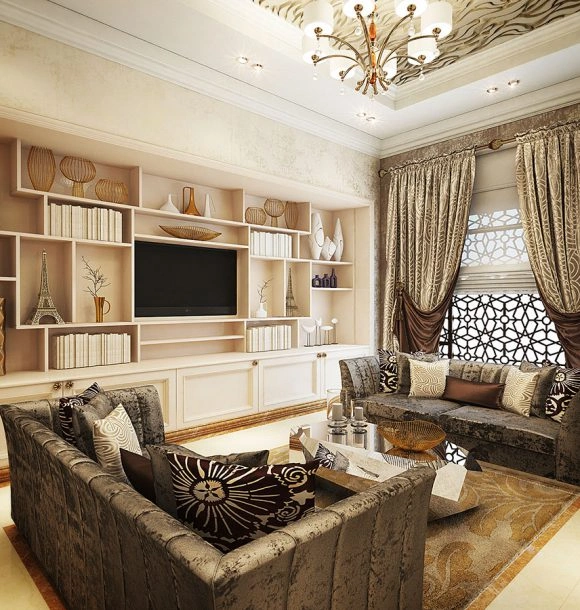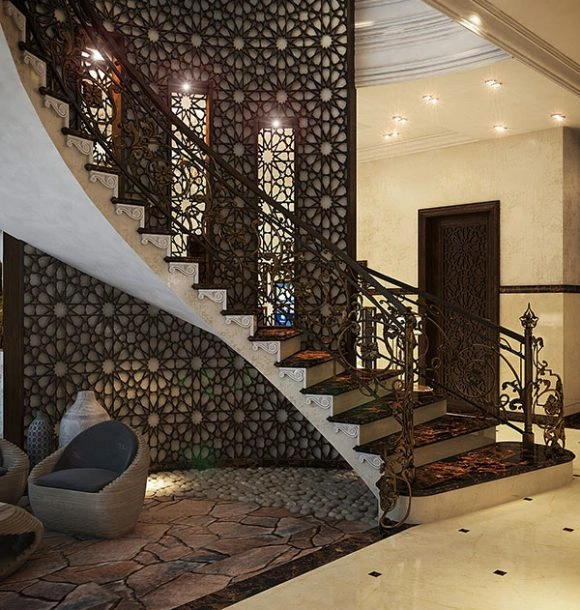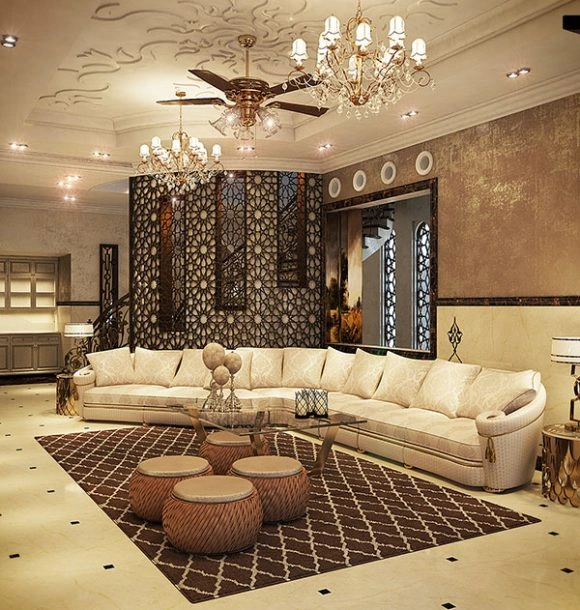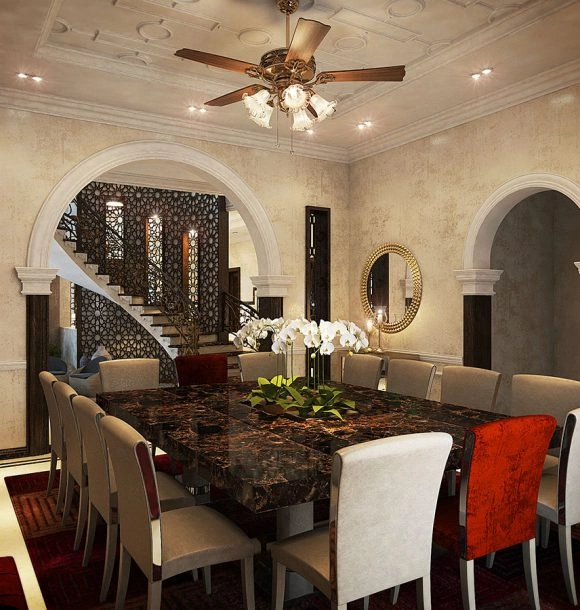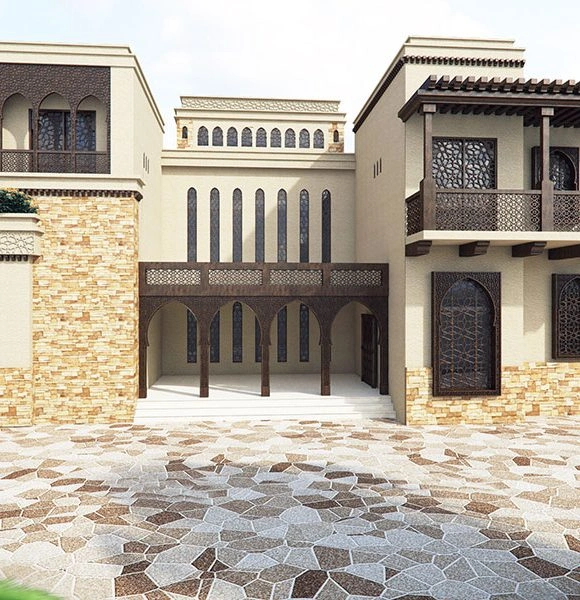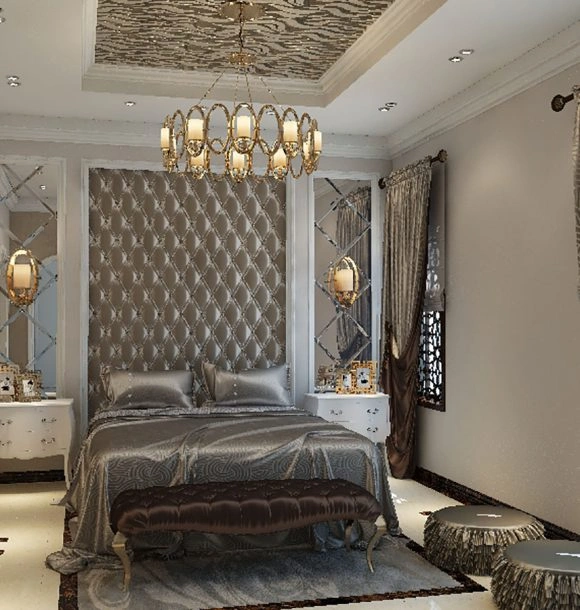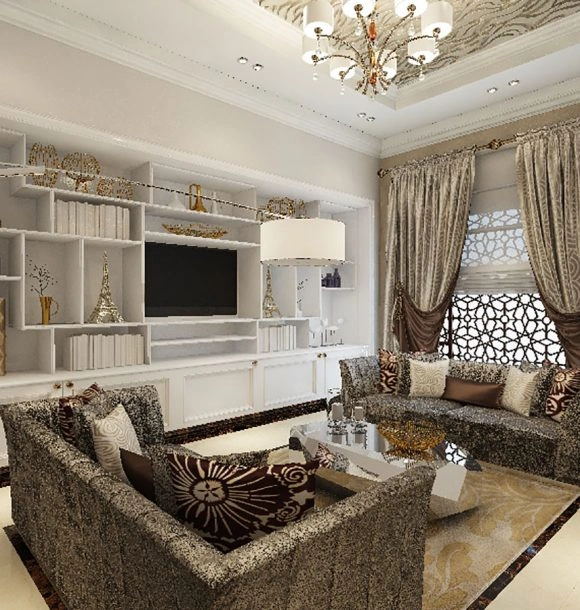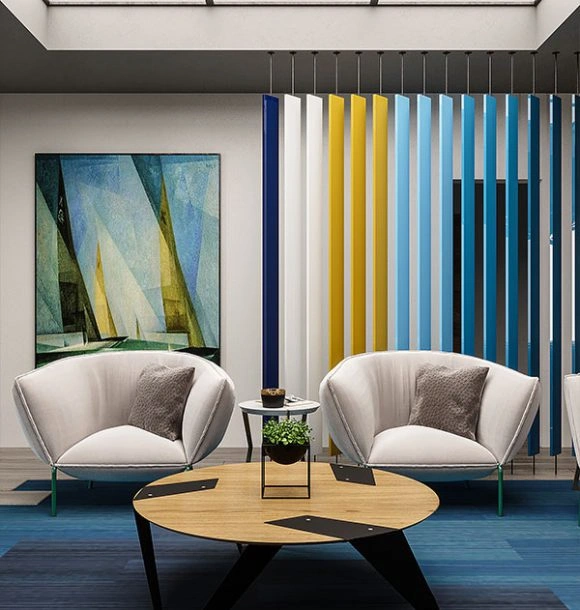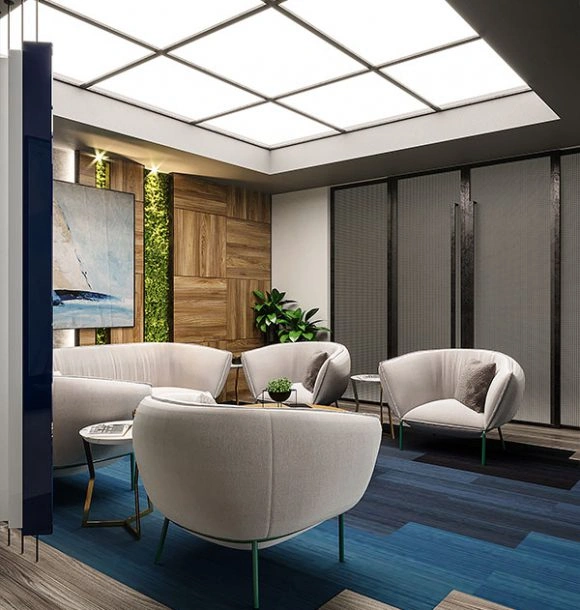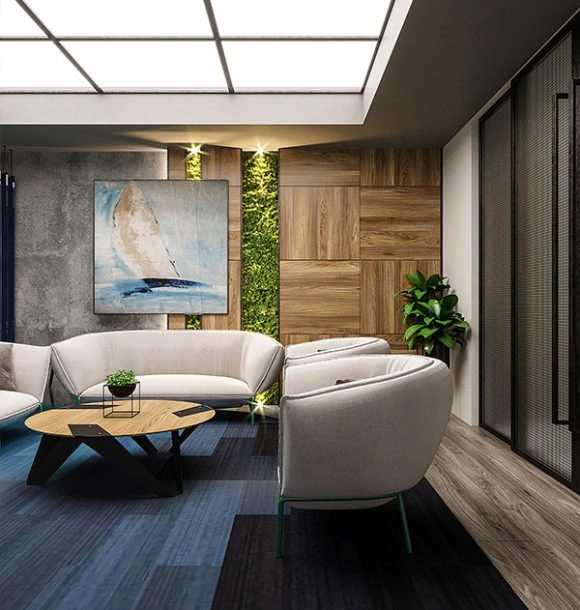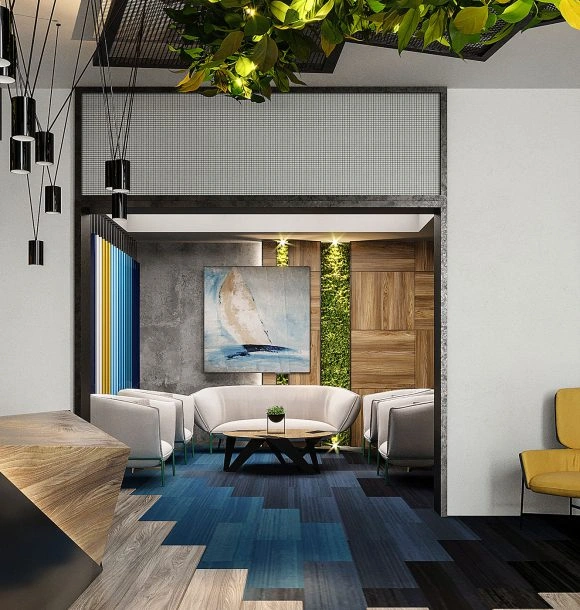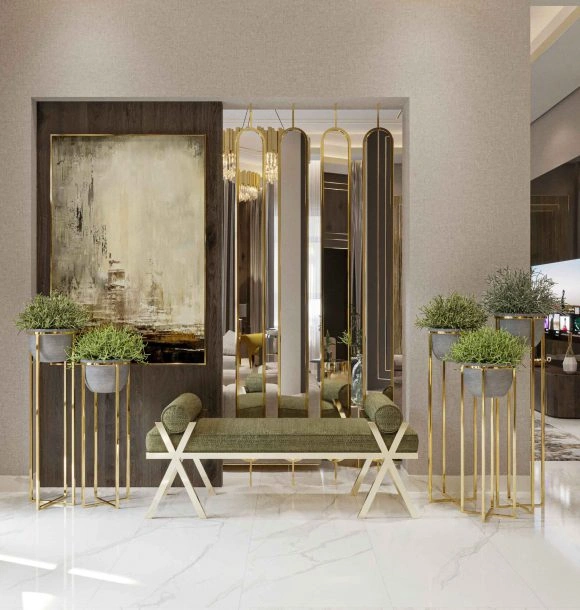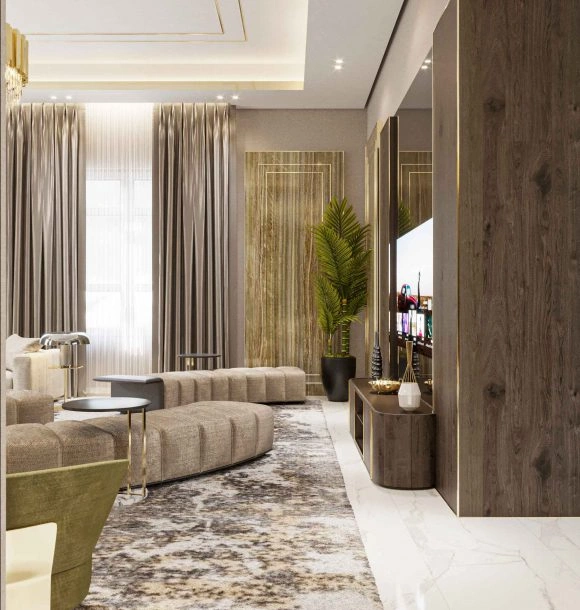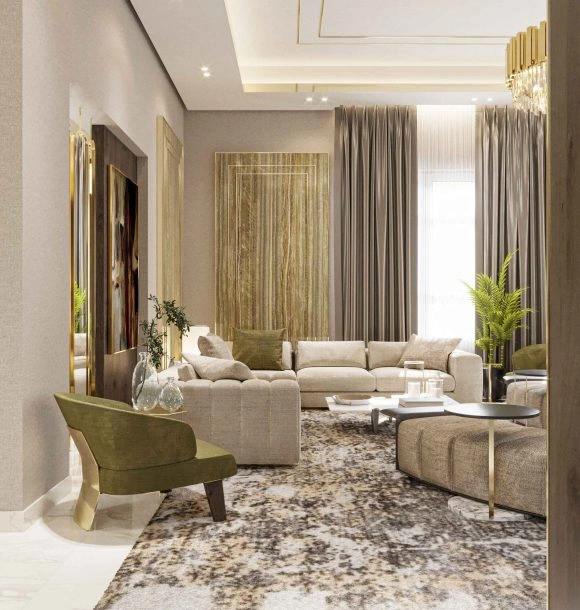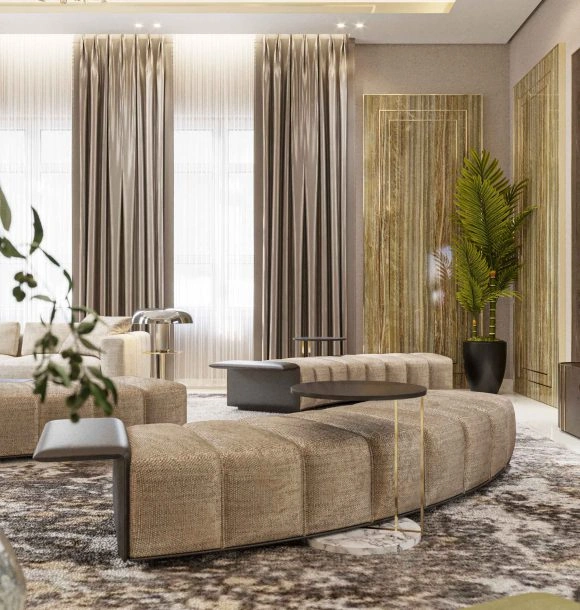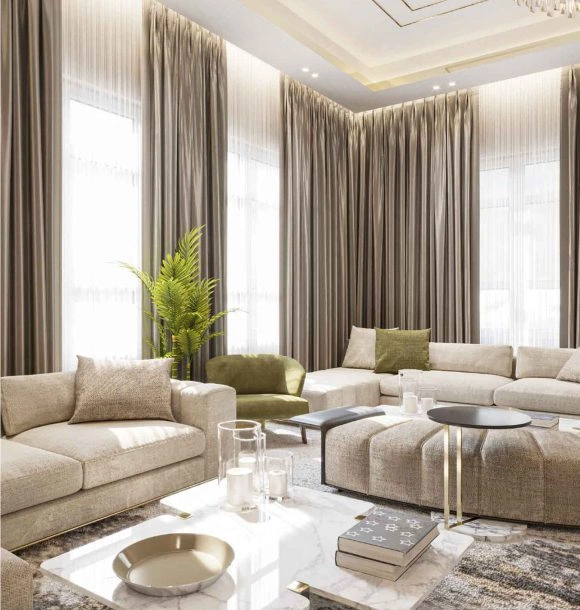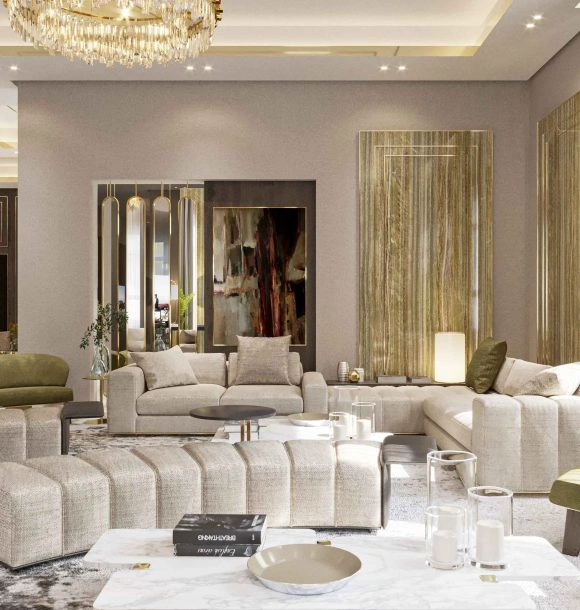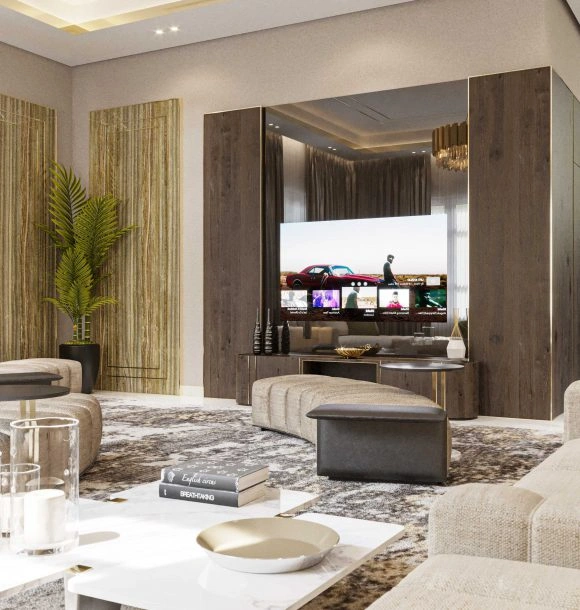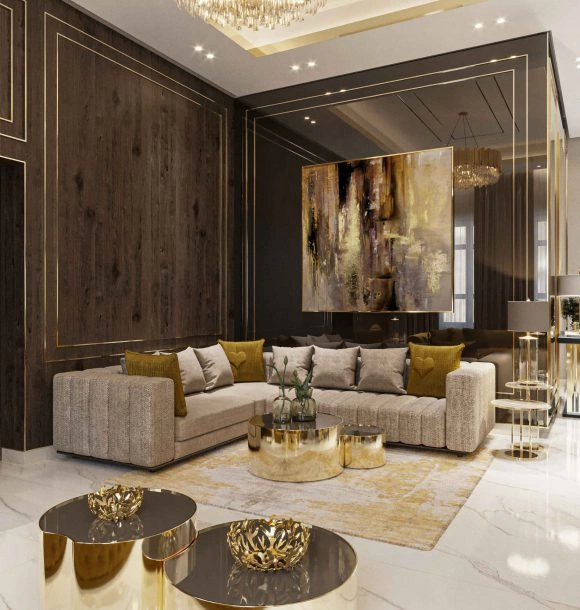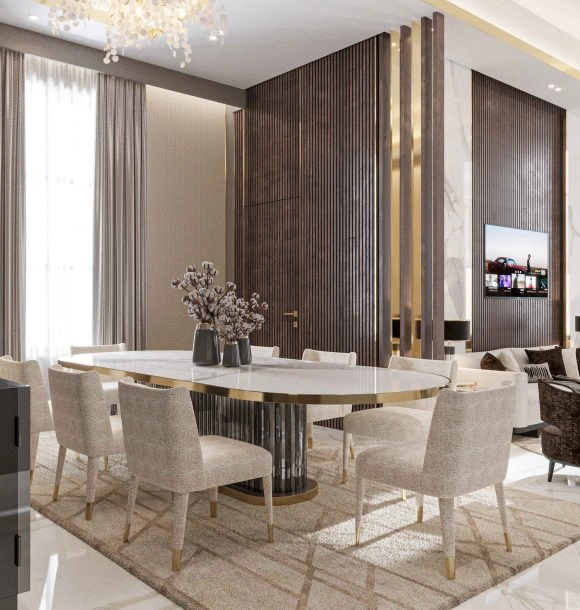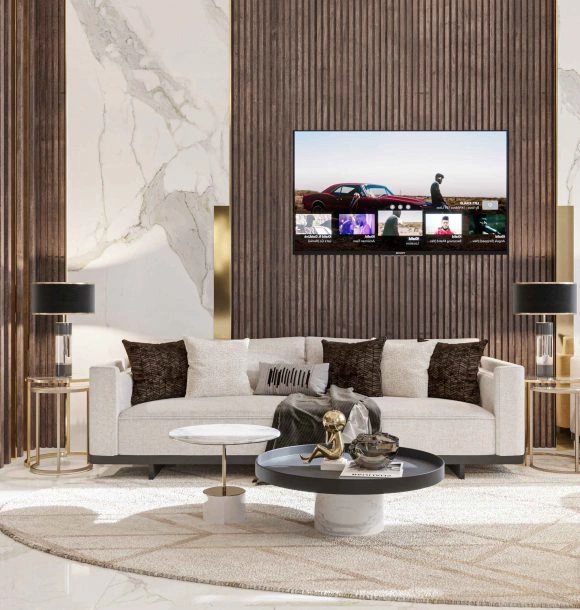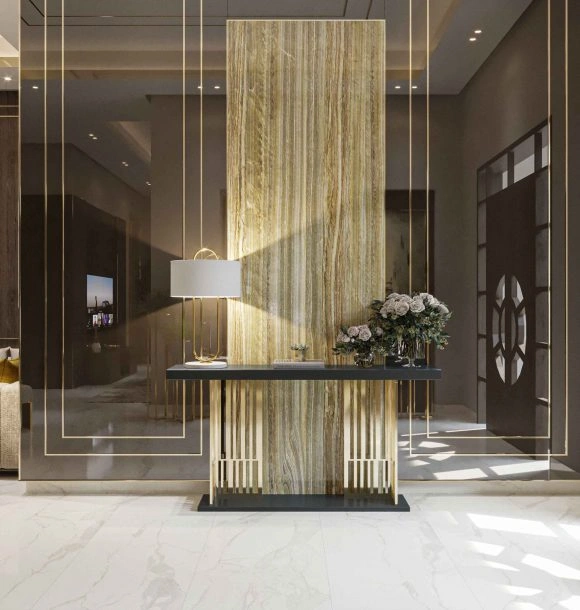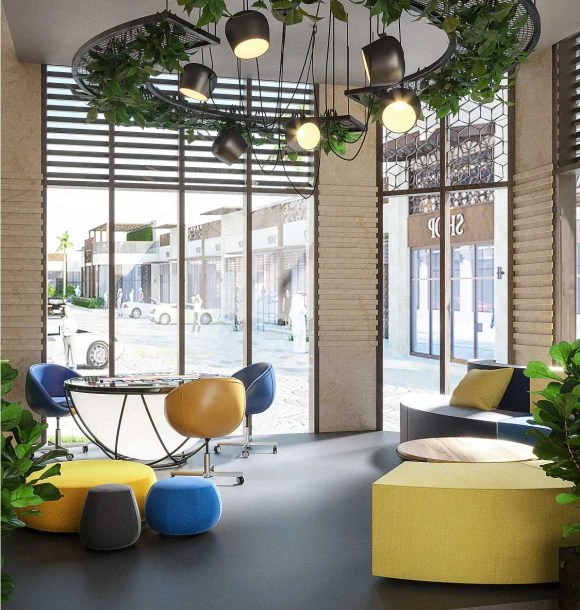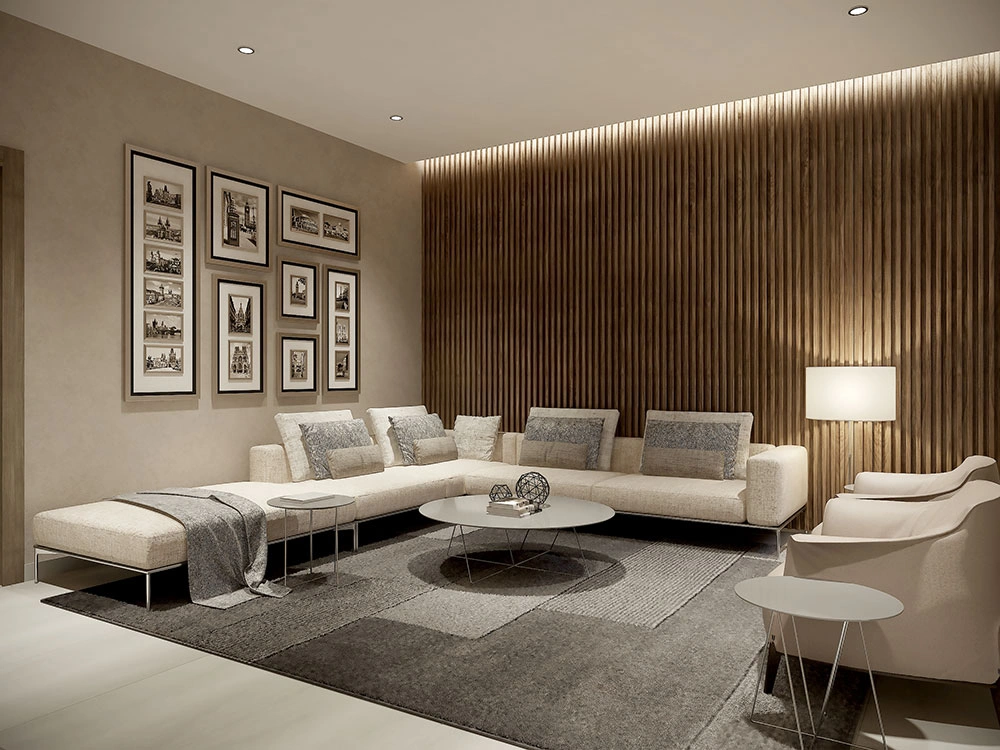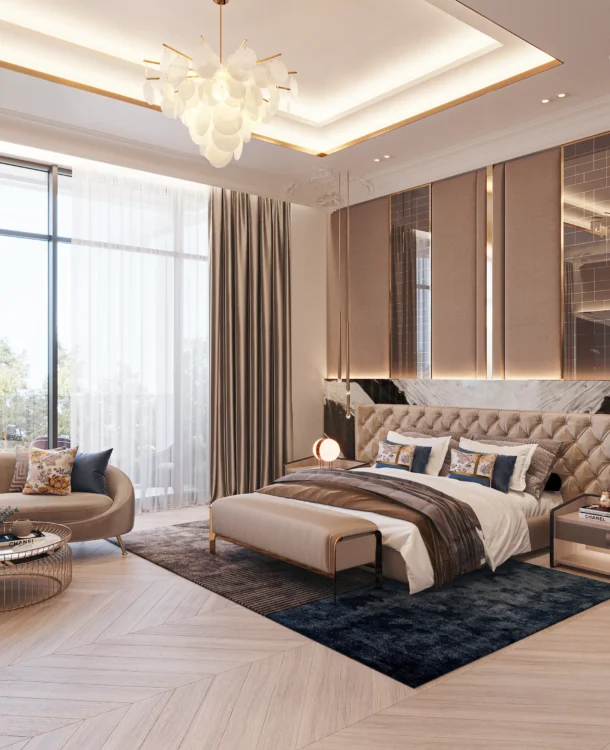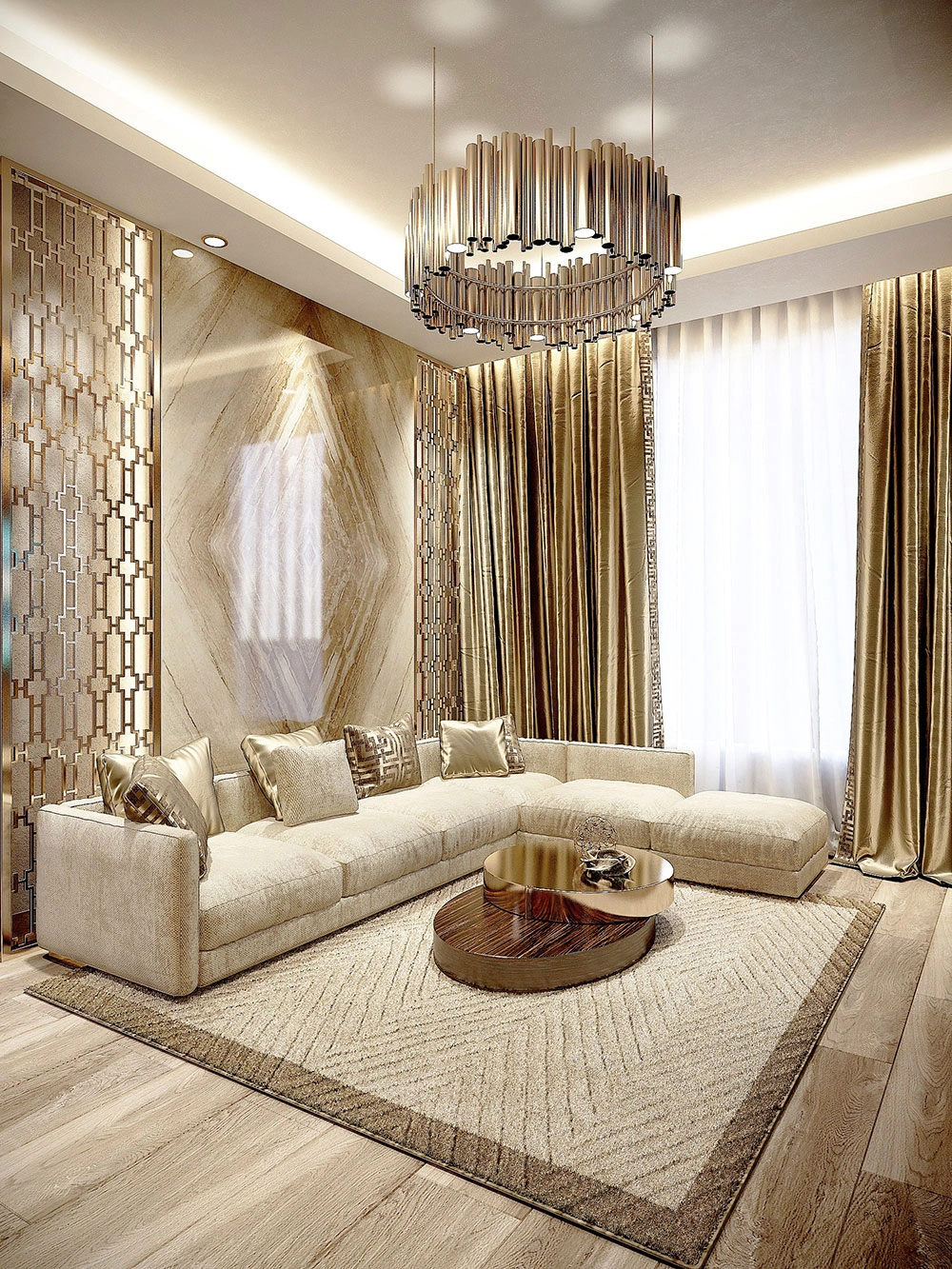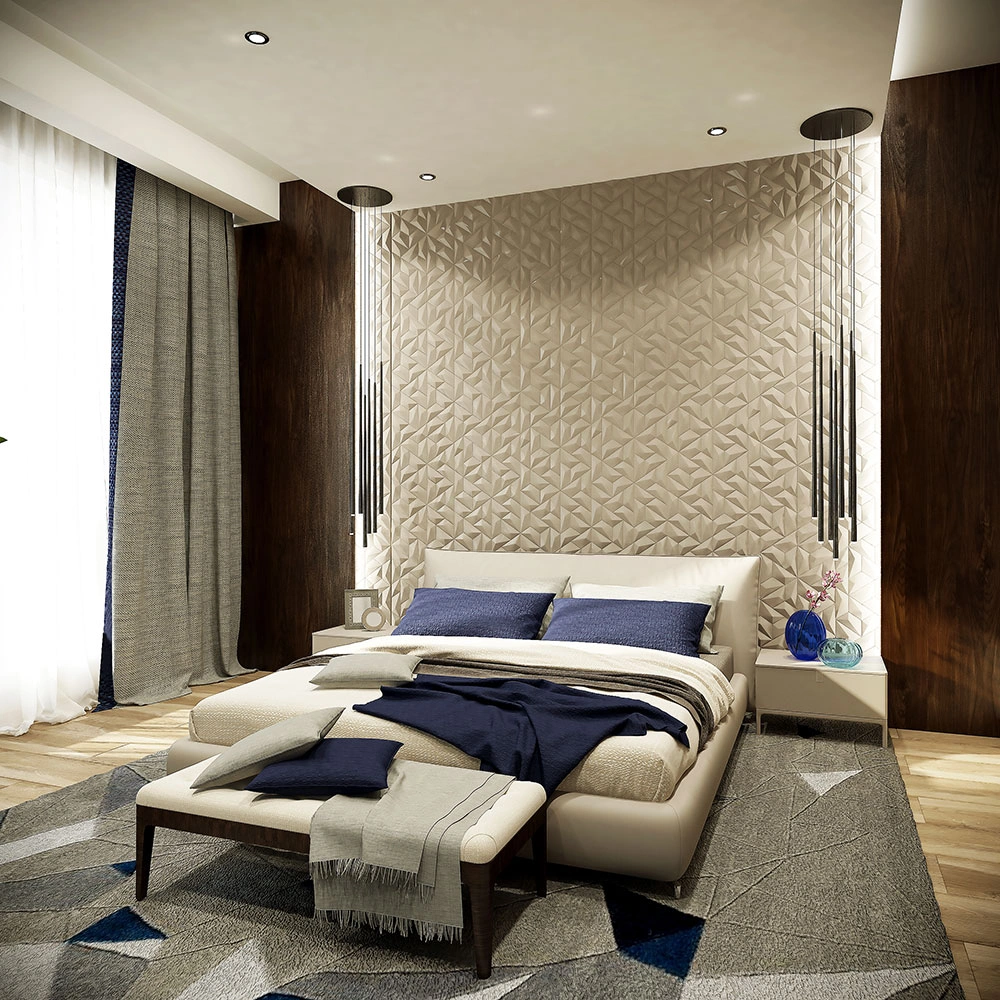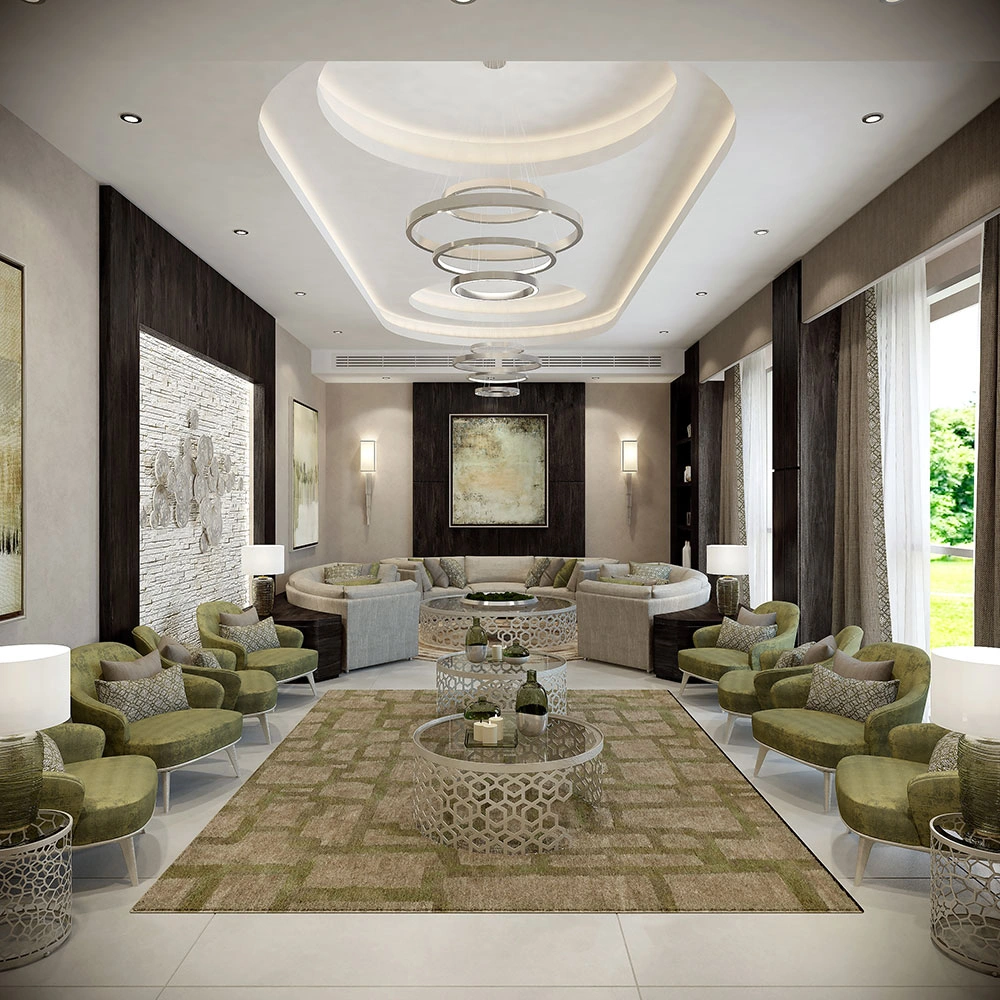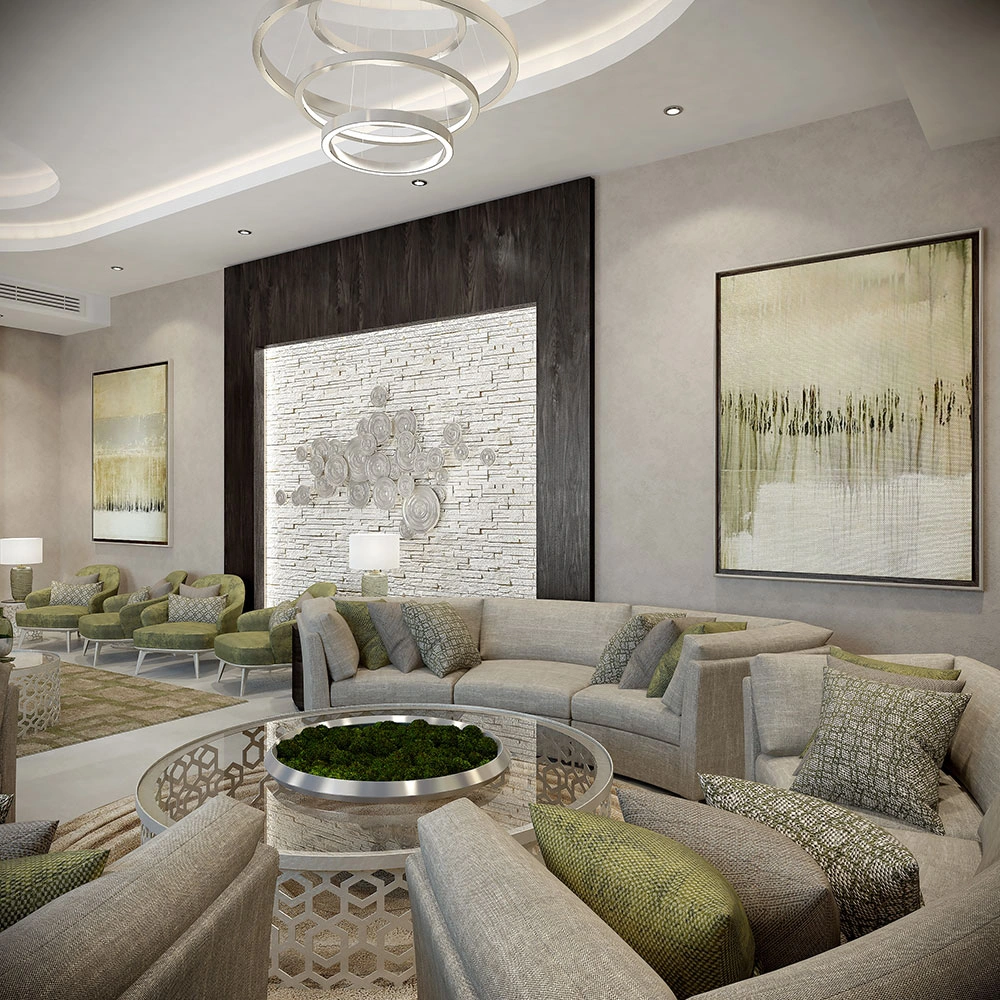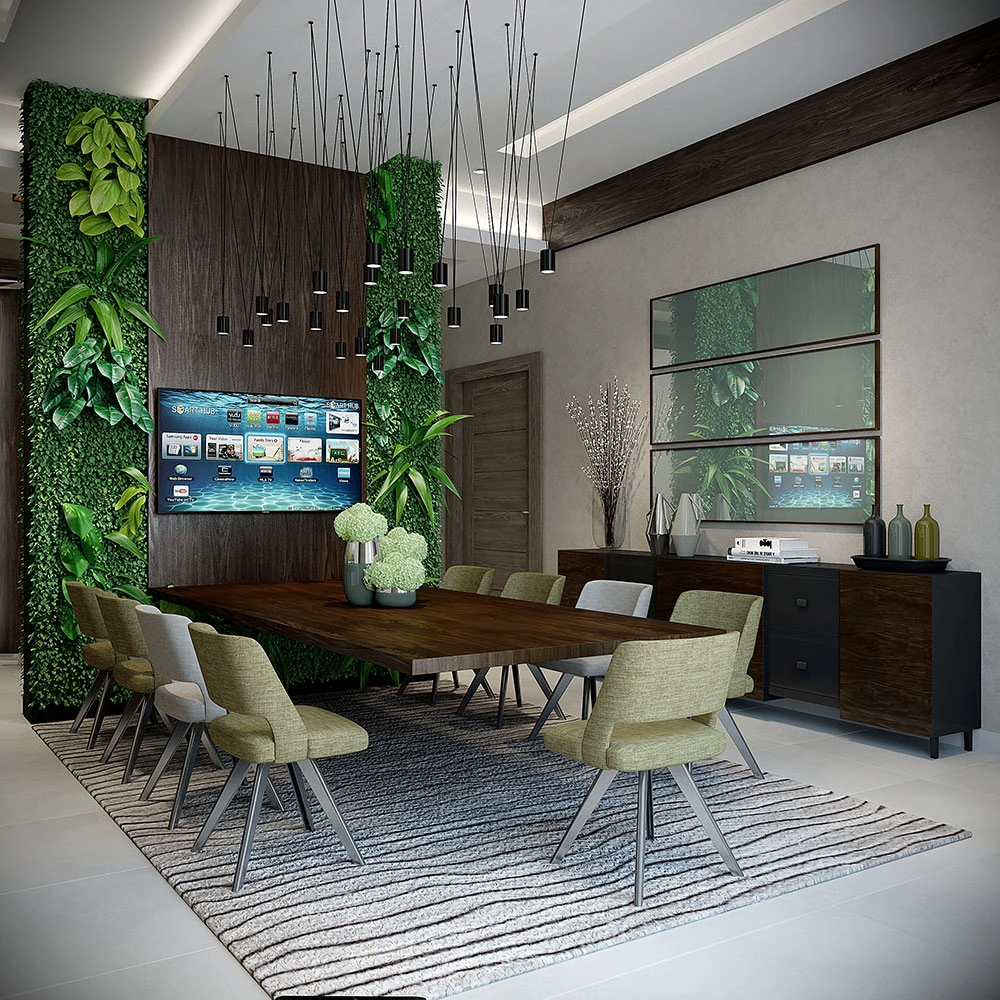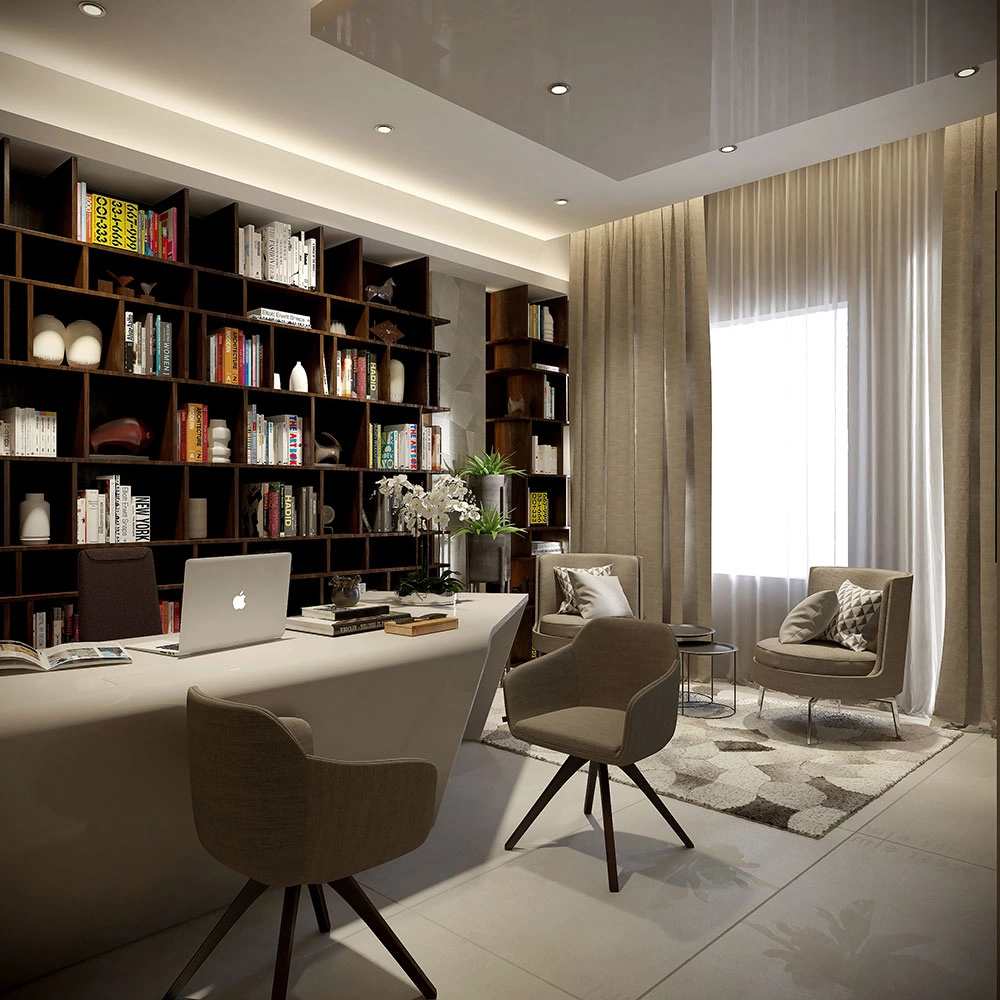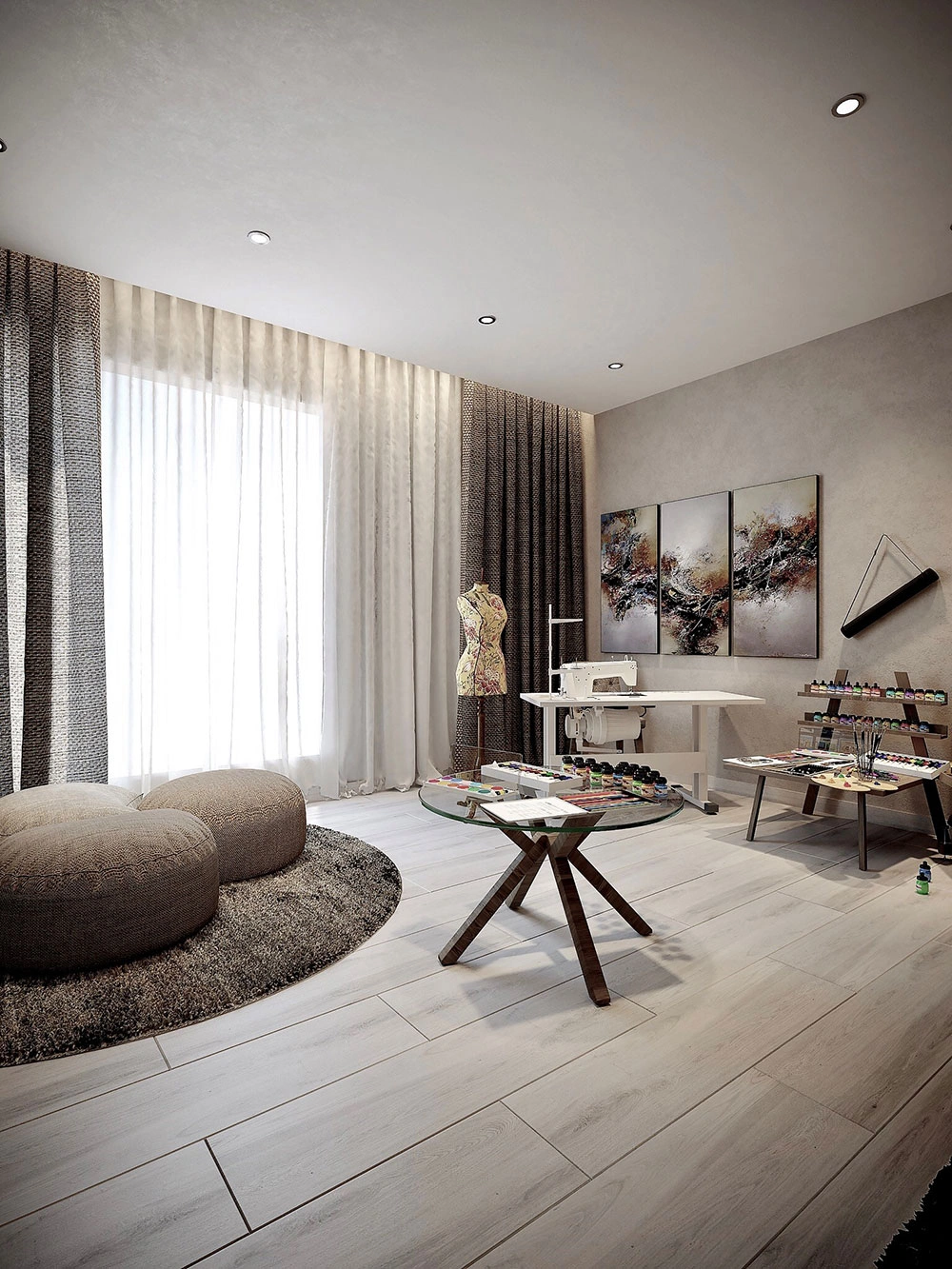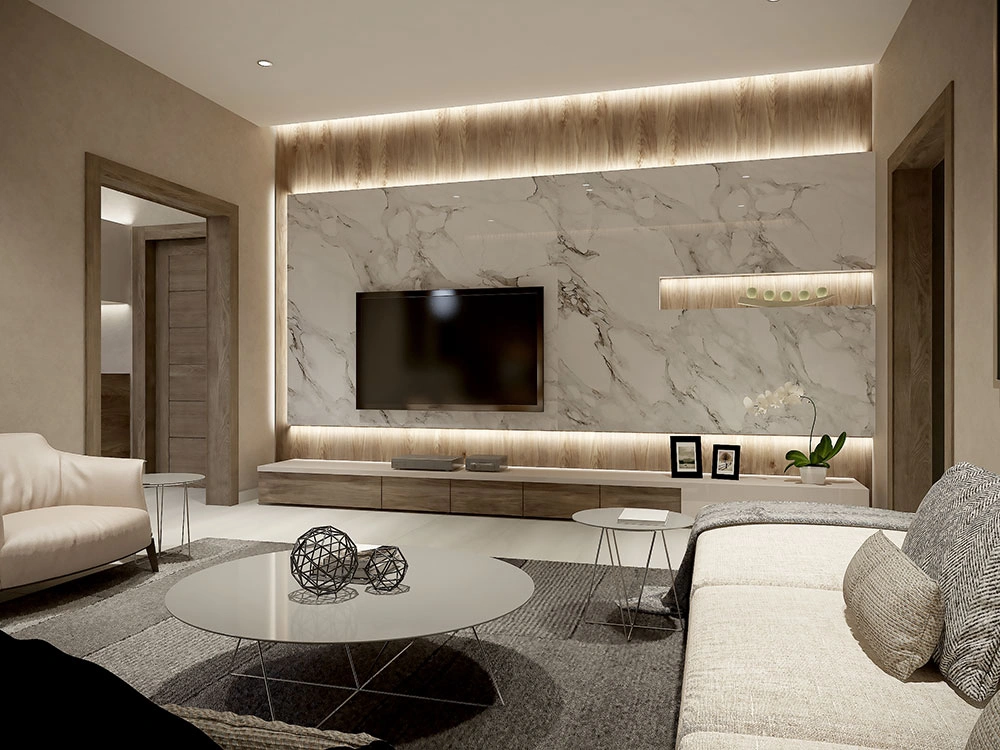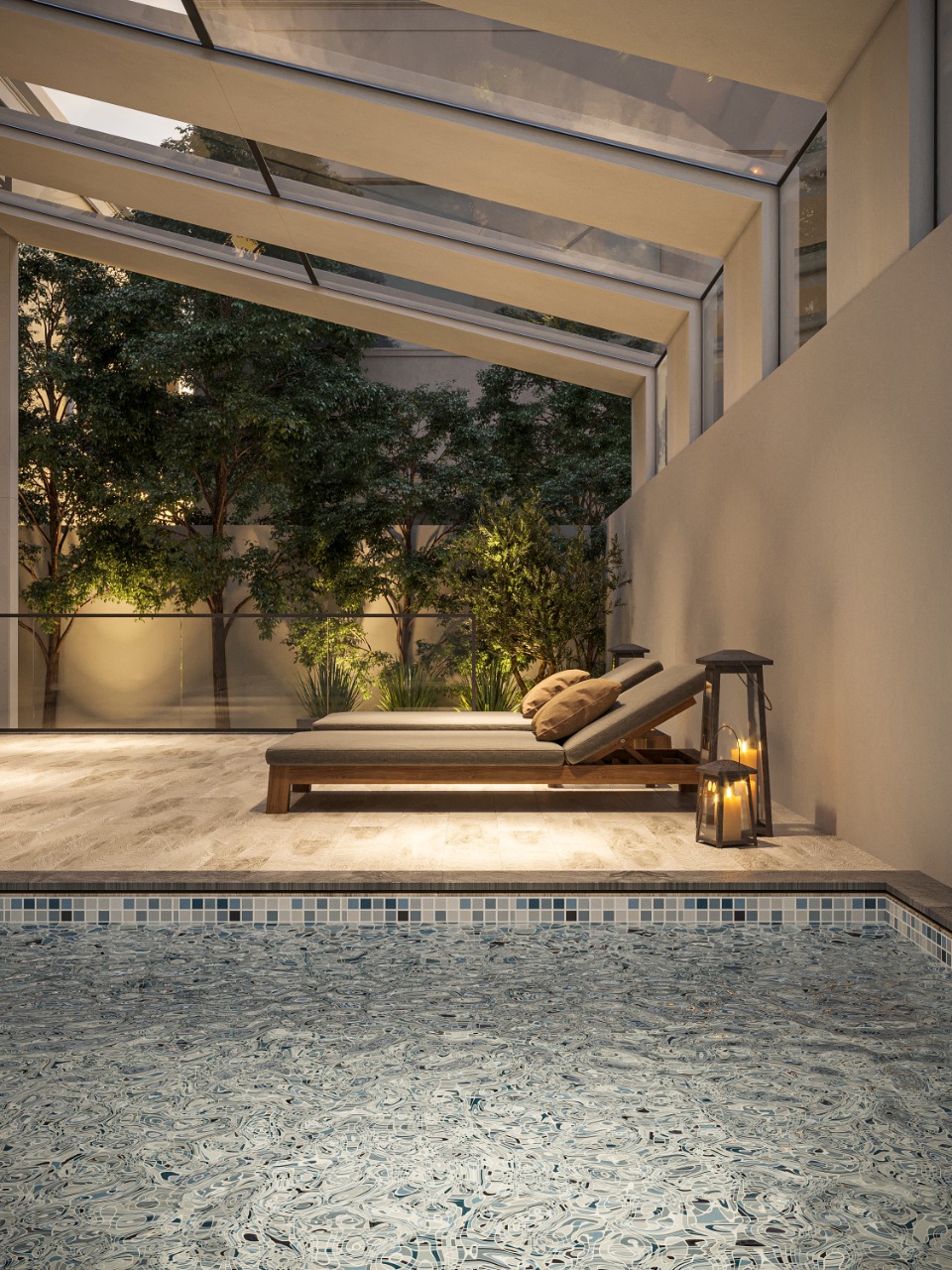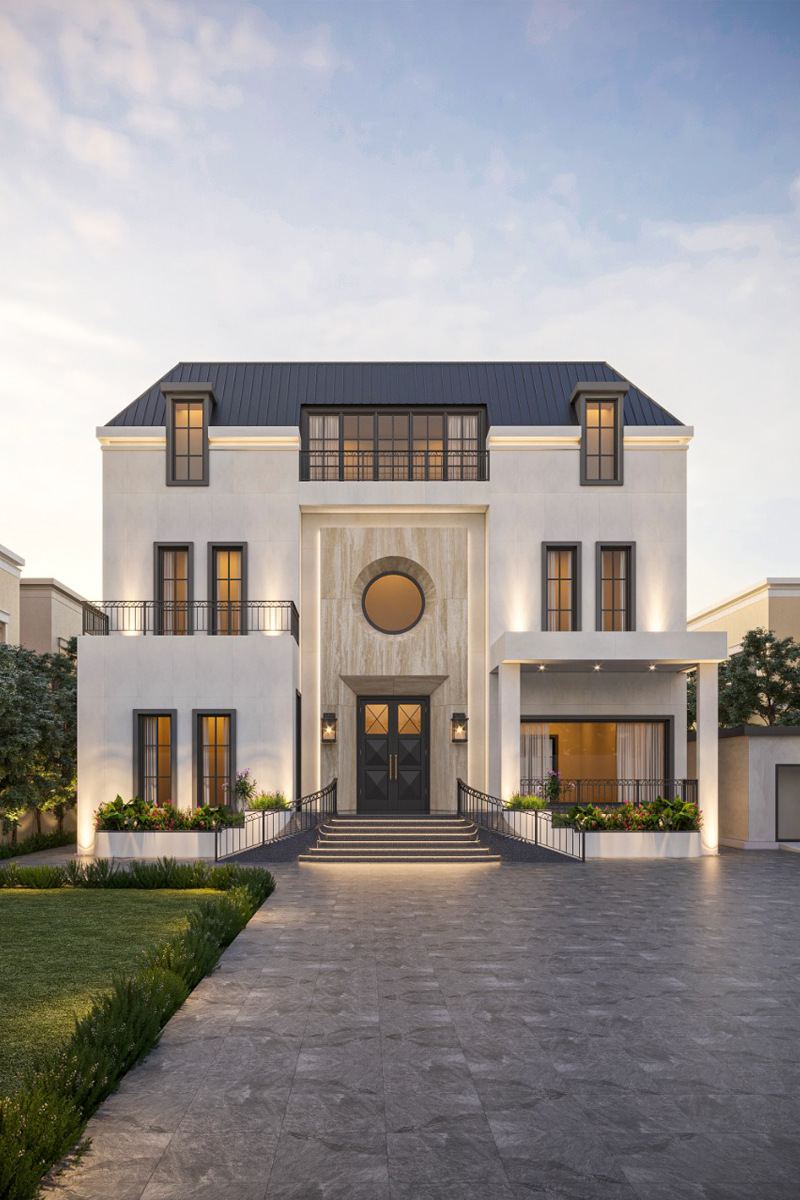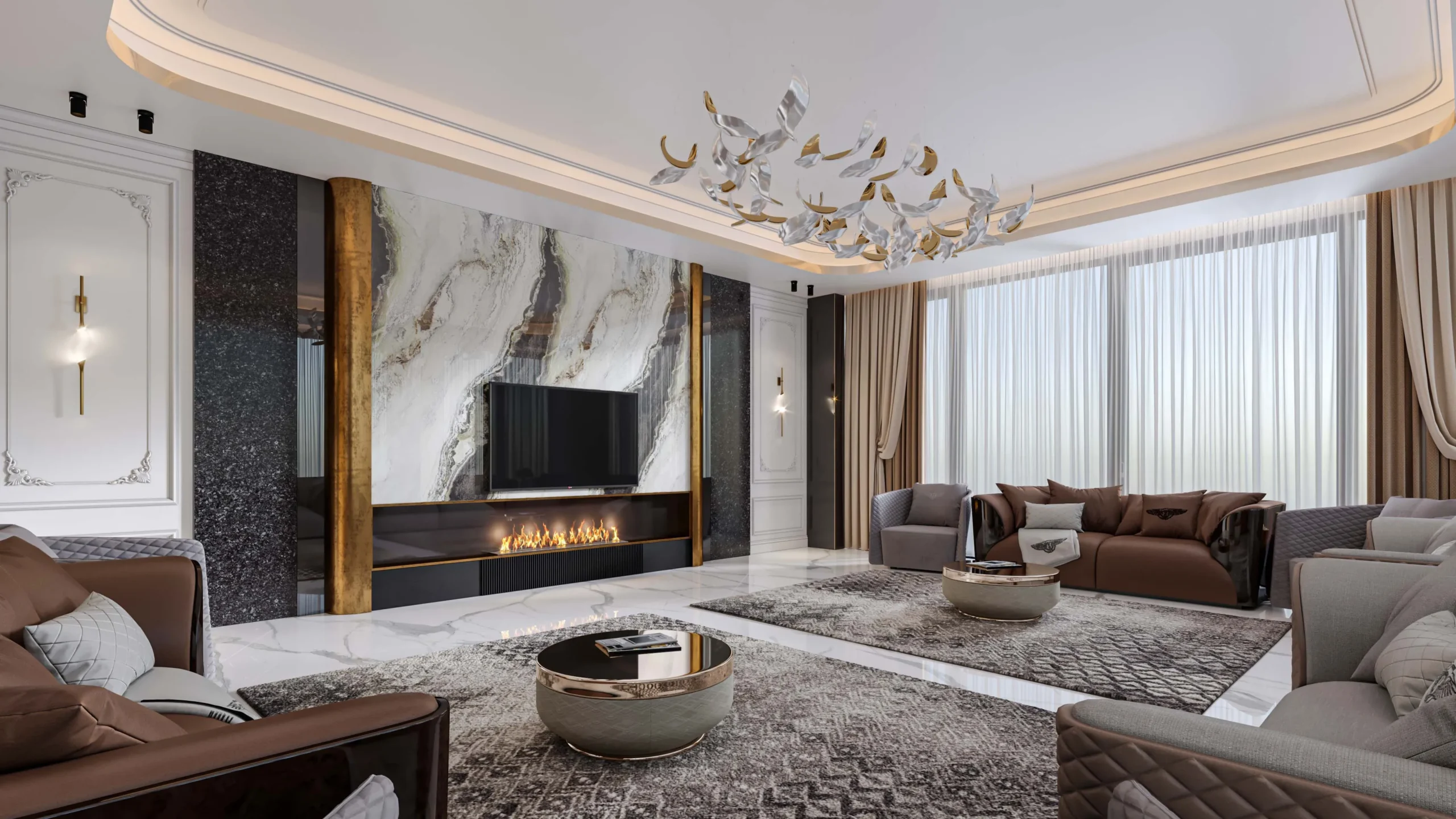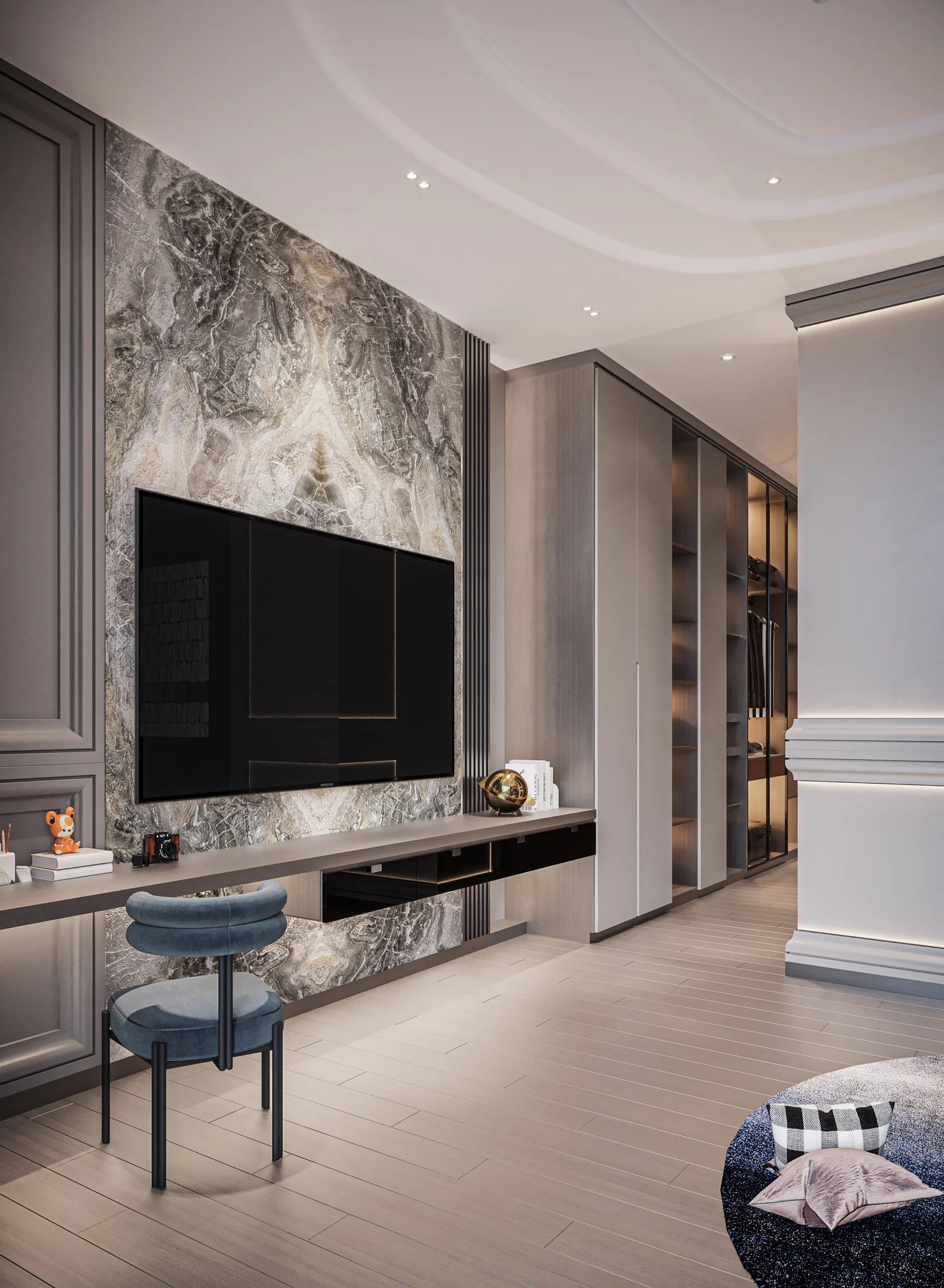
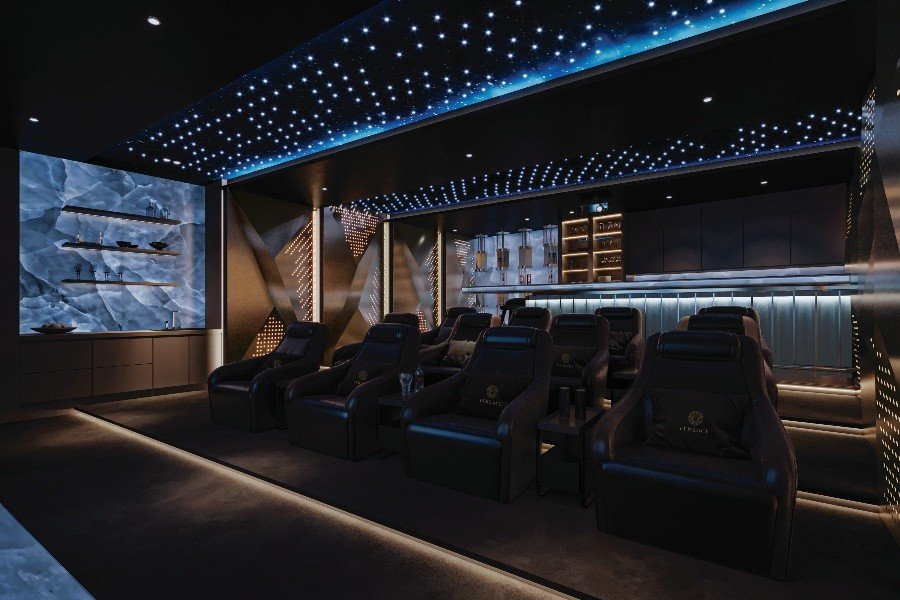
Large villas in Dubai often end up feeling like a collection of separate rooms instead of one connected home. Each space looks fine on its own, but nothing ties them together once you walk from room to room. Cohesive villa interior design solves this by building a shared visual language across the whole property, so the living room, bedrooms, and hallways feel like they belong to the same story.
cohesion comes from consistency, not repetition. A cohesive villa interior uses a shared color palette, a limited set of materials, and connected sightlines between rooms, while still letting each space have its own character. Get these fundamentals right early, and the rest of the design falls into place naturally.
With villa handovers picking up across new Dubai communities this season, many owners are furnishing large homes room by room, often over several months. That approach makes cohesion harder to maintain unless you set the framework early. Our villa interior design service exists partly to solve this exact challenge, keeping a large property visually connected even when rooms get completed at different times.
This article walks through the practical decisions that keep a large villa feeling like one home, not several disconnected ones.
Why Large Villas Struggle With Cohesion More Than Smaller Homes
The bigger the property, the easier it becomes to lose the thread. A three-bedroom apartment naturally stays visually connected because every room sits close together. A large villa with multiple wings, floors, and standalone rooms doesn’t have that built-in advantage. Each space can drift toward its own style without anyone noticing until the whole home comes together.
Villa owners also tend to furnish rooms in phases, often prioritizing the living areas first and finishing bedrooms or a home office later. Without a shared plan guiding those later decisions, later-furnished rooms often end up mismatched with everything completed earlier. Understanding how designers plan a villa around its architecture helps explain why the layout itself, not just the furniture, plays a major role in whether a large home feels connected.
Start With a Shared Color Story, Not a Single Color
Cohesion doesn’t mean painting every room the same shade. It means choosing a coordinated palette that repeats across the villa in different proportions. A neutral base, like warm greige or soft white, can run through most rooms, while two or three accent colors appear selectively in different spaces.
This approach lets a bedroom feel calmer with muted tones, while a living room carries slightly bolder accents, without either space feeling disconnected from the rest of the home. Reviewing luxury interior color palettes built specifically for larger UAE properties gives a useful starting point before committing to paint or finishes.
One detail that often gets overlooked in large Dubai villas is how strong natural light changes color perception room to room. A tone that looks warm in a north-facing bedroom can read cooler in a south-facing living room. Testing colors in the actual rooms, at different times of day, catches this before it becomes a mismatch across the home.
Repeat Materials Instead of Introducing New Ones Every Room
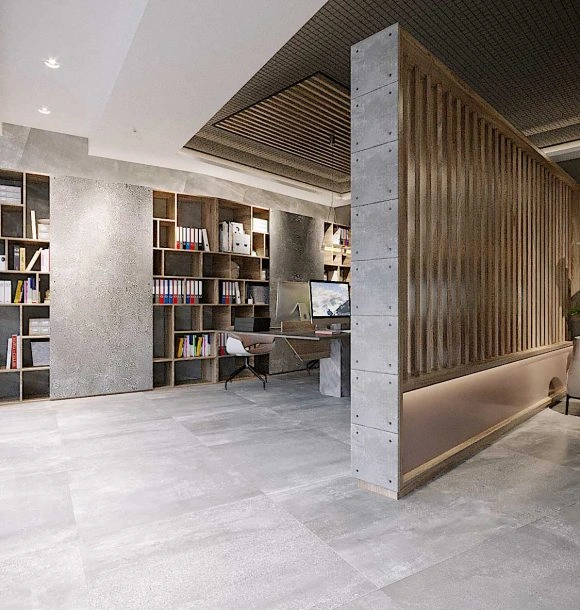
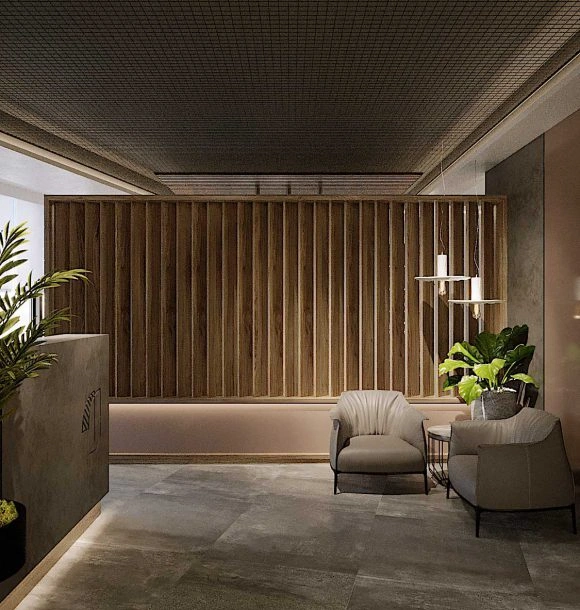
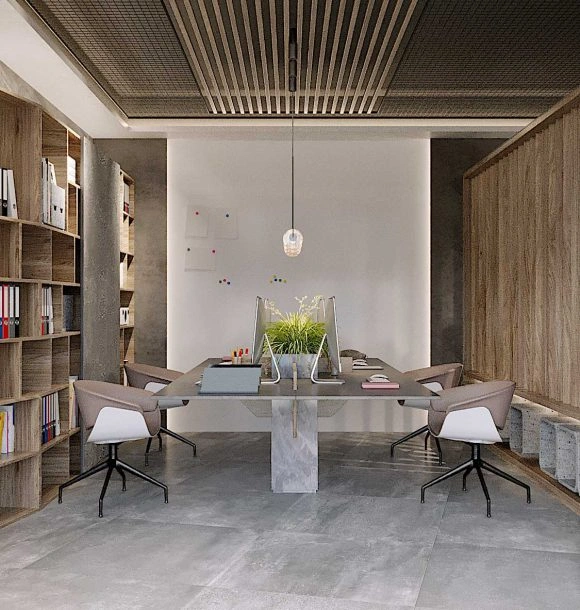
Material consistency does more for cohesion than color alone. Using the same flooring throughout connected living spaces, or repeating a wood tone across joinery in different rooms, creates a visual thread that ties the whole villa together. This doesn’t mean every room uses identical materials, but related ones that clearly belong to the same family.
A common mistake happens when different rooms get furnished at different times, often through different suppliers, and the wood tones or metal finishes end up slightly off from each other. Locking in a material palette early, before any furniture gets ordered, prevents this from happening room by room.
Connect Sightlines Between Open Spaces
In villas with open-plan living, dining, and kitchen areas, cohesion depends heavily on how these spaces read together visually. Furniture heights, rug placement, and lighting fixtures all need to work as one composition rather than three separate room setups. Our guide on open-plan living covers this in more depth, since open layouts fail or succeed based on how well the zones connect visually.
Even in villas with more separated rooms, sightlines from hallways into adjoining spaces matter. If you can see into the living room from the entrance, that first glimpse needs to feel consistent with the rest of the home’s tone, not like a completely different design decision.
A Real Dubai Scenario: When Room-by-Room Decisions Go Wrong
A family moving into a new villa in Arabian Ranches furnished the living room first, choosing warm wood tones and a muted earthy palette. Six months later, they tackled the bedrooms separately, working with a different supplier who leaned toward cooler grey tones and glossy finishes.
The individual rooms looked polished, but walking through the villa felt jarring. The transition from the warm living areas to the cool bedroom wing made the home feel like two different properties stitched together. A shared material and color framework, set before any furniture purchases, would have prevented this split entirely.
Common Mistakes That Break Cohesion in Large Villas
The most frequent mistake is treating each room as an independent project instead of part of one connected home. This happens naturally when furnishing takes months, but it creates visible seams between spaces that were designed months apart.
Another mistake is over-varying accent colors across rooms in an attempt to give each space its own identity. A little variation keeps a home interesting, but too much turns cohesion into chaos. Ignoring natural light differences between rooms also causes mismatches, since the same finish can look completely different depending on which direction a room faces.
Skipping a documented material and color plan is the biggest structural mistake. Without one, even a well-intentioned homeowner ends up making inconsistent decisions simply because nobody wrote down what the earlier rooms used.
Comparing Approaches: Full Cohesion vs Distinct Room Identities
| Approach | Best For | Trade-Off |
|---|---|---|
| Full palette and material cohesion | Owners who want the whole villa to read as one home | Less individual personality per room |
| Distinct room identities with a shared thread | Larger families with varied tastes across bedrooms | Requires more careful planning to avoid feeling disjointed |
| Zone-based cohesion | Villas with clear public and private wings | Public areas stay unified, private areas get more freedom |
Most successful large villa interiors use a version of zone-based cohesion, keeping shared spaces tightly connected while giving bedrooms slightly more individual freedom within the same material family.
Practical Steps for Keeping a Large Villa Design Cohesive
Start with a documented palette and material list before furnishing any room, even if you’re completing the villa in phases. This single document becomes the reference point for every future decision, whether that’s next month or next year.
Work room by room from a master plan rather than starting fresh each time. If you’re working with a design team, ask how they maintain consistency across a multi-room, multi-phase project. A complete villa house design approach typically builds this consistency in from the start, rather than trying to retrofit it after rooms are already furnished.
Revisit the plan periodically, especially in large villas where furnishing stretches over many months. Tastes shift slightly over time, and a quick check against the original palette keeps later rooms aligned with earlier ones instead of drifting.
Why Professional Planning Matters More in Larger Homes
The larger the villa, the more decisions there are to keep track of, and the easier it becomes for small inconsistencies to add up into a disconnected result. A structured interior design process helps because it documents decisions as they happen, rather than relying on memory across a project that might span half a year or more.
This matters even more for villas with distinct zones, like a separate maid’s room wing, a home office, or an outdoor majlis, where it’s tempting to treat each area as unrelated to the main home. Keeping even these secondary spaces within the same material and color family makes the whole property feel considered, not assembled piece by piece.
Frequently Asked Questions
Q1: What makes a villa interior design feel cohesive?
A: Cohesion comes from a shared color palette, consistent materials, and connected sightlines between rooms. Each space can have its own character, but they all draw from the same visual framework rather than looking like separate, unrelated projects.
Q2: How do you keep a large villa consistent when furnishing room by room?
A: Document a color and material plan before furnishing any room, then reference it for every later decision. Working from a master plan, even across several months, prevents later rooms from drifting away from what earlier rooms already established.
Q3: Should every room in a villa use the same color scheme?
A: No. A shared neutral base with two or three accent colors works better than using identical colors everywhere. This lets each room feel distinct while still reading as part of the same home.
Q4: How much does it cost to design a full villa cohesively in Dubai?
A: Costs depend on the villa’s size, material choices, and how much custom joinery or furniture the project involves. Planning cohesion into the process from the start generally costs less than fixing mismatched rooms after they’re already furnished.
Q5: Is it worth hiring a designer for a large villa instead of furnishing room by room independently?
A: For large properties, yes, in most cases. A designer maintains one consistent plan across the whole villa, which is difficult to replicate independently when different rooms get furnished at different times, often through different sources.
Ready to Bring Your Whole Villa Together?
A large villa only feels like one home when every room speaks the same visual language, even if each space has its own personality within that framework. Getting the palette, materials, and sightlines right from the start saves you from stitching together mismatched rooms later.
If you’re planning a full villa interior in Dubai, La Firma’s home interior design service builds that consistency in from day one, so every room, whether finished this month or next year, still feels like part of the same home.