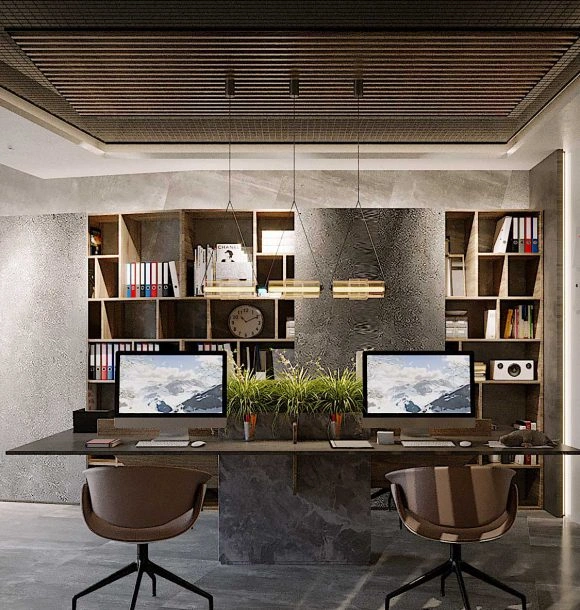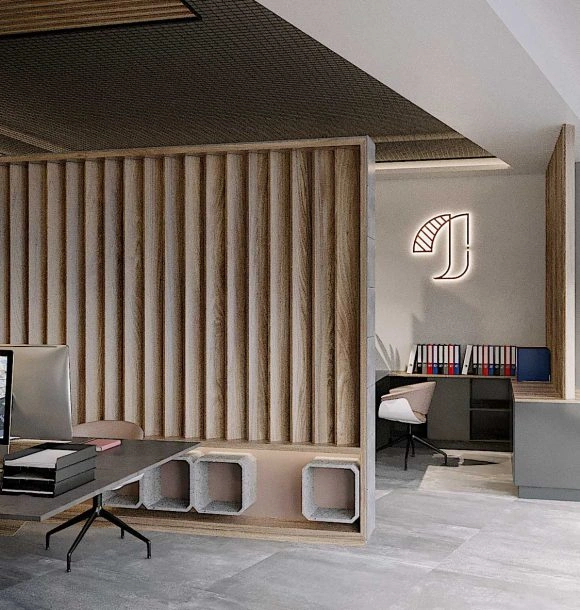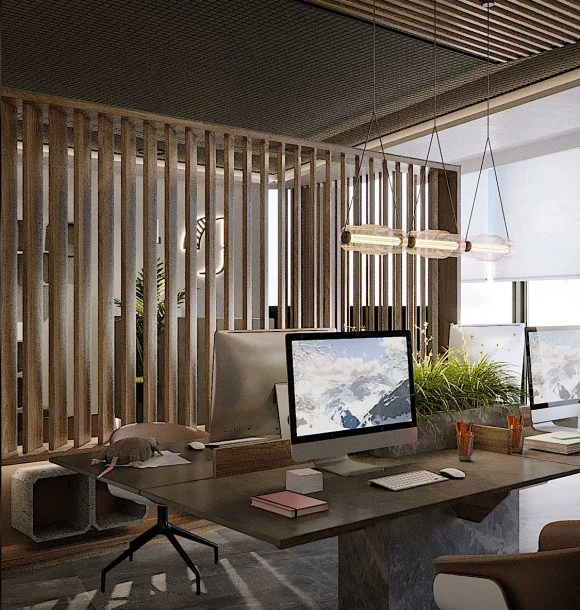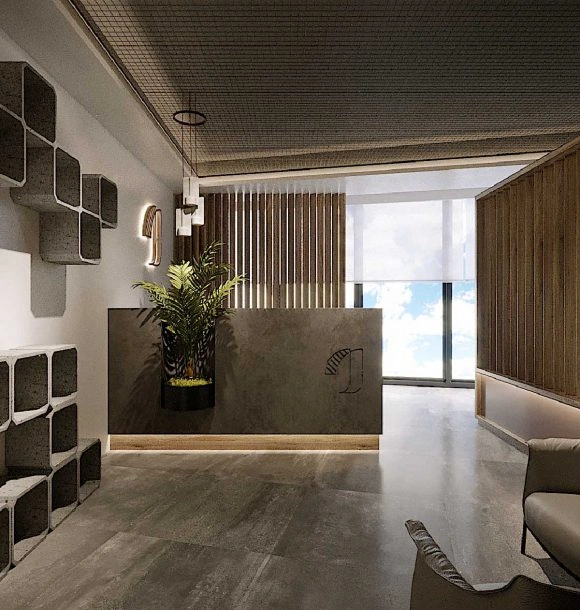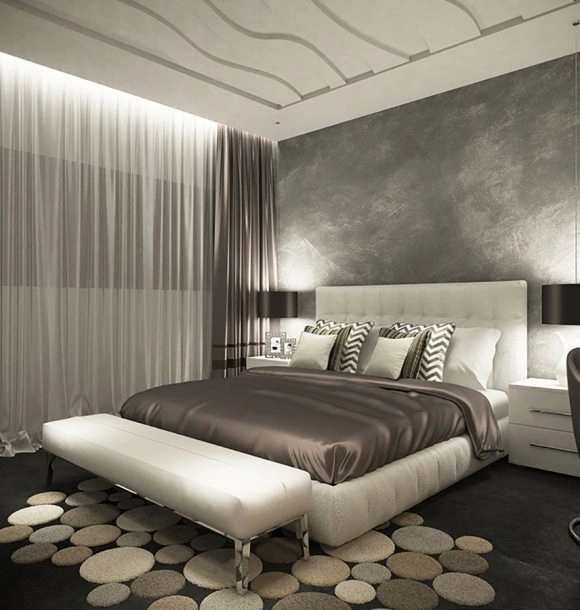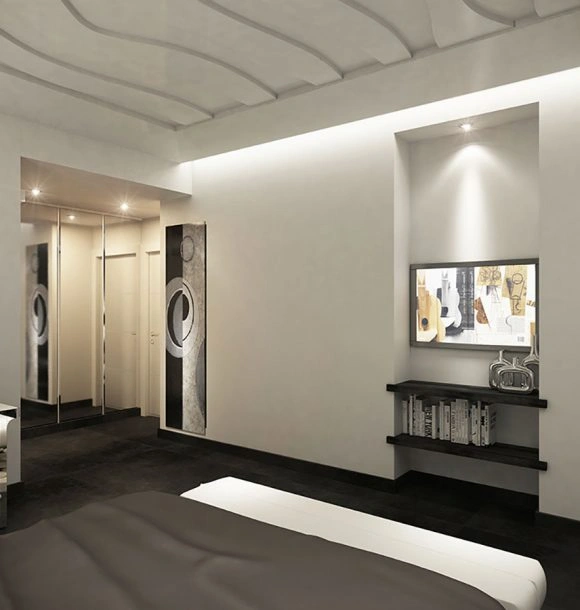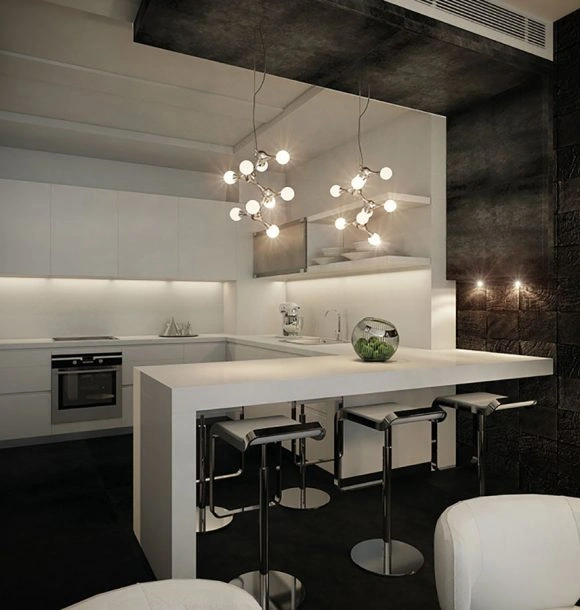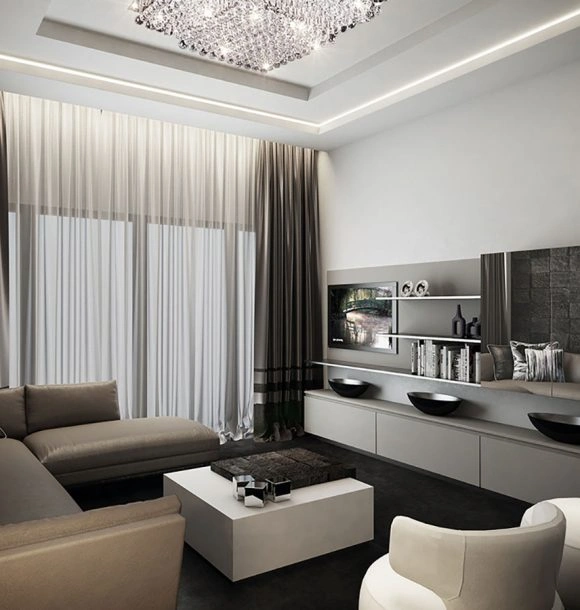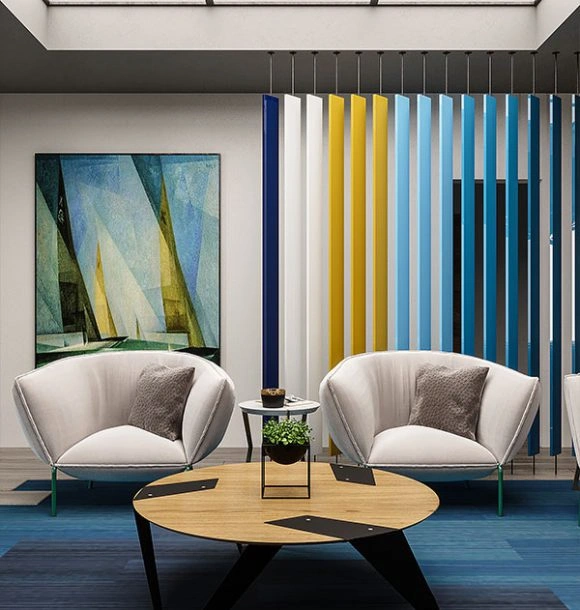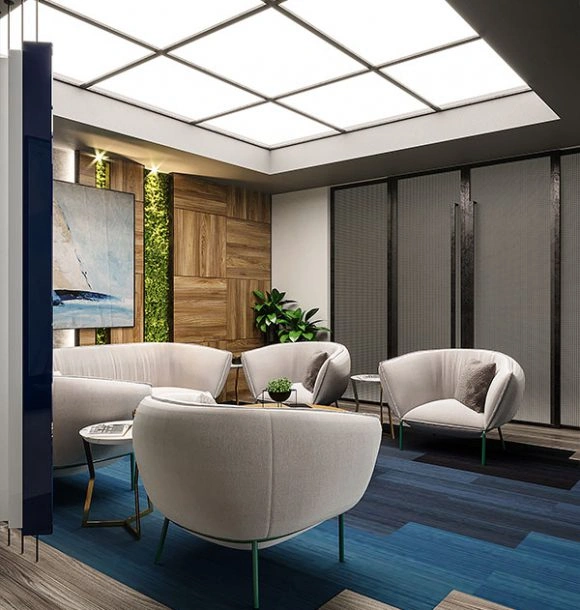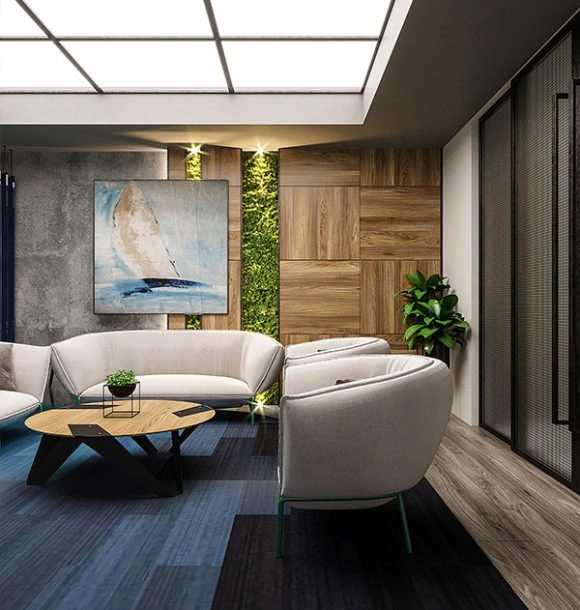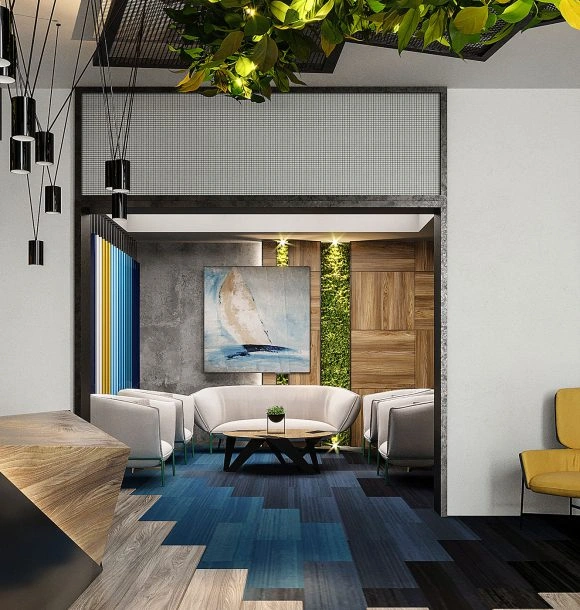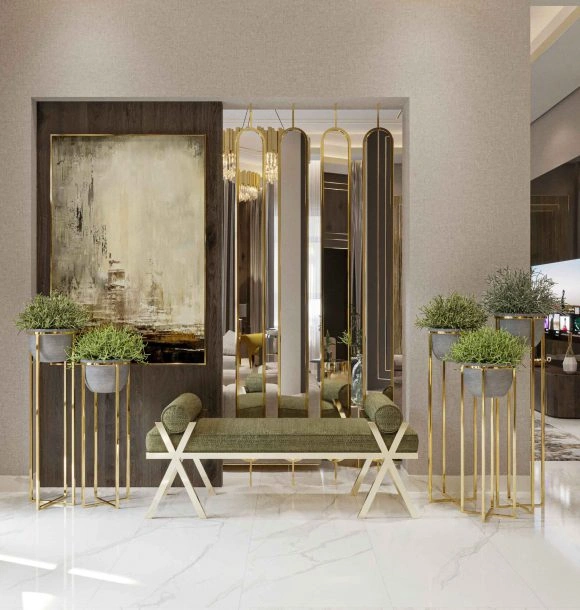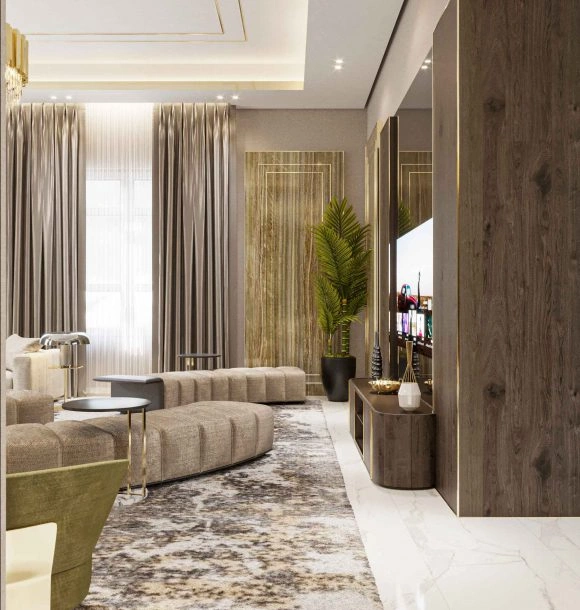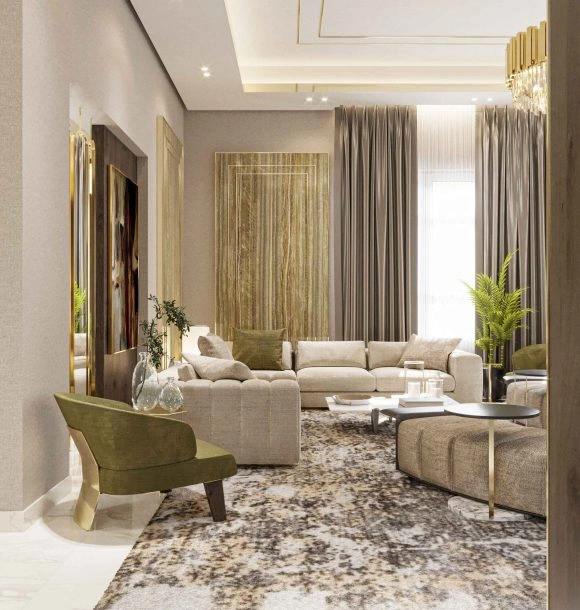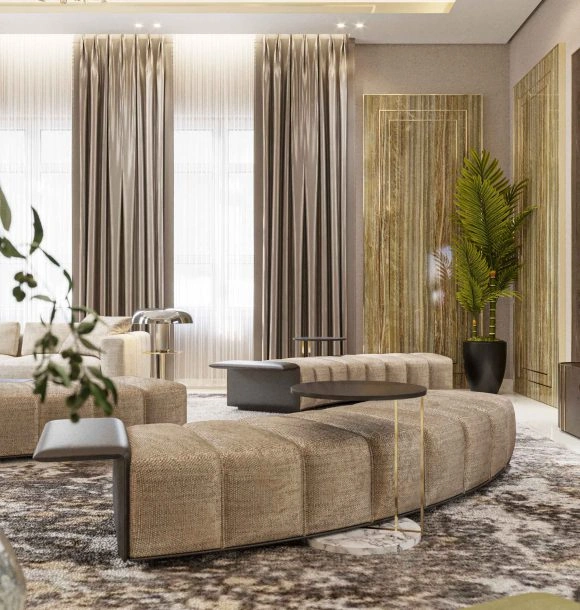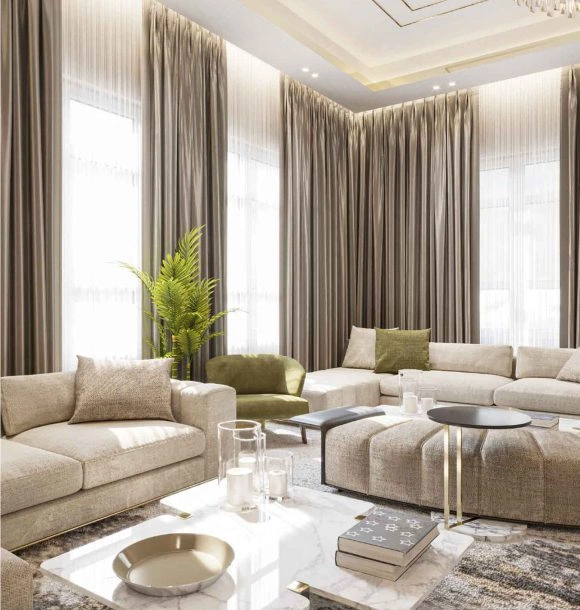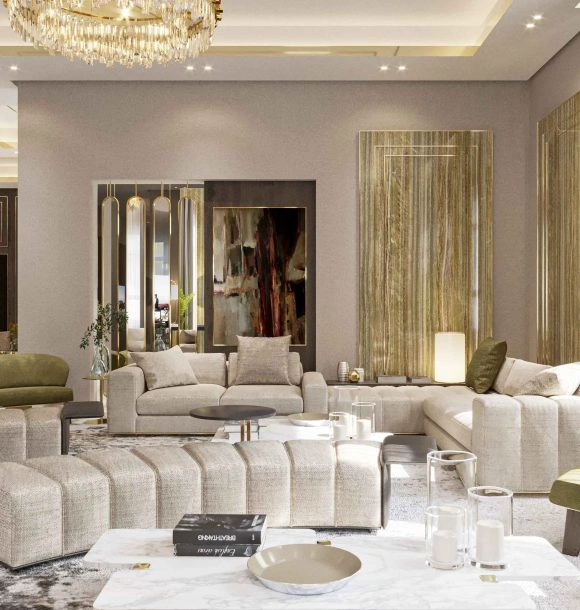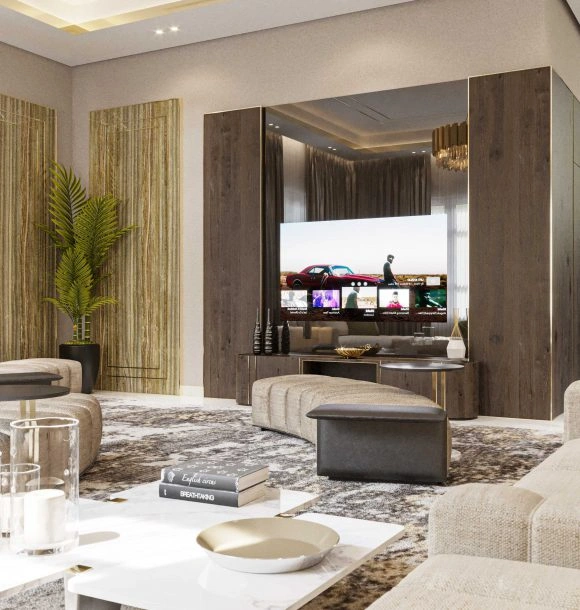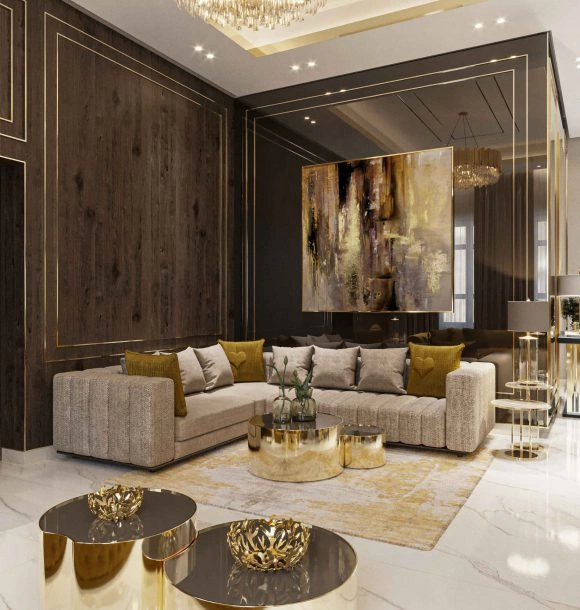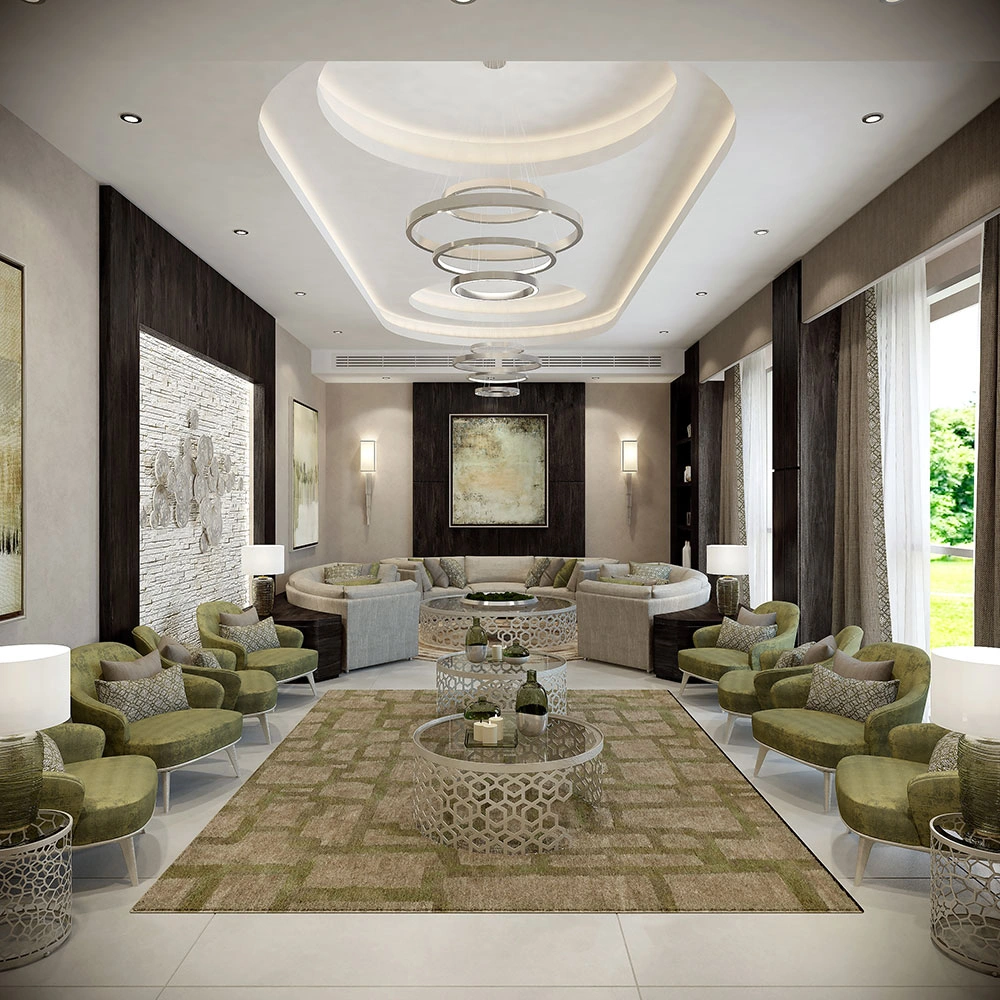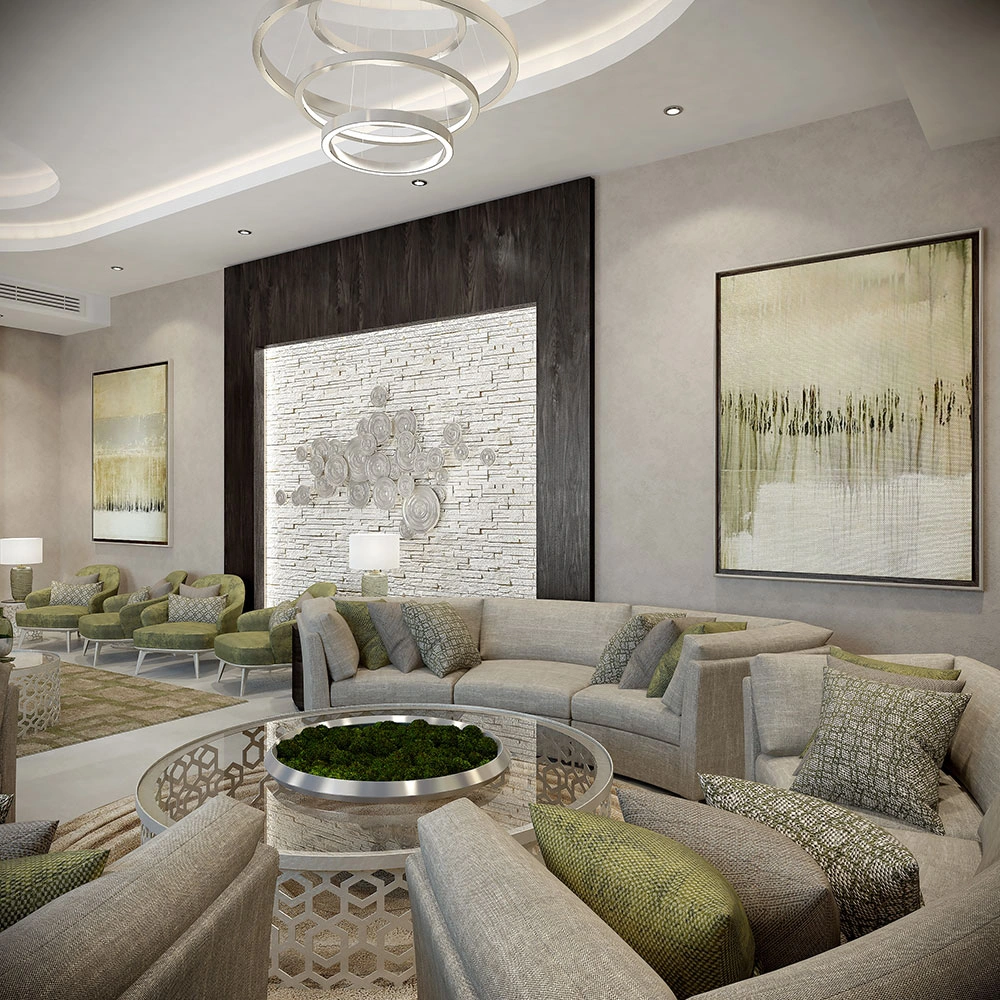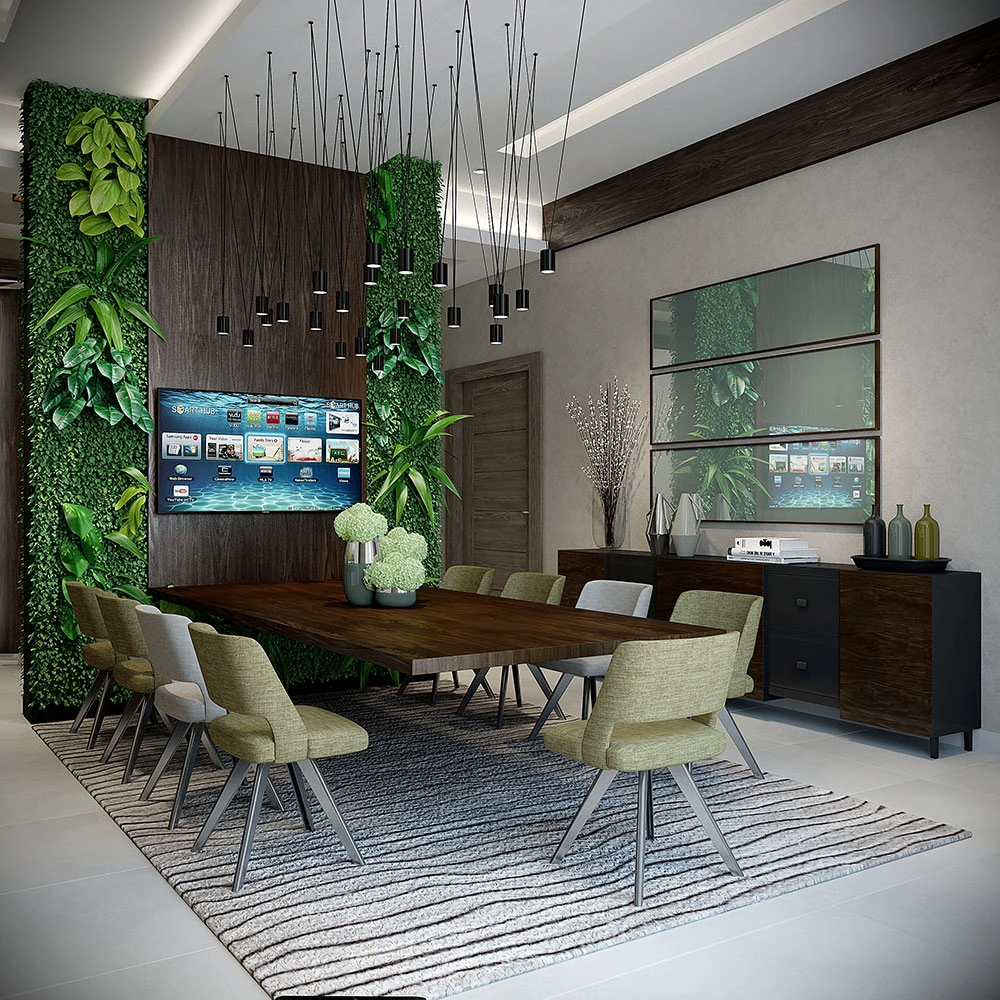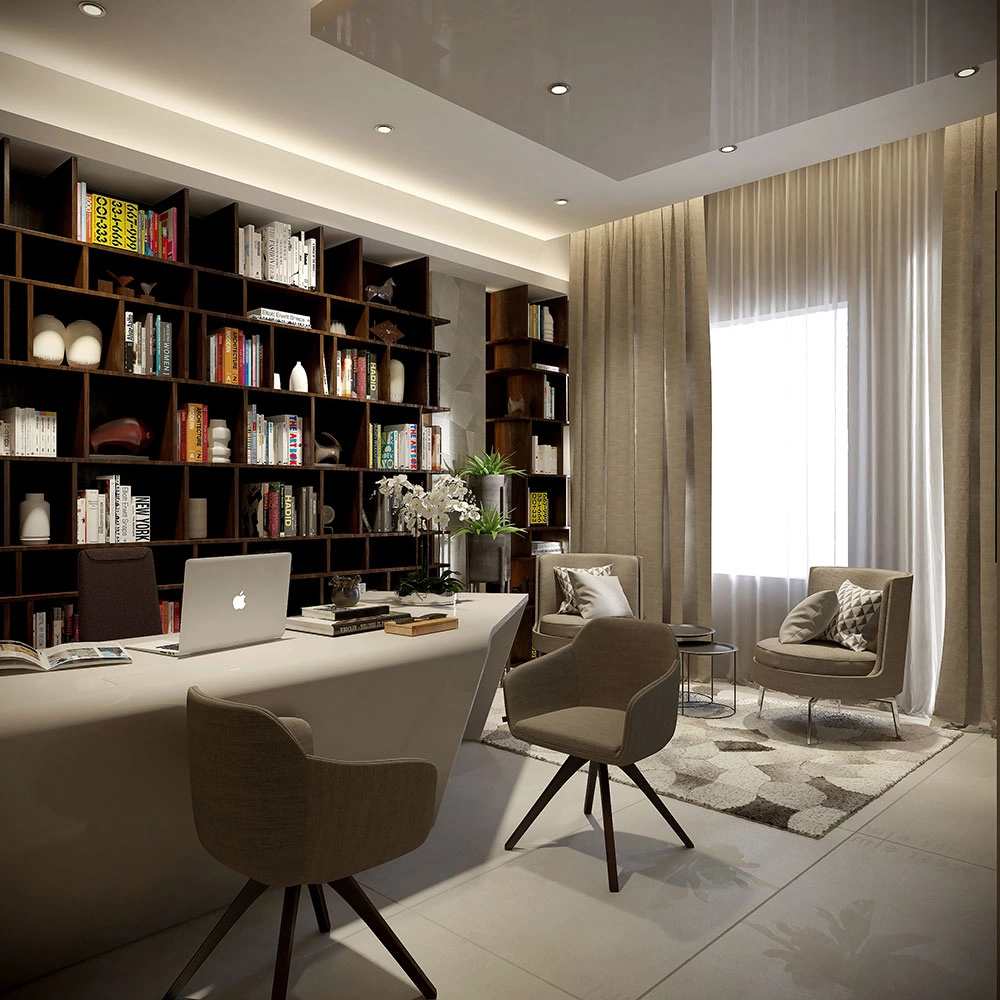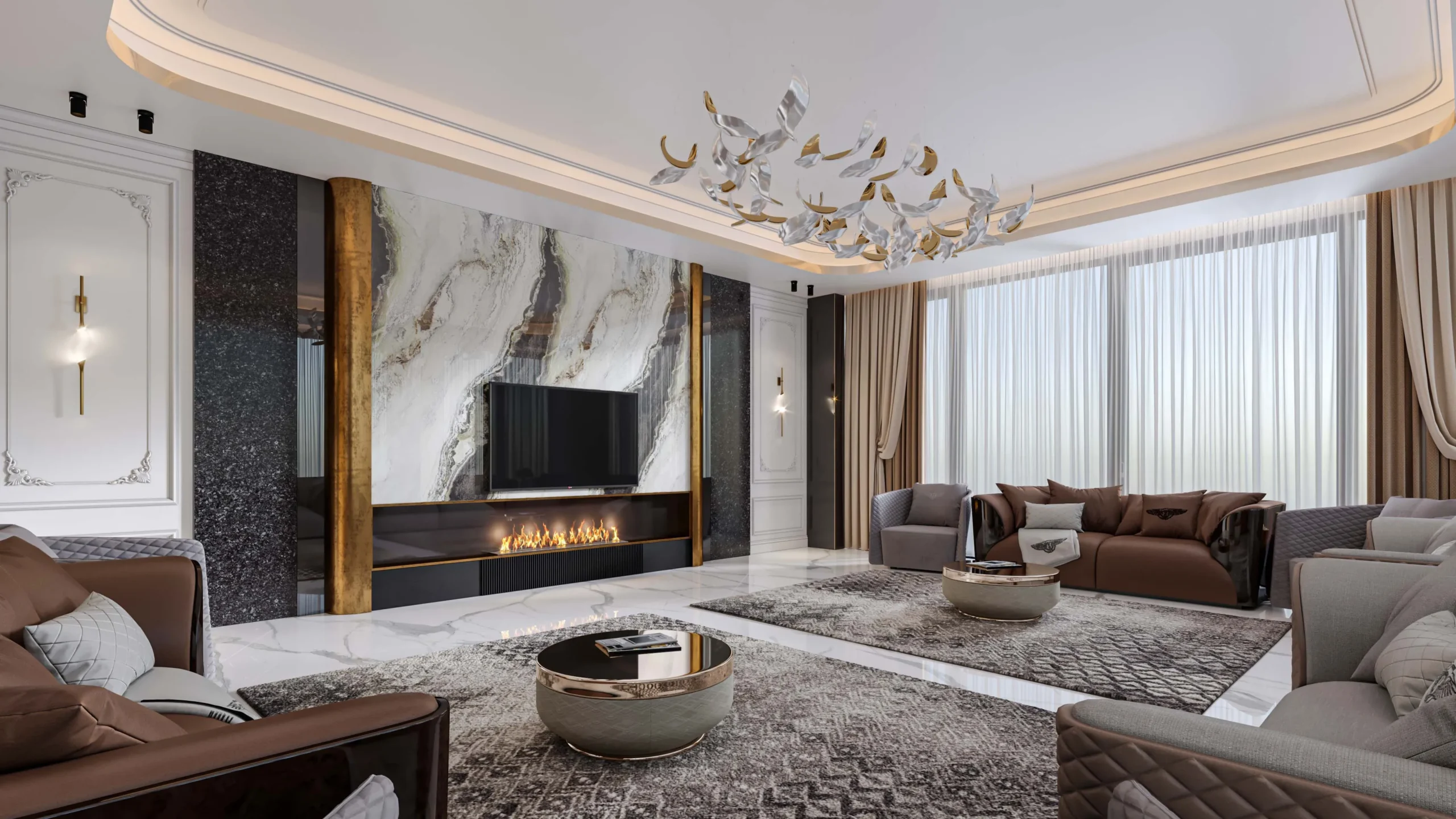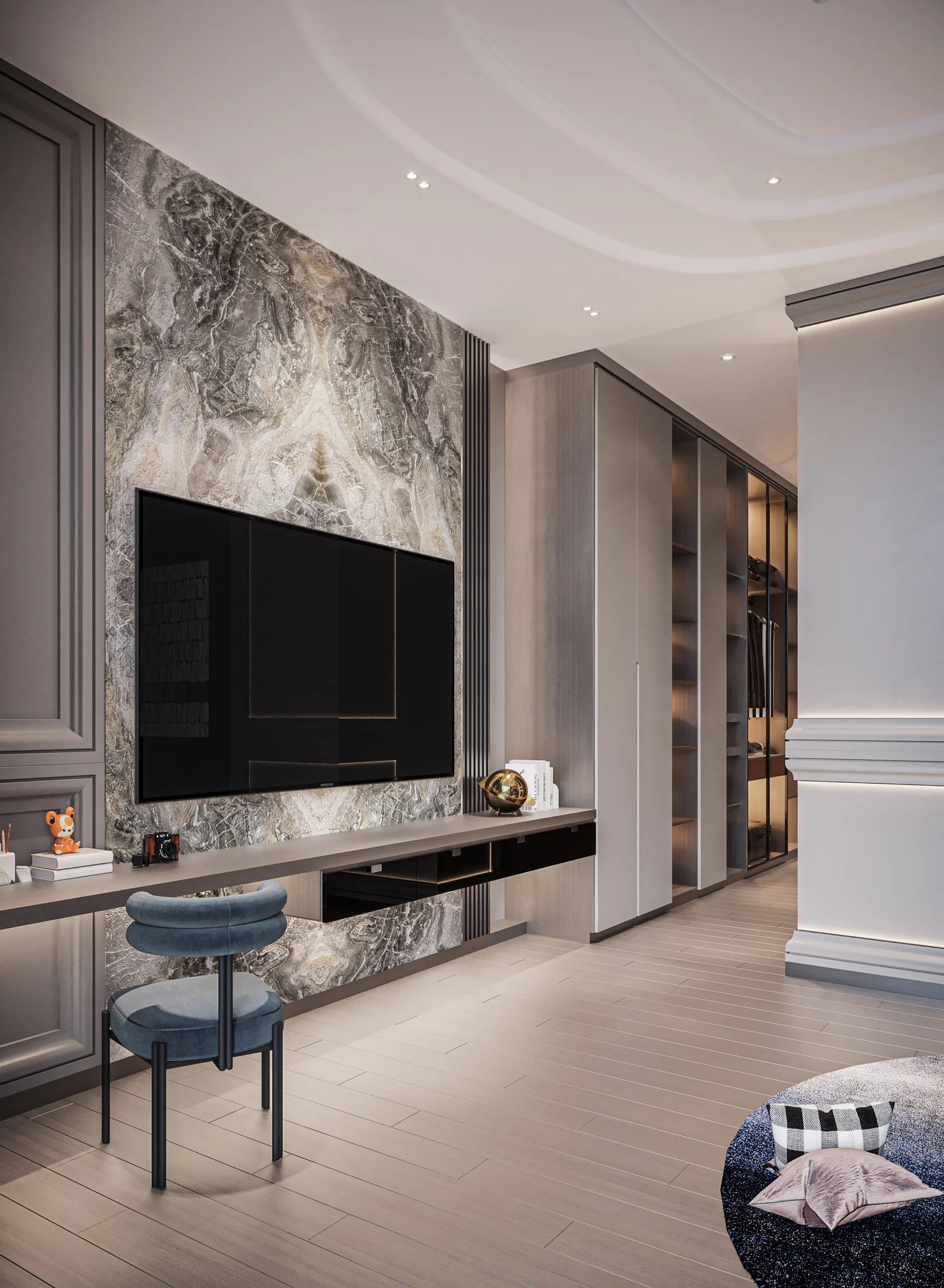
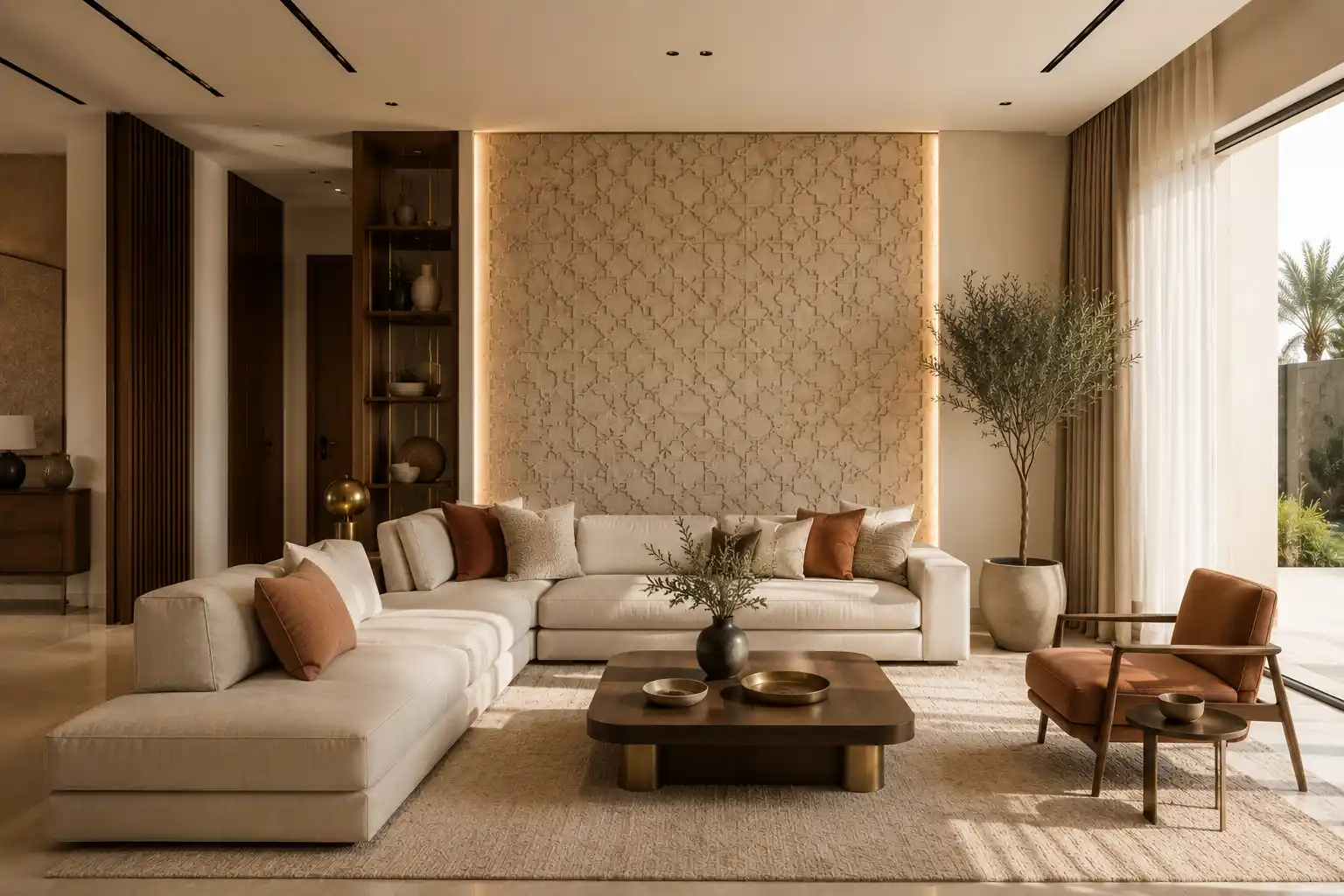
Picking an interior style for a UAE home works best when you start with how you actually live, not a Pinterest board. Consider your property type, the region’s light and heat, and how long you plan to stay before committing to a look then treat style as the finishing layer, not the starting point.
Key takeaway:
The right interior style isn’t the one that photographs best. It’s the one that still works for your household in five years, in Dubai’s climate, with your actual daily routine.
Picking an interior style for a UAE home is usually the part homeowners get stuck on the longest. The layout might already be sorted, the shell might already be handed over, but the question of what the space should actually look like keeps getting delayed because there are too many directions to choose from.
This decision tends to surface at the same point every year during summer renovation season, or in the weeks after a new villa handover, once the shell is ready and finishing choices can no longer wait.
The trouble is that most style guides show you options without helping you choose between them. A home interior design approach that starts with how you actually live, rather than with trending photos, tends to hold up far better once the initial excitement fades.
This isn’t a list of every style available. It’s a practical way to narrow down what will genuinely work for your property, your climate and your household.
What “Interior Style” Actually Means in a UAE Home
Interior style is the consistent set of choices materials, colours, forms and details that give a home a recognisable character. In a UAE home, style has to work alongside a second, less visible layer: how the space performs under strong light and constant AC use.
That’s the detail most generic style guides skip. A look that reads beautifully in a cooler climate can behave completely differently once it’s tested against Gulf sunlight and a demanding cooling schedule.
Start With Climate and Light, Not Trends
Before settling on a direction, it helps to understand how your home’s orientation and window placement will treat that style once it’s built out.
Materials That Handle UAE Heat and Humidity
Fabrics, timber finishes and stone all age differently here than they do in milder climates. Heavier textiles can trap heat near seating areas, and untreated timber can warp near glazing that gets direct afternoon sun. Materials chosen with UAE conditions in mind tend to keep their character years longer than ones chosen purely on appearance.
Let Natural Light Guide the Palette
Strong outdoor light changes how colour reads indoors, sometimes dramatically. Natural light design in UAE homes usually calls for warmer, softer tones in rooms with intense afternoon sun, and allows for richer, more saturated colours in rooms that get gentler, indirect light.
Match the Style to Your Property Type
The same style can succeed in one property type and struggle in another, simply because of scale and structure.
Villas Have Room to Commit to a Strong Style
Larger volumes, higher ceilings and multiple rooms give villas the room to carry a defined, detailed style without it feeling forced. Looking at interior style options built for UAE villas is a useful next step once you know roughly which direction appeals to you.
Apartments Reward a Lighter Touch
Smaller footprints punish over-decoration quickly. A style that leans on strong architectural detailing can make a compact apartment feel busy rather than intentional. Apartment interior design in Dubai generally works better with a restrained palette and fewer, better-chosen pieces than a villa would need.
The Main Style Directions UAE Homeowners Choose Between
Most homeowners here land somewhere between four broad directions, rather than picking one in its purest form.
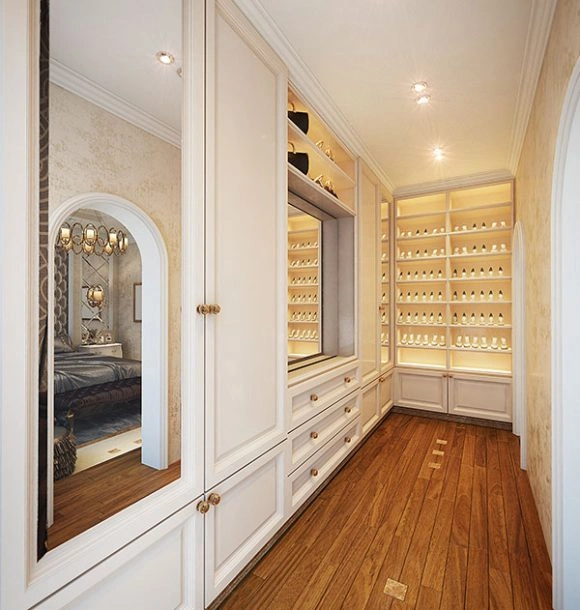
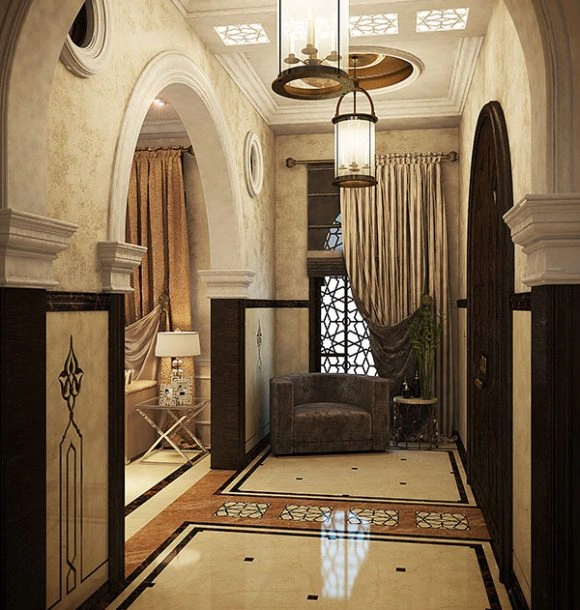
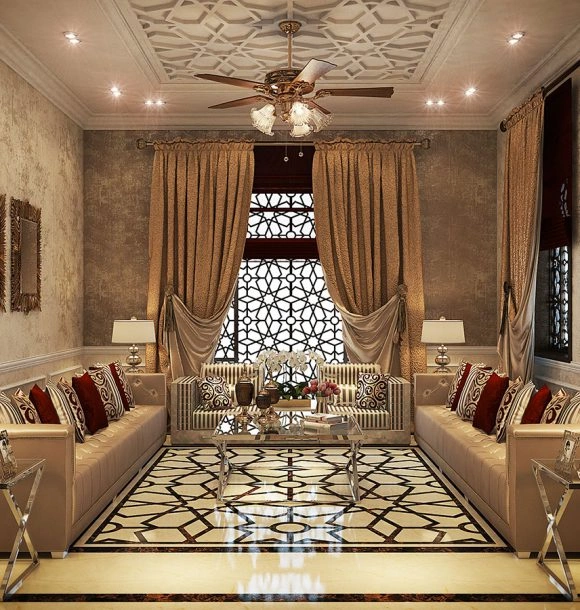
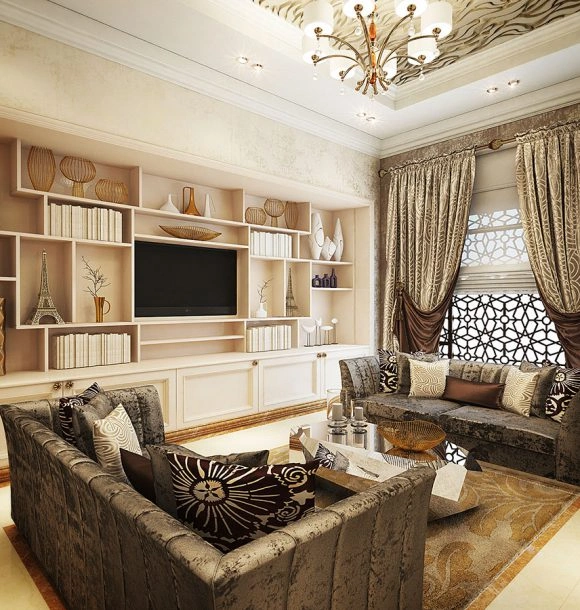
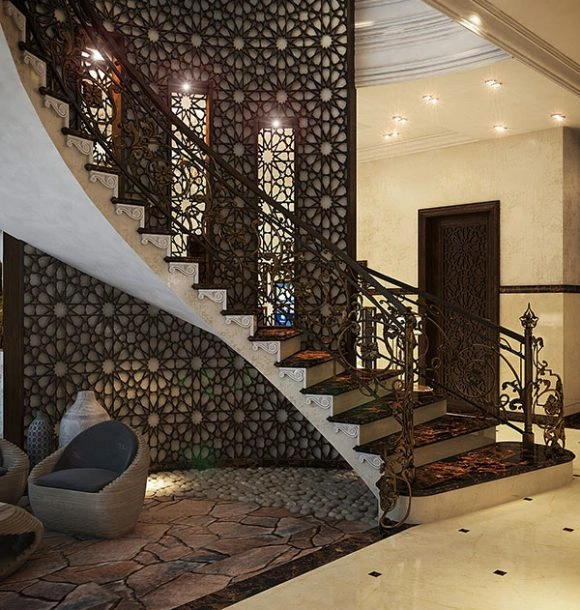
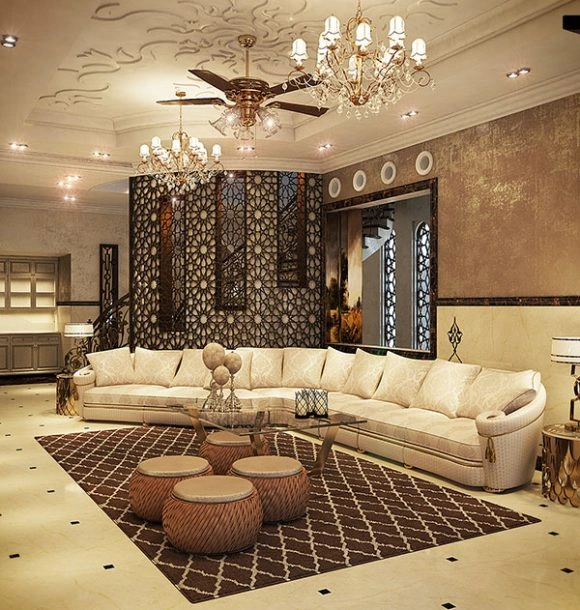
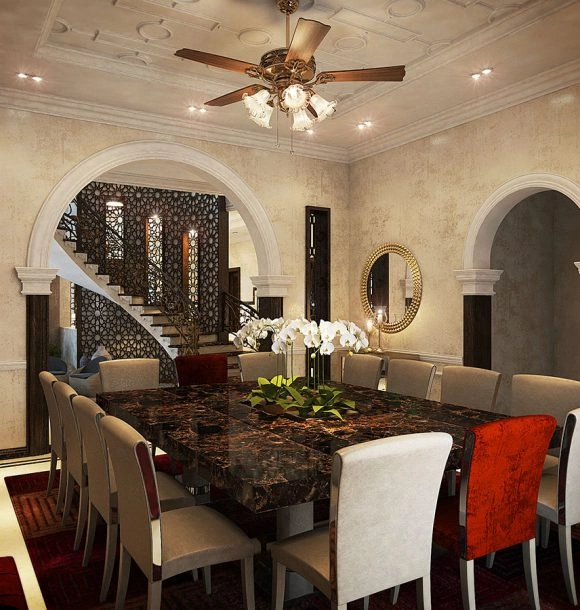
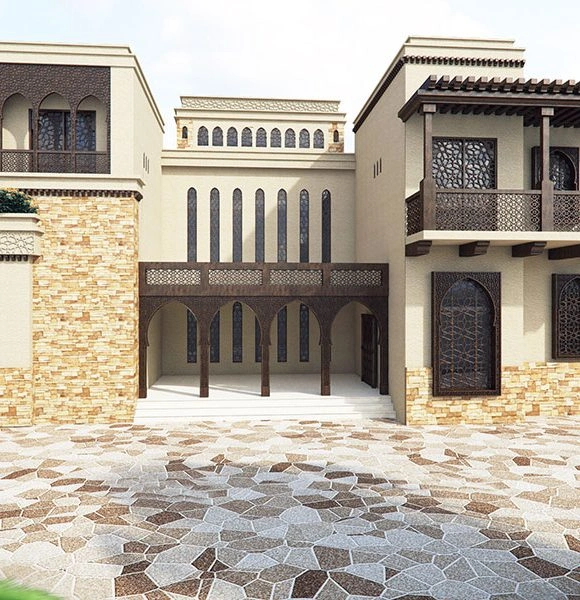
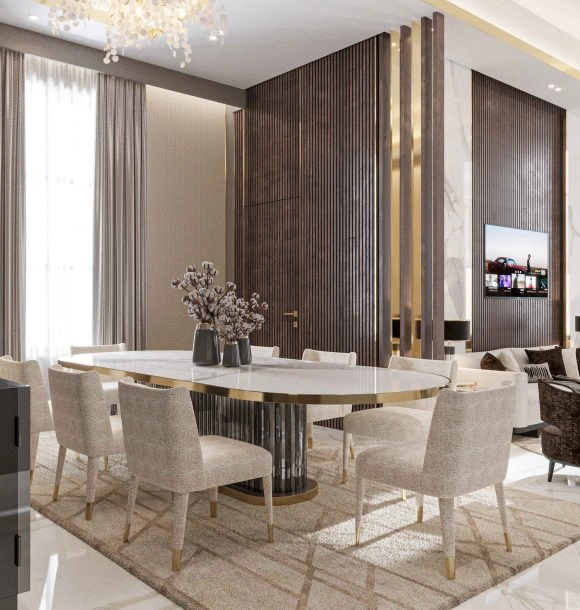
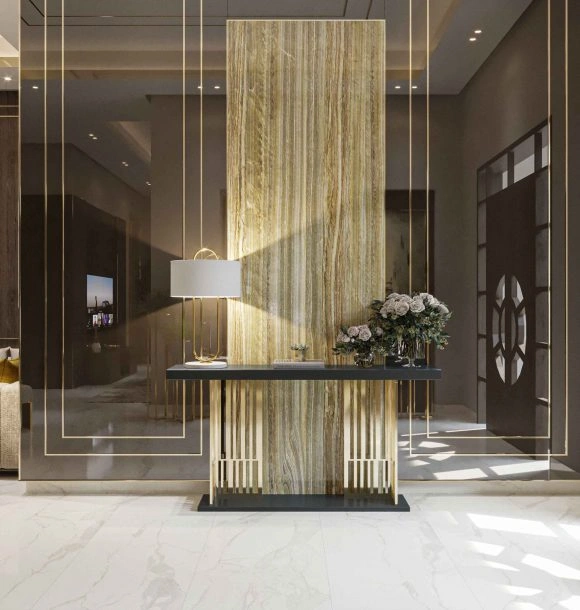
A fusion approach modern Arabic-inspired interiors brings in local character through pattern, arches or joinery detail without committing to a fully traditional look. It tends to suit villas where there’s enough space for the detailing to read as intentional rather than cramped.
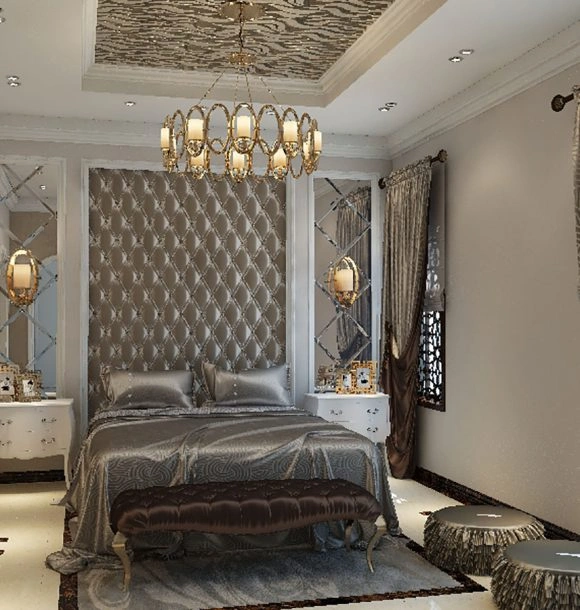
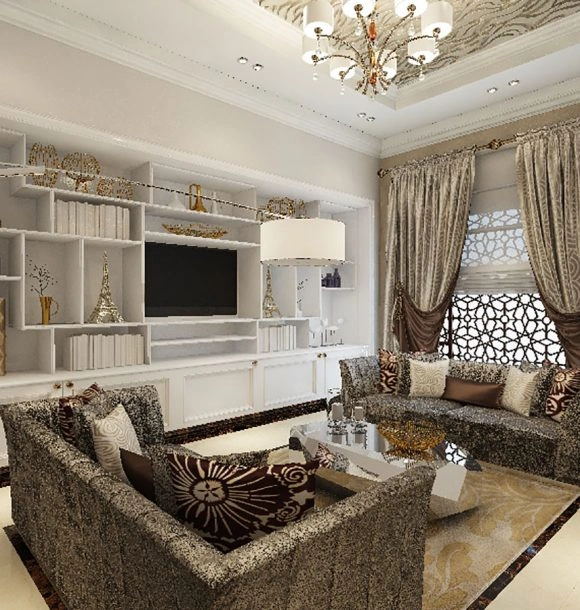
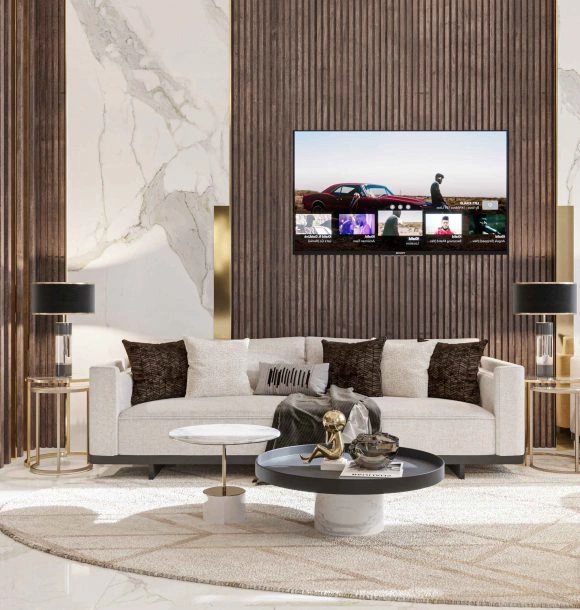
For households that inherited furniture they want to keep, or simply can’t commit to one strict direction, blending traditional and modern UAE design is often the most realistic path. Done well, it feels curated rather than undecided.
If you want a full breakdown of every style option available, La Firma’s complete interior design style guide for Dubai homes covers the wider range in more depth than this guide does.
How Long You Plan to Stay Changes the Right Choice
A style decision for a five-year owned villa should look different from one for a two-year apartment lease. Long-term owners can justify custom joinery and structural detailing, since the cost amortises over years of daily use.
Renters and shorter-term owners generally get more value from a style built around furniture, textiles and lighting rather than permanent changes. It keeps the look flexible and the cost recoverable if a move comes sooner than planned.
A Quick Way to Decide
| Style | Best Fit | Watch Out For |
|---|---|---|
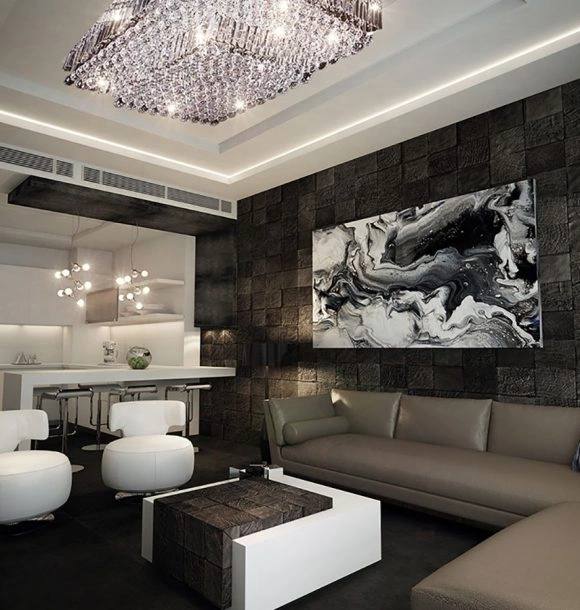
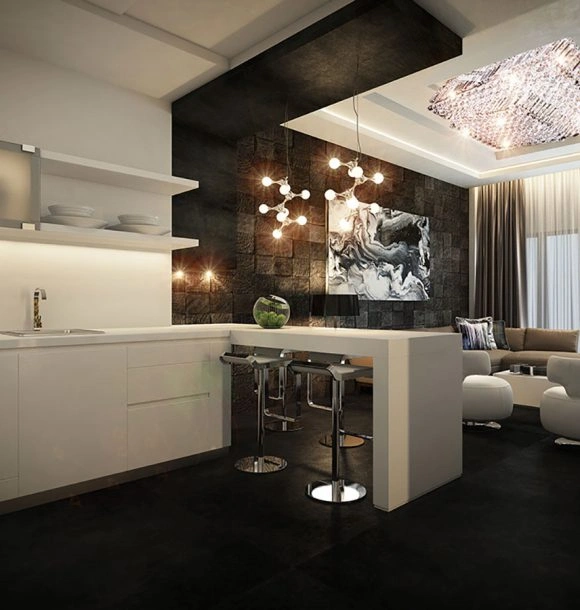
| Contemporary / Modern | Homeowners who want a clean, current look with room to update over time | Can feel impersonal without the right texture and lighting layers |
| Arabic-Modern Fusion | Villas where local character matters, without going fully traditional | Detailing needs a skilled joinery team to look intentional, not busy |
| Minimalist | Apartments and smaller footprints where calm matters more than decoration | Needs strong built-in storage, or clutter shows immediately |
| Transitional / Blended | Households that can’t commit to one direction, or want to keep existing pieces | Needs a firm hand, or it can feel unplanned |
A UAE Scenario: Choosing Between Two Directions
Take a couple who signed a lease on an apartment in Business Bay. They liked the idea of a fully Arabic-inspired interior after seeing one in a villa show home, but a walk-through with their designer made it clear that heavy archways and dense joinery would overwhelm a smaller floor plate.
They settled on a transitional approach instead: clean modern furniture, one statement wall with traditional pattern work, and warm brass details in place of full architectural features. The result read as intentional rather than compromised, and needed far less structural work than the original plan.
Common Style Mistakes to Avoid
A few patterns come up repeatedly when UAE homeowners choose an interior style:
- Choosing a direction based on a single inspiration photo rather than the whole room
- Mixing too many strong styles without a unifying material or colour
- Ignoring how a style will age after years of UAE sun exposure
- Committing to heavy traditional detailing in a small apartment where it feels cramped
- Underestimating how much lighting design affects whether a style reads as intended
A closer look at common interior design mistakes UAE homeowners make covers several of these in more detail, beyond style choice alone.
How Style Choices Affect Renovation Cost
Style choice has a direct effect on renovation cost, more than most homeowners expect going in. Custom joinery, arched openings and detailed ceiling work cost meaningfully more than a clean-lined contemporary scheme using standard-profile finishes. Understanding what typically drives interior design costs in the UAE before committing to a style helps avoid falling for a look the budget can’t realistically support.
Minimalist and contemporary styles are usually the most forgiving on budget, since they rely on proportion and material quality rather than added ornamentation. Traditional and heavily blended styles cost more upfront, but tend to age well when executed with good materials from the start.
FAQ
Q1: How do I know which interior style suits my UAE home?
A: Start with your property type and how long you plan to stay, not a single inspiration photo. Villas can usually support a stronger, more detailed style, while apartments tend to work better with a lighter, more restrained approach that won’t feel crowded.
Q2: What’s the most popular interior style in UAE homes right now?
A: Contemporary and transitional styles are currently the most common choices, since they adapt well to both villas and apartments and don’t lock a household into one strict look. Fully traditional or heavily ornamented interiors are less common outside larger villas.
Q3: Can I mix two interior styles in one UAE home?
A: Yes, and many households do. The key is picking one unifying element a material, a colour family, or a lighting approach that ties the mixed elements together, rather than letting each room follow a completely different direction.
Q4: Does interior style affect renovation cost in the UAE?
A: Significantly. Styles built around custom joinery, arches and detailed ceiling work cost more to execute than clean-lined contemporary or minimalist schemes, which rely more on proportion and material quality than added architectural detail.
Q5: Should renters bother choosing a specific interior style?
A: It’s worth choosing a lighter version of a style using furniture and soft finishes rather than permanent structural changes. This keeps costs down and the look flexible for a future move, while still giving the home a clear identity.
CONCLUSION
Ready to Turn Your Style Direction Into a Finished Home?
The right interior style for a UAE home is the one that still feels right in five years, not just in the first few photos. Once you’ve narrowed down a direction, the next step is turning it into a real material and furniture plan.
La Firma’s furniture team can help translate whichever direction you land on into pieces that fit your space, your climate and your budget.