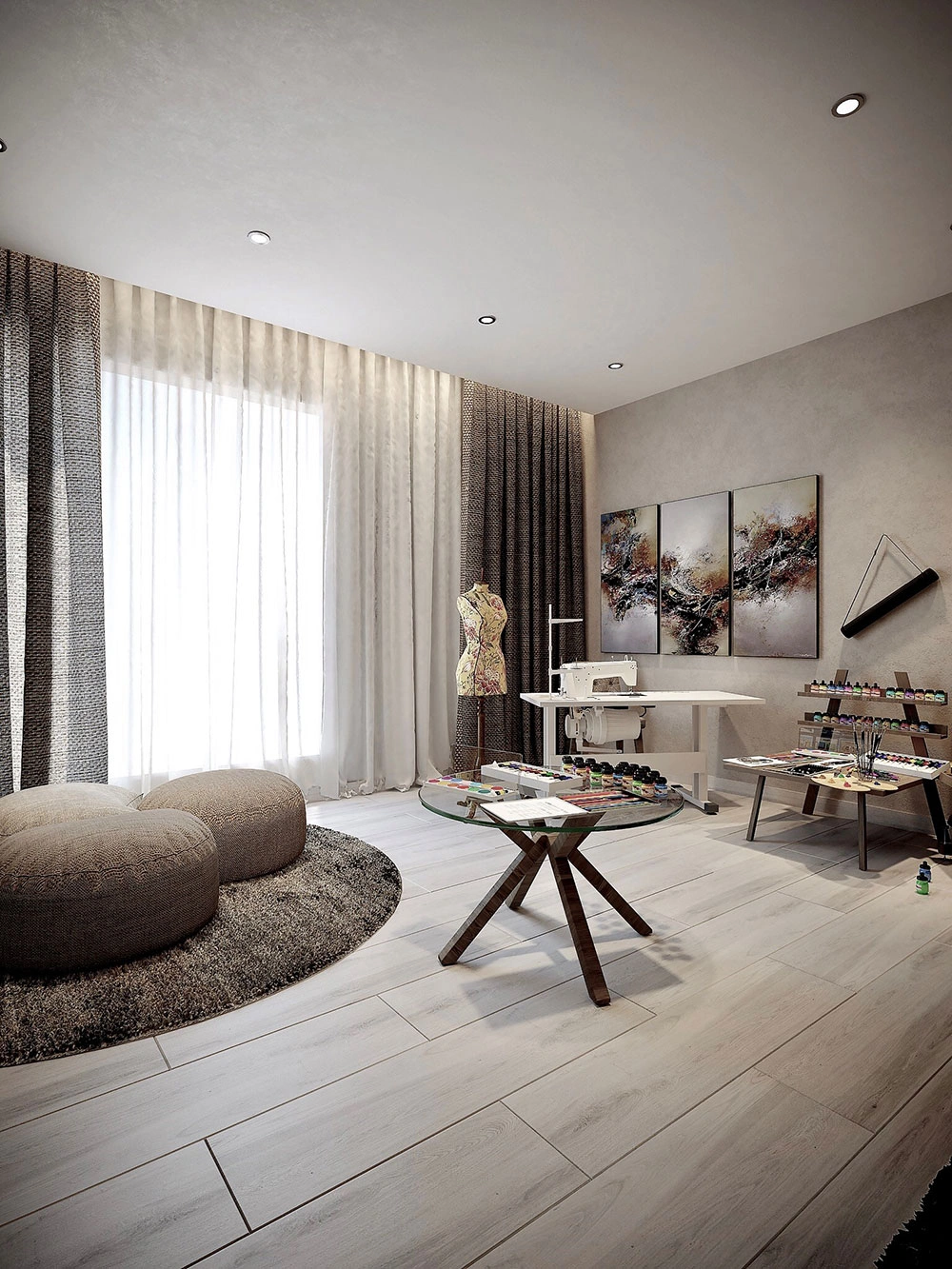

You plan a home renovation without disrupting daily life by phasing the work room by room, keeping one bedroom and bathroom fully operational at all times, sealing active work zones with real dust barriers, and scheduling the loudest work around your household’s routine. This assumes you’re staying in the home during construction; if you’re still weighing that against moving out temporarily, that’s a separate decision worth making first.
This guide is written for UAE homeowners and villa owners planning a renovation while continuing to live in the property, especially families with children, remote workers, or anyone managing a daily routine around active construction. Use it once you’ve decided to stay in your home during the renovation and want to minimize how much it actually disrupts your life. Main takeaway: a well-planned, lived-in renovation adds modest time to the schedule, not double, and most of the disruption people dread is avoidable with the right structure in place.
Most renovation advice assumes an empty house. Real life rarely works that way. If you’re staying in your home while it gets renovated, the plan itself needs to account for daily routines, not just finishes and floor plans.
- Renovating without disruption means planning around your daily routine, not eliminating disruption entirely.
- Phasing the work by room, rather than opening the whole home at once, is the single biggest factor in how livable a renovation feels.
- Dust and noise cause most of the frustration, and both are manageable with the right containment and scheduling.
- A properly phased, lived-in UAE renovation typically adds 10 to 20 percent to the timeline, not double.
- October to March is generally the easiest window to renovate a UAE home while living in it, thanks to cooler weather and faster dust clearance.
What Does “Renovating Without Disruption” Actually Mean?
It means keeping enough of your home functional and livable throughout construction that your daily routine doesn’t fully stop, not eliminating noise or dust altogether.
Some disruption is unavoidable once real construction starts. The goal isn’t a silent, dust-free home. It’s making sure you always have a working bedroom, a working bathroom, and a predictable schedule, so the renovation fits around your life instead of taking it over. For homeowners still deciding whether to renovate in place or move out temporarily, that decision comes first, since everything in this guide assumes you’ve chosen to stay.
Why Does Living Through a Renovation Feel So Disruptive?
Most of the frustration comes from three sources: dust that travels further than expected, noise at unpredictable times, and losing access to rooms without warning.
- Dust spreads beyond the work zone. Fine construction dust finds its way under doors and around AC vents faster than most homeowners expect, especially in a dry climate.
- Noise timing feels random without a schedule. Drilling and cutting at unpredictable hours is far more disruptive than the same noise on a known schedule.
- Losing a room without notice disrupts routines. A bathroom or bedroom going offline unexpectedly is often more frustrating than the renovation itself.
- Renovation timelines shift. Materials arrive late, and unexpected issues surface once walls open up, so a schedule that isn’t treated as flexible causes extra stress.
None of these are reasons to avoid renovating in place. They’re simply the things a good plan needs to account for.
How Do You Plan a Renovation That Doesn’t Take Over Your Whole Home?
You plan it in phases, protect one livable zone at all times, and build in real communication with your contractor about your household’s schedule.
Phase the Work by Room, Not All at Once
Working through the home one section at a time, rather than opening every room simultaneously, keeps most of the house livable throughout. A common approach saves the master bedroom and en-suite for last, once the rest of the home is functional again.
Keep One Bedroom and Bathroom Fully Operational at All Times
This single rule does more to protect daily life than almost anything else. Whatever the renovation scope, make sure at least one bedroom and one bathroom stay fully usable throughout, even if that means temporarily relocating to a guest room for a week or two near the end.
Seal Off Active Work Zones With Real Dust Barriers
Heavy-duty sheeting sealed around door frames, not just a curtain or an open doorway, is standard practice on a well-run site. Ask your contractor directly how they contain dust and whether daily site cleaning is included in the contract, not assumed.
Schedule the Loudest Work Around Your Household’s Routine
Tell your contractor about school hours, work-from-home meetings, and nap times up front. Most contractors can schedule demolition and drilling around a known routine if they know about it early, rather than discovering it mid-project.
Set Up One Retreat Space Away From the Work
A single room kept free of construction materials and dust, with your essentials nearby, makes the whole process feel far less intrusive. This matters more than most homeowners expect until they’re a few weeks into a renovation.
Build Buffer Time Into the Schedule, Not Just the Budget
Materials delay. Unexpected issues surface once demolition starts. A realistic project timeline for interior work in the UAE treats the schedule as a plan with built-in flexibility, not a fixed promise, which matters even more when you’re living around it every day.
Phased vs. Full Renovation: What’s the Real Trade-Off?
A phased, lived-in renovation takes somewhat longer than an empty-house renovation, but the difference is smaller than most people assume.
| Full Renovation (Empty Home) | Phased Renovation (Living In) | |
|---|---|---|
| Typical timeline impact | Baseline | Roughly 10 to 20 percent longer |
| Daily life | No disruption, but requires relocating | Manageable, with one zone always livable |
| Cost | No temporary housing needed | May need short-term relocation near the end |
| Best suited for | Full structural or layout changes | Room-by-room updates, most residential scopes |
For most homeowners, the modest timeline increase is a reasonable trade-off for not having to relocate the entire household for months.
When Is the Best Time to Renovate a Home in the UAE?
October through March is generally the easiest window for a lived-in UAE renovation, largely due to weather.
Cooler temperatures during these months make it far more practical to open windows for ventilation and let dust clear naturally between work sessions. Outdoor-adjacent tasks are also easier to manage comfortably for the site team. Starting a villa renovation during the summer months isn’t impossible, but it does mean relying more heavily on AC and mechanical ventilation to manage dust and air quality, which is worth discussing directly with your contractor if timing is flexible. Our guide on villa renovation in Dubai covers more on how seasonal timing affects a typical project.
What Mistakes Make a Lived-In Renovation More Disruptive Than It Needs to Be?
A few avoidable mistakes are responsible for most of the frustration homeowners report during lived-in renovations.
- Opening multiple rooms at once instead of working through the home in phases
- Not confirming dust containment and daily cleanup in writing before work starts
- Failing to tell the contractor about work-from-home hours or school schedules
- Skipping a dedicated retreat space, so there’s nowhere in the home that feels unaffected
- Treating the schedule as fixed, then feeling blindsided by normal delays
Our broader guide to interior design mistakes to avoid covers several patterns that apply here too, alongside the pre-renovation checks worth confirming before construction starts at all.
Frequently Asked Questions
Q1: Who is this guide for, and when should I use it?
A: This is for UAE homeowners who’ve decided to stay in their home during a renovation, best read once you’re planning the schedule and phasing, not while you’re still deciding whether to relocate.
Q2: Can I really live in my home during a full renovation?
A: Yes, for most residential scopes, with phased work and one operational bedroom and bathroom maintained throughout. Full structural overhauls sometimes still call for short-term relocation near the end.
Q3: How much longer does a lived-in renovation take compared to an empty home?
A: Typically 10 to 20 percent longer, mainly due to phasing and scheduling around your routine, not double the timeline as many homeowners assume.
Q4: How do I stop dust from spreading through the rest of the house?
A: Ask your contractor for sealed, heavy-duty barriers around active work zones and daily site cleaning written into the contract, not left as an informal assumption.
Q5: Is there a best time of year to renovate a UAE home while living in it?
A: October through March tends to be easiest, since cooler weather allows better ventilation and faster dust clearance than the summer months.
Q6: What’s the single most important thing to protect during a lived-in renovation?
A: Keeping one bedroom and one bathroom fully functional at all times. It does more for daily comfort than almost any other planning decision.
Conclusion
A renovation doesn’t have to take over your home just because you’re living in it. The difference between a chaotic renovation and a manageable one usually comes down to a handful of planning decisions made before construction starts: phasing the work, protecting one livable zone, containing dust properly, and scheduling around your actual routine. Get those right, and the timeline stretches only slightly, while daily life stays mostly intact.
Ready to Renovate Without Turning Your Home Upside Down?
La Firma’s home renovation team in Dubai plans every project around how you actually live, so your home stays functional from the first phase to the last.