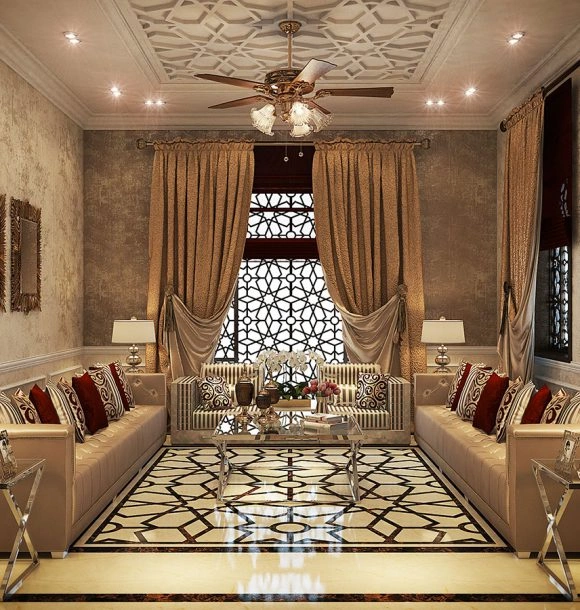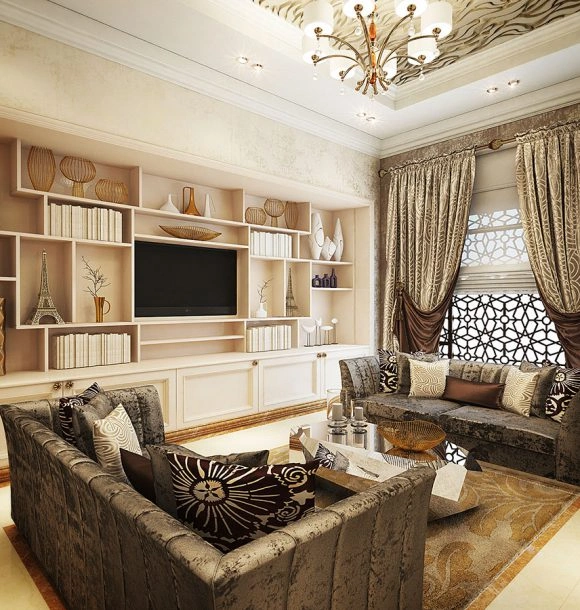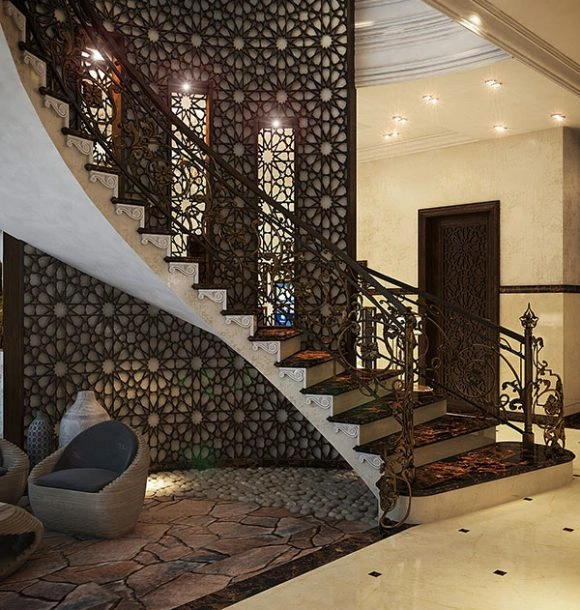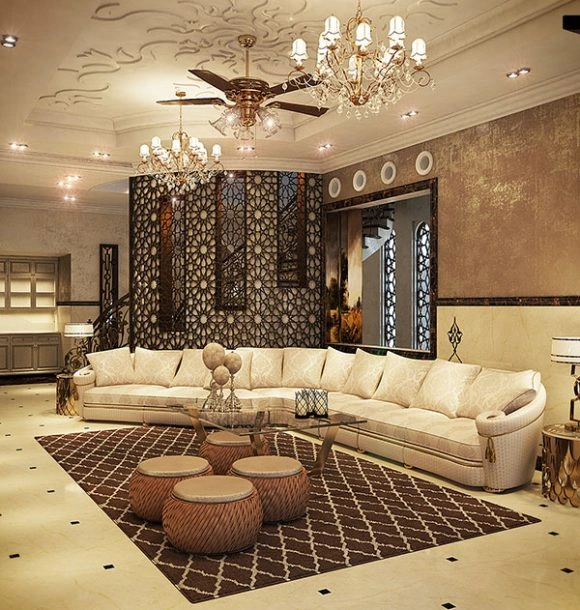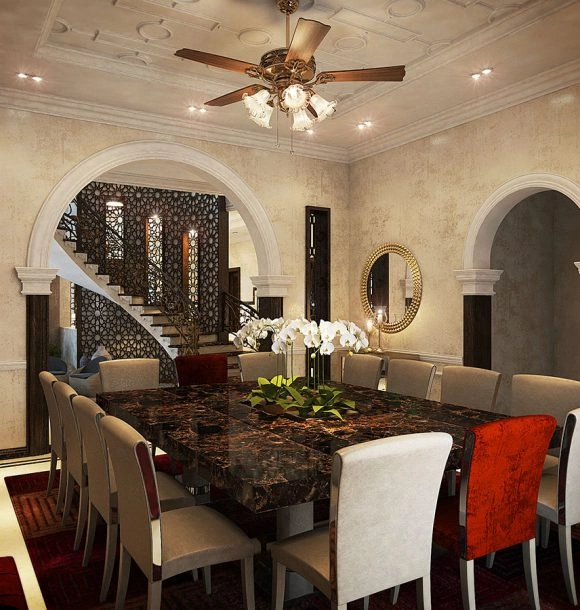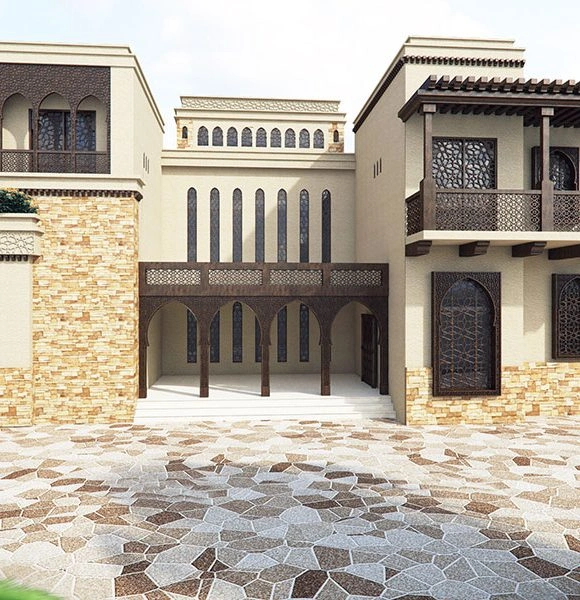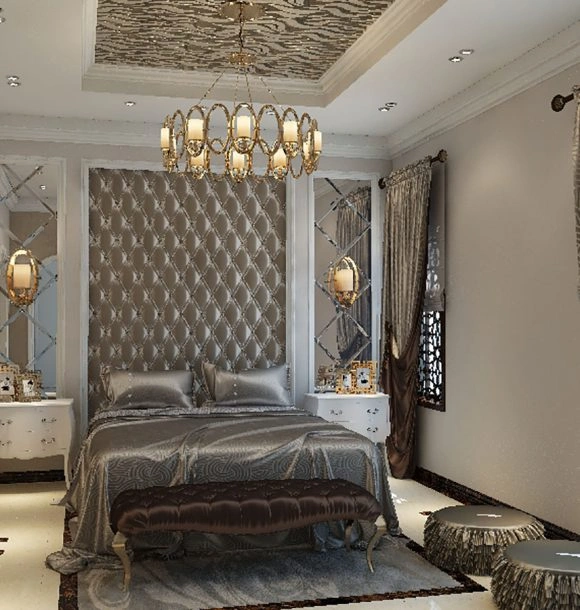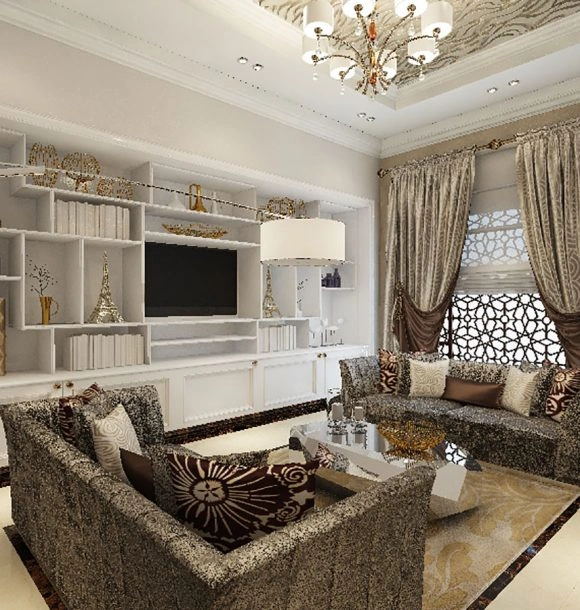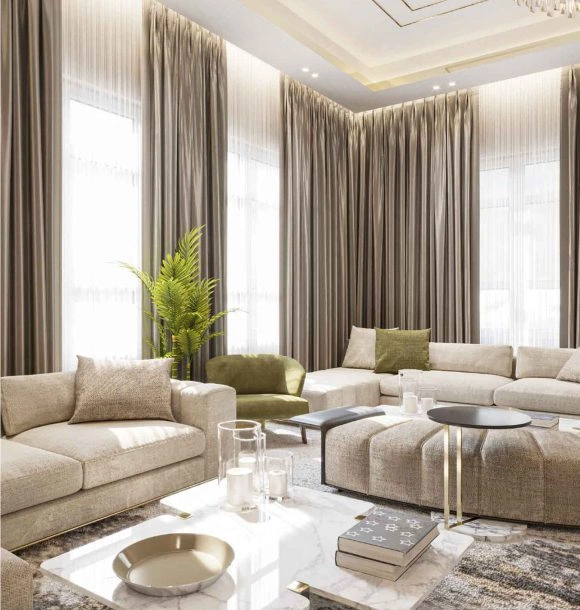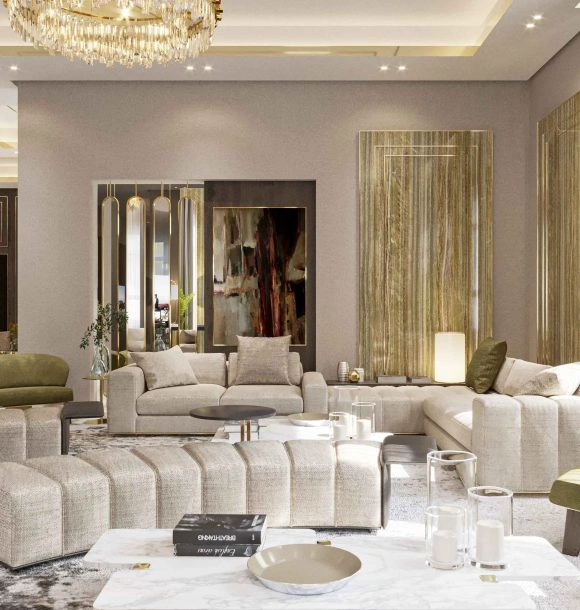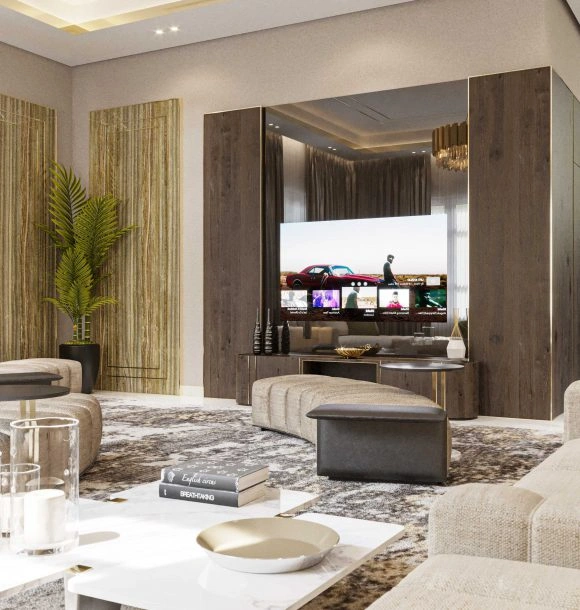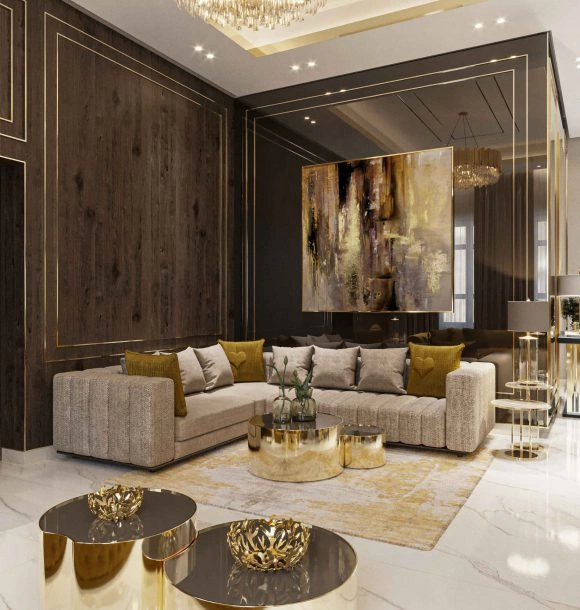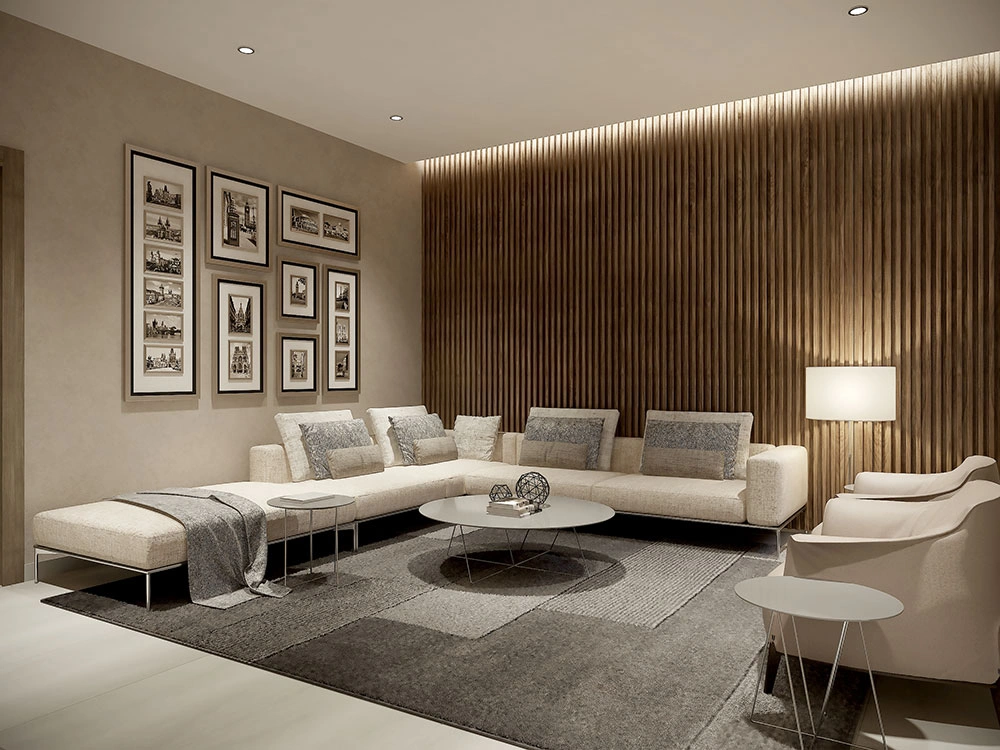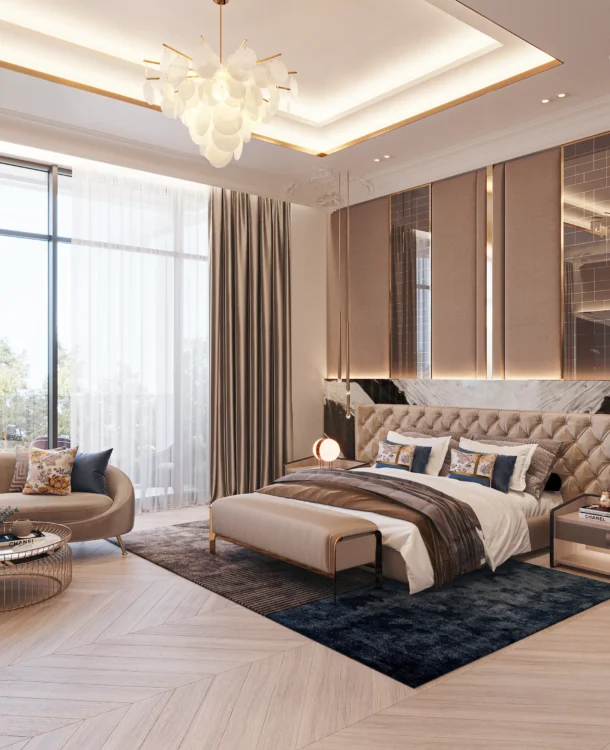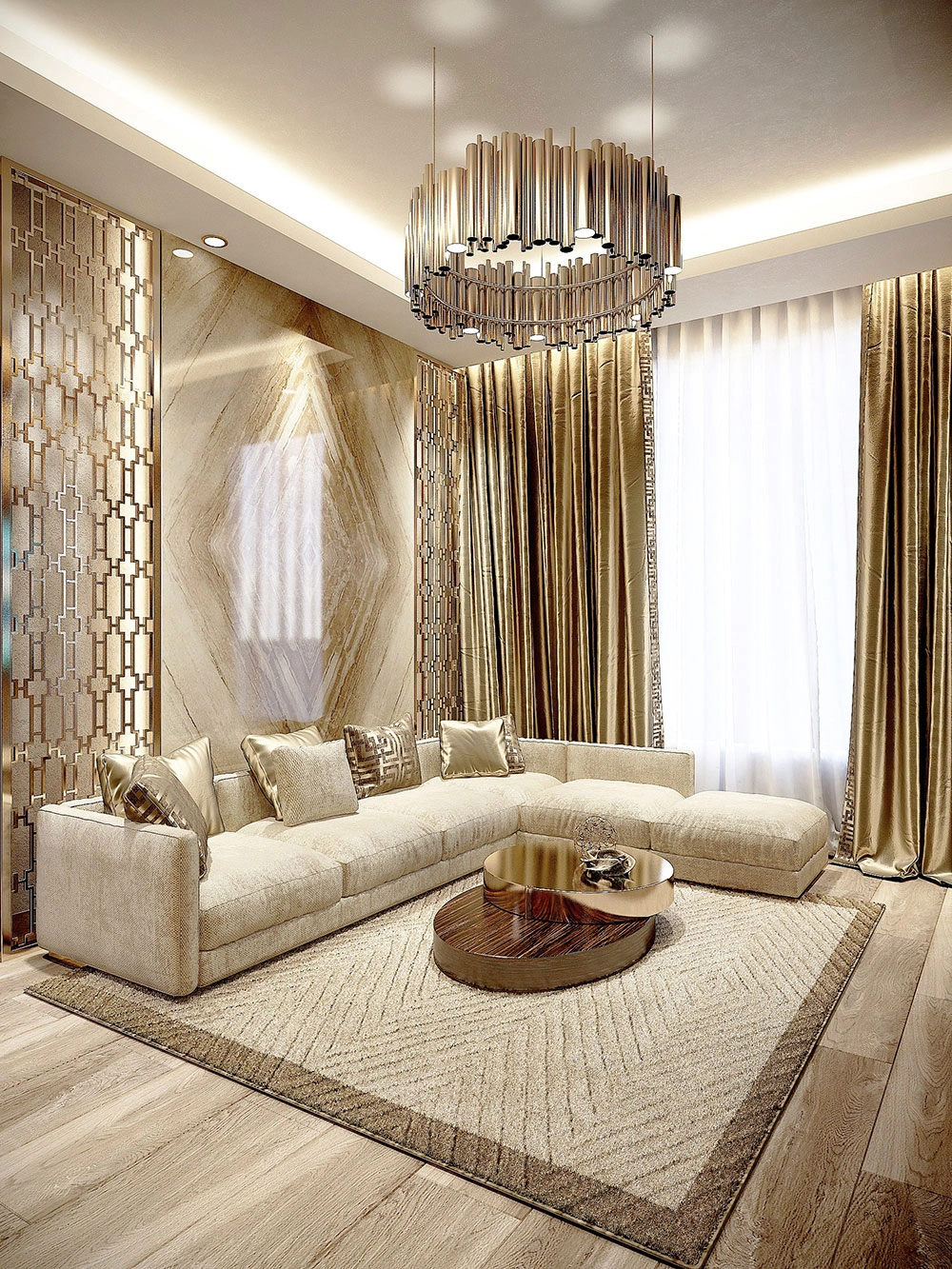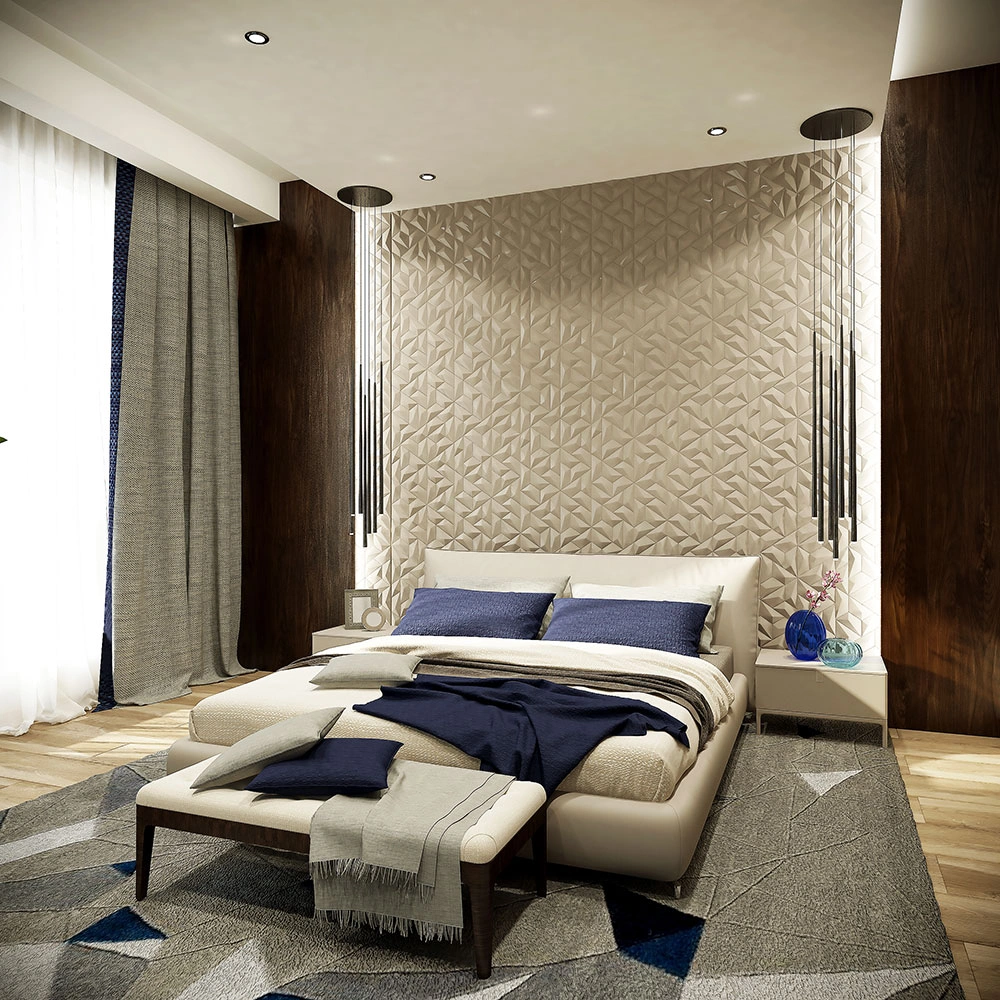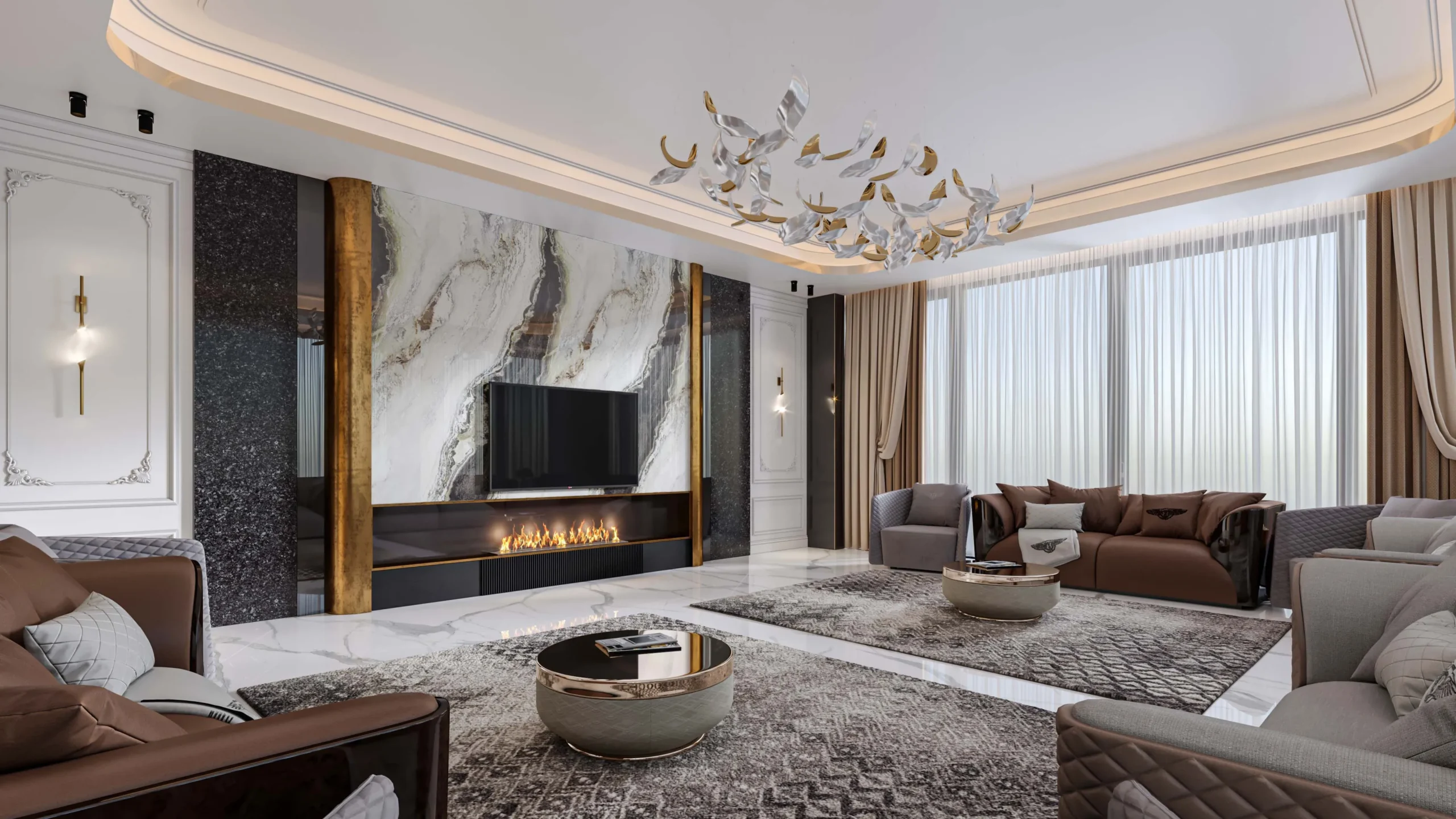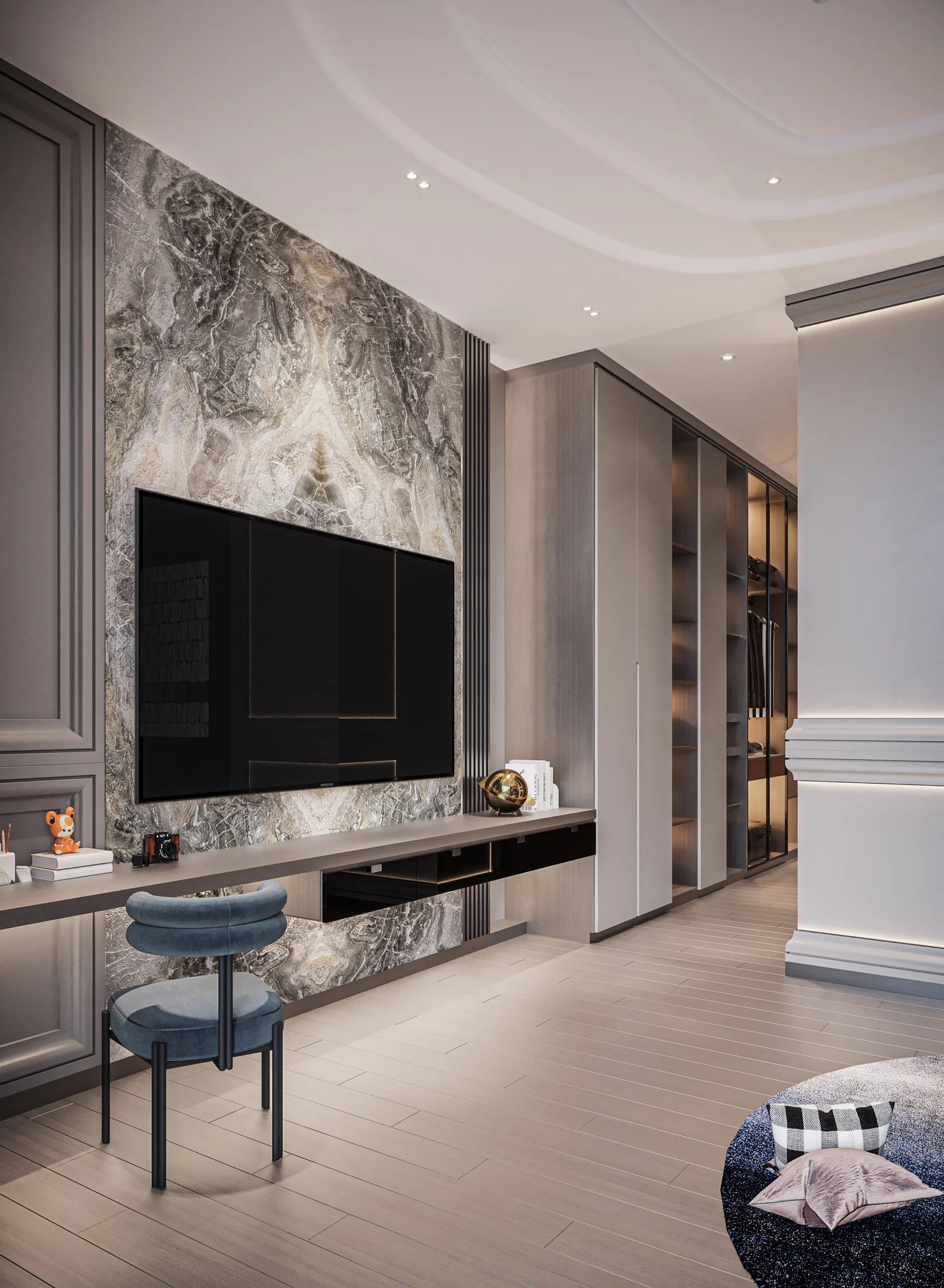
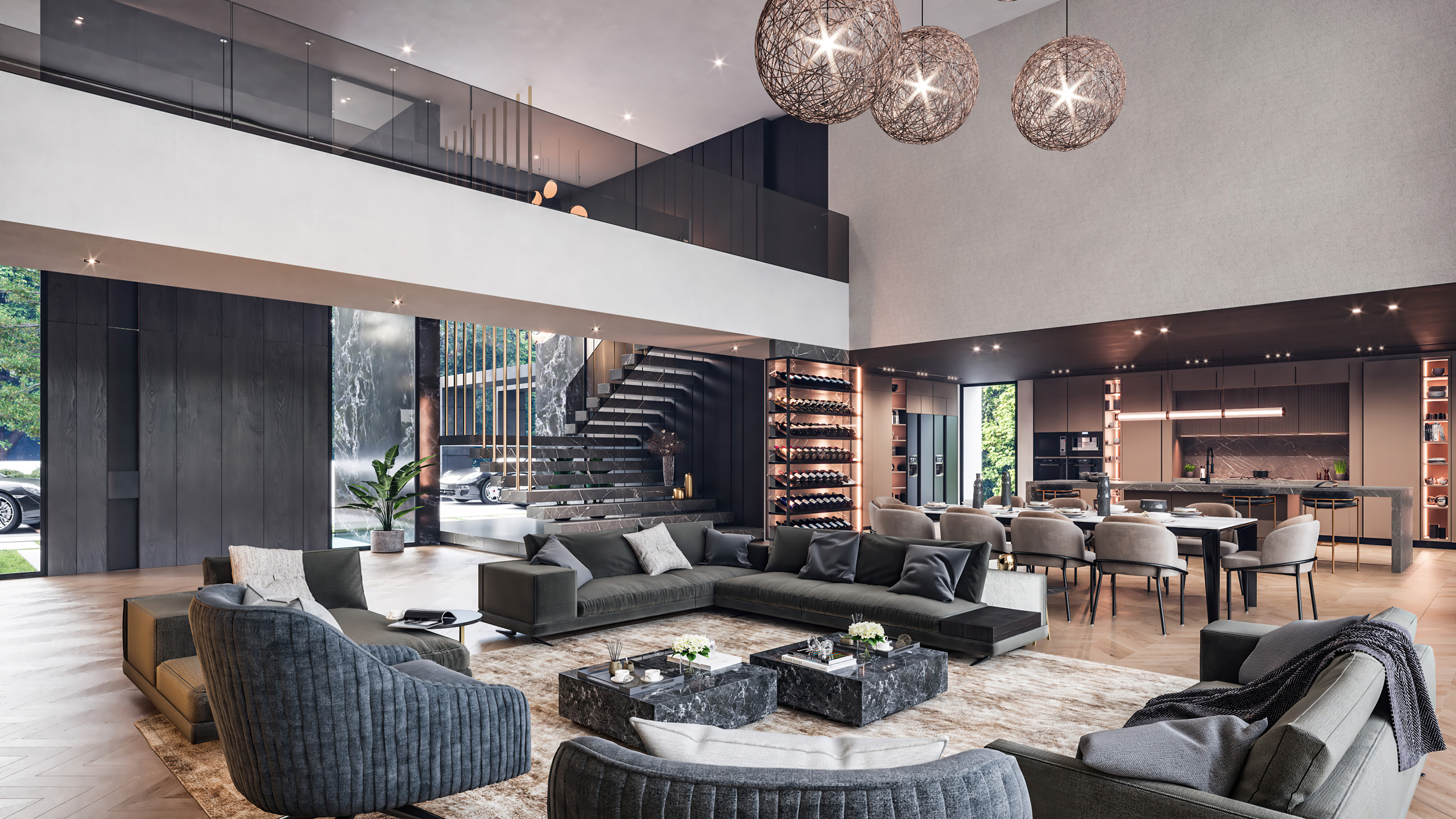
Every villa owner in Dubai eventually asks the same question: can I get a genuinely stylish interior without spending like I’m furnishing a five-star hotel? The honest answer is yes, but only if the design process is handled with intention. Affordable villa interior design in Dubai isn’t about hunting for the lowest quote. It’s about knowing exactly where your money creates visible impact and where it quietly disappears into finishes nobody will ever notice.
Lafirma, we’ve worked on villa projects across almost every residential pocket of Dubai, from established family communities to newer master-planned developments. What we’ve consistently seen is this: budget and beauty aren’t opposites. The villas that feel the most expensive are rarely the ones with the biggest spend. They’re the ones with the smartest planning.
What “Affordable” Actually Means in Villa Design
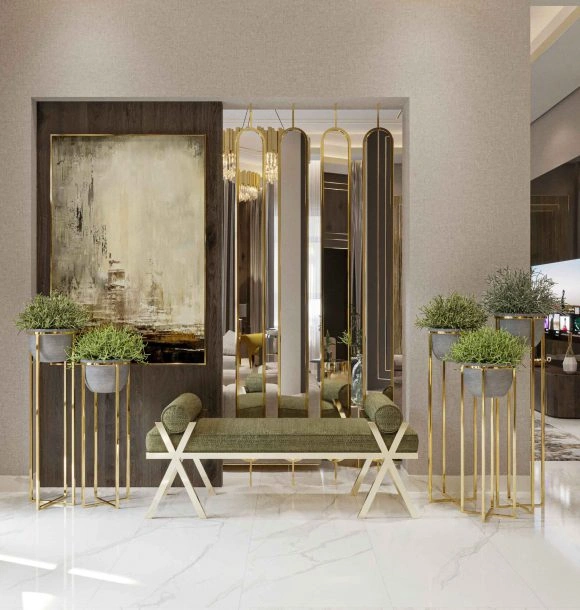
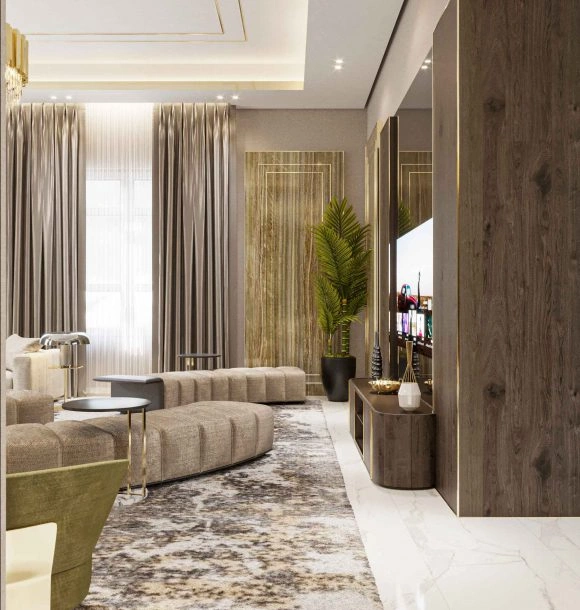
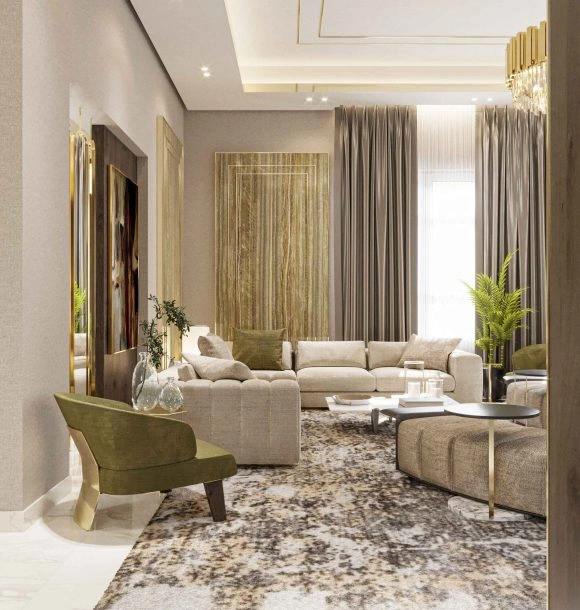
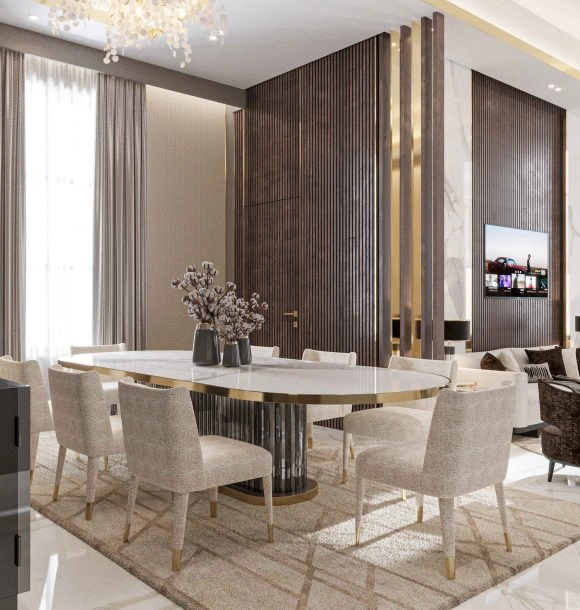
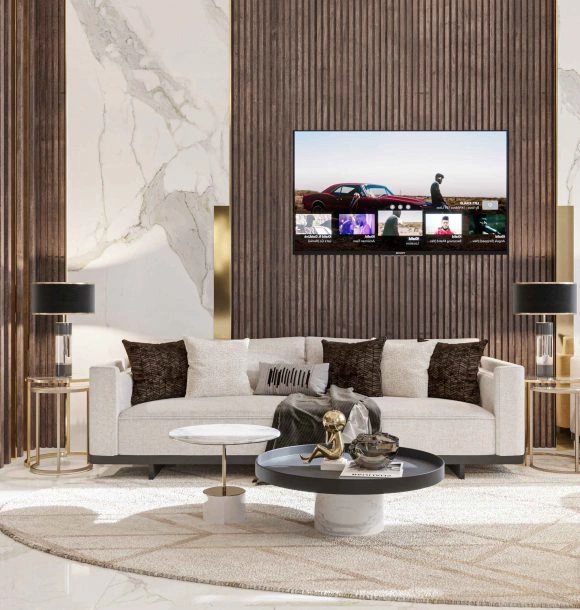
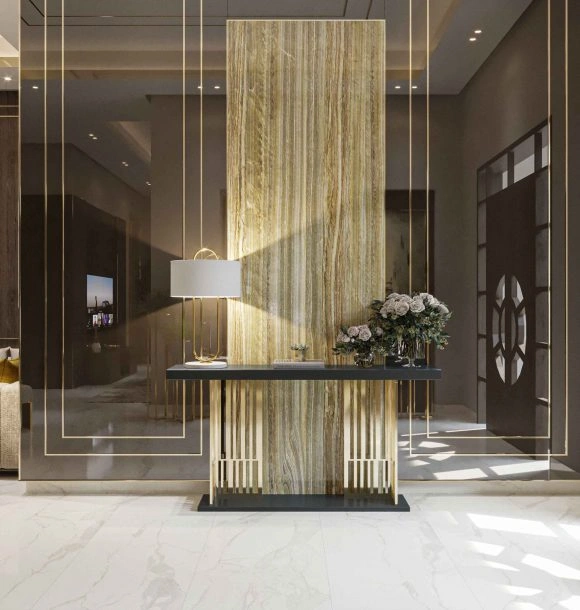
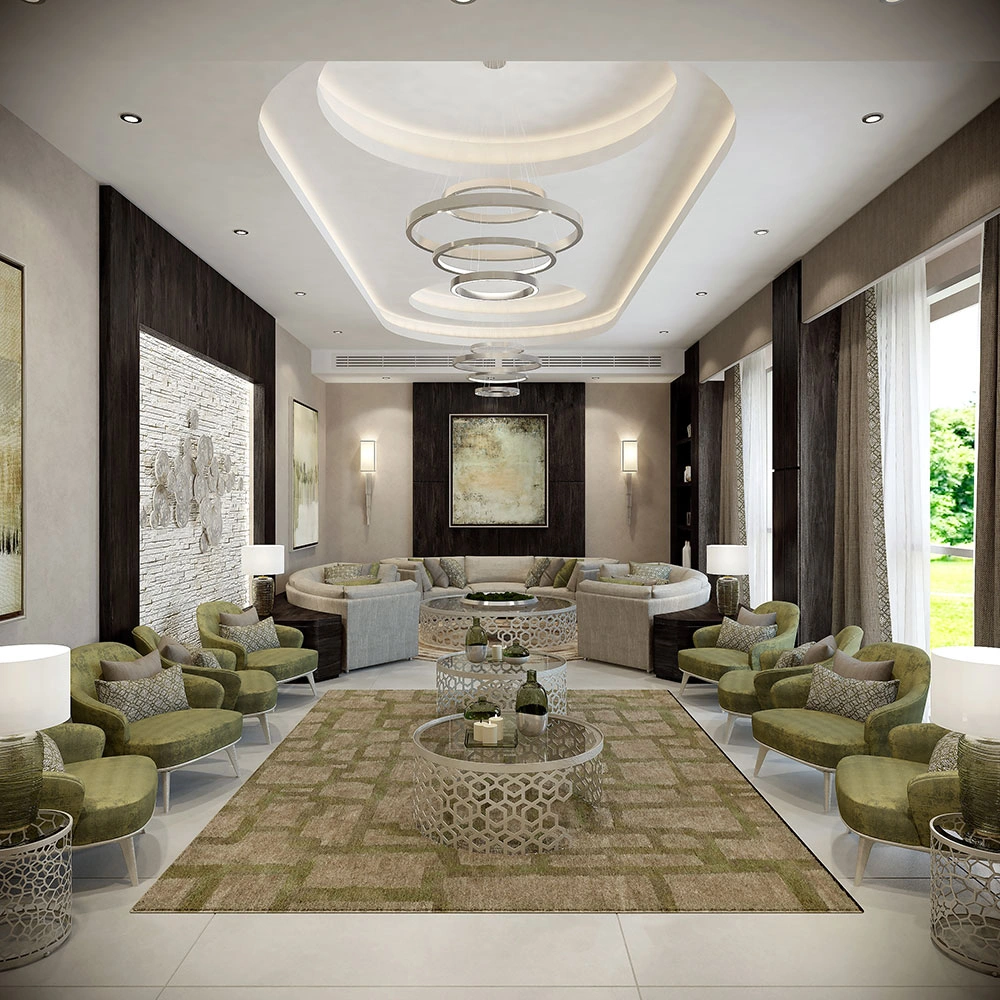
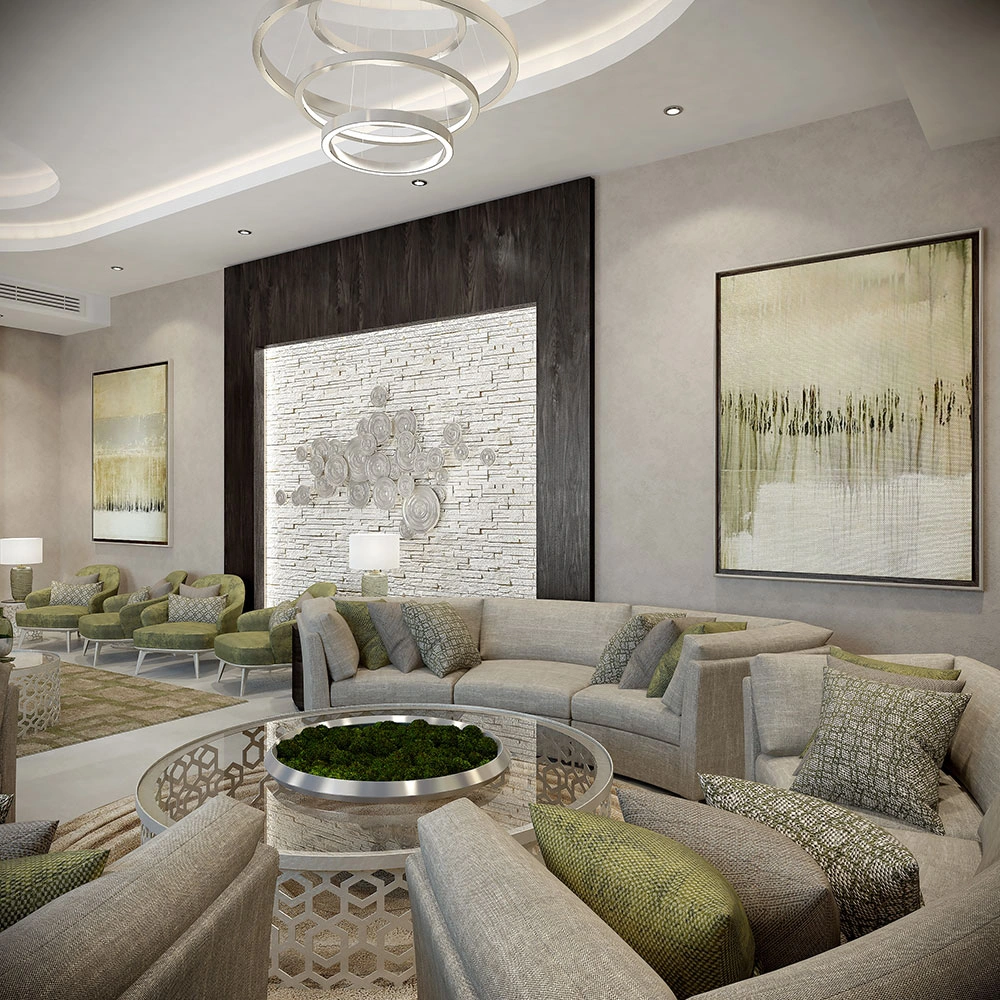
Affordable doesn’t mean cutting corners on quality. It means being deliberate about where the budget goes. A villa interior can look considerably more expensive than its actual cost when the design prioritizes a few high-impact decisions, such as a well-lit entrance, a cohesive color story, or one striking material, instead of spreading a modest budget thin across every single surface.
Homeowners often assume luxury requires imported marble and custom joinery throughout. In practice, a well-executed mid-range villa interior, using good lighting design, sensible material choices, and a clear layout plan, can read as premium without the premium price tag. This is the real skill behind affordable villa interior design in Dubai: knowing which five decisions matter and which fifteen don’t.
What Actually Drives the Cost of a Villa Interior
Before setting a budget, it helps to understand what you’re really paying for:
- Villa size: More square footage naturally means more materials, more furniture, and more labor hours.
- Finish quality: Imported stone and custom cabinetry cost significantly more than well-selected local tiles or semi-custom joinery.
- Furniture sourcing: Branded, imported furniture pieces versus carefully curated, locally available alternatives.
- Degree of customization: Fully bespoke built-ins and feature walls cost more than adapted, ready-made solutions.
- Structural changes: Any layout modification, plumbing relocation, or permit-required work adds both time and cost.
- Sustainability features: Energy-efficient lighting and low-VOC finishes may raise upfront cost slightly but reduce running costs over time.
As a general benchmark, full residential interior design work in the UAE typically falls somewhere between AED 200 and AED 600 per square foot, depending on finish level and complexity. A living room refresh with smart home elements might start around AED 50,000, while a complete villa transformation can run into several hundred thousand dirhams depending on scope.
Designing for Dubai’s Villa Communities: Why Location Matters
Here’s something that often gets overlooked: the “right” affordable design approach isn’t identical across every villa community in Dubai. Each area has its own architectural character, climate exposure, and typical villa layout, and a design that suits one community won’t necessarily suit another.
- Arabian Ranches villas tend to have a Mediterranean-inspired architectural shell, so interiors that lean into warm neutrals and natural textures usually feel more cohesive than a strictly minimalist palette.
- Dubai Hills Estate villas are generally more contemporary in structure, which makes clean lines, larger glazing, and open-plan layouts easier to work with on a budget since you’re not fighting the architecture.
- Jumeirah villas, especially older stock, often benefit from smart layout reconfiguration before any spend on finishes, since floor plans here can be more compartmentalized than newer developments.
- Al Barsha and Mirdif villas frequently have strong bones but dated finishes, meaning targeted upgrades such as flooring, lighting, and kitchen cabinetry deliver a bigger visible impact than a full gut renovation.
- The Springs and The Meadows are known for their townhouse-style villas, where compact footprints benefit heavily from modular and multipurpose furniture to maximize function without a large spend.
Knowing your community’s architectural starting point helps avoid wasted budget on design choices that fight against the existing structure.
Design Choices That Keep Costs Down Without Cutting Style
A few practical strategies consistently help villa interiors in Dubai feel elevated while keeping costs in check:
- Locally sourced materials: Regional tiles, stone, and joinery reduce shipping costs, import duties, and lead times, without a noticeable drop in visual quality.
- Modular and multipurpose furniture: Pieces that double up, like storage benches or extendable dining tables, reduce the total furniture count needed.
- Daylight-first layouts: Positioning key living areas to take advantage of natural light reduces reliance on layered artificial lighting and can lower long-term electricity use.
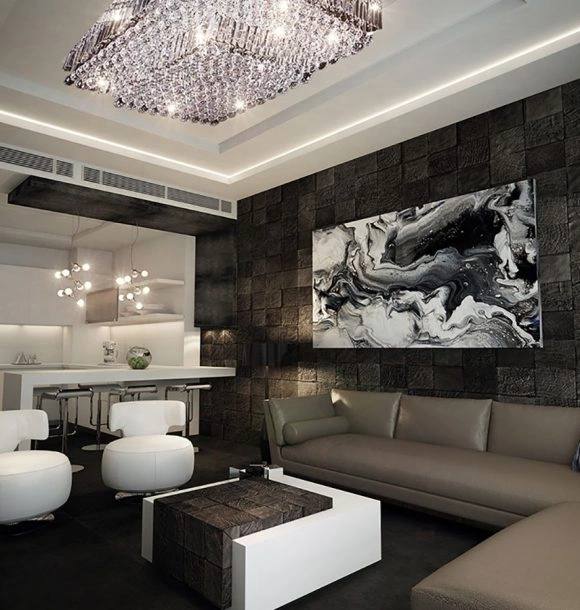
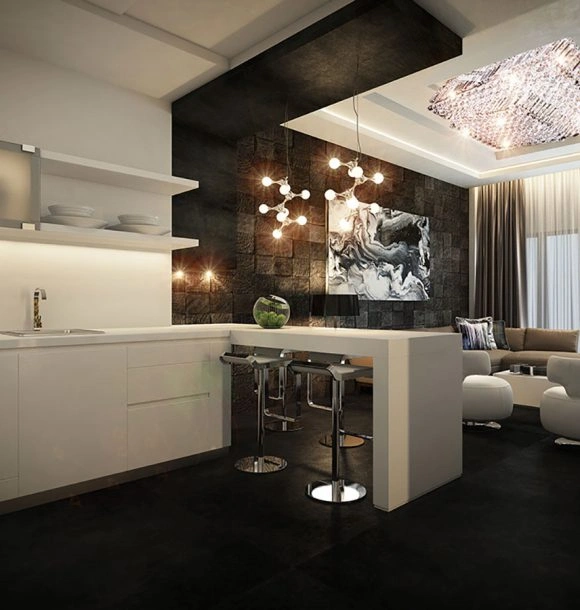
- A neutral base with one accent: A calm, timeless palette paired with a single bold element, such as an accent wall or a statement light fixture, reads as intentional rather than underdone.
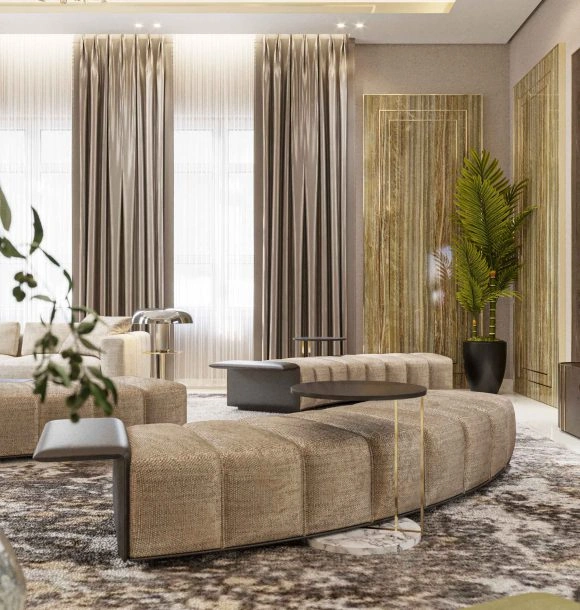
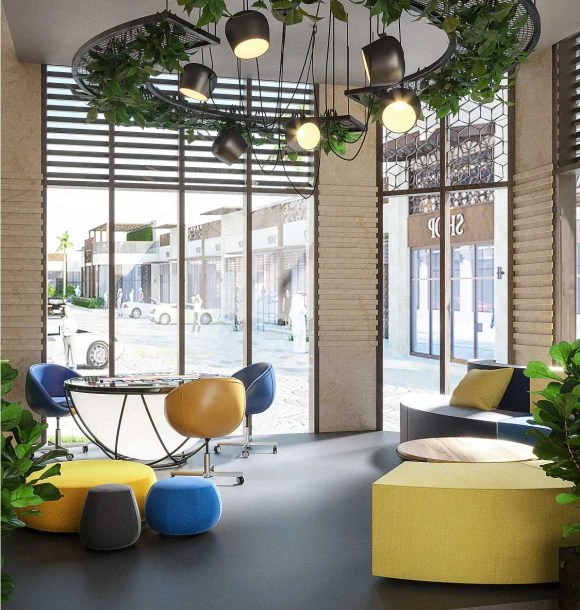
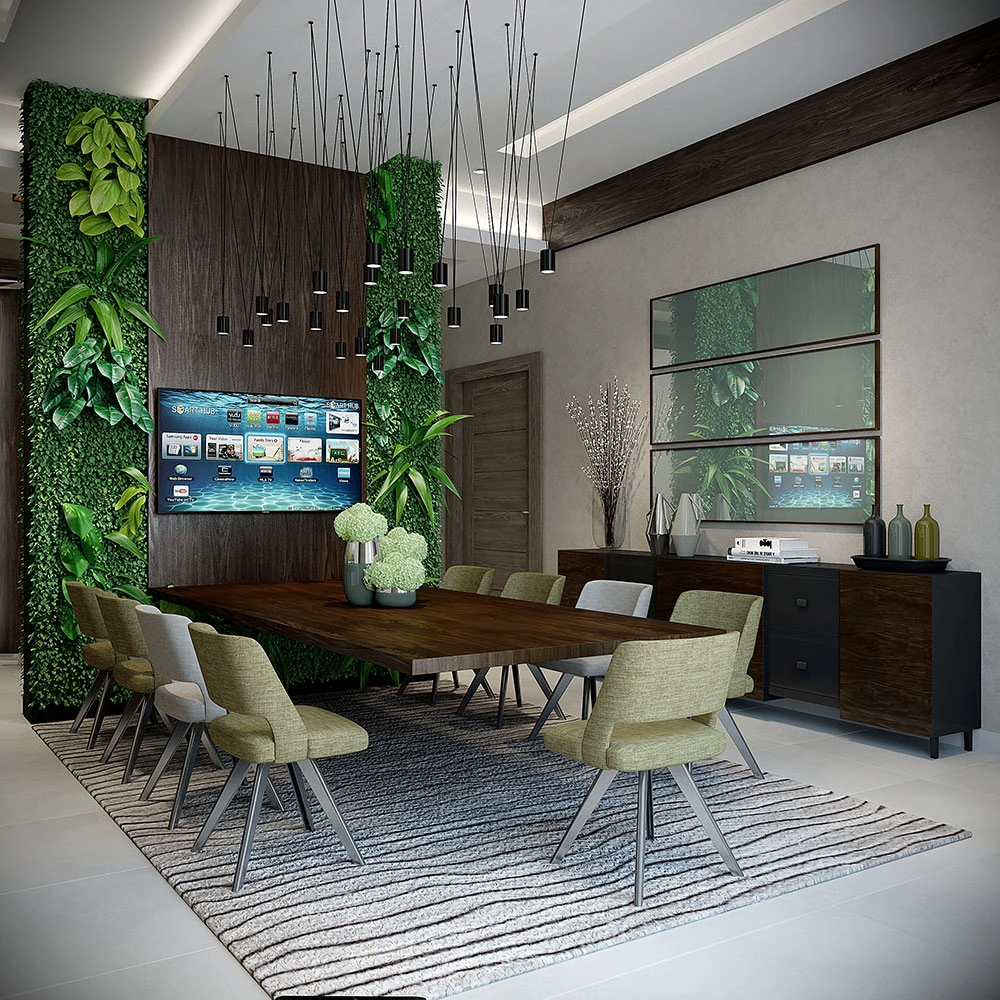
- Biophilic touches: Indoor greenery and natural textures add warmth and life to a space for a fraction of the cost of decorative hardscaping.
Budget Tiers for Villa Interior Design in Dubai
| Budget Tier | What’s Typically Included | Best Suited For |
|---|---|---|
| Essential Refresh | Local materials, simplified layouts, functional furniture, updated lighting | First-time renovators, rental-ready villas |
| Elevated Mid-Range | Higher-grade tiles, accent lighting, semi-custom joinery, feature walls | Growing families, long-term homeowners |
| Premium Selective | Bespoke cabinetry in key rooms, imported finishes limited to focal points, smart home basics | Homeowners wanting a luxury feel without a full luxury budget |
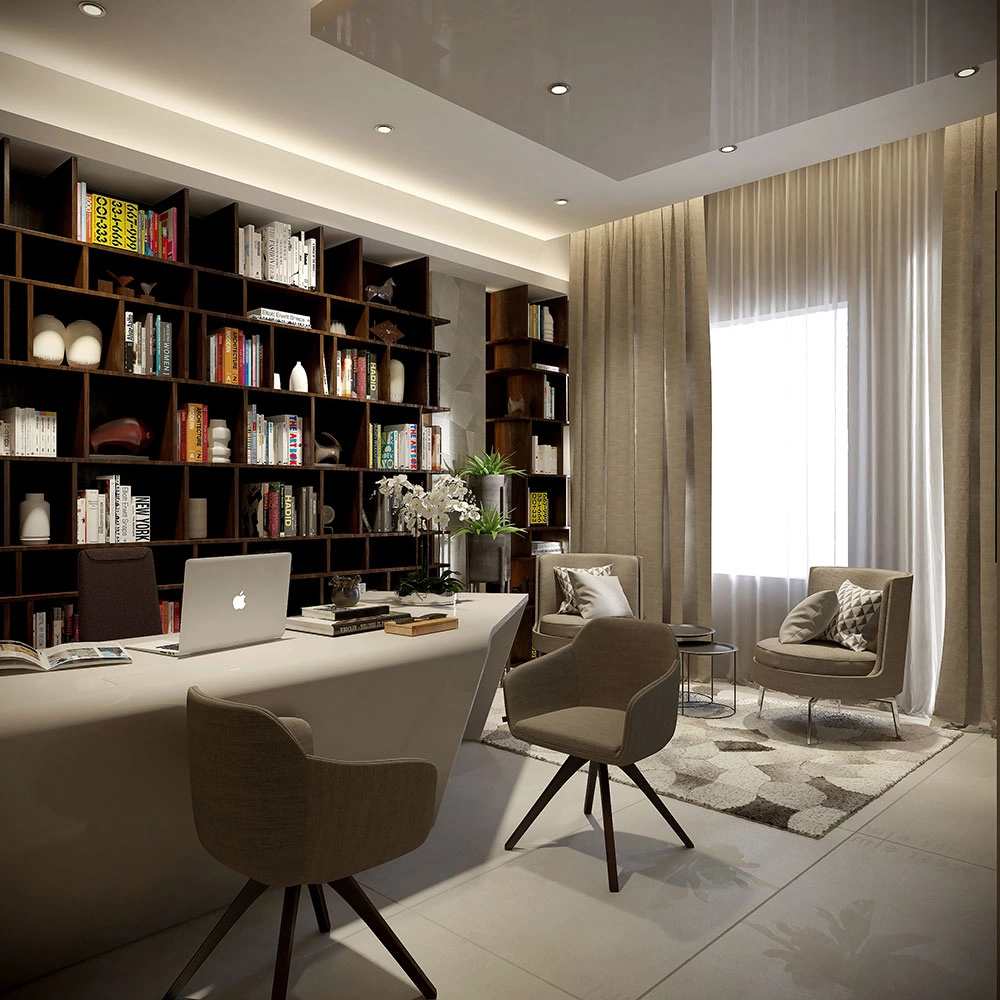
Even within a modest tier, prioritizing the entrance, living room, and master bedroom (the three most-used and most-seen spaces) tends to deliver the strongest return on a limited design budget.
How Lafirma Approaches Affordable Villa Projects
- Discovery consultation: Understanding lifestyle, priorities, and realistic budget from the first conversation.
- Site assessment: Measuring the space, evaluating natural light, and identifying existing elements worth reusing.
- Concept development: Presenting two or three design directions, each with clear cost implications, so decisions are made with full visibility.
- Material and furniture sourcing: Prioritizing durable, locally available options before considering imported alternatives.
- Detailed execution plan: Finalized drawings, lighting layout, and a realistic project timeline.
- Supervised fit-out: On-site quality control throughout execution to catch issues before they become costly.
This structure exists to prevent the two things that quietly blow up villa budgets: scope creep and last-minute material changes.
Common Budget Mistakes Worth Avoiding
A few patterns show up repeatedly in villa projects that go over budget without the client fully realizing why:
- Over-investing in decorative statement pieces while under-investing in daily-use spaces like kitchens and bathrooms, which affect comfort far more often than a striking corridor sculpture.
- Choosing imported materials by default, without factoring in shipping delays, customs duties, and installation complexity. Often a comparable local alternative exists at a fraction of the landed cost.
- Ignoring Dubai’s climate when selecting finishes, which leads to premature wear on materials not suited to heat and humidity, resulting in avoidable repeat costs.
- Skipping 3D visualization, which makes it far easier to misjudge scale and furniture fit, often leading to expensive mid-project changes.
A Real Example: Budget-Conscious Design in Practice
One project Lafirma completed involved a 400-square-meter villa in Al Barsha for a family of five who wanted a warm, Mediterranean-influenced feel without a luxury-tier spend. The approach combined a few deliberate choices: retaining sections of the existing flooring rather than replacing it entirely, sourcing furniture through local suppliers, switching to LED lighting throughout, and limiting bespoke carpentry to just the kitchen and entryway rather than the whole home.
The result was a villa that read as considerably more expensive than its actual budget, roughly 30 to 35 percent lower than a comparable fully-luxury fit-out, while still feeling cohesive, warm, and clearly designed rather than assembled piecemeal.
Why Homeowners Choose Lafirma for Budget-Conscious Villa Design
Lafirma approach to affordable villa interior design in Dubai centers on a simple principle: cost control and design quality aren’t in tension when the planning is done properly. Clients working with our team consistently mention avoiding the cost overruns and material regrets that often come with a less structured design process.
Our familiarity with Dubai’s different villa communities, from the layout quirks of older Jumeirah homes to the open-plan bones of Dubai Hills Estate, means the design strategy is tailored to what the villa’s architecture already offers, rather than working against it.
Quick Checklist Before You Start
- Identify which rooms matter most and prioritize your budget there first
- Set a realistic budget with a buffer of at least 10 to 15 percent for unexpected changes
- Choose finishes based on durability in Dubai’s climate, not just appearance
- Get more than one quote for furniture, lighting, and joinery work
- Insist on 3D visuals before committing to a final material or layout decision
Frequently Ask Questions
1. What does “affordable villa interior design” actually mean?
A: It means achieving a high-quality, cohesive look through smart planning and material choices, not using cheaper materials that compromise durability or finish quality.
2. How much does villa interior design cost in Dubai?
A: Full residential interior work generally ranges from AED 200 to AED 600 per square foot depending on finish level, with complete villa transformations often running from a few hundred thousand dirhams upward.
3. Can I get a luxury look on a mid-range budget?
A: Yes, by concentrating spend on high-visibility areas such as the entrance, living room, and master bedroom, while keeping less-used spaces simpler.
4. Does the villa’s location within Dubai affect the design approach?
A: Yes. Villa communities like Arabian Ranches, Dubai Hills Estate, and Jumeirah each have different architectural characteristics, and the most cost-effective design approach works with that existing structure rather than against it.
5. What’s the biggest budget mistake villa owners make?
A: Over-spending on decorative statement pieces while under-investing in daily-use spaces like kitchens and bathrooms, which affect comfort far more consistently.
6. Are imported materials always worth the cost?
A: Not always. Many local alternatives look nearly identical at a lower landed cost once shipping, customs, and installation are factored in.
7. How long does an affordable villa interior project typically take?
A: Timelines vary by scope, but a phased approach, starting with high-priority rooms, often allows costs and timelines to be spread more comfortably.
8. Why should I use 3D visualization for a budget project?
A: 3D visuals help you catch scale and layout issues before construction begins, preventing costly mid-project changes that can quickly erode a tight budget.
Bringing It All Together
Affordable villa interior design in Dubai isn’t a compromise. It’s a discipline. It means being clear-eyed about where the budget delivers visible value and disciplined about where it doesn’t. With the right planning partner, a modest budget can still produce a villa interior that feels considered, comfortable, and genuinely well-designed.
If you’re planning a villa project anywhere in Dubai, whether in Arabian Ranches, Dubai Hills Estate, Al Barsha, or beyond, Lafirma can help you map out a design that fits both your lifestyle and your budget from the very first consultation.