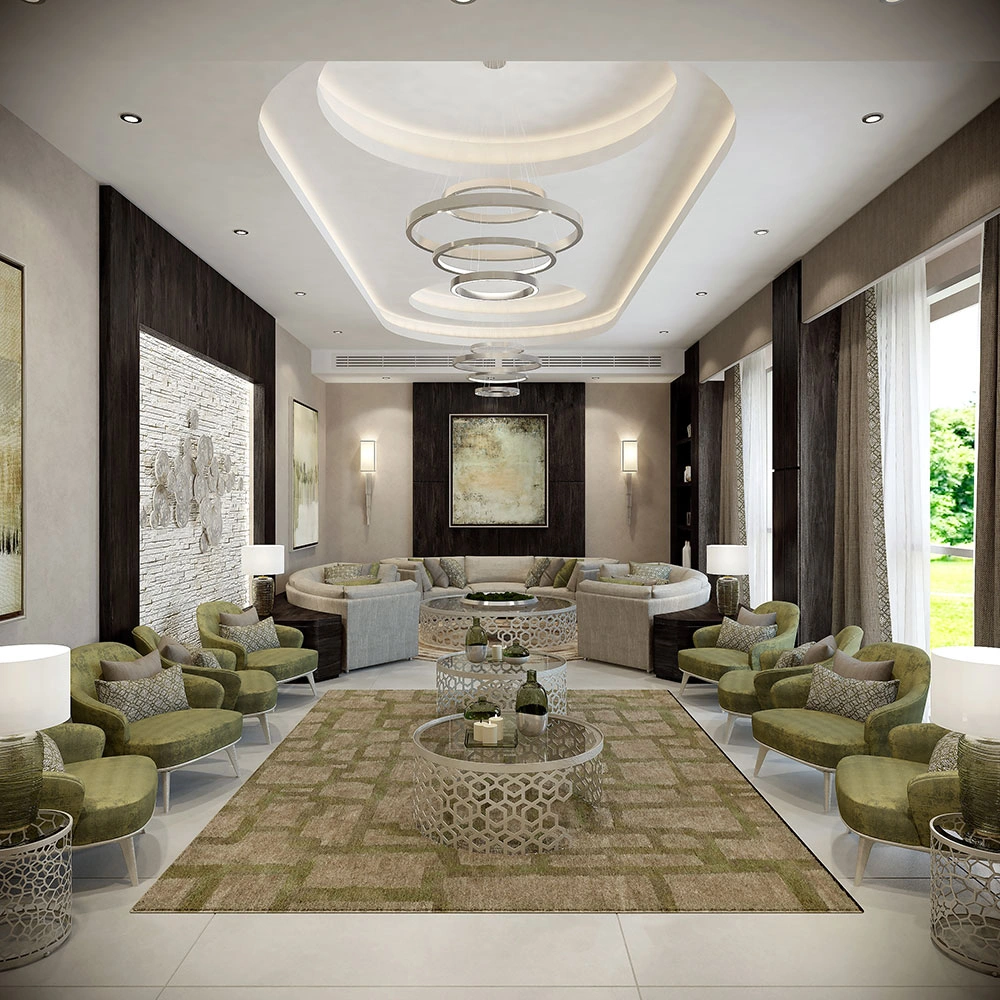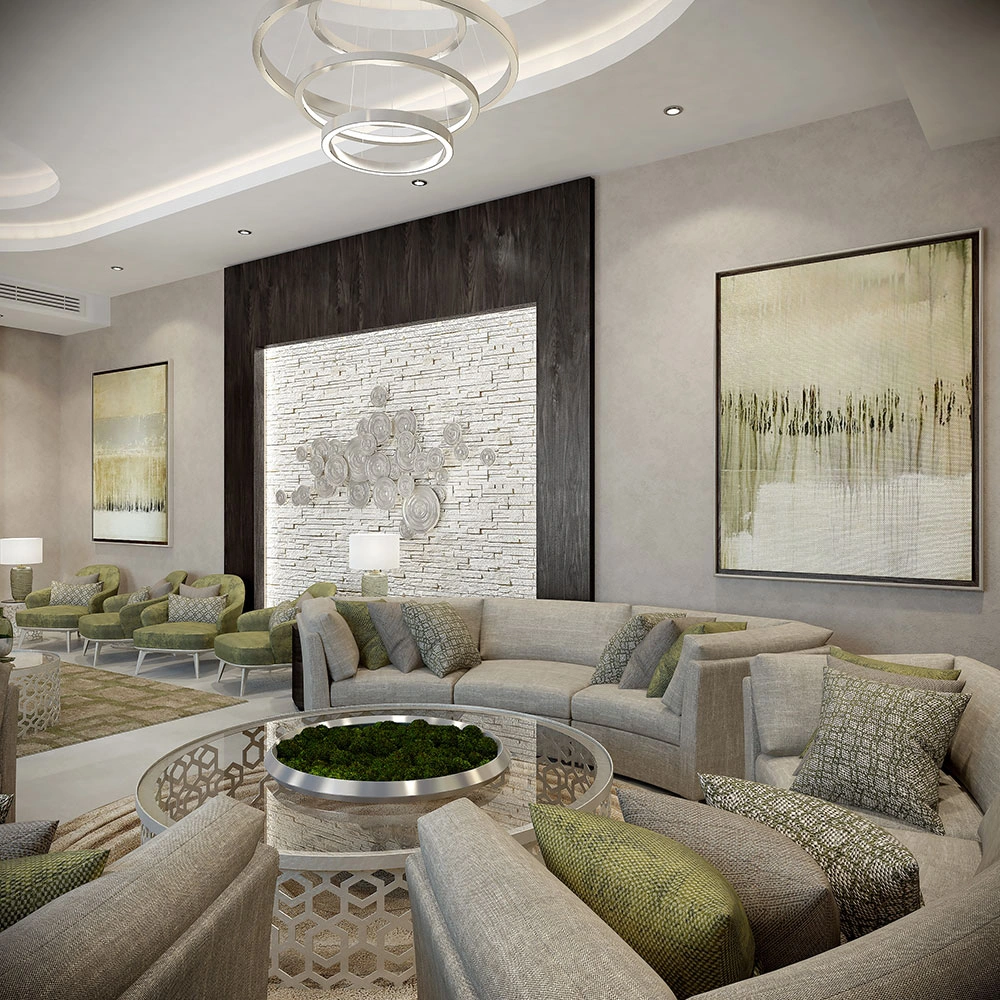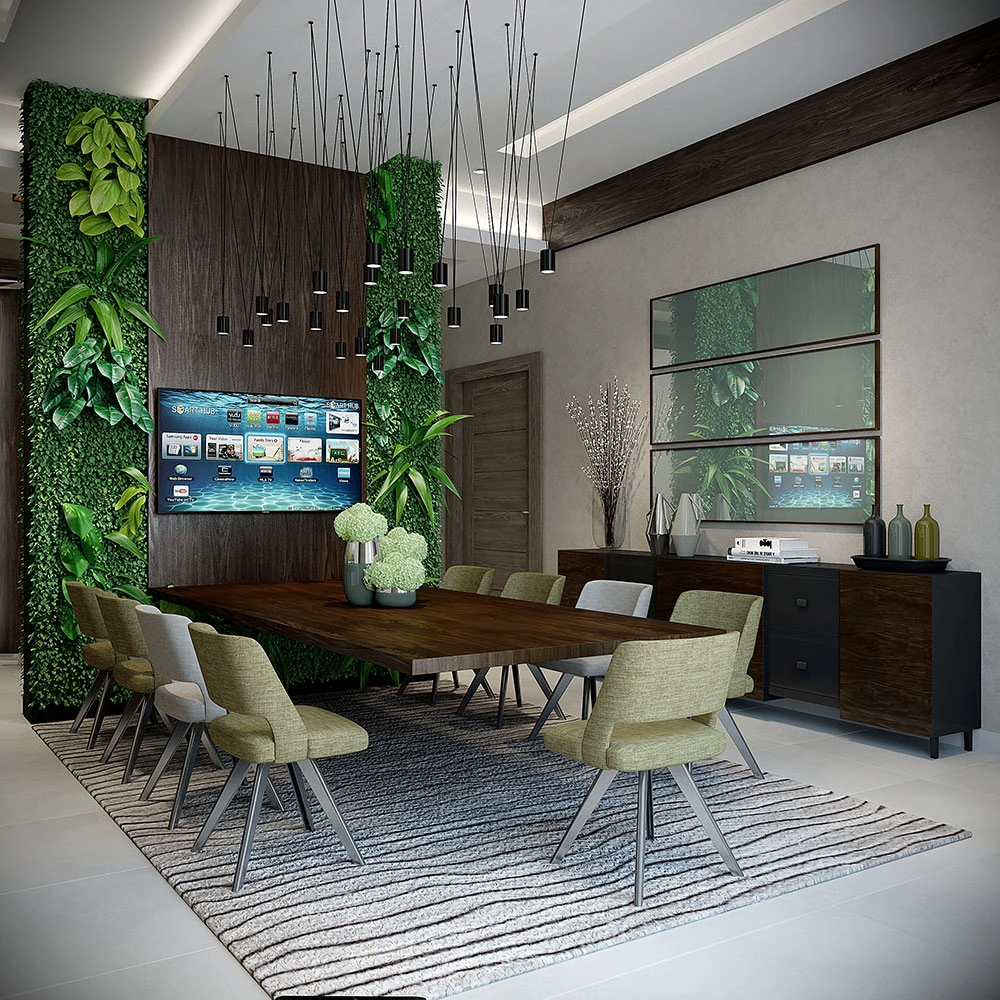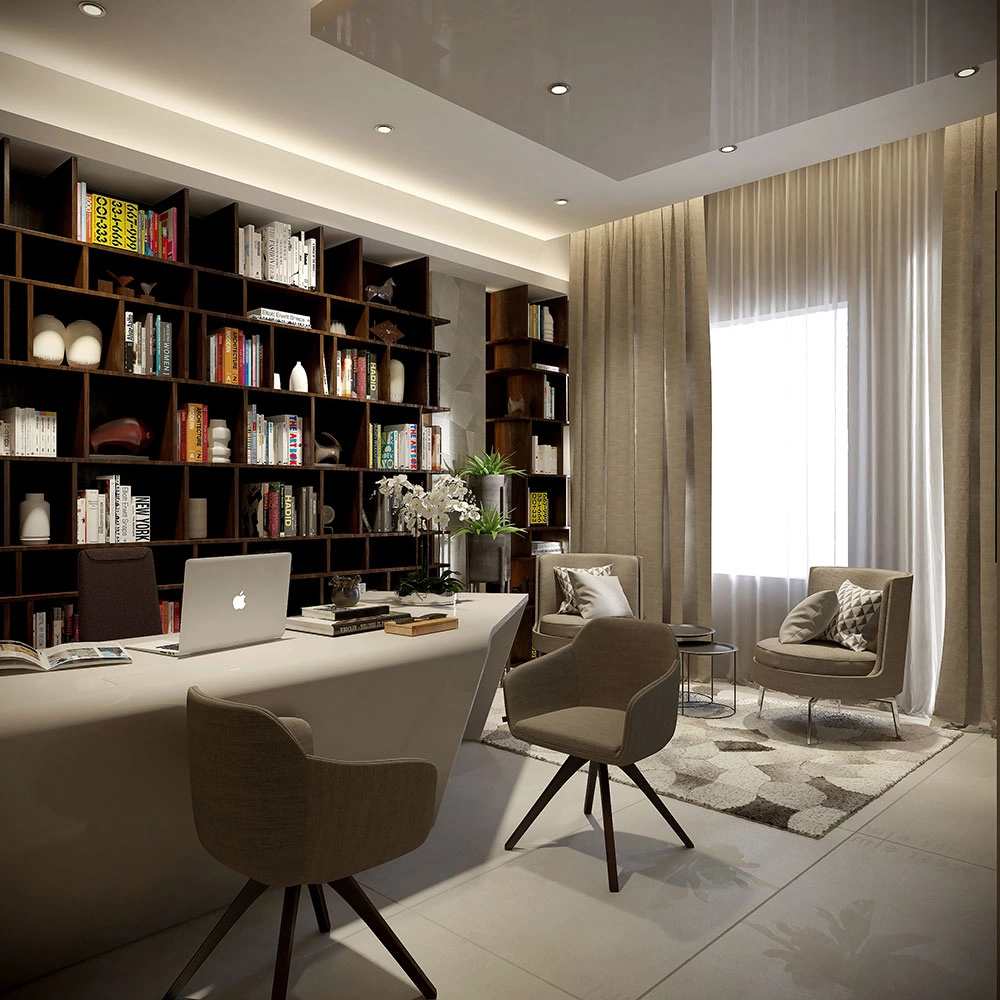
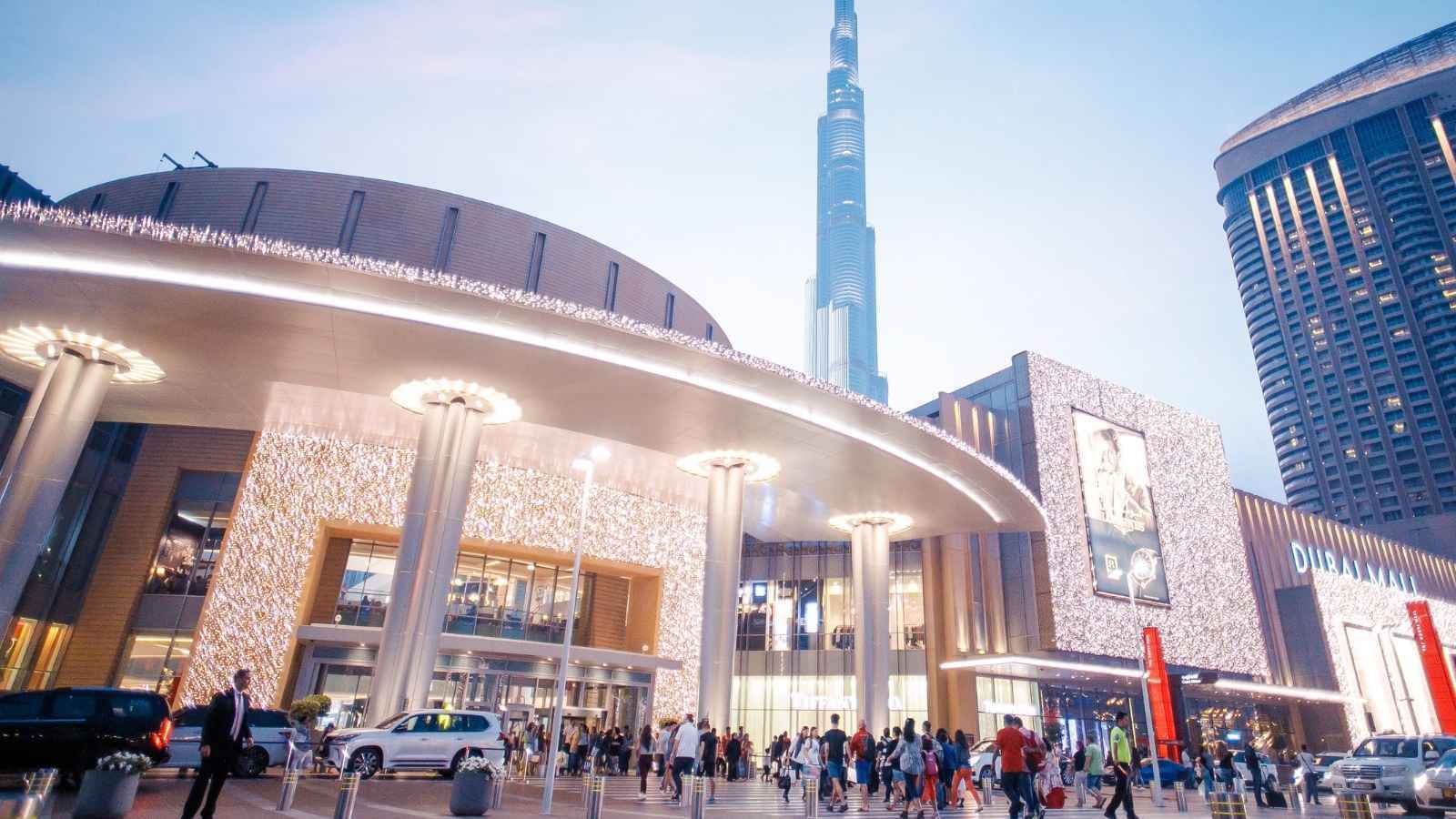
Designing a mall in a city like Dubai requires more than just visual appeal. It demands the perfect combination of spatial planning, customer psychology, architectural elegance and practical movement flow. Dubai Mall Design goes far beyond arranging shops. It creates an environment where visitors move effortlessly, stay longer and enjoy a memorable retail experience. This level of precision shapes successful shopping destinations and defines how customers interact with the space. In a city known for luxury experiences and futuristic architecture, mall design must offer innovation and comfort. This is where an expert Interior Designer in Dubai provides direction that transforms large commercial spaces into engaging destinations.
The architectural layout of a mall influences every minute spent inside. I have walked through many malls across Dubai and one thing remains consistent. When the design supports smooth movement, customers explore more and retailers flourish. Dubai Mall Design focuses on guiding customers naturally with visual cues, lighting, signage and intuitive zoning. Every corner contributes to the visitor journey. When executed correctly, the space feels effortless. When poorly designed, it becomes confusing and overwhelming. With a thriving retail culture in the UAE, these design factors shape long term business success. This is the reason many developers partner with a professional Interior Designer in Dubai to create layouts that satisfy both functionality and style.
Understanding Dubai Mall Design and Customer Behavior
To enhance customer flow, the layout must appeal to natural human behavior. People prefer wide pathways, clear visibility and ease of navigation. Dubai Mall Design leverages these preferences to create spaces where visitors feel comfortable moving freely. Shopping malls in Dubai are not just commercial centers. They are lifestyle environments for tourists, residents and families. The approach must accommodate different age groups and cultural backgrounds. A skilled Interior Designer in Dubai ensures balanced design elements that appeal to both luxury shoppers and casual visitors.
Smooth customer flow boosts emotional comfort. When people feel relaxed, they stay longer and engage more with retailers. I once observed how crowds move through high traffic areas of major Dubai malls. The zones with wider atriums, good lighting and open sightlines had significantly more foot traffic. This reinforced the idea that Dubai Mall Design must focus on creating unobstructed pathways and strategic spacing. The placement of escalators, elevators and seating zones also affects movement patterns. Each decision contributes to the final customer experience. That is why mall developers rely on an Interior Designer in Dubai who understands spatial psychology and shopper behavior.
Dubai Mall Design and Modern Layout Techniques
Modern Dubai Mall Design embraces advanced planning strategies that support customer flow efficiently. Developers consider circulation routes, shop positioning, anchor stores and entertainment zones. These elements must align perfectly to ensure visitors do not feel lost or congested. An Interior Designer in Dubai applies professional expertise to optimize these aspects.
Dubai Mall Design for Central Pathways
Central pathways guide customers through the mall smoothly. The layout must allow continuous movement without interruptions. Central corridors are thoughtfully designed to maintain visibility of major retail stores. When these pathways are wide, bright and well structured, they create a positive impression and encourage exploration. This technique is a foundation of modern Dubai Mall Design. A leading Interior Designer in Dubai ensures these corridors reflect the style and functionality demanded by the city’s competitive retail environment.
Dubai Mall Design for Efficient Zoning
Zoning divides the mall into categories such as fashion, electronics, dining and entertainment. Grouping similar stores creates intuitive navigation. Customers naturally understand where to find what they need. Zoning directly influences how people move across floors and corridors. This is why an Interior Designer in Dubai uses zoning strategies to simplify customer journeys. This principle makes malls more organized, visually cohesive and accessible.
Dubai Mall Design with Natural Attraction Points
Attraction points are visual elements that pull people toward specific areas. These may be grand atriums, art installations, luxury storefronts or interactive displays. Dubai malls often incorporate impressive features that create memorable experiences. An experienced Interior Designer in Dubai ensures these attraction points are placed strategically to guide visitors in a balanced flow. This design method enhances navigation while uplifting the overall ambiance.
Dubai Mall Design and Lighting Influence on Customer Flow
Lighting shapes mood and movement. Dubai Mall Design uses layered lighting systems to highlight pathways and direct customers. Soft lighting creates a calm atmosphere while bright lights emphasize active zones. When used correctly, lighting becomes a silent guide. As an Interior Designer in Dubai focuses on integrating modern LED systems, lighting becomes energy efficient and visually stunning.
I have personally seen how lighting around escalators attracts visitors more effectively than traditional signage. It directs people naturally toward upward movement. Soft lighting in seating areas builds comfort while vibrant lighting near retail showcases stimulates exploration. Dubai Mall Design takes full advantage of this balance. It blends architecture with lighting engineering to support customer flow and visual harmony.
Customer Flow Factors in Dubai Mall Design
Below is a simple chart explaining major elements that influence customer flow within Dubai malls.
| Customer Flow Factor | Impact on Movement | Role of Interior Designer in Dubai |
|---|---|---|
| Pathway Width | Allows comfortable movement | Ensures corridors remain balanced and wide |
| Lighting Design | Guides direction and mood | Creates effective lighting layers |
| Retail Zoning | Supports intuitive navigation | Organizes shops into meaningful clusters |
| Seating Placement | Manages crowd rest points | Places seating without blocking traffic |
| Signage and Wayfinding | Helps customers navigate | Designs visually clear directions |
These factors illustrate how Dubai Mall Design must align every detail with the customer experience. A professional Interior Designer in Dubai ensures these components function in harmony.
Dubai Mall Design and Retail Store Placement
Store placement determines how visitors move inside the mall. Anchor stores attract large crowds and must be positioned strategically. Dubai Mall Design typically places them at opposite ends of the mall to encourage movement across all corridors. Luxury brands often occupy high visibility zones to attract targeted shoppers. The placement of compact stores, kiosks and entertainment centers requires careful planning. Developers rely on an Interior Designer in Dubai to maintain balance. The right arrangement prevents congestion and enhances visibility for every retailer.
A practical example is how major malls in Dubai distribute restaurants around central atriums. This arrangement increases foot traffic in surrounding corridors and benefits nearby shops. Dubai Mall Design always focuses on creating movement rather than dead-end zones. Food courts, cinema entries and kid zones are placed in high visibility areas where families gather. This keeps the mall vibrant and engaging.
Dubai Mall Design Combining Aesthetics and Functionality
A mall must be visually pleasing yet functional. Dubai Mall Design blends luxury with purpose. Architectural elements such as curved lines, glass structures and high ceilings add sophistication while supporting airflow and visibility. An Interior Designer in Dubai understands how aesthetics impact customer psychology. When a space feels luxurious, customers associate value with the entire environment. The design should inspire confidence, comfort and desire to explore.
Materials also matter. Dubai Mall Design often uses marble flooring, warm wood textures and reflective surfaces. These materials enhance lighting and add elegance. Color palettes contribute to mood regulation and directional perception. Calm tones encourage comfort while accent colors highlight key zones. A professional Interior Designer in Dubai ensures every material aligns with durability, cultural preferences and modern appeal.
Technology Integration in Dubai Mall Design
Technology plays a vital role in modern mall experiences. Dubai Mall Design incorporates digital directories, smart lighting, automated entry systems and advanced surveillance. These features improve safety, convenience and overall customer comfort. An Interior Designer in Dubai ensures technology blends seamlessly with the visual theme.
Several malls in Dubai also use interactive touchscreens that show store locations, promotions and real time crowd density updates. This empowers customers and enhances navigation. Technology increases efficiency and contributes to a smooth shopping journey.
Environmental Comfort and Dubai Mall Design
Comfort ensures longer visits. Dubai Mall Design incorporates temperature control, air diffusion systems and acoustic planning. Air circulation must remain consistent across large spaces. An Interior Designer in Dubai collaborates with engineers to maintain comfort without disrupting aesthetics. Ceiling design also plays a role. High ceilings create openness while acoustic panels reduce noise in crowded zones. Environmental comfort supports customer movement naturally.
Dubai Mall Design and Cultural Considerations
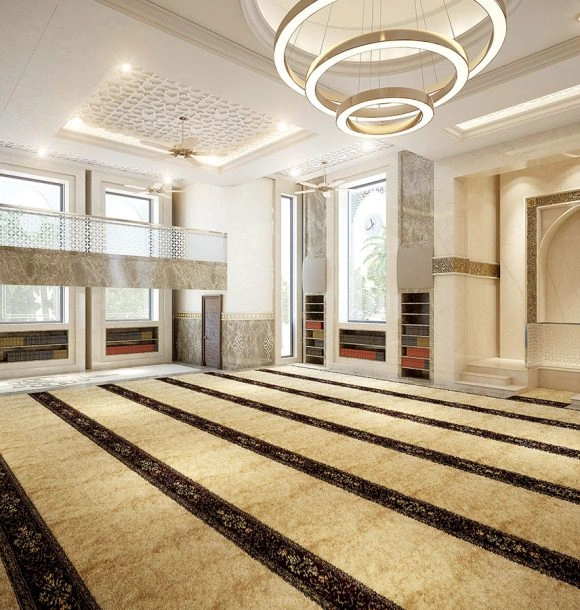
Dubai Mall Design respects cultural values by offering prayer rooms, family areas and modest seating zones. An Interior Designer in Dubai ensures these spaces blend smoothly into the mall layout. This creates a welcoming environment for everyone and supports UAE cultural identity.
Why Customer Flow Defines Mall Success
The longer customers stay, the more they explore. The more they explore, the more likely they are to make purchases. Dubai Mall focuses on creating an effortless journey that invites guests to return. Customer flow impacts business revenue, retailer satisfaction and overall mall reputation. The role of an Interior Designer in Dubai becomes essential in achieving this balance.
How an Interior Designer in Dubai Enhances Mall Performance
A skilled interior designer understands architectural alignment, shopper psychology and brand positioning. Their guidance ensures every detail contributes to a pleasant and efficient mall experience. Below are ways an Interior Designer in Dubai transforms large retail spaces.
- Creates seamless navigation
- Enhances brand visibility
- Optimizes lighting and circulation
- Balances aesthetics with function
- Integrates cultural elements smoothly
- Supports sustainability and comfort
These factors build trust and deliver meaningful results for mall owners. Dubai Mall becomes the foundation for long term retail success.
Final Thoughts on Dubai Mall Design
The evolution of Dubai Mall reflects the UAE’s commitment to excellence in architecture and customer experience. A well designed mall enhances customer flow, amplifies brand visibility and elevates shopper satisfaction. The expertise of an Interior Designer in Dubai transforms retail environments into engaging destinations that people love returning to. With strategic planning, aesthetic brilliance and thoughtful navigation design, shopping malls become more than commercial centers. They become lifestyle hubs that define modern Dubai living.
Get Started Today:
- Free Consultation: Comprehensive space assessment
- 3D Visualization: See your project before construction begins
- Transparent Pricing: No hidden costs or surprises
- Complete Service: From concept to completion and beyond
Contact Information:
- Best Interior Design Company Dubai: Learn More
- Office Interior Design Dubai UAE: Office Solutions